Global collectors continue to elevate the stature of Seleção memorabilia as trophy nights and legendary goals gain fresh audiences.
This guide surveys the most sought-after Brazilian national team relics, explaining what they are and why they command enduring demand among connoisseurs.
You will see how museum-grade provenance, official recognition, and historic context convert emotion into market value. With trusted, official sources underpinning each example, the list shows how Brazil’s football history turns objects into cultural touchstones.
Why Certain Brazil Relics Rise Above the Rest
The most desired artifacts combine iconic moments with verifiable documentation and visibility in respected institutions.

When a relic corresponds to a World Cup milestone and is backed by official databases, museum displays, or authoritative records, confidence and bids rise.
Brazil’s unique World Cup résumé provides a deep well of such opportunities across 1958, 1962, 1970, 1994, and 2002. That sustained excellence ensures the narrative power of the items does not fade when fashions change.
How Provenance, Visibility, and Technology Drive Demand
Collectors reward items that can be traced through clear chains of custody and can be corroborated by photos, broadcasts, and institutional files.
Museums and governing bodies strengthen those stories by exhibiting artifacts and publishing context that standardizes how we read value.
Imaging and media archives now allow granular photo-matching that ties wear or numbering to specific matches and minutes. In Brazil’s case, that science meets myth, creating a perfect market catalyst.
Pelé’s 1970 FIFA World Cup Winner’s Medal
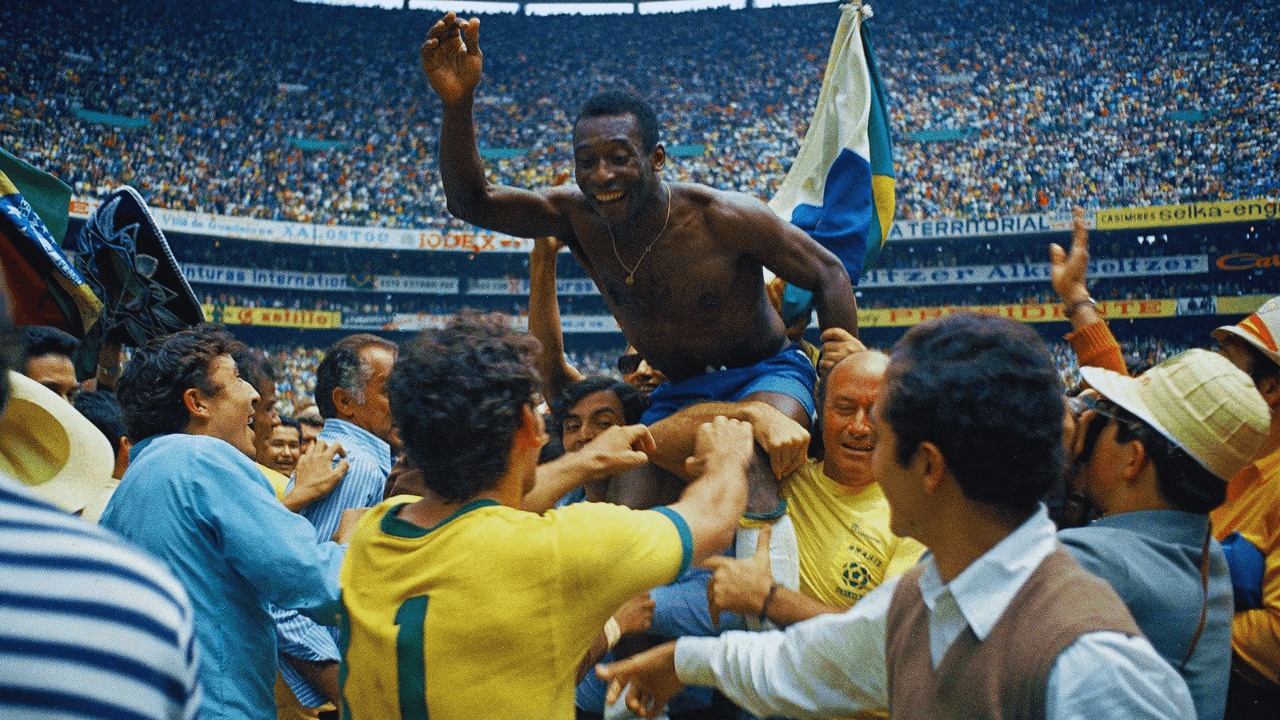
Among the crown jewels are medals personally awarded to Pelé after Brazil’s triumph in Mexico.
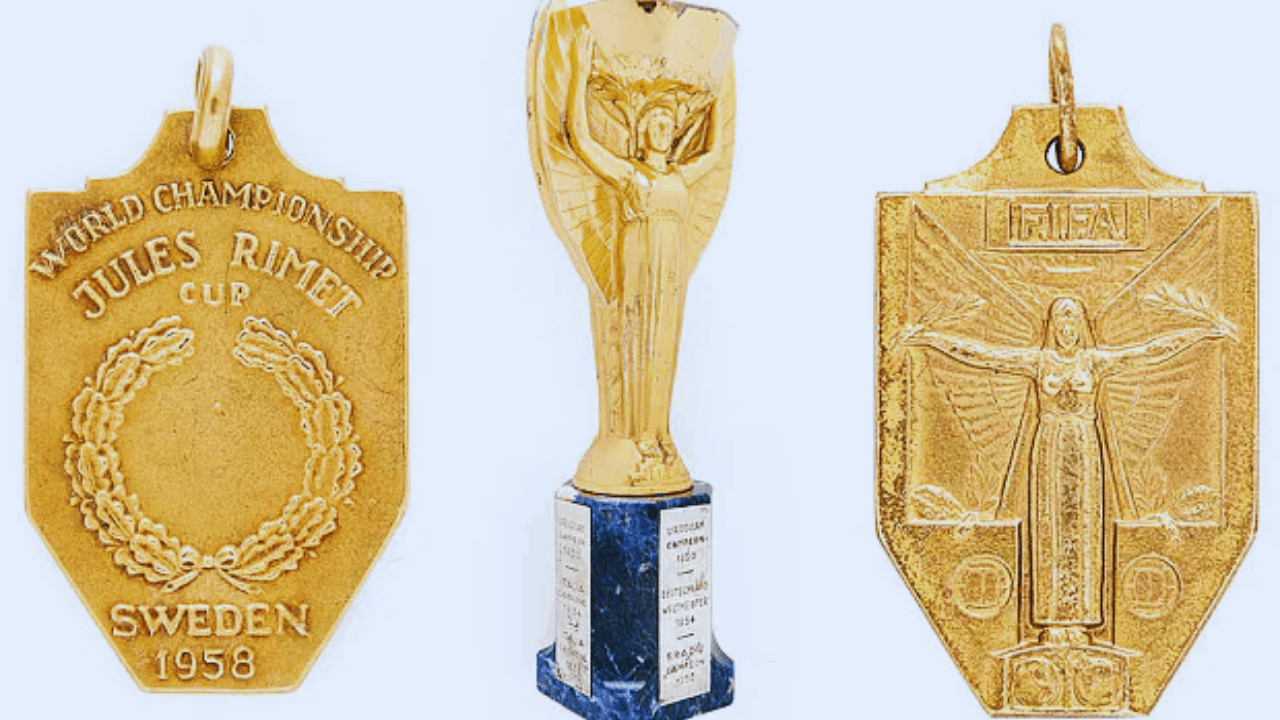
In 2016, his 1970 winner’s medal set a recognized world record for a football medal at auction, establishing a benchmark collectors still cite.
That validation matters because it aligns personal legend with public verification in a single artifact. For many buyers, a Pelé medal is the closest portable proxy to the summit of the sport.
Why It Tops Wishlists
The 1970 squad is widely celebrated as a generational team, and Pelé’s third World Cup made him unique in history.
A medal from that run condenses the player, the tournament, and the televised revolution of football into one object.
Record recognition confirms that the market views the piece as a reference point rather than an outlier. As a result, these medals symbolize both provenance and the apex of Brazilian pride.
Brazil’s Jules Rimet Trophy Story and Its Missing Original
After Brazil’s third title in 1970, the original Jules Rimet Trophy was awarded to the nation in perpetuity, only to be stolen in 1983 and never recovered.

Decades later, the stone base connected to the original surfaced at FIFA headquarters, reanimating a mystery that still fascinates the public.
The saga blends triumph, loss, and rediscovery, which keeps related memorabilia and official replicas in constant conversation.
Collectors value authentic documentation tied to this narrative because the story is inseparable from Brazil’s golden era.
Why It Tops Wishlists
The Rimet story occupies a singular place in football memory, linking national immortality with a legendary theft. Artifacts that legitimately intersect with that history gain significance beyond metal or marble.
Official accounts from FIFA and reputable reporting give the tale a stable backbone that buyers can reference. For Brazil-focused collections, few narratives are more potent or more likely to endure.
1970 Telstar Match Balls Used by Brazil
The adidas Telstar debuted at the 1970 World Cup and changed the visual language of football for television.

Its high-contrast panels were designed to register on color broadcasts, and the ball has since become a design icon connected forever to Brazil’s artistry that summer.
Telstars with confirmed match use by Brazil attract intense interest because they merge innovation with performance. The ball functions as both technology milestone and Seleção symbol.
Why It Tops Wishlists
Collectors prize official match balls when they can be tied to specific games or squads with documentation.
The Telstar’s origin story is codified by governing bodies, and its association with the final in Mexico City amplifies demand for Brazil-linked examples.
Because the design launched a lineage of World Cup balls, its historical footprint is unusually large. That combination of firsts and finals gives authentic specimens exceptional staying power.
Carlos Alberto’s 1970 Final Captain’s Shirt
Brazil’s 4–1 win over Italy culminated in Carlos Alberto’s thunderous goal, an action often celebrated among the World Cup’s greatest moments.
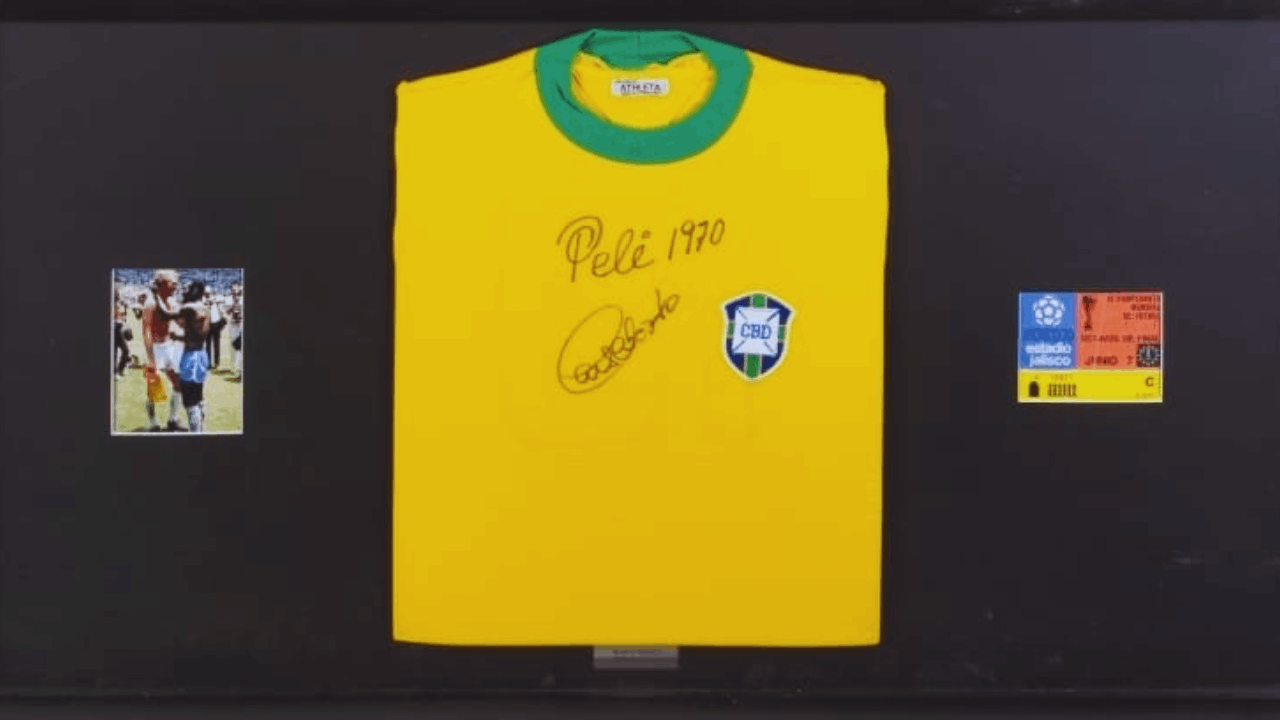
A captain’s shirt photo-matched to that final would sit near the top of any global wishlist, given the team’s status and the clarity of broadcast footage.
The garment is shorthand for collective rhythm and leadership on the biggest stage. It is also one of the most replayed sequences in football history, which multiplies recognition.
Why It Tops Wishlists
Relics tied directly to definitive goals carry universal meaning that transcends club loyalties and generations. Because official archives foreground the moment, the captain’s imagery remains endlessly teachable and shareable.
A final-worn captain’s shirt from Mexico 1970 compresses symbolism into stitch and number in a way few objects can match. It embodies the idea of futebol-arte in wearable form.
Garrincha’s 1962 World Cup Match-Worn Shirt
With Pelé injured, Garrincha became Brazil’s guiding star in Chile, a storyline repeatedly retold in authoritative retrospectives.
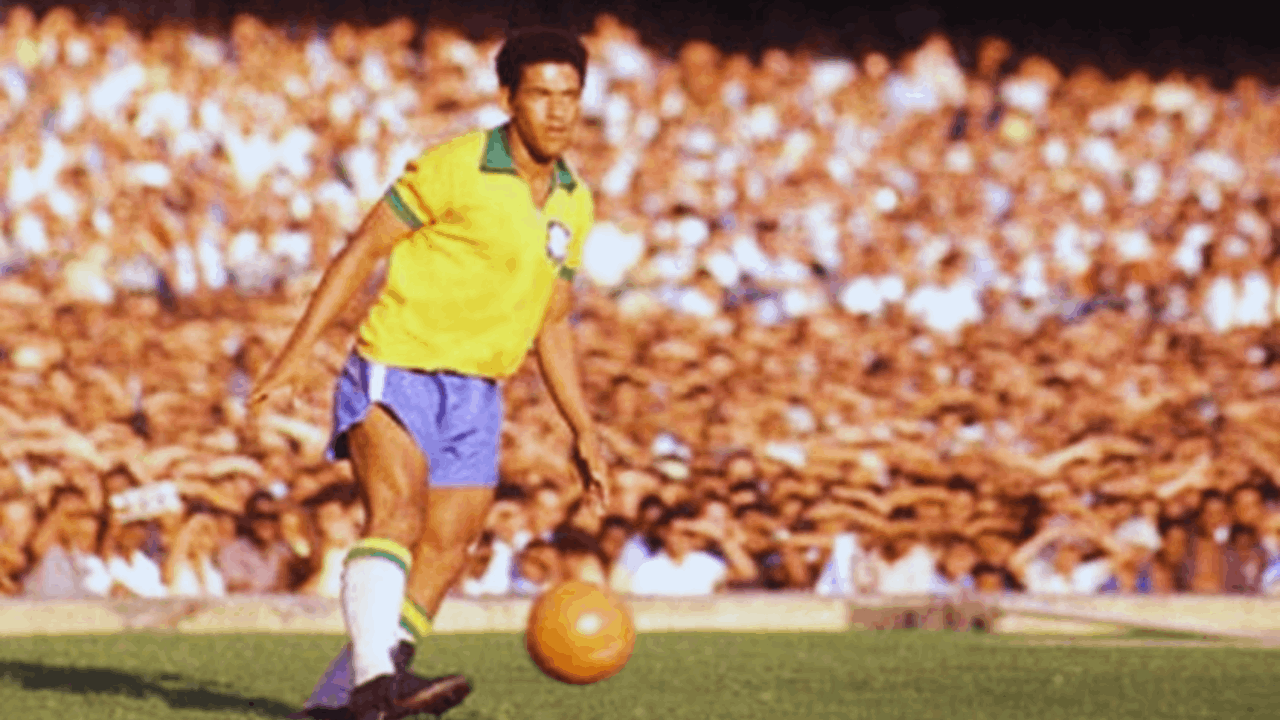
A shirt conclusively matched to his decisive performances in 1962 would rank among the most coveted South American jerseys of the twentieth century.
It represents an era when individual flair carried a nation through adversity to a second straight crown. The piece bridges personality and result, which is the collector’s ideal.
Why It Tops Wishlists
The 1962 title validated Brazil as more than a one-cycle phenomenon and cemented Garrincha’s mythos. Archival features keep the player’s legend alive, sustaining demand for authentic, match-tied textiles.
Because supply is extremely limited, evidence-heavy examples command disproportionate attention when they surface. The shirt personifies the Seleção’s resilience and genius in one artifact.
Pelé’s 1958 Finals-Worn Apparel Preserved in Museums
Institutional displays confirm and stabilize value, and permanent exhibitions highlight Pelé’s presence at the 1958 finals.
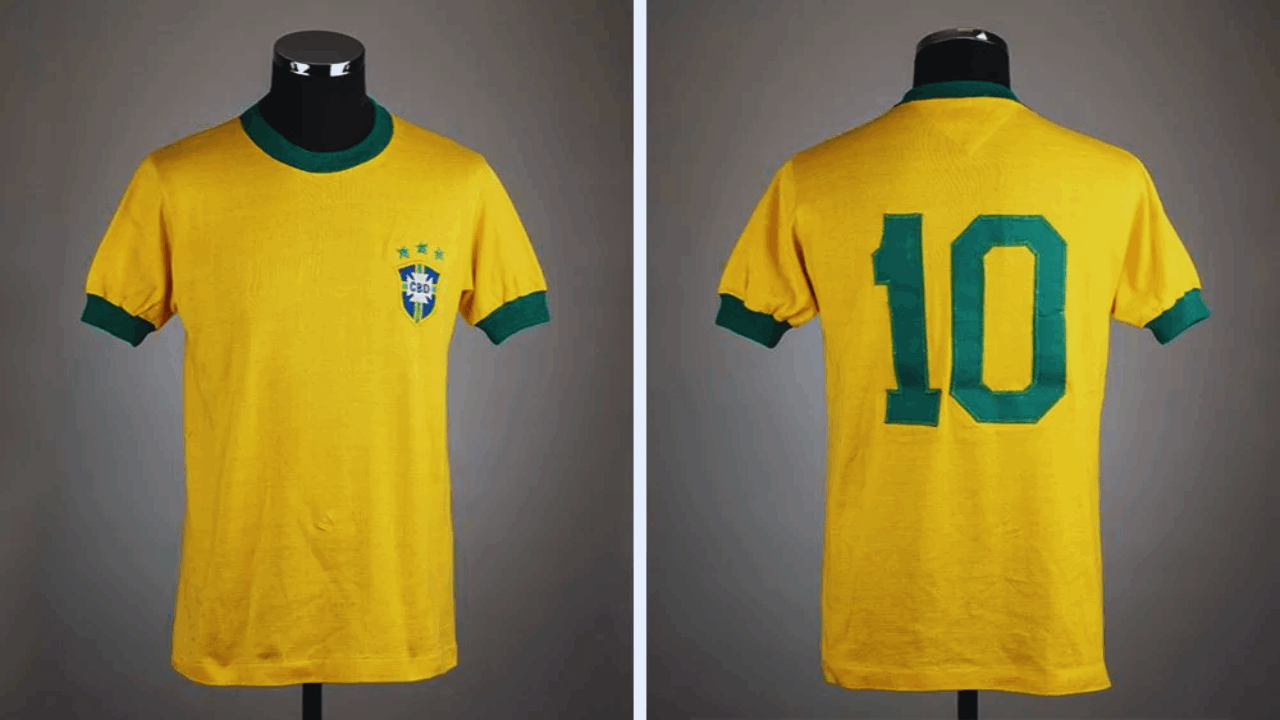
Museum-catalogued apparel from that tournament symbolizes the birth of Brazil’s World Cup supremacy and Pelé’s international ascent.
For collectors, pieces with documented museum display history carry added prestige. They also benefit from curatorial research that clarifies dates, materials, and use.
Why It Tops Wishlists
Objects anchored in museum narratives enjoy a durable halo that transcends market cycles. Pelé’s earliest finals context carries both historic and sentimental weight for Brazil and the wider game.
When institutional descriptions exist, buyers can verify details without guesswork, which increases bids and reduces disputes. That mix of scholarship and stardom is rarely equaled elsewhere.
Ronaldo’s 2002 World Cup Final Shirt
The 2002 final in Yokohama restored Brazil to the summit as Ronaldo scored both goals against Germany, an achievement consistently spotlighted in official records.
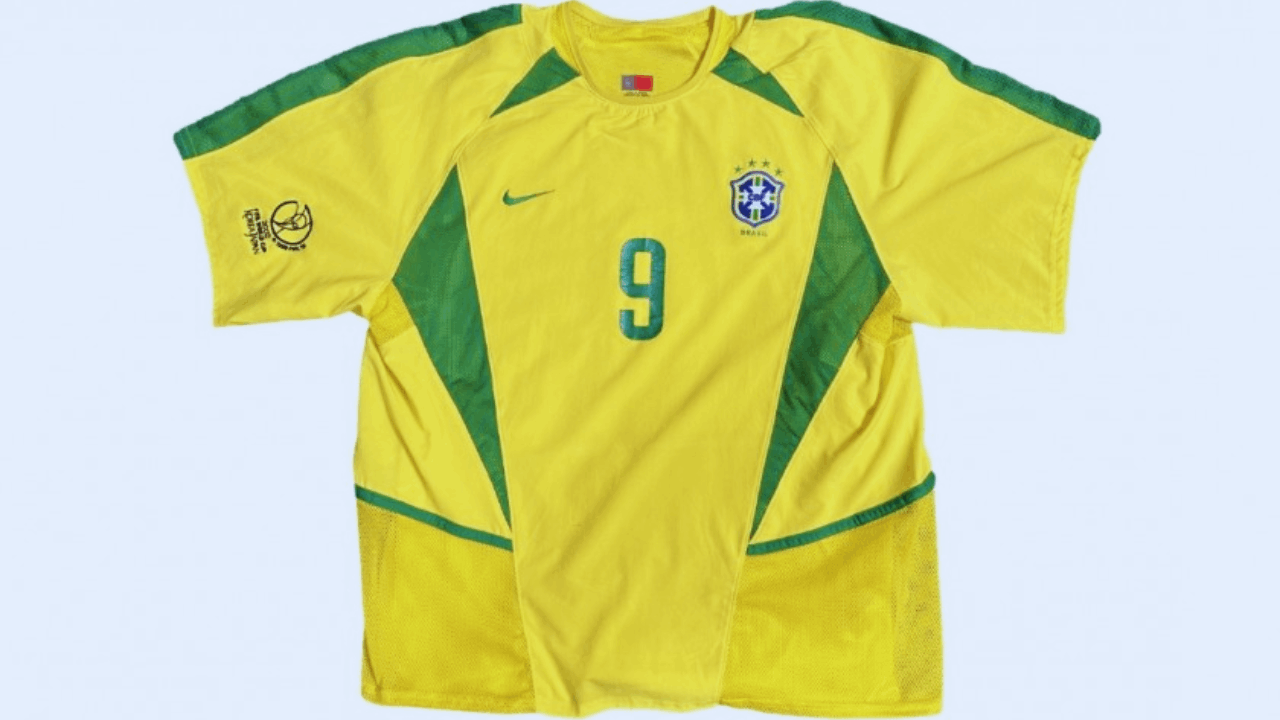
A final-worn shirt from that night crystallizes redemption, excellence, and the era of Cafu, Roberto Carlos, Rivaldo, and Ronaldinho.
Because the match delivered Brazil’s record fifth title, any authentic jersey tied to that game sits in elite company. Demand reflects both historical closure and modern broadcast clarity.
Why It Tops Wishlists
Collectors care about goals, trophies, and context, and this shirt scores in all three categories with institutional recognition to match. The narrative of comeback after 1998 deepens emotional resonance and widens the buyer pool.
Continued coverage ensures the final remains visible, keeping the shirt’s significance vivid for new fans. As a result, 2002 finals apparel has become a contemporary blue-chip for Brazil specialists.
Match-Worn Brazil Shirts Displayed at the Football Museum in São Paulo
Brazil’s Football Museum in São Paulo actively exhibits historic Seleção apparel, including finals-worn pieces that anchor major storylines.
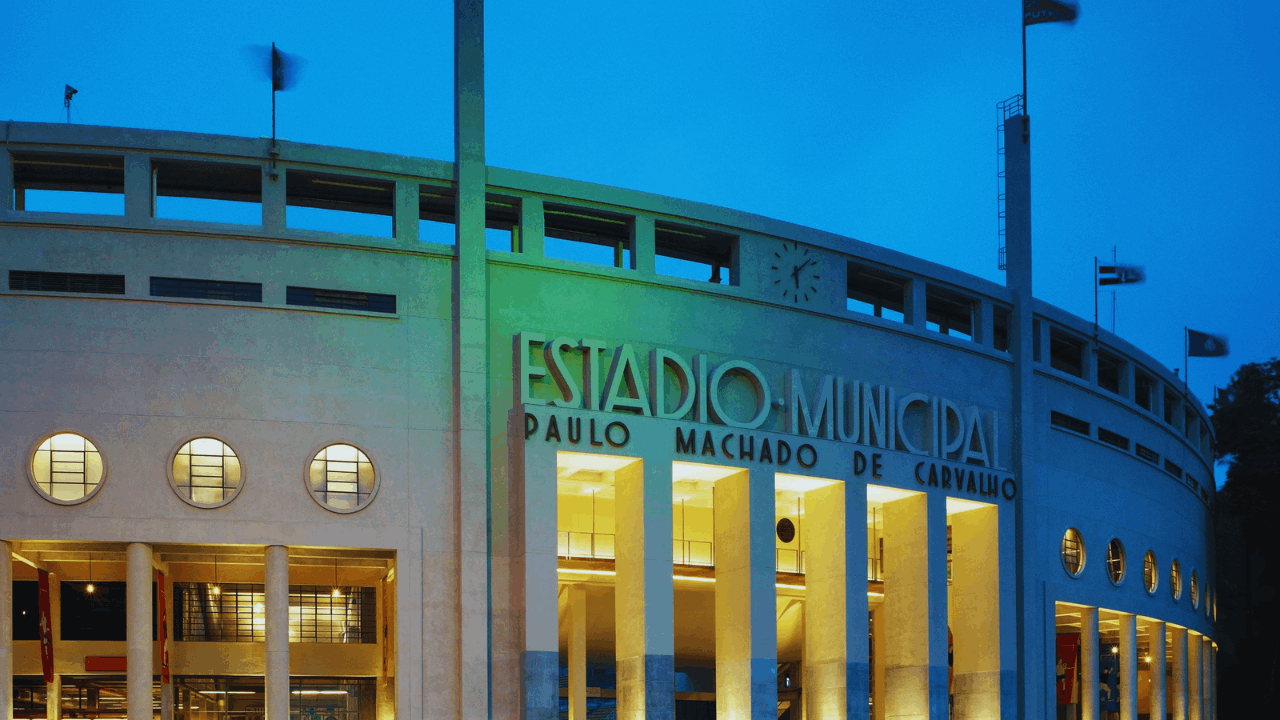
Curated displays provide interpretive labels, climate control, and scholarship that reinforce authenticity and context.
When museum-grade shirts later circulate through loans or publications, their documented presence enhances appeal. The visibility educates new collectors while validating veteran instincts.
Why They Top Wishlists
Institutional framing matters because it signals that an object is part of a larger cultural memory, not just a commodity.
For Brazil, that memory is particularly rich, making museum-displayed shirts natural targets when provenance is complete.
Exhibitions also generate photography that aids future verification and cataloging. This ecosystem keeps demand strong for pieces with traceable public histories.
Pelé Museum Objects with Direct National Team Links
The Pelé Museum in Santos houses thousands of objects from the legend’s personal collection, including boots, shirts, balls, and awards.
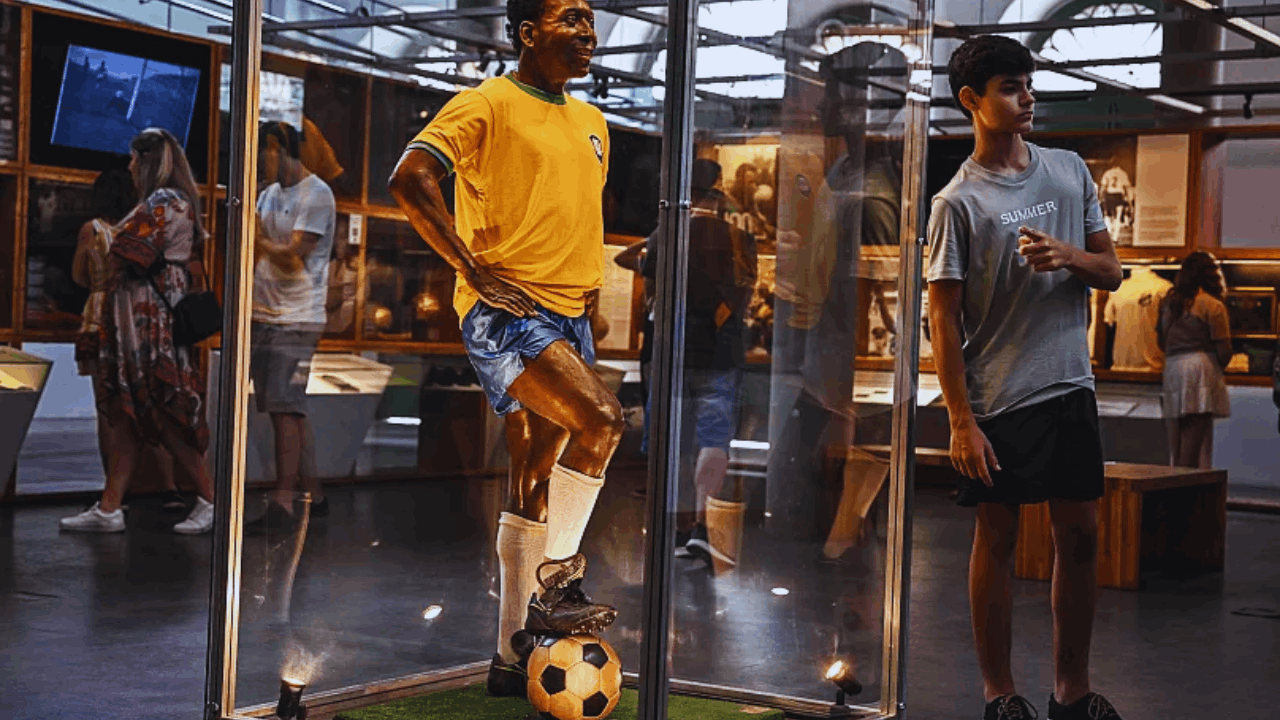
Items with documented national team use gain special attention because they map directly onto Brazil’s golden chapters.
Museum inventories and rotating displays help define which artifacts possess the strongest stories. When pieces carry that institutional context into the market, they benefit from preexisting scholarship.
Why They Top Wishlists
Relics tied to Pelé’s personal archive blend intimacy with national symbolism, a combination few athletes can match. Public display records confirm authenticity while making the objects familiar to fans long before a sale.
Scholars and museums reference these artifacts in teaching and exhibits, further cementing their importance. The result is durable demand that resists short-term fluctuations.
Conclusion
Understanding the most sought-after Brazilian national team relics means recognizing how narrative, proof, and visibility work together.
Each draws strength from official records and museum storytelling that keep their moments alive for new generations. In that alignment, Brazil’s relics become more than memorabilia; they become living chapters of football’s shared memory.