Serious collectors chase more than nostalgia; they pursue objects with documented histories, cultural weight, and verified authenticity.
This guide explains what makes a football item valuable to collectors, drawing on standards used by museums, auction houses, and trusted authentication programs.
You will learn how provenance, event significance, condition, and timing interact to determine value. By the end, you will know how to assess an item’s strengths, fix its weak spots, and present it credibly to the market.

Defining Value in Football Memorabilia
Value in football memorabilia emerges where story, proof, and rarity meet. A shirt, ticket, medal, or ball becomes desirable when its history is verifiable and its moment matters beyond a single match.
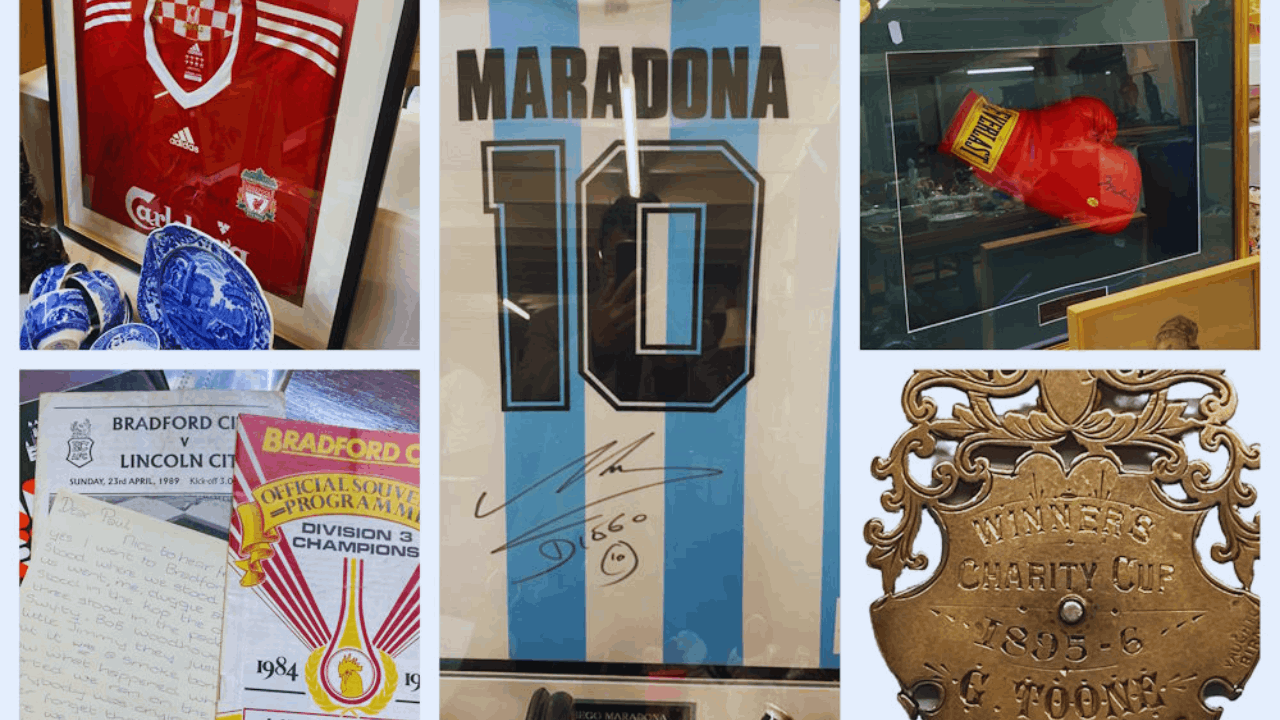
Collectors reward items that can be tied to a specific game, player, or milestone with objective evidence.
Museums and major sales venues reinforce those preferences by insisting on documentation and consistent terminology.
Provenance: The Paper Trail That Anchors Price
Provenance is the documented path an item takes from the pitch to the present owner. Strong files include issue or match details, prior ownership, and references to credible institutions or professionals.
Each link reduces uncertainty and increases a buyer’s willingness to bid. Without a clear chain, even beautiful artifacts struggle to reach their potential.
Authenticity: How Verification Protects Confidence
Authenticity combines expert opinion with measurable indicators such as labels, numbering styles, fabric composition, and period-correct wear.
Photographic and broadcast-frame comparisons help match unique features on a shirt or ball to a specific moment on the field.
Third-party certificates carry weight when they describe methods, not just outcomes. The best reports are reproducible, transparent, and tied to named specialists.
Rarity: Scarcity That Collectors Can Explain
Rarity matters most when it is understandable and defensible. Limited-issue items from finals, debut seasons, or short-lived shirt sponsors naturally command attention.
One-of-one artifacts linked to famous plays or decisive goals can outpace generic material from the same athlete. Supply must be real, not manufactured by vague “limited” labels without context.
Condition: Honest Wear, Careful Conservation
Condition influences price by signaling longevity and authenticity at the same time. Match-worn gear often shows appropriate wear, repairs, or inscriptions, while issued pieces may prioritize pristine presentation.
Conservation should stabilize an item without erasing original characteristics that authenticate use. Accurate, consistent condition notes are essential to prevent disputes.
Event Significance and Player Association
Collectors pay for moments, not only materials. Items connected to tournaments, records, derbies, and iconic goals benefit from built-in storytelling that crosses generations.
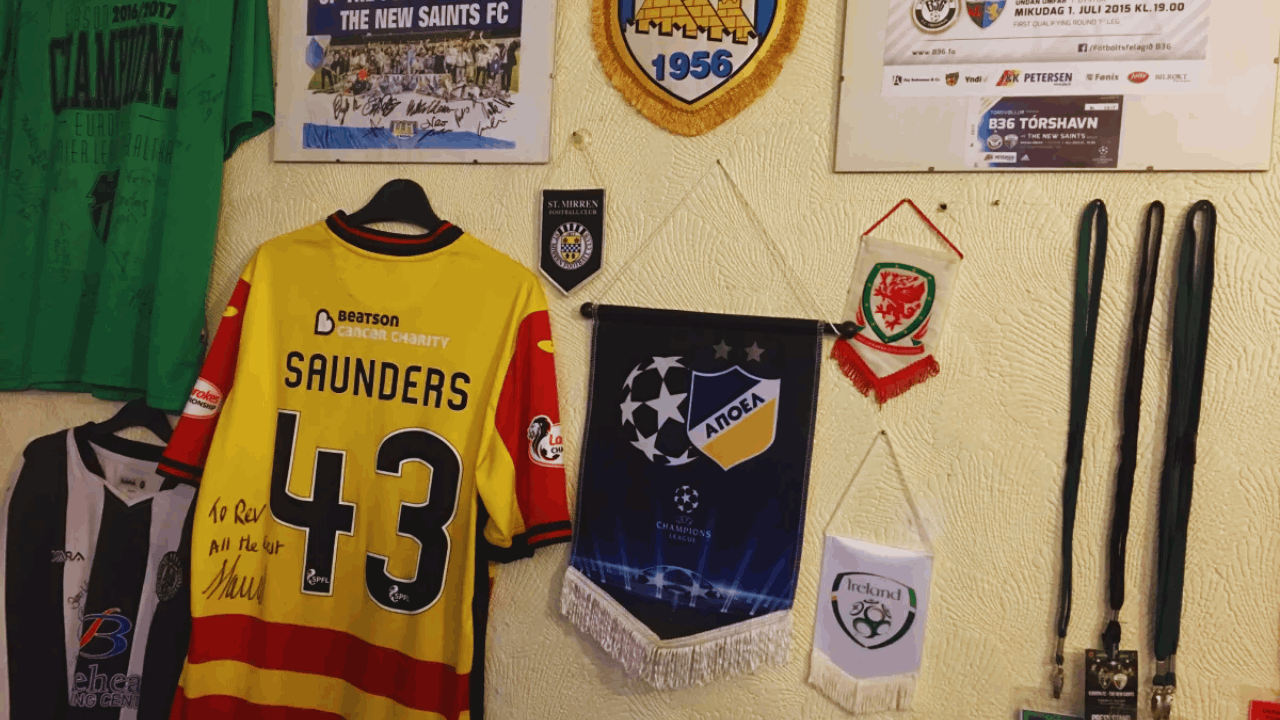
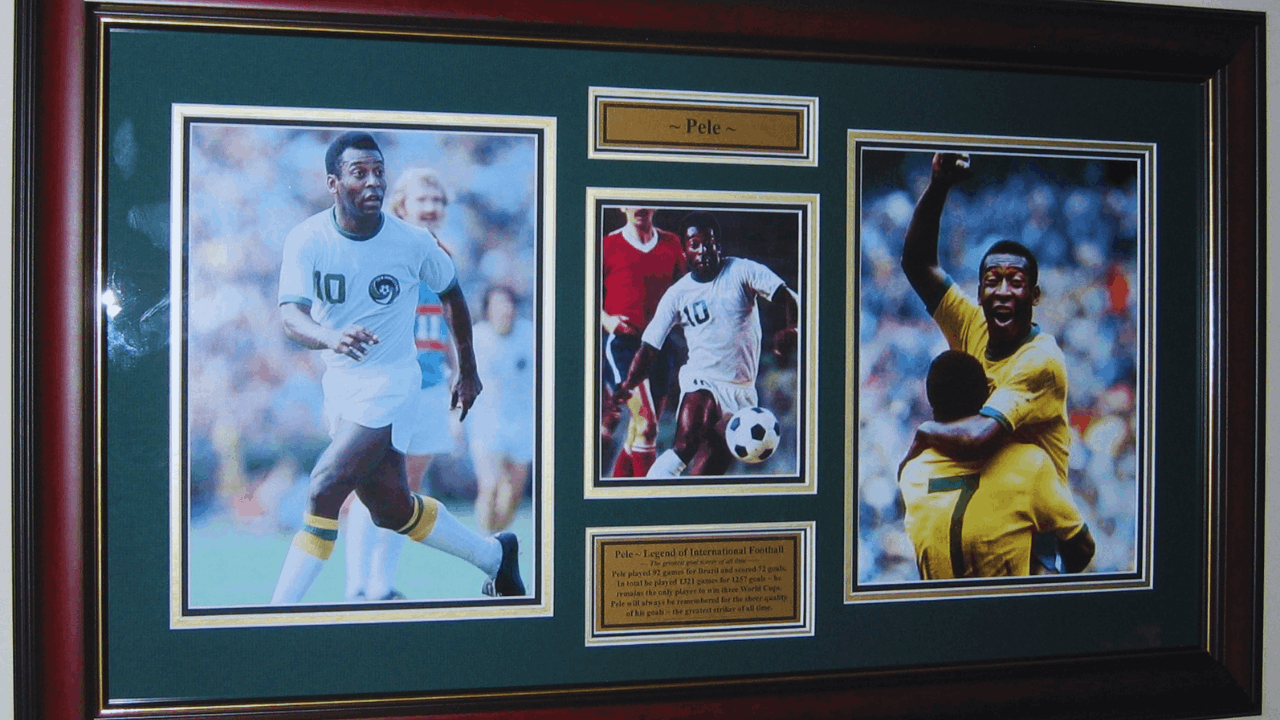
Player association magnifies this effect when careers are decorated, internationally recognized, or newly reappraised. The strongest lots combine a legendary athlete with a pivotal match and verifiable use.
Match-Worn Versus Player-Issued: Understanding the Gap
Match-worn artifacts typically outrank player-issued examples because they saw the field and can be tied to a result. Issued items still carry value when linked to squads, benches, or unused alternates from major tournaments.
Documentation must make these distinctions explicit to avoid inflated claims. Clear labeling builds trust and protects both buyer and seller.
Milestones, Finals, and Record Moments
Finals, record-setting goals, and career firsts create enduring demand that outlives weekly form. Shirts from a title-clinching match or a player’s debut trigger wider media references and educational use.
That visibility translates into more bidders and stronger underbids. A routine league shirt rarely competes unless evidence ties it to a special narrative.
Team Popularity and Athlete Legacy Cycles
Club global reach and athlete legacy arcs shape liquidity and price ceilings. International fan bases widen demand for emblematic items, especially when clubs tour, win, or release documentaries.
Retirements, halls of fame, and anniversaries renew attention and recalibrate estimates. Sophisticated sellers map these cycles before they consign.
Cultural Impact and Archival Footprints
Items with deep media footprints—interviews, iconic photos, or widely replayed clips—gain value through recognition.
Archival visibility simplifies verification and enriches catalog essays, which helps bidders justify higher limits.
A strong footprint also supports museum loans, adding prestige after sale. Cultural resonance keeps an artifact relevant when trends shift.
Market Mechanics and Pricing Dynamics
Markets convert significance into price through competition, disclosure, and credible venues.
Auction houses provide global marketing, scholarship, and escrow that encourage ambitious bidding.
Online marketplaces expand reach and speed but rely heavily on standardized condition and authenticity programs. The right channel depends on the item’s story, target audience, and urgency.
Auctions, Marketplaces, and Private Treaty
Auctions suit headline artifacts that benefit from exhibition, catalog essays, and live competition. Marketplaces handle midrange material efficiently when photographs, certificates, and seller history are strong.
Private treaty sales solve for privacy, speed, and institutional buyers with specific mandates. A seller’s choice should reflect audience fit, fee structure, and marketing capability.
Photo-Matching and Media Archives as Price Drivers
High-resolution archives allow specialists to confirm shirt identifiers, number spacing, or scuff patterns on balls. A successful match elevates an item by tying it to a precise minute and opponent.
Buyers treat this as scientific evidence rather than opinion, which compresses negotiation. As methods improve, price gaps between matched and unmatched pieces have widened.
Timing, Calendars, and Momentum
Seasonal calendars, international windows, and documentary releases shape demand. Listing near finals, derbies, award nights, or milestone anniversaries increases exposure without extra advertising.
Momentum matters as comparable items set fresh benchmarks that lift adjacent categories. Smart sellers monitor these signals and negotiate reserves accordingly.
Legal, Licensing, and Cross-Border Considerations
Authentic items must be marketed within trademark, image-rights, and export rules. Sellers should avoid unauthorized logo use in promotion and provide accurate customs descriptions for cross-border shipments.
Some countries classify historic sports artifacts as cultural property, requiring permits. Compliance safeguards delivery, reputation, and final realization.
Preparing an Item to Maximize Value
Preparation determines results long before a lot goes live. Successful consignors think like curators by assembling evidence, stabilizing condition, and writing clear, conservative copy.

Every claim must be traceable to a document, image, or primary source. That discipline turns a keepsake into an investment-grade artifact.
Building a Dossier Buyers Can Trust
Gather invoices, letters, team or event paperwork, and previous expert opinions into a single, organized file. Create a concise summary page listing date, opponent, competition, and provenance highlights.
Include high-resolution images of tags, crests, patches, and unique wear areas. Presenting a complete dossier reduces due diligence time and encourages confident bidding.
Conservation, Storage, and Presentation
Stabilize textiles with acid-free materials and avoid over-cleaning that erases match evidence. Store away from UV light and humidity swings that fade signatures or distort fabrics.
For balls, maintain shape with appropriate supports rather than full inflation. Professional photography should reflect true color and texture to prevent returns.
Catalog Copy That Respects Evidence
Lead with verifiable facts and place adjectives after proof, not before it. Describe what is known, what is probable, and what remains unconfirmed using consistent language.
Cite where matches, dates, or inscriptions originate so buyers can retrace the work. Credible restraint often yields stronger competition than hyperbole.
Transparency, Warranties, and After-Sale Care
Transparency on returns, warranties, and escrow builds trust with first-time bidders and institutions. Provide shipping plans, insurance details, and packing methods before contracts are signed.
After sale, include digital copies of documentation and care guidelines. These practices protect value for the next ownership chapter.
Conclusion
Understanding what makes a football item valuable to collectors means measuring evidence, significance, rarity, condition, and timing with the same discipline used by institutions.
With those practices in place, a beloved object becomes a stewarded piece of football history that can stand the test of markets and time.