Football culture extends far beyond the pitch. The fascination with 5 unusual objects collected by football fans highlights how supporters connect to history in unique ways.
Fans often look beyond jerseys and scarves, seeking items with stories that surprise outsiders. This article explores unusual collectibles, why they matter, and the impact they have on football culture.
Unique Football Collectibles: 5 Unusual Objects Fans Treasure
These five categories highlight the unique ways fans collect unusual objects. Each section explains why they matter and how they reflect football culture.
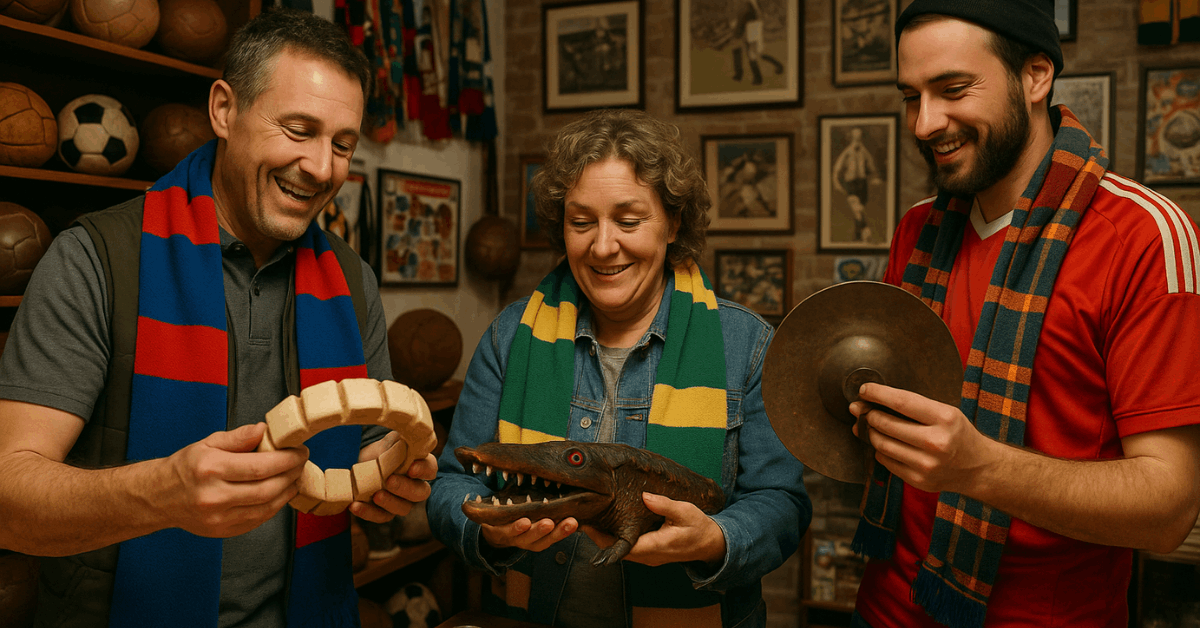
1. Match-Used Objects
Fans value items that come directly from the game itself. These objects are unique, limited, and tied to unforgettable matches.
Collectors often spend years searching for boots, gloves, or pieces of turf. Each object connects fans to specific moments in football history.
Examples of Match-Used Objects
Some items stand out due to rarity and context. Boots worn in championship matches or goalkeeper gloves from iconic saves become treasures.
Corner flags or net fragments from decisive goals also carry sentimental weight. Clubs and players sometimes release these through auctions or special sales.
How Fans Acquire Them?
Fans often look for reliable ways to secure authentic pieces. The following points explain common methods collectors use.
- Official auctions: Clubs or organizations host auctions for rare items.
- Private sales: Collectors trade objects within trusted circles.
- Charity events: Players and teams donate items to raise funds.
- Certificates of authenticity: Clubs provide documents to confirm legitimacy.
- Direct donations: Some players personally give items to supporters.
- Loyal pursuit: Collectors dedicate time and effort to secure meaningful pieces.
2. Rare Match Tickets and Stubs
Collectors treasure tickets because they represent access to historic games. Rare stubs from finals or canceled matches hold cultural and financial value.
The condition of these tickets determines their worth, especially when preserved well. Fans often frame or archive them to safeguard history.
Famous Examples
World Cup final tickets are among the most valuable. Tickets from derbies with intense rivalries also attract collectors.
A rare category includes tickets from games canceled due to weather or political events. These unusual items reflect football’s unpredictability.
3. Commemorative Currency and Stamps
Governments and institutions often release collectibles celebrating football milestones. Fans and collectors alike value commemorative coins, banknotes, and stamps.
These items mix sports culture with national history. Their designs often highlight tournaments, players, or stadiums.
Why They Matter?
Commemorative items stand out because they connect national pride with football culture. They also appeal to both dedicated fans and traditional collectors.
- Not typical merchandise: Currency and stamps go beyond scarves and shirts.
- Appeal to multiple groups: They attract both football supporters and numismatic enthusiasts.
- Official recognition: Banks and postal services certify these items.
- Cultural value: Designs highlight tournaments, stadiums, and players.
- Credibility and trust: Official production ensures authenticity.
- Long-term worth: Their uniqueness makes them stable investments.
4. Player-Autographed Everyday Objects
Autographs usually appear on jerseys or footballs. Yet some fans end up with signatures on unusual items.
Everyday objects signed by players often carry surprising stories. These moments create collectibles that feel more personal than commercial.
- Menus and receipts: Fans catch players in restaurants and ask for signatures.
- Train tickets: Encounters during travel lead to unique autographs.
- Books or documents: Random items become valuable when signed by legends.
- Personal accessories: Objects like hats or phones sometimes turn into souvenirs.
These examples show how chance interactions lead to unusual collections. Their value comes less from monetary worth and more from emotional connections.
5. Unusual Fan-Made Memorabilia
Fans also create their own objects to express passion for clubs. These items often hold stronger emotional meaning than official merchandise.
Handmade Scarves and Banners
Supporters design scarves and banners with personal touches. These creations reflect identity, creativity, and loyalty.
Each design is one of a kind and ties to specific games. Fans use them to show unity in stadiums.
Handmade items can become symbols of movements or traditions. They remain central to the fan experience.
Custom Dolls and Figures
Some fans craft dolls or figures representing players or teams. These items are sewn, sculpted, or painted with great care.
They represent admiration for heroes of the game. Collectors keep them as cherished personal works.
Custom figures often gain popularity in online communities. They illustrate how fandom inspires artistic skills.
Art and Sculptures
Artists create paintings, carvings, or statues inspired by football. These pieces often appear in local galleries or exhibitions.
Sculptures may capture stadiums, famous goals, or players. Artworks become part of both cultural and football heritage.
They blur the line between sport and creative expression. Collectors see them as both memorabilia and art investment.
DIY Souvenirs
Fans build replicas of trophies, stadiums, or other symbols. These DIY projects require dedication and skill.
They connect supporters with the larger football culture. Each souvenir represents personal pride and club devotion.
Some end up displayed at gatherings or community events. They reflect how ordinary fans contribute to collective history.

Preservation and Challenges
Collecting comes with risks and responsibilities. Unusual objects can deteriorate if not preserved properly.
Fakes and counterfeits also circulate widely. Collectors need strategies to protect authenticity and condition.
- Storage solutions: Acid-free boxes, frames, or protective cases help.
- Authenticity checks: Certificates and trusted sellers prevent scams.
- Environmental control: Keeping items away from moisture and sunlight ensures longevity.
- Digital documentation: Photos and certificates safeguard provenance records.
These measures ensure items keep their cultural and financial value. Serious collectors treat preservation as part of the passion.
Cultural Impact of Unusual Collections
Unusual collections influence football culture beyond personal interest. They highlight memory, identity, and heritage through preserved objects.
Generational Connections
Fans use collectibles to pass stories across generations. Objects link children to past victories or defeats.
This strengthens knowledge of football history. Collectibles act as bridges between eras.
Identity and Belonging
Items represent a fan’s loyalty and cultural identity. Collectibles signal club or national pride.
They foster belonging within groups. Communities recognize these objects as cultural markers.
Community Influence
Collections often create community networks. Fans share objects at local events or exhibitions.
These displays build social bonds and pride. Football becomes a shared cultural force.
Football Heritage
Museums and clubs integrate collectibles into storytelling. They highlight the game’s reach beyond the field.
Exhibits keep achievements and memories alive. Football heritage grows through unusual objects.
Final Thoughts: The Power of Unusual Football Collections
The fascination with 5 unusual objects collected by football fans shows that passion extends beyond the pitch. Fans value creativity and authenticity through unique items.
Collectibles like match-used gear, tickets, coins, autographs, and fan-made pieces prove football culture is diverse. These collections shape identity, memory, and community worldwide.