Football shirts are more than just uniforms. The most controversial football kits in history reveal stories of culture, politics, and fan emotions.
These shirts often divide opinions, spark protests, and sometimes become collectors’ treasures. This article examines the designs, decisions, and disputes that turned football kits into global debates.
Defining What Makes a Kit Controversial
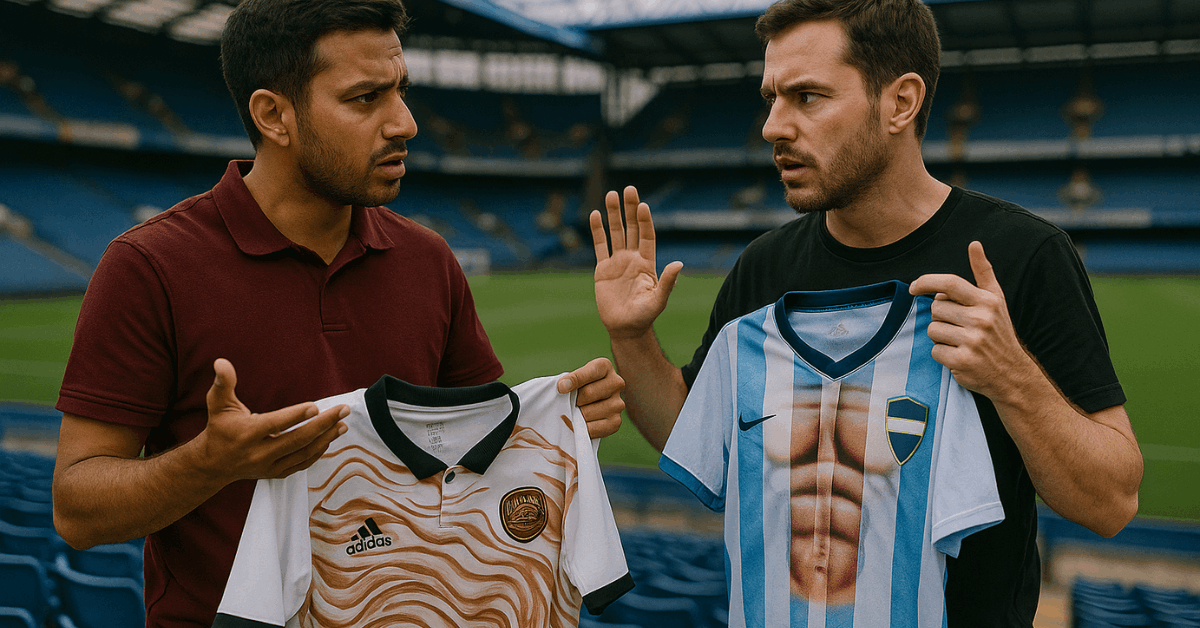
Every controversial kit has a reason behind its backlash. Some shirts shocked fans due to odd designs, while others carried messages that stirred political or cultural reactions.
Sponsorship conflicts also triggered anger when logos clashed with values. Understanding these reasons helps explain why certain shirts remain unforgettable.
Main Factors Behind Kit Controversy
Before exploring examples, it’s important to know the causes. Below are the most common triggers:
- Unusual designs that broke tradition or looked unattractive.
- Political or cultural imagery that divided opinions.
- Sponsor choices that conflicted with public values.
- Heritage breaks that disrespected club identity.
Historical Background of Kit Disputes
Controversy over shirts is not new. Early disputes appeared in the 20th century when teams experimented with design changes that upset fans.
The rise of sponsorships in the 1970s and 1980s added a new layer of tension. Since then, kit debates have only grown with media and social platforms amplifying reactions.
The Role of Sponsorship in Early Controversies
Sponsorship deals turned football shirts into advertising space. While profitable, this shift upset fans who valued tradition over branding.
Tobacco and alcohol sponsors in particular raised ethical questions. These early cases set the stage for modern controversies.
Club Kits That Caused Uproar
Club teams often face scrutiny when new designs appear. Some shirts are remembered for their beauty, while others are remembered for the wrong reasons.
Below are cases where clubs faced backlash for their kit choices. These examples show how quickly fans react when identity is at stake.
Manchester United’s “Invisible Grey” Kit – 1996
United’s grey away kit was blamed for poor visibility on the pitch. Players claimed they struggled to spot each other, leading to bad results.
Fans mocked the design as unlucky and uninspired. The shirt was abandoned mid-season, adding to its notoriety.
Chelsea’s Orange and Grey Away Kit – 1994–96
Chelsea’s away shirt combined orange with dark grey in a way many fans found unattractive. The unusual color scheme was criticized for clashing with the club’s tradition.
Supporters voiced strong disapproval during matches. Despite the criticism, the shirt remains memorable for its boldness.
Juventus Pink Kit Controversy
Juventus experimented with pink kits, reviving old historical links. Some fans embraced the change, while traditionalists saw it as disrespectful.
The debate highlighted the tension between innovation and heritage. Today, the pink shirts are remembered as bold but divisive.
Barcelona’s Half-and-Half Stripes – 2015–16
Barcelona broke tradition by mixing vertical and horizontal stripes. This drastic shift divided supporters worldwide.
Critics said it betrayed the club’s iconic design. The kit’s controversy made it one of the most talked-about shirts in modern football.
National Team Kits Sparking Debate
National teams face even stronger scrutiny because shirts represent entire nations. Design changes, cultural imagery, or regulation-breaking ideas often spark disputes. Below are some of the most notable cases in international football.
Mexico’s Aztec Calendar Jersey -1998 World Cup
Mexico’s bold green jersey featured an Aztec calendar design. Some praised it as a celebration of culture, while others found it overwhelming.
The shirt became iconic but divided opinion among players and fans. It remains one of the most memorable World Cup kits.
England’s Grey Euro 1996 Kit
England introduced a grey shirt during Euro 1996. Supporters called it dull and unlucky compared to traditional white.
Critics argued it lacked national identity. The kit was quickly forgotten by fans but remembered for controversy.
Cameroon’s Sleeveless Kits – 2002
Cameroon shocked the football world with sleeveless kits. FIFA banned the design, claiming it broke regulations.
Fans were split, with some loving the unique look and others calling it a gimmick. The dispute made the kit one of the most talked-about in history.
Croatia’s Bold Checkerboard Designs
Croatia’s red-and-white checkerboard designs have sparked debate for decades. Some fans love the bold identity, while others call it distracting.
The design remains iconic but continues to divide opinion. Its strong symbolism ensures it will always stand out.
Political and Cultural Symbolism in Shirts
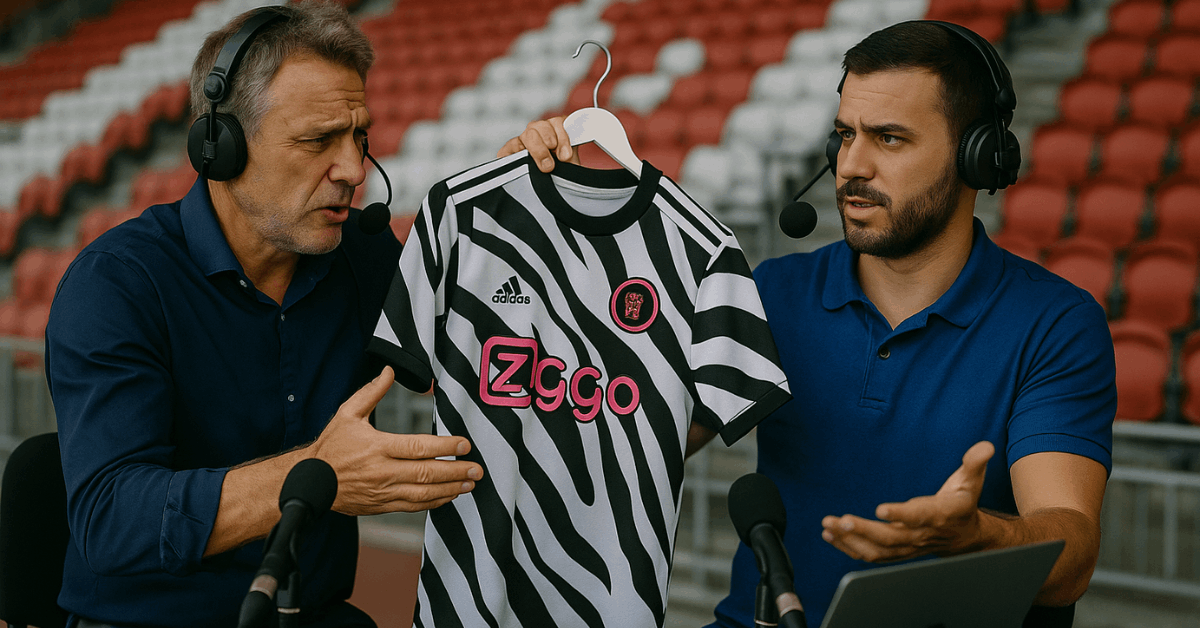
Kits often carry messages beyond sport. When designs include political or cultural elements, they can spark major debates. The following cases highlight how sensitive this issue can be.
Examples of Symbolic Disputes
Some shirts became controversial due to their imagery:
- Religious symbols that clashed with secular rules.
- Nationalist themes that divided international audiences.
- Sensitive historical references are included in patterns.
- Messages tied to political regimes that sparked boycotts.
Sponsorship and Commercial Disputes
Sponsors are a vital part of modern football, but they also cause disputes. Fans often feel that certain logos or industries should not appear on their team’s shirt. This tension has created some of the strongest debates.
Common Sponsorship Issues
Below are recurring sponsorship disputes:
- Tobacco and alcohol sponsors clash with youth appeal.
- Gambling companies criticized for promoting risky behavior.
- Corporate branding is overshadowing club identity.
- Government restrictions banning certain industries on kits.
Fan Reactions and Media Outrage
Fan opinions often decide whether a kit becomes accepted or hated. Media coverage can intensify these reactions. Some shirts that started as scandals later became popular because of the attention.
Types of Reactions Seen
Reactions usually take these forms:
- Stadium protests with banners or chants.
- Media ridicule through articles and commentary.
- Online backlash with memes and campaigns.
- Unexpected popularity after controversy increases attention.
Legacy of Controversial Kits
Controversial shirts don’t just disappear. Some become valuable collector’s items, while others influence future designs. The legacy of these kits proves that controversy can be both damaging and rewarding.
- Hated shirts turning into nostalgic favorites.
- Design risks inspire future creativity.
- Controversy boosts visibility for clubs and brands.
- Shirts are remembered as historical symbols of football culture.
Conclusion: Why Controversial Kits Matter?
The most controversial football kits in history show how deeply shirts connect with identity and emotion. These designs sparked arguments, bans, and even protests, yet they also became unforgettable symbols.
Some kits crossed lines of tradition, politics, or sponsorship, while others simply shocked fans. In the end, controversy ensures these shirts will never be forgotten in football history.