Collecting valuable items requires trust and transparency. Certificates of authenticity provide this assurance.
They validate that a collectible is genuine and protect both buyers and sellers. Without them, the entire collecting world becomes vulnerable to fraud.
Understanding Authenticity Certificates
Certificates of authenticity are official documents that confirm an item is genuine. They are used across different collectible markets.
Definition and Purpose
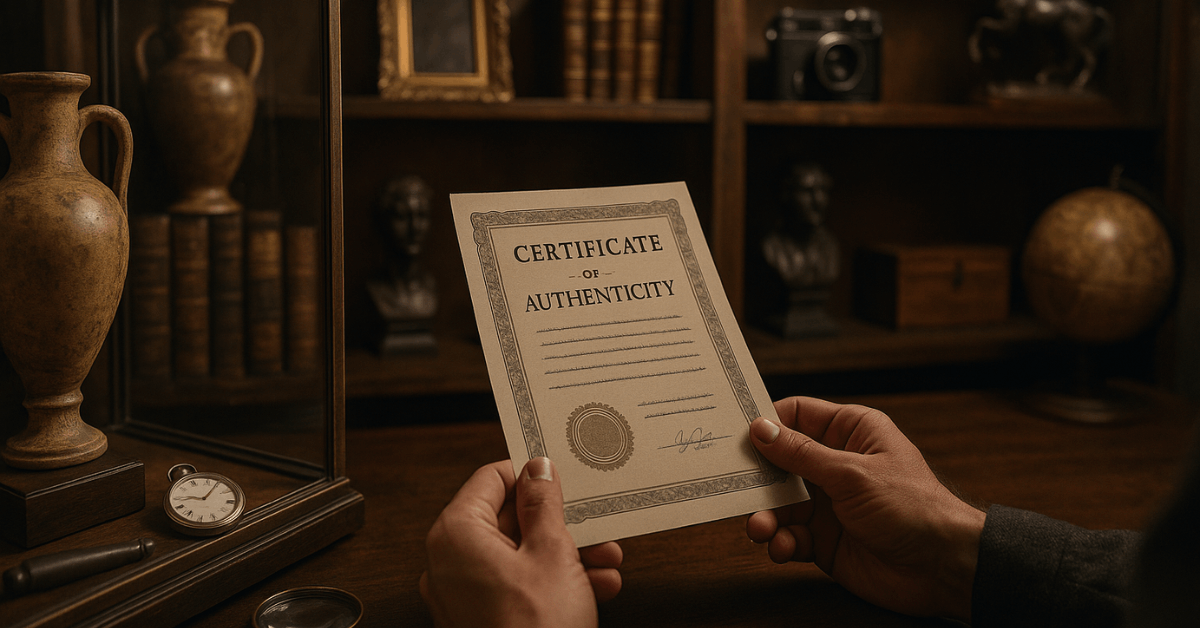
A certificate of authenticity (COA) is a document that proves the originality of an item. It is issued by recognized experts or institutions.
The purpose is to prevent forgeries and maintain trust between buyers and sellers. Without a COA, many collectibles lose significant value in the marketplace.
Key Features Found in Certificates
Every certificate contains essential details. These details assure collectors that the certification is reliable.
- Name of Issuing Authority – Identifies who verified the item.
- Item Description – Lists specific characteristics of the collectible.
- Serial Number or Registration Code – Tracks the item for records.
- Signature or Seal – Shows authenticity of the certifier.
Importance in Different Collectible Markets
Certificates play a role in multiple industries. Their application varies depending on the type of collectible.
Artworks and Paintings
Art is one of the most common fields for forgeries. Certificates protect collectors from costly mistakes.
They provide provenance and link the artwork to its creator. Museums and auction houses often refuse to handle works without valid certificates.
Sports Memorabilia
Signed jerseys, balls, and photos are highly collectible. Certificates prove that signatures are real and not mass-produced.
They give fans peace of mind when buying valuable sports pieces. Professional leagues now use hologram systems to strengthen authentication.
Coins and Stamps
Coins and stamps are prone to counterfeiting due to their small size. Certification provides grading standards recognized worldwide.
Items with grading certificates often command higher resale prices. Collectors prefer items authenticated by reputable grading firms.
Luxury Items and Watches
The luxury market is full of replicas. Certificates help distinguish originals from copies.
Insurance providers also require certificates before covering expensive watches or jewelry. Without certification, luxury items may be rejected in resale markets.
How Certificates Influence Value?
Certificates increase buyer confidence. They also drive higher market value.
Enhancing Market Value
A certified item always stands out. Buyers are willing to pay more because risk is reduced.
For example, a signed photo with a COA can be worth twice as much as one without. Certificates often make the difference between interest and indifference at resale.
Resale and Auctions
Major auction houses set strict rules on authenticity. They demand certificates before accepting consignments.
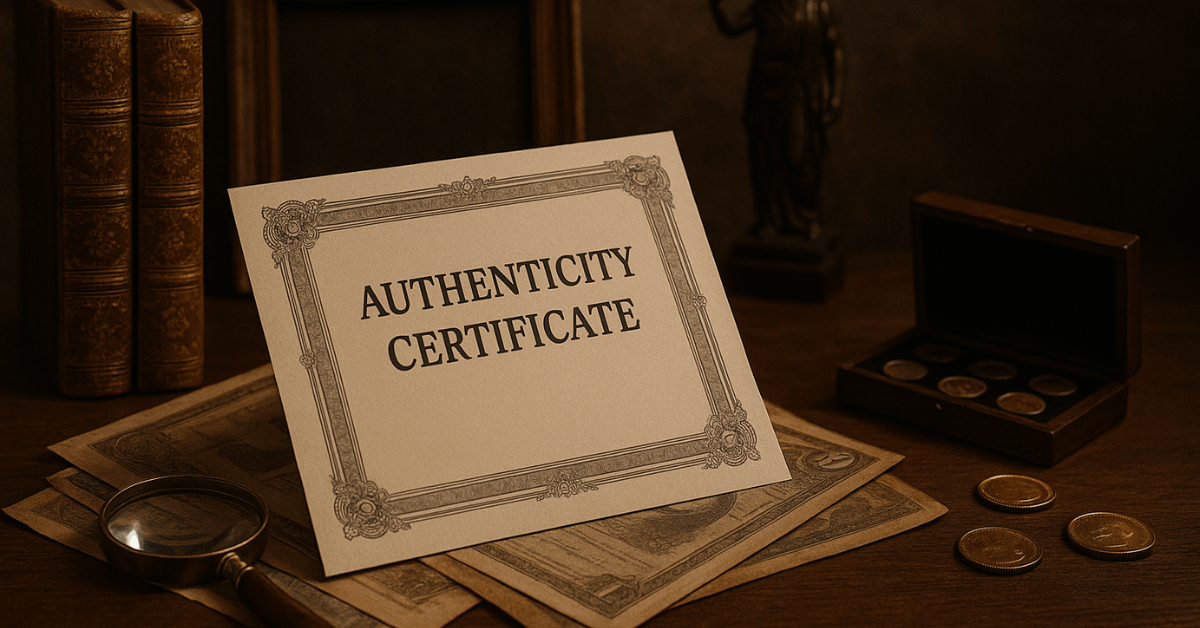
Collectors with COAs find it easier to sell their items in competitive auctions. Certificates act as tickets to access premium marketplaces.
Risks Without Certificates
Uncertified items bring serious risks. Collectors must recognize these dangers.
Financial Risks
The most obvious risk is overpaying. Fake items often look convincing but are worthless without proof.
When discovered, they lose almost all value. Collectors also struggle to resell uncertified items.
Legal and Ethical Risks
Selling counterfeits, even unknowingly, can result in lawsuits. Certificates protect you from being accused of fraud.
They also maintain your reputation in collecting communities. Without certificates, disputes become harder to resolve.
Authentication Process
Certificates follow a careful process. Collectors should know how it works.
Who Issues Certificates
Certificates are issued by experts in specific fields. For art, foundations or galleries may provide them.
In sports memorabilia, companies like PSA or JSA are trusted. For coins, international grading firms dominate.
Methods of Authentication
The process often involves several techniques. Experts conduct visual inspections to detect flaws.
Scientific tools like ultraviolet light or chemical tests may be used. Provenance checks trace the history of the collectible.
Collectors’ Responsibility
Certificates are important, but you also have duties. Collectors must confirm certificate reliability.
How to Verify a Certificate
Check who issued the certificate. Reliable issuers are transparent and traceable. Always verify serial numbers against official databases. Collectors should also cross-check item details with independent records.
Red Flags in Fake Certificates
Some certificates are forged. Be cautious if the paper quality is poor or if seals look printed.
Missing registration codes are another warning sign. Vague descriptions usually indicate questionable validity.
Preservation of Certificates
Certificates themselves hold value. They should be preserved with care.
Physical Preservation
Certificates are vulnerable to damage. Store them in acid-free sleeves. Avoid exposure to sunlight, moisture, or fire hazards. Protecting them ensures long-term credibility of your collection.
Digital Records
Digital storage provides backup. Scan all certificates and keep copies in secure drives.
Some registries allow online verification using scanned codes. Maintaining digital files helps during insurance claims or resale.
Insurance and Legal Protection
Certificates are essential in financial and legal matters. They serve as proof of ownership.
Insurance Claims
Insurance companies demand evidence before approving claims. Certificates make the process faster.
They confirm both ownership and value. Collectors without COAs face more obstacles when filing claims.
Legal Disputes
Courts often rely on documentation. Certificates can serve as legal evidence in ownership battles.
They help establish rightful possession of rare items. In disputes, having a COA is a major advantage.
The Growing Market for Certificates
Authentication itself is an industry. More services are being developed.
Third-Party Grading Services
Independent grading is common in trading cards and coins. Companies like PSA, Beckett, and NGC set international standards.
Their services are trusted by buyers worldwide. These companies also provide population reports that show rarity levels.
Blockchain and Digital Certificates
Digital certificates are gaining traction. Blockchain makes them tamper-proof. Collectors can trace ownership history easily. NFTs and blockchain technology will expand authentication in coming years.
Costs and Limitations
Certificates are valuable but not perfect. Collectors should understand both aspects.
Cost of Certification
Certification often requires payment. Fees vary depending on item type and market value.
Some services charge per item, while others base fees on appraisal value. Collectors must weigh cost against potential resale benefits.
Limitations of Certificates
Certificates are not infallible. Mistakes happen, and fraudulent certificates exist. A COA is strong proof but not an absolute guarantee. Collectors should combine certificates with independent research.
Tips for New Collectors
New collectors often rely heavily on certificates. Practical habits strengthen your confidence.
Always Request Certificates
Never purchase valuable collectibles without a COA. Certificates add instant credibility.
Even small purchases benefit from proof of authenticity. Developing this habit prevents costly mistakes.
Research the Issuer
Not all issuers are equal. Some companies are respected, while others lack trust. Research each issuer before relying on their certificates. Choose organizations with global recognition.
Compare Market Prices
Check if prices align with certification. Items priced too low may signal trouble. Market comparison ensures fair deals. Certificates alone should not blind you to suspicious offers.
Keep Records Organized
Maintain both physical and digital files. Organizing certificates avoids loss or confusion.
Group items by category for easier tracking. Proper records make your collection more professional.
Future of Authenticity in Collectibles
The industry continues to evolve. Certificates will adapt with technology.
Technology Integration
AI tools are being developed to detect fakes. Digital fingerprints help in recognizing originals.
Blockchain allows secure, global verification. Future collectors will likely rely more on digital solutions.
Global Standardization
International groups push for unified rules. Standardization will simplify cross-border trades.
Collectors will benefit from consistent authentication systems. A global approach will also reduce fraud worldwide.
Interest Rates and Financing for Collectors
Financing plays a growing role in collecting. Certificates influence credit options.
Bank Loans and Certificates
Banks sometimes accept certified collectibles as collateral. Interest rates depend on item authenticity.
Certified items carry lower risk, leading to better loan terms. Uncertified items rarely qualify.
Collector Credit Cards
Some credit cards focus on art and luxury purchases. Certificates help when disputing fraudulent charges.
They also provide security for lenders financing expensive items. Collectors gain both credit and protection benefits.
Contact Details for Authentication Bodies
Collectors need trusted references. Several organizations provide reliable certification.
Art Authentication Foundations
Art foundations verify paintings, drawings, and sculptures. They maintain archives of artist records.
Trusted names are usually linked with artists’ estates. Their involvement strengthens value.
Sports Memorabilia Certifiers
PSA and JSA dominate the sports market. Their hologram and tracking systems ensure trust.
Collectors worldwide recognize their certificates. These companies are crucial for autograph verification.
Coin and Stamp Grading Companies
NGC and PCGS certify coins with standardized grading. Stamp collecting relies on organizations like PSE.
These bodies provide international recognition. Certificates from them are essential for serious investors.
Luxury Brand Authentication Services
Luxury items require brand-specific experts. Companies provide verification for handbags, watches, and jewelry. Many brands also issue their own certificates. Collectors often combine both sources.
Final Thoughts – Always Protect Your Collection
Certificates of authenticity safeguard your investments. They build trust in collecting markets and increase resale value.
Collectors who ignore them risk financial loss and legal trouble. Protect your collection by demanding certificates and keeping them safe.