Smart buyers compare official items vs. replicas using three filters: legality, lifecycle value, and risk.
Counterfeits and close copies now touch nearly every category, from fashion to furniture to toys.
OECD researchers estimate that trade in counterfeit and pirated products reached about 3.3% of world trade using 2016 data, underscoring a persistent, global problem that affects consumers and brands alike.
Definition And Core Differences
Making clear distinctions prevents expensive mistakes and avoids legal exposure. Replica goods imitate the look and general function of well-known items yet typically avoid using the exact trademark.
Counterfeit goods intentionally misuse another party’s trademark and branding to pass fakes as genuine, which triggers liability in many jurisdictions.
Confusing these categories leads to poor purchase decisions and complicates returns, resale, and warranty claims.
What Counts As A Replica
Replica goods are “look-alike” products that acknowledge the inspiration and do not use the authentic brand’s protected marks.
Designs, colors, and features may track the original closely, yet logos, labels, and packaging are altered or omitted.
Markets often treat replicas as legally gray because infringement hinges on specific marks, confusing similarity, and how sellers present the item.
What Counts As A Counterfeit
Counterfeit goods misuse a protected mark or substantially identical packaging to deceive buyers about origin.
United States law criminalizes trafficking in counterfeit goods under 18 U.S.C. §2320, with fines and potential imprisonment that escalate for repeat offenses or where injury occurs.
Key Legal Distinction
Intent and presentation drive the divide. Counterfeits aim to pass as authentic and therefore violate intellectual property rights, while replicas try to mimic style without identical marks.
In practice, many “replicas” slip into infringement once similarities and marketing claims confuse reasonable consumers.
Global Impact And Legal Landscape
Growing online trade, fast logistics, and social media demand spikes have expanded the scale and speed of fake-goods distribution.
Enforcement bodies report harmful products across pharmaceuticals, automotive parts, toys, cosmetics, and food, raising safety stakes beyond luxury fashion.
Several legal developments illustrate how governments are tightening protection while warning consumers about safety and fraud.
Global Trade Share
OECD estimates show counterfeit and pirated products equaled up to 3.3% of world trade based on 2016 data, with clothing, footwear, and leather goods highly exposed.
Later OECD updates emphasize rising hazards in everyday categories and continued expansion into new sectors.
United States Law
Under 18 U.S.C. §2320, trafficking in counterfeit goods carries severe penalties, including multi-million-dollar fines and imprisonment, with higher statutory maximums for repeat offenses or serious harm.
United Kingdom Design Copyright Shift
UK reforms repealed section 52 CDPA, aligning protection for industrially manufactured artistic works to life of the creator plus 70 years, ending the previous 25-year limit for such works.
Transitional orders in 2016–2017 implemented the change and phased out old stock allowances. This materially affects furniture and lighting “replicas” that copy artistic works by long-deceased designers.
Risks To Buyers And Brands
Safety and quality problems surface frequently because counterfeit supply chains bypass standards and compliance testing.
OECD analysis links counterfeit products to increased health and safety risks, while recent UK data on toy seizures highlighted high failure rates for chemical and choking hazards.
Brands suffer lost revenue, damage to their reputation, and costly enforcement cycles, while buyers face unsafe materials, voided warranties, unreliable after-sales support, and potential customs seizure or destruction.
How To Evaluate Authenticity Without Guesswork
Effective verification blends price realism, documentation, material inspection, and channel validation.
Sellers who encourage off-platform payment or refuse basic documentation increase risk dramatically. Careful, repeatable checks prevent impulse mistakes during promotions or social-media-driven hype.
Price And Source Signals
Deep discounts on current-season or scarce pieces deserve scrutiny. Consistent market pricing across authorized dealers signals authenticity, while anonymous storefronts and one-day “clearances” suggest online marketplace risks.
Documentation And Markings
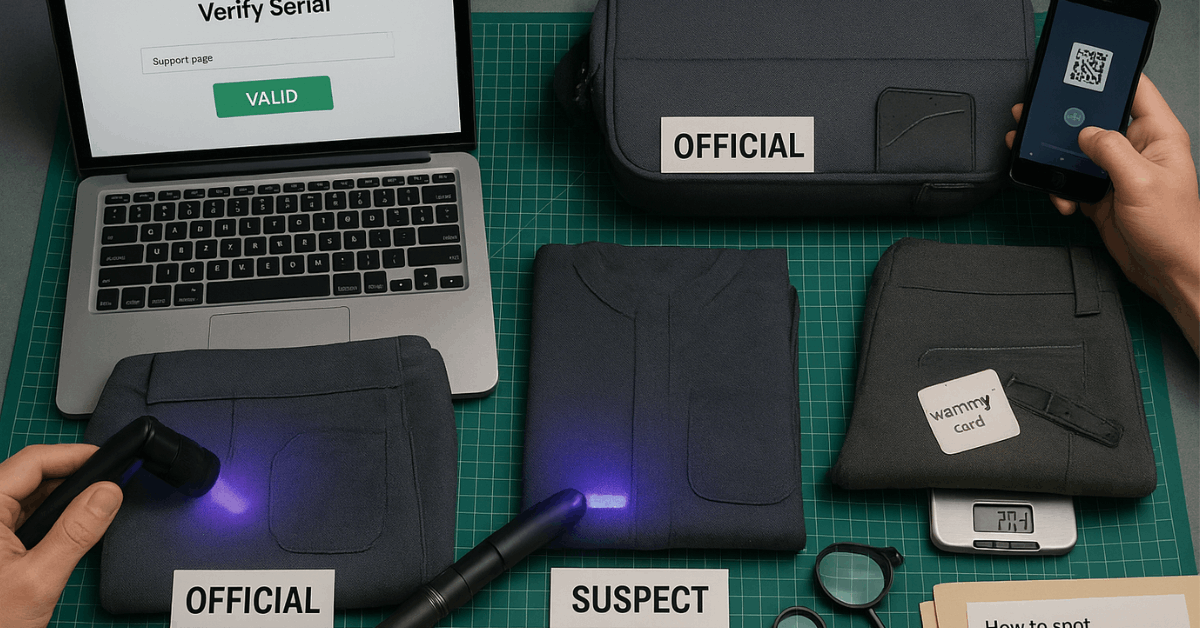
Certificates, serials, warranty cards, tamper labels, and invoices help, yet sophisticated counterfeits can forge paperwork.
Matching serials to maker databases and cross-checking purchase invoices reduce errors. Packaging accuracy, label typography, and correct safety marks (for example, CE or UKCA on toys) add corroboration.
Material And Build Checks
Weight, stitching density, hardware finishing, joinery, coatings, and electronics firmware versions provide evidence. Differences appear in glue use, lining materials, fastener tolerances, and colorfastness under light or abrasion.
Channel Verification
Authorized dealer locators and brand support teams can authenticate from photographs or purchase metadata in some categories. When legitimate, that route beats crowd opinions and protects return rights.
When Replicas Are Legal And When They Cross The Line
Style-inspired products that avoid protected marks may be lawful in some markets, yet confusion is the test many courts apply.
A “replica vs fake” listing that borrows a designer name in the title, uses studio images of the authentic product, or imitates trade dress closely can tip into infringement.
Furniture exemplars illustrate the point in the UK and EU, where revived design copyright UK rules now protect many mid-century icons for decades, making close copies risky for sellers and importers.
Practical Buying Scenarios: Furniture, Fashion, And Tech
Design furniture offers clear lessons. Classic chairs or lamps sold far below normal dealer pricing usually reveal compromises in materials, finishes, and safety; enforcement has intensified since the UK copyright term extension.
Fashion goods show the sharpest divide between authentic vs counterfeit because trademarks sit at the core of the purchase decision, after-sales service, and resale value.
Consumer electronics introduce firmware and charger safety variables, where uncertified components create fire or shock hazards and undermine insurance coverage. OECD and standards-body alerts repeatedly stress that hazardous fakes appear in everyday categories, not just luxury niches.
Online Enforcement And Brand Protection
Digital distribution widened reach for fakes, yet it also created better data for rights holders. Monitoring, interdiction, and education work together when applied consistently across marketplaces and social platforms.
Platform Monitoring
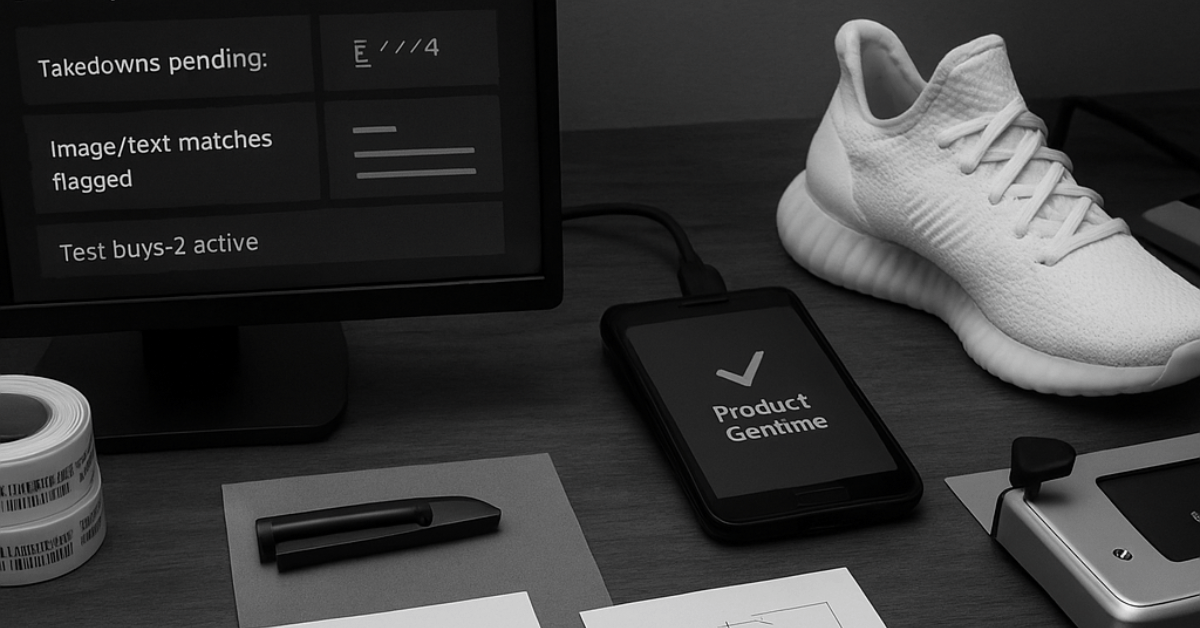
Rights holders deploy brand protection strategies that scan listings, images, and metadata to flag misuse at scale. Image matching, keyword heuristics, and seller-behavior scoring accelerate takedowns while preserving evidence for escalations.
Customs Interdiction
Seizures at ports and hubs remove bulk shipments efficiently, but counterfeiters quickly adapt routing and labels.
Partnerships among brands, customs, and law enforcement remain essential to maintain momentum as counterfeiters shift modes and origin points.
OECD reporting and enforcement casework show gains yet highlight continued volume and diversification.
Education And Design Updates
Public awareness campaigns urge buyers to verify safety marks and avoid suspicious pricing, while publishers of iconic designs refresh finishes and materials without altering authorship.
UK authorities recently warned about unsafe toy fakes, reinforcing the importance of recognized conformity marks and legitimate retail channels.
Conclusion
Authenticity concentrates value through lawful ownership, safer materials, warranty coverage, service options, and credible resale demand.
Replicas may satisfy short-term décor needs, yet lifecycle costs rise through faster wear, limited support, legal uncertainty, and poor resale prospects. Savvy buyers weigh official items vs. replicas using verified documentation, authorized channels, and realistic pricing to protect budgets and health.
When in doubt, how to spot replicas checklists, dealer verification, and patient sourcing deliver better outcomes than gambling on “too good to be true” offers.