Serious collectors track headline prices to understand where the market is going and what stories drive demand. This guide surveys the record-setters and explains why they command attention across museums, auction rooms, and private collections.
It also uses verified results from trusted sources to keep the claims grounded in fact and context.
If you are researching the most expensive football items ever sold at auction, the entries below provide reliable benchmarks and a clear framework for valuation.
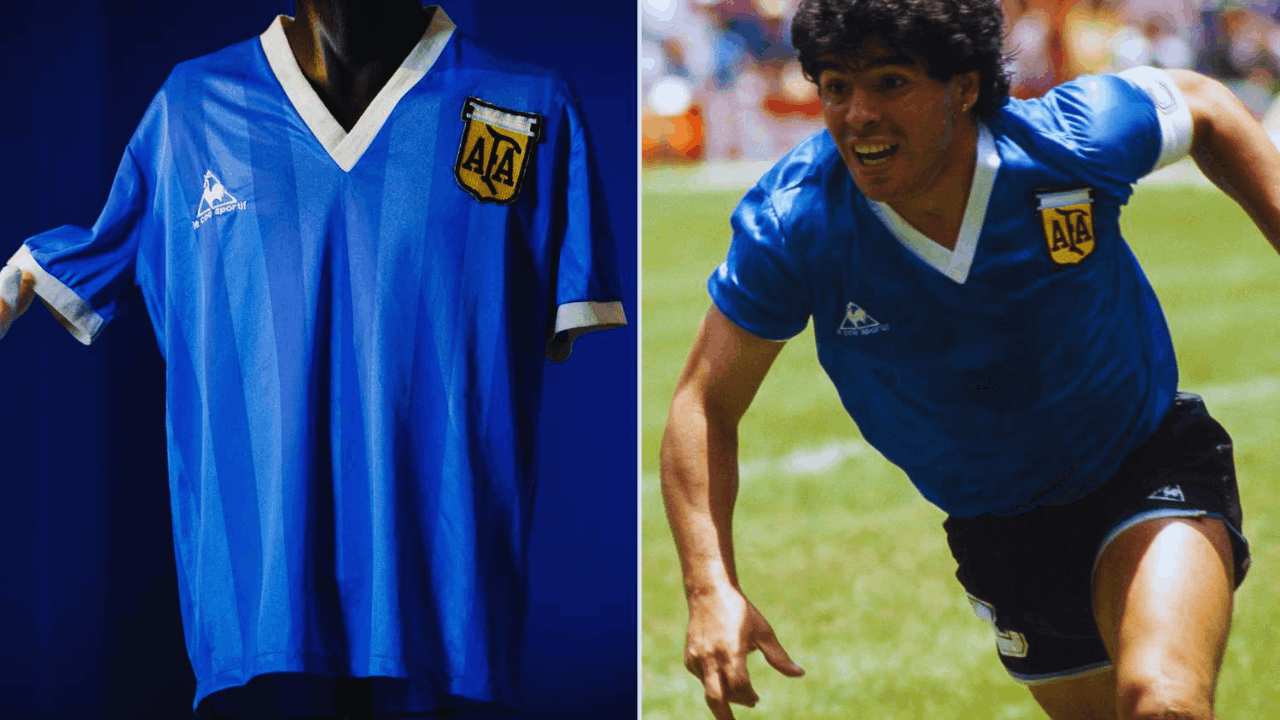
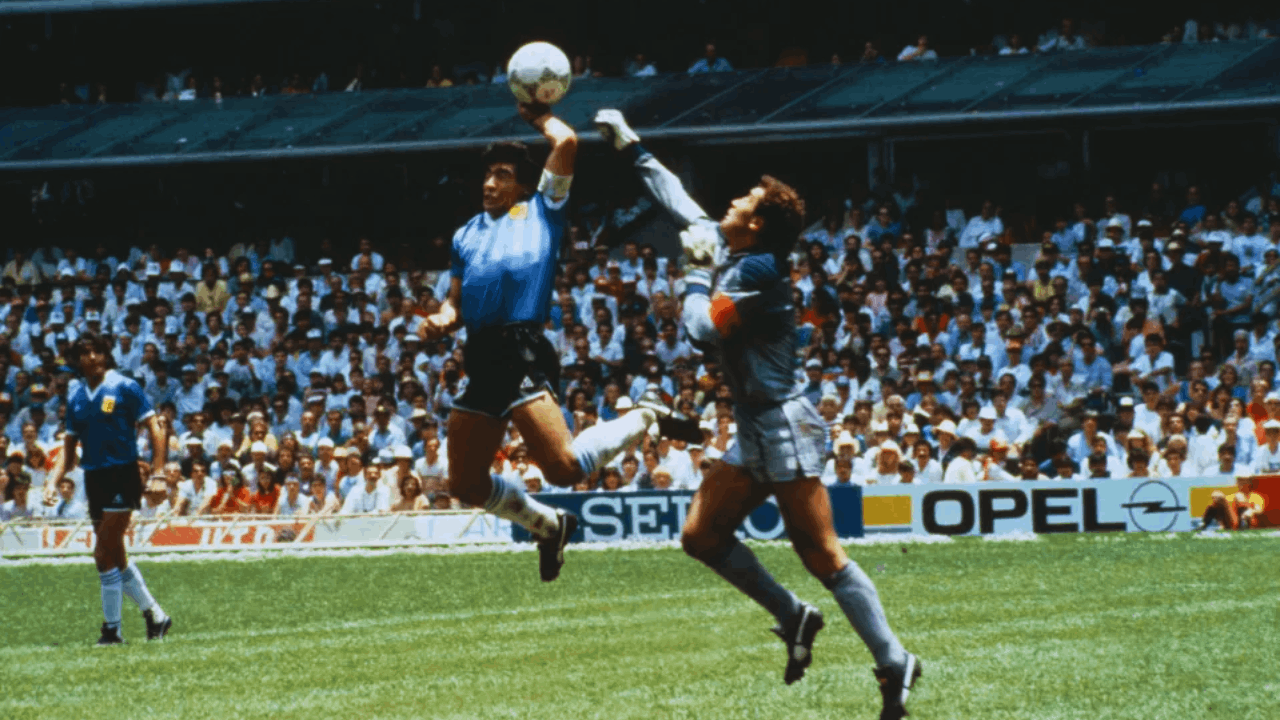
Diego Maradona’s 1986 “Hand of God” Shirt — About £7.1 million
Sotheby’s sold the Argentina No. 10 shirt worn by Diego Maradona against England at the 1986 World Cup, a match that produced both the “Hand of God” and the “Goal of the Century.”
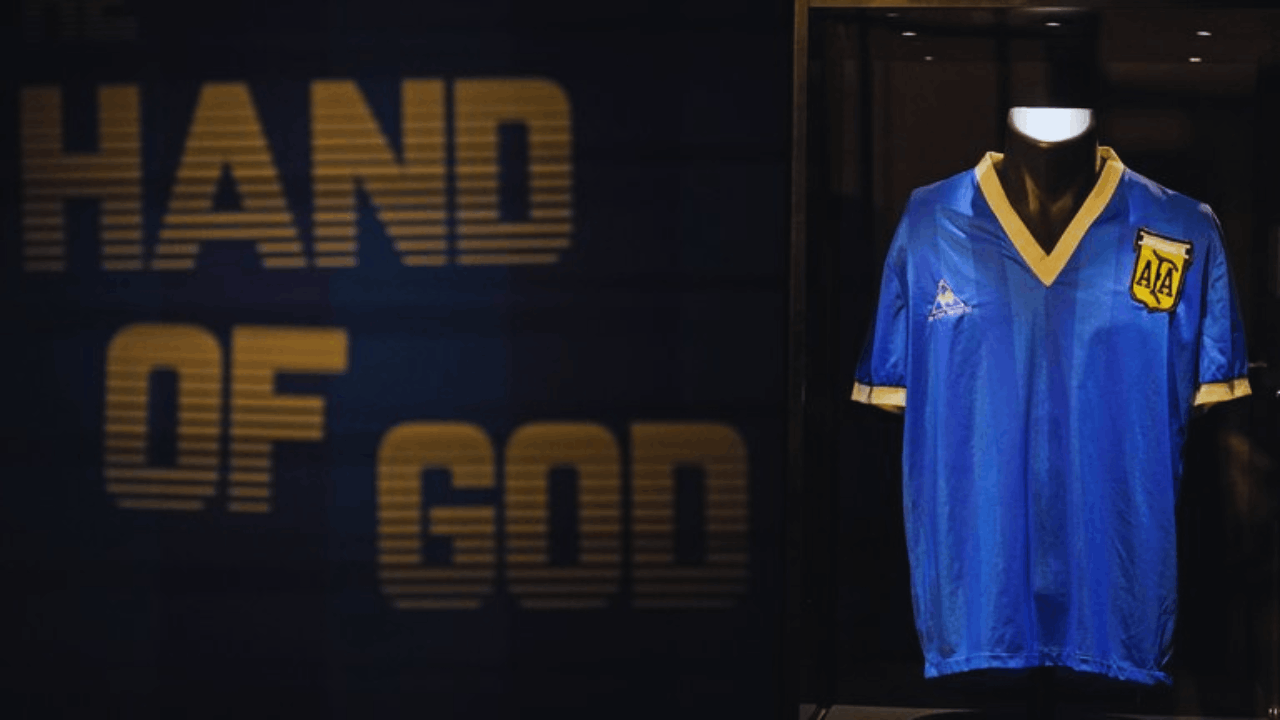
The result, confirmed by multiple reputable outlets, set the all-time auction record for a football shirt and a landmark for football memorabilia overall.
The price underscores the cultural reach of that quarterfinal and the global resonance of Maradona’s performance. It remains the reference point for match-worn football items.
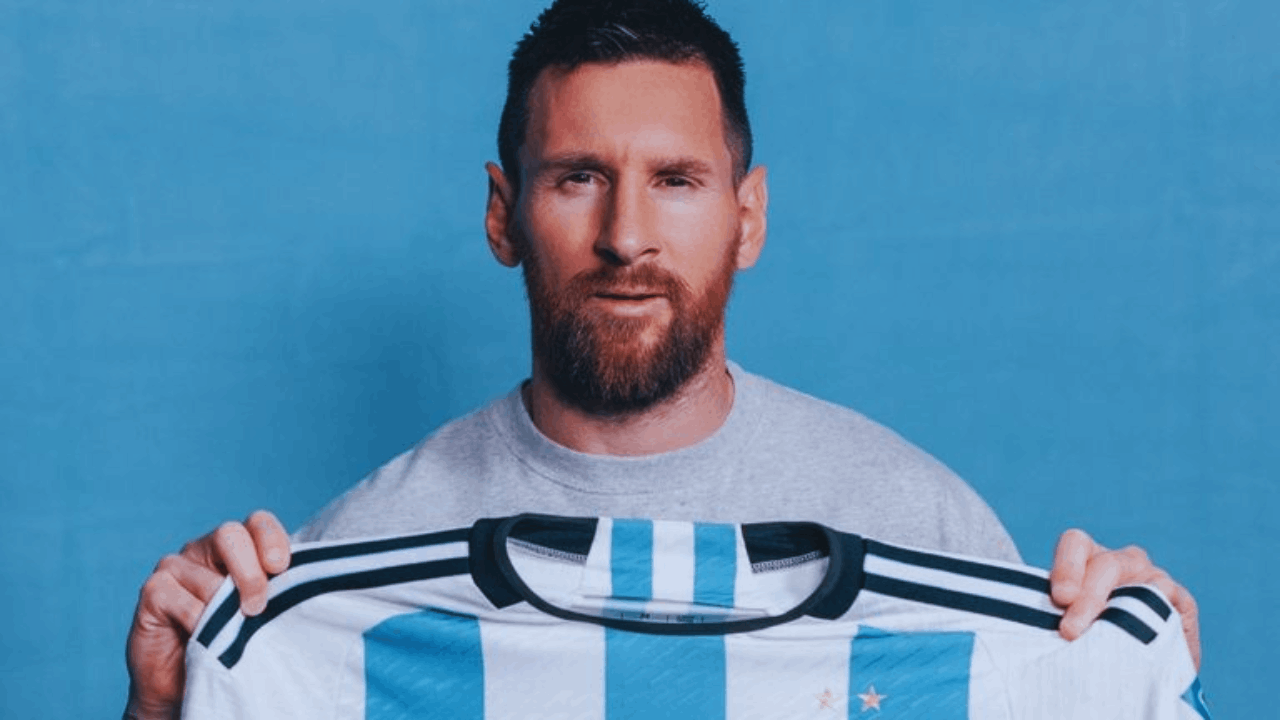
Lionel Messi’s 2022 World Cup Set of Six Match-Worn Shirts — $7.8 million
Sotheby’s New York sold six shirts worn by Lionel Messi during Argentina’s title run in Qatar, including one from the final.
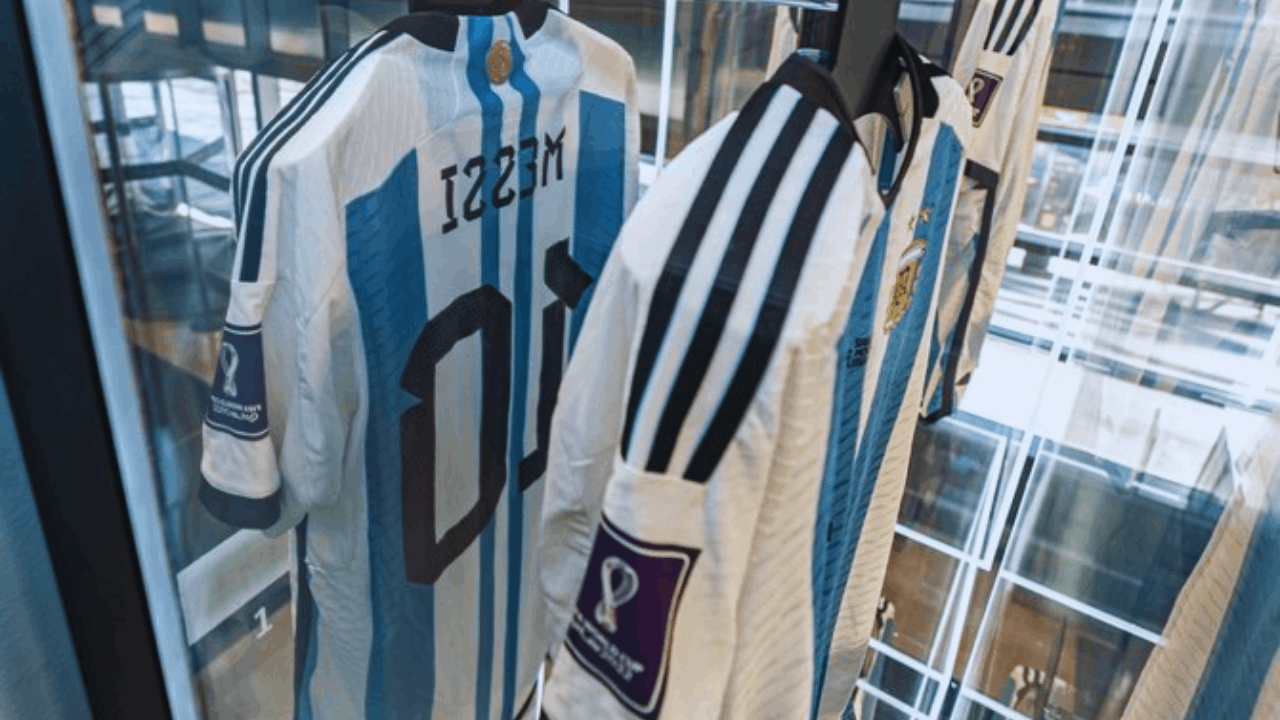
The lot drew three high-value bids and closed at $7.8 million with premium, establishing a modern benchmark for a set tied to a single tournament narrative.
It demonstrates how an authenticated ensemble can rival the value of one famed, singular artifact. The sale also signals persistent global demand for contemporary legends with museum-grade documentation.
The 1986 “Hand of God” Match Ball — Nearly $2.4 million
The ball from the same Argentina-England quarterfinal was consigned by the referee and sold for nearly $2.4 million.

This is a rare case where a single object embodies two of the sport’s most discussed moments from one match.
Because the ball is a match-used artifact with direct chain-of-custody provenance, it sits at the top of the non-shirt category. It also shows how narrative plus documentation can propel non-wearable items into seven figures.
Sheffield FC’s 1858–59 Printed Rules — £881,250
Sotheby’s sold the world’s oldest known printed football rules from Sheffield FC’s archive, a foundational document predating the Football Association’s consolidated code.
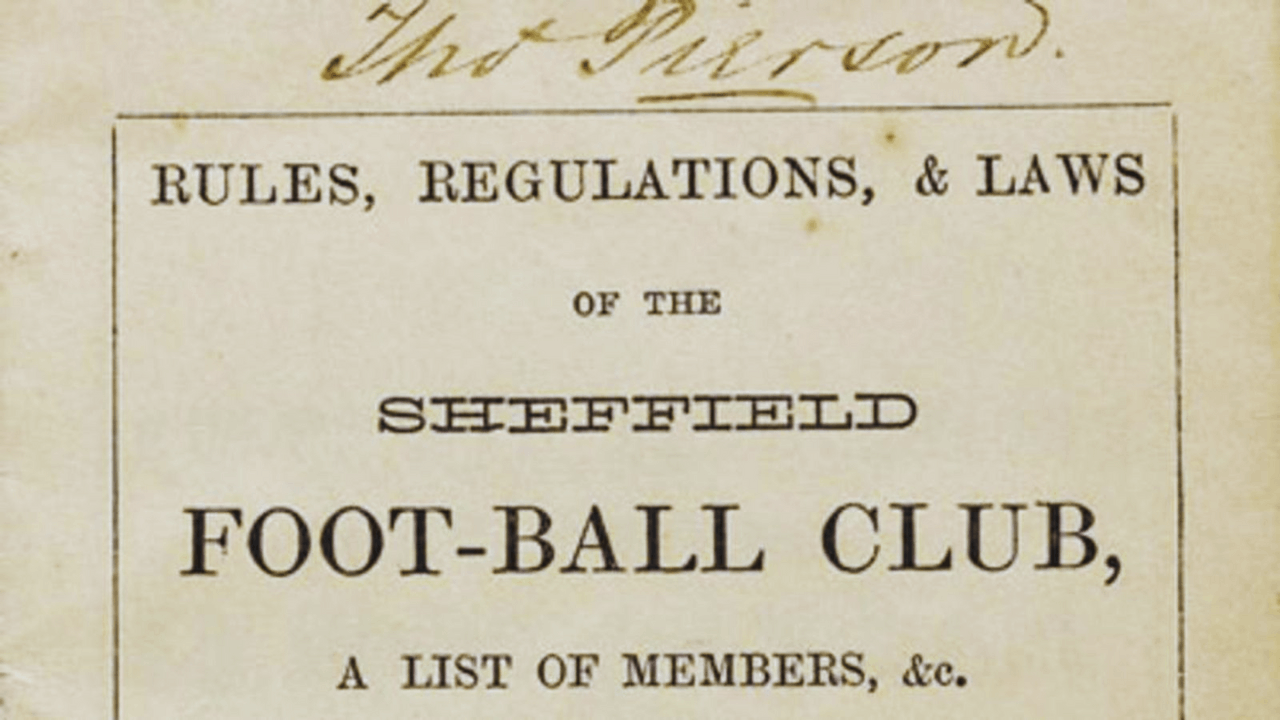
Reuters reported the £881,250 price, which positions ephemera and early governance material alongside elite match-used objects in value terms.
The result proves rulebooks and early paperwork can anchor record lists when the historical significance is clear. For scholars and collectors, it is a reminder that paper can be as powerful as fabric.
The Oldest Surviving FA Cup Trophy (1896–1910) — £760,000
Bonhams sold the second-edition FA Cup, used from 1896 to 1910, for £760,000 in 2020, and confirmed the result in a post-sale release.
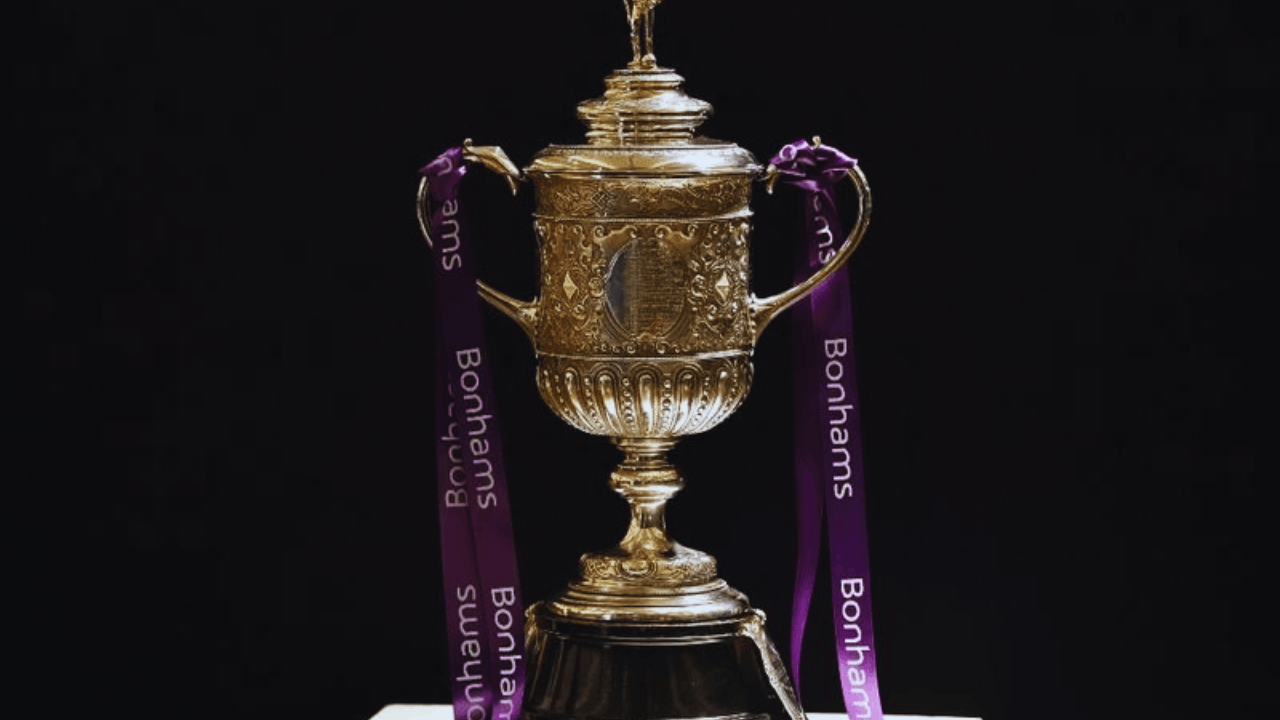
The cup subsequently entered a prominent private collection before being loaned back for public display, illustrating how elite artifacts often circulate between museums and stewardship owners.
Historically, this trophy had already set a football memorabilia record at £478,400 when sold in 2005. The new higher watermark shows that iconic silverware can appreciate as institutional interest and provenance consolidate.
Pelé’s Replica Jules Rimet World Cup Trophy — £395,000
In 2016, a special presentation replica of the Jules Rimet trophy from Pelé’s personal collection realized £395,000 at a dedicated sale of his memorabilia.

Major outlets recorded the figure and contextualized it within a broader liquidation of museum-quality pieces from the three-time World Cup winner.
While not a match-used item, its direct connection to Pelé and to the World Cup’s most storied era drove bidding. The price highlights how star provenance can elevate even commemorative objects.
Nobby Stiles’ 1966 World Cup Winner’s Medal — £188,200
Manchester United purchased Stiles’ 1966 medal for the club museum, paying £188,200 at auction.

The transaction helped set an early ceiling for World Cup medals and anchored later sales of 1966 material.
Club acquisition for public display also shows how institutional buyers shape price discovery. For medal collectors, it remains a clean landmark with clear ownership history and purpose.
Pelé’s 1970 World Cup Final Shirt — £157,750
Before modern mega-results, Pelé’s 1970 final shirt set a then-record for a football jersey at £157,750 in 2002.
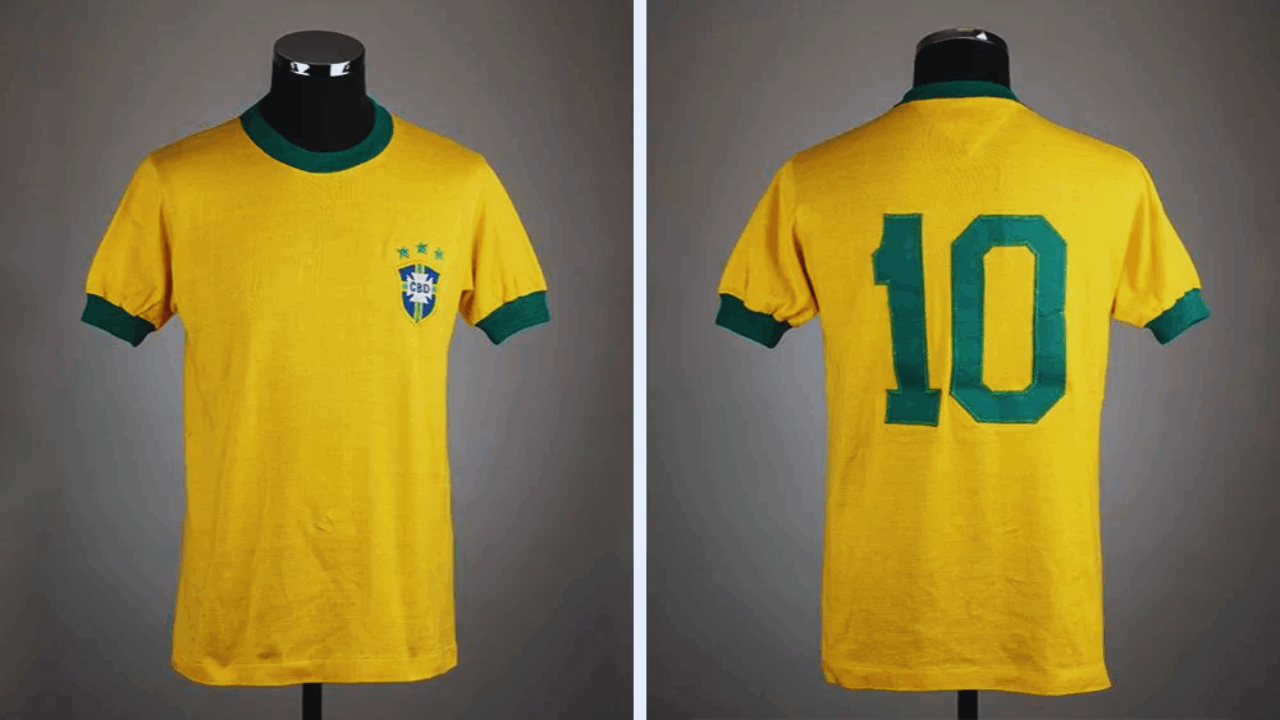
The sale’s significance is historic as much as financial, marking an early moment when match-worn football apparel entered six-figure territory.
It laid groundwork for later record sprints by showing what an iconic match and an undisputed legend could command. Two decades later, prices at the top end have multiplied many times over, but this auction remains a pivot in memorabilia history.
Zinedine Zidane’s 1998 World Cup Final Shirt — Around €100,000
Zidane’s 1998 final material has crossed the block in several forms, with a match-prepared and signed example bringing around €100,000 in a publicized 2016 sale.
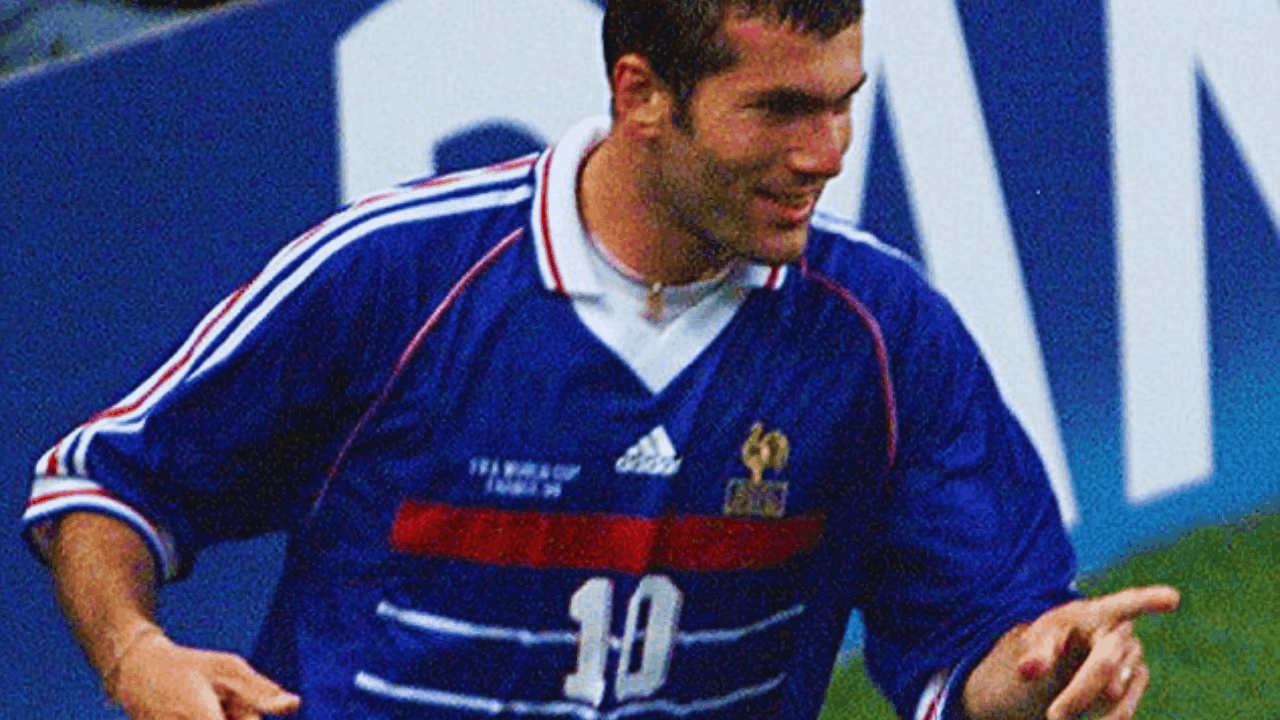
Different shirts and preparation statuses understandably land at different points in the range, but the headline shows enduring appetite for France’s first World Cup triumph and Zidane’s two-goal masterpiece.
As documentation standards tighten, clarity around “prepared” versus “worn” remains central to valuation. Even so, the 1998 final cachet keeps items in sustained demand.
Cristiano Ronaldo’s 2013 Ballon d’Or Replica — €600,000 (Charity Sale)
In 2017, a replica of Ronaldo’s 2013 Ballon d’Or was auctioned for charity, achieving €600,000 via a high-profile London gala.

Although a fundraiser and not a standard sports-memorabilia sale, reputable outlets documented the result, and it is often cited when discussing expensive football artifacts.
The price reflects the crossover appeal of global superstars and the premium that philanthropic events can command. It also shows how “trophy-adjacent” objects, when tied to a player of Ronaldo’s stature, can push into top-ten territory.
How Records in Football Memorabilia Are Set
Auction records in football memorabilia typically combine historical significance, scarce supply, and third-party verification.
Match-worn provenance or a direct link to an epochal moment amplifies interest well beyond team loyalties.
Public, photo-rich catalogs and post-sale archives let buyers and sellers compare like-for-like, which stabilizes pricing over time. When a result resets expectations, it usually reflects years of documentation work, not just hype.
What Counts as “Most Expensive”
Lists sometimes mix different object types, from match-worn shirts to trophies, balls, and foundational documents.
For transparency, each item identifies its medium, the sale date, and the official or widely trusted source for the realized price.
Results include buyer’s premium where reported since that is how auction houses present record totals. Ordering is by price in approximate descending terms to help you gauge the market’s upper tiers.
Why These Results Matter to Collectors
Putting exact figures next to precise objects helps buyers and sellers avoid wishful pricing. It also clarifies how different categories—match-worn shirts, match balls, trophies, rulebooks, and medals—perform relative to one another.
The highest outcomes almost always attach to moments with documented cultural reach that extends beyond club or country.
When an item has ironclad provenance and connects to a story known worldwide, the market tends to reward it decisively.
Interpreting the Gaps Between Categories
Shirts worn in decisive World Cup matches tend to outpace everything else because they merge star power, national mythology, and photographic corroboration.
Match balls from famous games follow when custody can be proven to the moment of use. Foundational documents like rulebooks sit apart but compete on sheer historical significance that appeals to museums and scholars.
Trophies and presentation objects bridge history and display value, with results reflecting both narrative and artistry.
Conclusion
The peaks described here show how football memorabilia converts cultural memory into verifiable, tradable artifacts.
For anyone tracking the most expensive football tems ever sold at auction, these ten landmarks offer a trustworthy baseline and a practical lens for what could come next.