Collectors and fans often want a reliable way to judge signed items without relying on guesswork.
This guide explains how to evaluate the value of autographs from famous players, using a clear framework that blends authenticity, provenance, context, and market data.
You will learn which signals matter most, how to verify them, and where valuation mistakes usually happen. By the end, you will know how to turn scattered clues into a defensible price range that buyers and sellers can trust.

What Really Drives Autograph Value
Valuation begins with authenticity and then expands to the medium, condition, rarity, and story. A genuine signature on a desirable object will normally outrun a perfect pen stroke on an unremarkable surface.
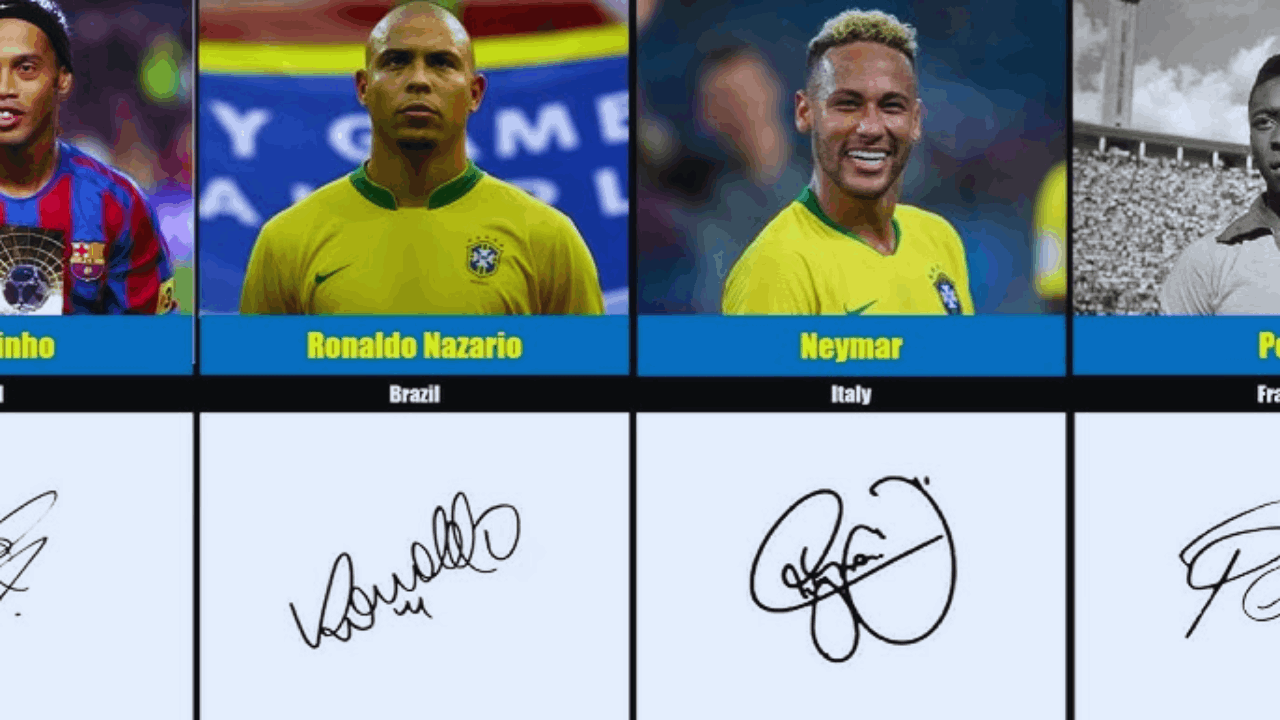
Price also reflects demand cycles driven by career milestones, documentaries, or anniversaries. The more these factors align, the stronger the result and the more stable the value over time.
Autographs live inside markets that reward clarity and punish uncertainty. If an item’s identity, date, and use are well documented, interest widens quickly beyond a player’s core fan base.
Conversely, vague histories or poor images push buyers to discount or pass. Treat the evaluation as a chain in which the weakest link sets the ceiling.
Authenticity and Format
Authentication is the first gate because every later decision depends on it. Independent opinions with documented methods, exemplar images, and serial-numbered records reduce uncertainty and friction.
The format then amplifies or limits demand, with jerseys, balls, and high-quality photographs generally outpacing paper slips. Match-worn or event-used items can multiply value, but only when evidence proves use and date beyond doubt.
Condition and Rarity
Condition covers the object and the signature, from fading and smudges to creases and repairs. Neutral lighting and high-resolution photos help document reality, while archival materials protect value after acquisition.
Rarity is meaningful only when it is explainable and verifiable, such as limited signings or short-run issues. Years of organized signings, by contrast, keep supply high and prices moderate even for beloved stars.
Provenance and Evidence That Stand Up
Provenance is the documented story of how the autograph traveled from the player to the present owner. Strong files explain when, where, and under what circumstances the item was signed, and they support those claims with paperwork or images.
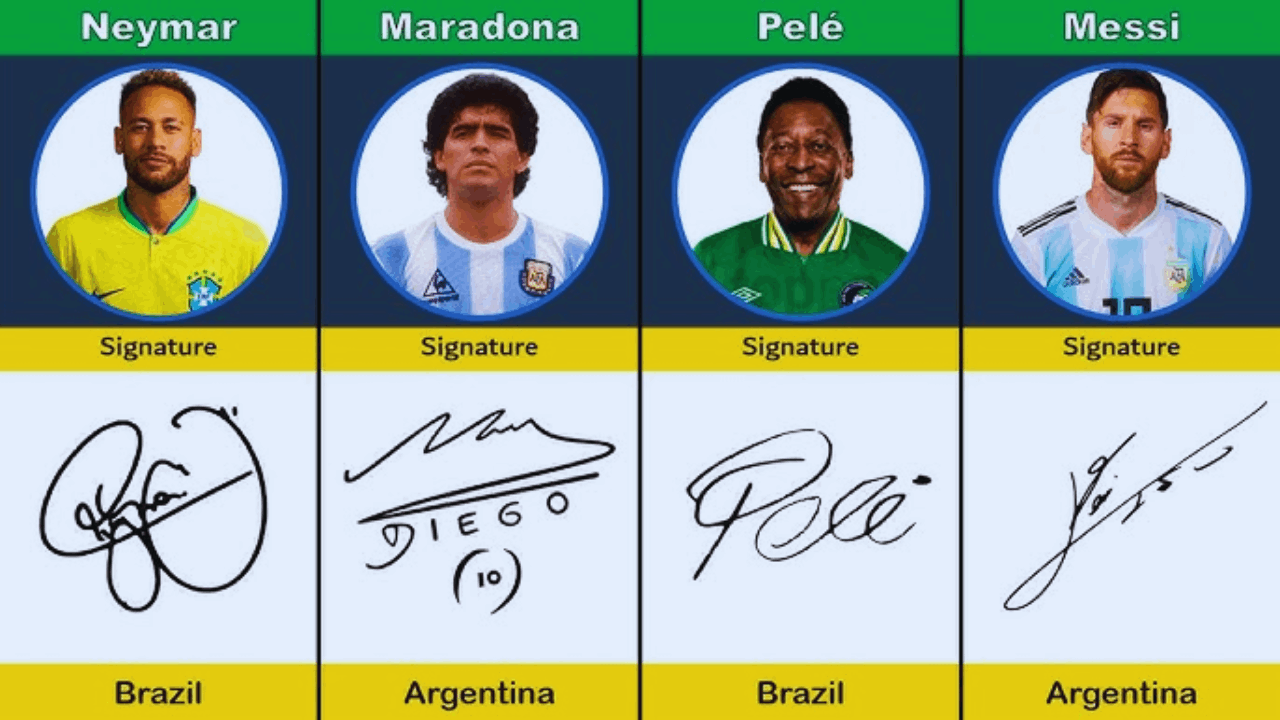
Each link reduces doubt and invites deeper bidding from experienced buyers. If the trail is clear, the valuation band tightens and negotiation becomes easier.
Documentation does more than calm nerves; it expands the audience for the item. A concise summary that names the source, dates the signing, and cites visual proof gives newcomers confidence to participate.
This is why items tied to public exhibitions, team events, or well-covered matches often outperform similar, undocumented pieces. The paper trail is part of the product, not an accessory.
Chain of Custody
A credible chain of custody lists the original source, intermediate owners, and any dealers or institutions involved. Specific details, not vague references, let third parties re-trace the story and verify it independently.
Receipts, event passes, and correspondence are especially useful when they align with schedules and public records. When the chain is complete, the autograph’s value reflects the story as much as the ink.
Event Context and Milestones
Autographs tied to finals, debuts, records, or farewell tours carry built-in demand. The moment should be easy to explain and confirm for someone who is not a superfan.
If match reports or official summaries highlight the event, the autograph’s narrative becomes portable and persuasive. Portable stories widen the bidder pool and usually lift the upper end of the range.
Reading the Market Like a Specialist
Valuation improves when you anchor it to public, repeatable data. Comparable sales, population counts, and calendar timing are the most reliable tools for the job.

Used together, they form a price band rather than a single guess, which is how professionals think about value. A defensible band beats a headline number because it anticipates normal variance across condition and presentation.
Avoid anchoring to social media asks or private claims that lack closure and context. Focus instead on realized prices and well-photographed lots that match your item closely.
The closer the match in player, medium, inscription, and authentication level, the more useful the comp. If a gap exists, explain it plainly rather than stretching.
Comparable Sales
Start with the nearest recent sale that matches player, format, size, inscription style, and certification. Adjust up or down for personalizations, pen color, signature placement, or image appeal.
Exclude obvious outliers caused by missing documents or poor presentation, since those results reflect uncertainty rather than true appetite. A small set of high-quality comps beats a long list of weak parallels.
Timing and Liquidity
Prices move with attention, and attention follows schedules. Hall of Fame announcements, documentaries, anniversaries, and tournaments pull casual buyers into the market and lift underbids.
Listing near those moments can raise visibility without paying extra for promotion. Conversely, calmer windows may reward buyers who prefer less competition and tighter spreads.
Practical Workflow and Risk Controls
A disciplined workflow turns scattered facts into a valuation that holds up under questions. Work from identity and authenticity to provenance, then to comps and timing.
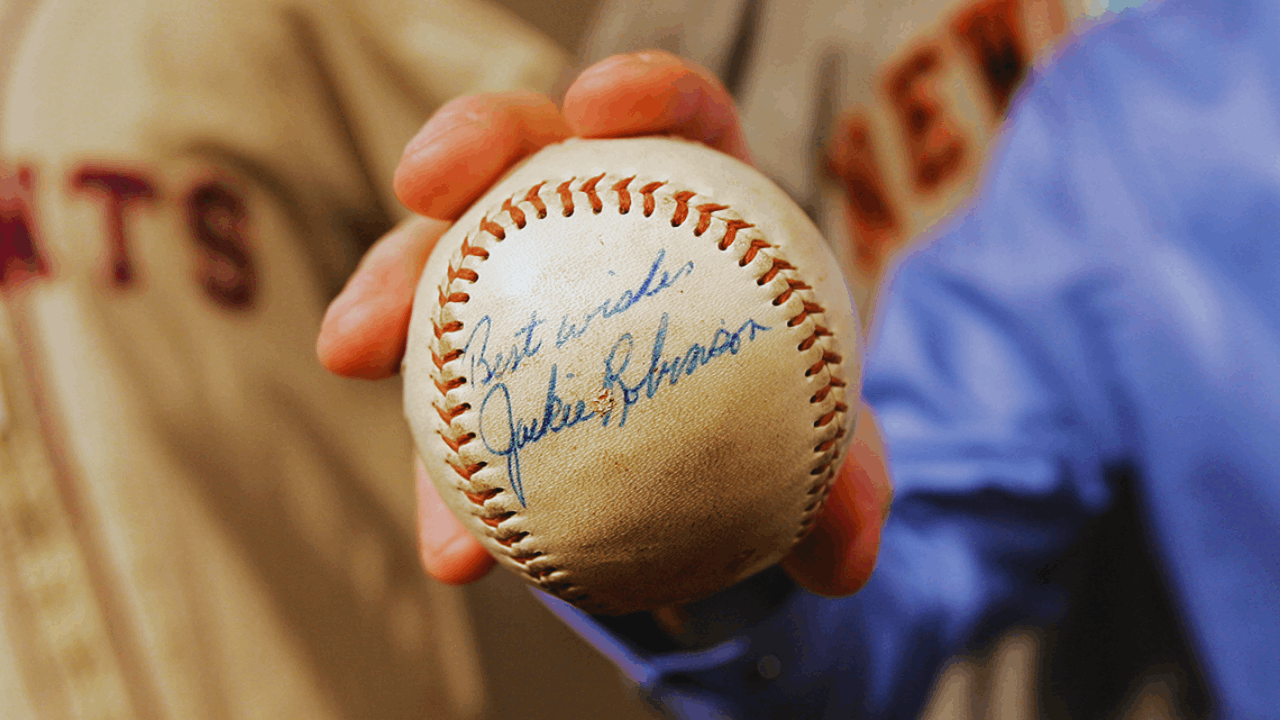
Record each step so another evaluator could retrace it without your help. That transparency is itself a trust signal that raises engagement.
Turn the process into a short dossier for any serious inquiry. Include certificate numbers, provenance highlights, and condition notes in clear, consistent language.
Provide direct, high-resolution images of the signature and any tags or labels relevant to dating. When your evidence reads cleanly, negotiation tends to focus on price rather than doubt.
A Repeatable Valuation Flow
Identify the player, date range, and signature style, then secure third-party authentication where feasible. Assemble documents and any period images that anchor time and place, and write a brief summary of what is known and what is not.
Build a low-mid-high band from recent, comparable sales and explain adjustments in one or two sentences. Choose the venue—auction, marketplace, or private sale—based on audience fit and story strength rather than habit.
Ethics, Conservation, and Care
Every valuation should include a sanity check for red flags and legal limits. Watch for mechanical signatures, traced lines, or secretarial hands, and seek multiple opinions when doubt persists.
Store and ship with archival materials, UV protection, and stable climate to prevent fading and chemical damage. Good stewardship is not cosmetic; it is part of preserving price and credibility.
Advanced Details That Separate Good From Great
At the high end, small choices can create big gaps. Era-correct pens, inscription phrasing, and placement relative to key imagery often sway results.

Cross-category appeal—such as a signature on an object linked to a milestone—widens demand and stabilizes value. The closer your autograph sits to a moment the world recognizes, the more resilient its price tends to be.
Material context matters because inks age differently on textiles, leather, coated photos, and paper. Knowing how each surface carries pigment, absorbs oils, and reacts to light helps you judge both authenticity and long-term risk.
That insight guides conservation choices that protect both look and longevity. In short, the medium is part of the signature’s future, not just its present.
Putting the Method to Work
Strong listings are concise, factual, and image-rich without exaggeration. Lead with the headline facts a serious buyer will try to verify first, then let the pictures do heavy lifting.
Keep adjectives in check and put proof in plain view with serial numbers and document excerpts. When the evidence is organized, the market tends to reward you with faster, cleaner outcomes.
Logistics are valuation, too, because careless packing can erase months of work. Use rigid supports for flats, breathable wraps for textiles, and double-boxing for transit.
Conclusion
Learning how to evaluate the value of autographs from famous players is about applying the same disciplined steps every time. Authenticate first, anchor the story with a documented chain, and then price with comparables, population signals, and timing.
Present the item with honest condition notes and images that invite scrutiny rather than avoid it. When your method is transparent and repeatable, your valuations earn trust—and your signed pieces earn the attention and outcomes they deserve.