Serious collectors chase objects that connect directly to matches, players, and limited promotions. The 1994 World Cup Rarest Memorabilia category centers on items issued in small numbers or reserved for VIPs, team staff, and athletes.
Provenance separates elite artifacts from lookalikes, while photo-matching and paperwork push values far above generic souvenirs. For your collecting plan, focus on authenticated items linked to specific games, people, or official presentations.
What “Rarest Memorabilia” Means In The 1994 Context
Rarity in the 1994 tournament context usually means direct allocation to participants or extremely low production.
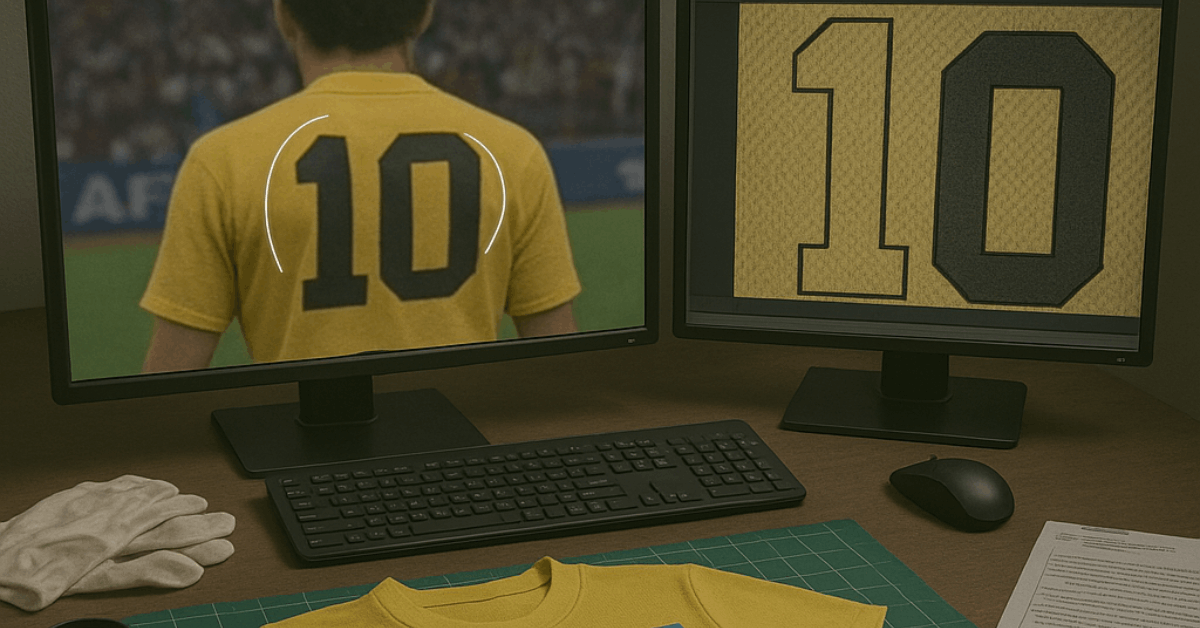
Match-used shirts, signed balls tied to documented events, presentation trophies, and official awards sit at the top because supply remained intentionally constrained.
Tickets and credentials from pivotal fixtures also matter, particularly when preserved complete or paired with verifiable usage evidence.
Demanding for Proof
Authenticity drives desirability because many team-level artifacts never entered normal retail channels. For your due diligence, demand proof that connects the exact object to the tournament through markings, wear patterns, or institutional letters.
Market records from recognized auction houses help confirm survivorship and establish realistic pricing corridors.
Notable Rare Items From The 1994 World Cup
Limited-issue artifacts and match-used pieces define the upper tier for 1994. Auction archives and institutional sales frequently surface comparable examples, allowing your pricing research to move beyond guesswork.
Photographic correlation, letters of authenticity, and team-archive provenance repeatedly appear in higher-priced results.
Attention to tiny production or kit variations matters because manufacturers and federations used multiple issue waves during the tournament.
1994 FIFA World Cup “Bertoni” Player Presentation Trophy
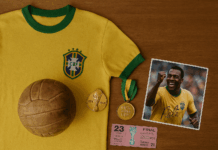
Brazilian squad members, coaches, and staff received miniature “Bertoni” presentation pieces, making surviving examples scarce and highly targeted.
Allocation directly to team personnel limited supply, while careful storage elevated condition scores relative to field-used gear. For search queries and labels, the phrase 1994 World Cup presentation trophy captures how sellers and archives often categorize this award.
Match-Worn Brazil Jersey Worn By Bebeto
A Bebeto match shirt from the finals tournament represents a signature object for attacking-legend collectors.
Photo-matched examples supported by tags, wash codes, and stitching alignment typically command premiums over generic team stock.
Listings often describe this category using match-worn 1994 World Cup jersey, which helps refine databases and saved searches.
Lothar Matthäus Germany Match Shirt, 1994
Matthäus remains a historically significant figure, and period-correct Germany shirts tied to him carry strong demand.
Wear patterns, number fonts, and supplier quirks assist photo-matching when stadium images exist. Searching explicitly for Lothar Matthäus 1994 shirt narrows results to the most relevant era and player.
Pelé-Signed 1994 World Cup Ball
Commemorative balls signed by Pelé during the 1994 cycle attract global interest despite his non-playing role.
Display-cased examples with sale documentation usually outperform loose balls without paperwork. Collectors and archivists often tag this category as Pelé signed 1994 ball, which conveniently filters mixed-year listings.
Rare Tickets And Credential Stubs
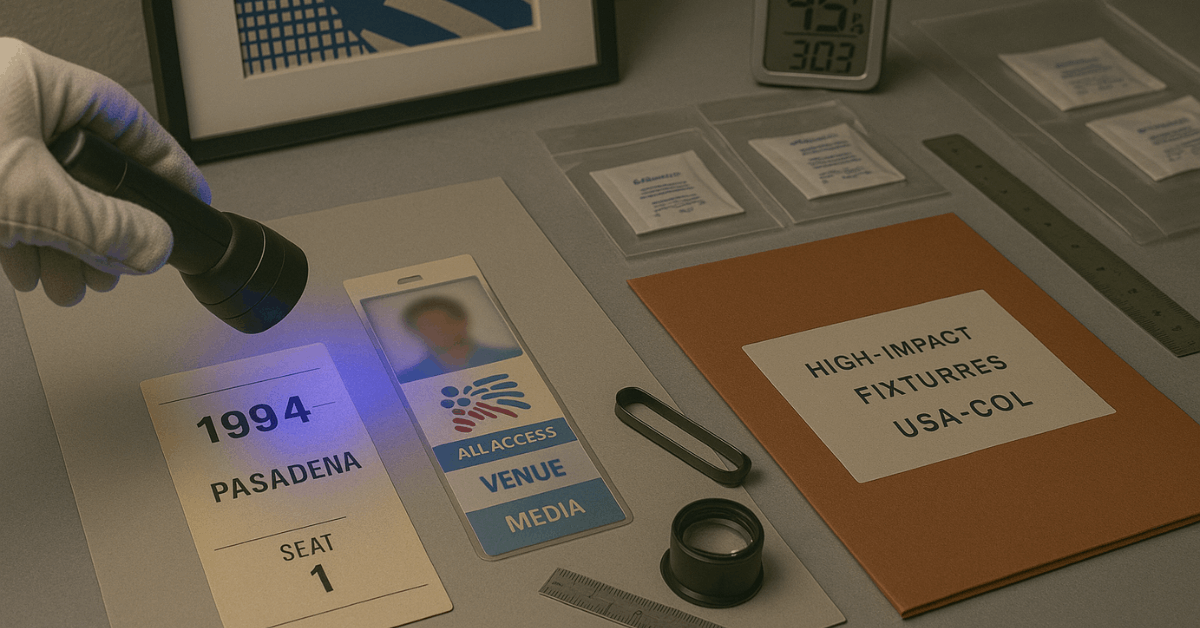
High-impact matches such as USA–Colombia generate strong storytelling and international buyer interest. Full tickets with intact chads, seat data, and sharp printing sit above torn stubs, although exceptional context can offset condition.
Security-laminated passes elevate further when linked to specific venues or dates, especially authentic 1994 World Cup credentials that show official access zones and photo badges.
Targeted searches for 1994 World Cup ticket stub regularly surface overlooked pieces in general ephemera categories.
Match-Worn Qualifier Jerseys Of Stars
Qualifiers sit adjacent to the main finals yet still offer elite provenance for star players such as Romário.
Federation-issued shirts with correct period details, felt stars, and accurate crests gain traction when matched to known dates. Documentation remains essential because qualifier stock was sometimes repurposed or swapped among squads during the cycle.
Premium Posters And Promotional Art
Limited-run posters from recognized artists hold value when mint, stored flat, and free of sun fade. The official series credited to renowned creators can rival mid-tier game-used pieces when edition sizes were small.
Many collectors track this niche using Peter Max World Cup poster, which aligns with frequent catalog terminology and collector shorthand.
Value Drivers And Authentication Signals
Elite pieces trade on clarity, not mystery. A short checklist keeps your evaluations consistent and grounded when reviewing potential acquisitions.
- Provenance And Paperwork: Team letters, federation certificates, or third-party LOAs form the foundation of any serious purchase decision. Cross-reference names, dates, and object descriptions carefully against known records.
- Photographic Correlation: Number fonts, ad patches, seam placements, stains, and fabric pulls can align a shirt to match photos. Stadium lighting differences require patience and multiple angles.
- Presentation Versus Field Use: Presentation trophies often survive in superior condition and benefit from limited handling. Game-worn shirts showcase authentic wear but demand stronger evidence chains.
- Manufacturer And Issue Details: Tag generations, fabric codes, and heat-press eras differ across production runs, revealing player-issue versus retail stock.
- Market Comparables: Past sales in respected archives anchor realistic expectations and prevent overbidding during fast-moving auctions.
Caveats And Common Pitfalls
Inflated “game-worn” claims remain common, particularly on general marketplaces that lack sports-memorabilia oversight. Evidence must go beyond a signature or a plausible story, since signatures can be added later and stories rarely withstand scrutiny.
Request high-resolution images of collars, hems, number edges, and internal labeling, then compare those images to documented exemplars from trusted databases. Replica presentation pieces circulate widely because manufacturers produced commemoratives long after the tournament.
Engraving depth, typeface, base materials, and case hardware usually distinguish authentic awards from later souvenir issues.
How To Verify And Store High-Value Pieces
Serious outcomes depend on consistent process, especially when six-figure artifacts enter the conversation. The following steps help standardize verification and long-term care without slowing your momentum.
- Assemble Proof First: Gather LOAs, team letters, and prior catalog pages, then request uncompressed photos showing seams, tags, and number edges.
- Photo-Match Methodically: Align fonts, stitching, stains, and damage to period images, and document each match with captions and timestamps.
- Consult Specialists: Seek opinions from kit historians, federation archivists, or independent authenticators familiar with 1994 suppliers and printing methods.
- Protect And Monitor: Use acid-free materials, UV-filter glazing, and stable humidity; inspect quarterly for fading, warping, or adhesive creep.
- Document Ownership: Maintain an internal dossier noting acquisition date, seller, price, images, and correspondence to strengthen future resale confidence.
Pricing Benchmarks And Sensible Offers
Comparable-sale research should reference multiple venues because single results can mislead when two bidders chase the same narrative.
Favor confirmed auction outcomes over asking prices, then adjust for condition, provenance quality, and market timing.
Elite Brazilian items tied to star contributors can eclipse adjacent categories, and Brazil 1994 memorabilia value often reflects both football heritage and global buyer competition.
Have Evidence
Negotiation works best when presenting a concise evidence packet that justifies your number without hyperbole.
Sellers respond to clean logic, recent comparables, and readiness to transact, while vague enthusiasm encourages emotional pricing.
Patience proves profitable because tournament-level objects reappear cyclically as estates settle, archives deaccession, or collectors rebalance holdings.
Conclusion
Focus your collecting capital on authenticated pieces tied to specific 1994 moments, people, or presentations. Provenance packets, robust photo-matching, and verifiable issuance separate blue-chip artifacts from dressed-up souvenirs.
Price your offers against confirmed comparables, weighting condition, documentation depth, and match linkage above headline names.
Treat your storage as investment protection: archival materials, UV control, and periodic inspections preserve value between market windows. Practicing disciplined patience lets you win evidence-led bids and secure better pieces at fair costs.