Collecting is a practice that connects people with history in a tangible way. Building a collection of historic tickets lets you preserve unique moments tied to sports, concerts, politics, and cultural events.
Each ticket carries its own story, making it more than just paper. This guide explains how to research, collect, preserve, and grow your ticket collection.
Understanding Historic Tickets
Historic tickets are physical proof of events that shaped cultural and social history. They include sports finals, legendary concerts, or political milestones.
Each carries rarity, age, and event significance that influence value. Understanding these basics prepares you for collecting.
What Makes a Ticket Historic?
A ticket becomes historic when tied to a meaningful or rare event. Examples include Olympic finals, Woodstock, or major presidential inaugurations.
These tickets increase in demand because they represent unique cultural turning points. Rarity and design details add further appeal.
Value Factors to Consider
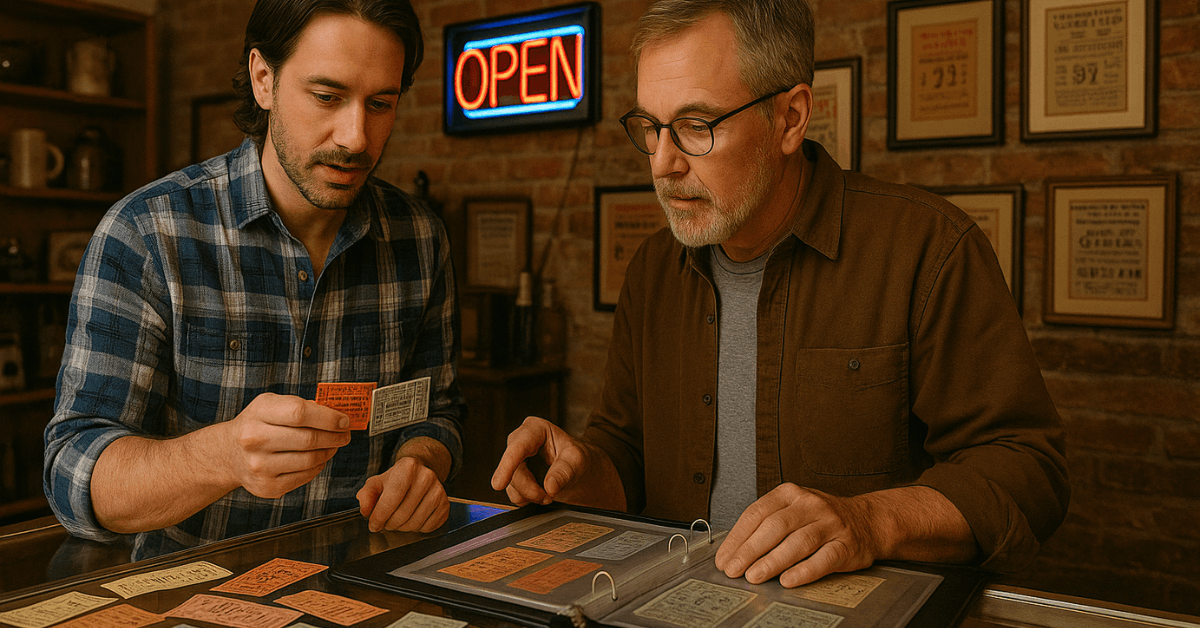
Collectors focus on event importance, age, and ticket condition. A well-preserved ticket from a major final can fetch high prices.
Authentic design features, such as print style and serial numbers, increase desirability. Buyers often evaluate history and presentation together.
Research Before Collecting
Research is the foundation of building any collection. Learning about printing methods, event history, and collector categories gives you an advantage.
Avoiding reproductions and forgeries requires basic knowledge. Reading and connecting with expert collectors saves costly mistakes.
Sources of Knowledge
You should explore books, collector forums, and online archives. Auction sites and memorabilia publications share insights into rarity and value.
Talking to experienced collectors helps identify authentic trends. Proper research creates confidence when buying or trading.
Defining Your Collecting Goals
Setting goals shapes the direction of your collection. You can choose a theme, time period, or type of event.
Narrowing focus helps you create a more meaningful collection. A clear vision prevents scattered purchases.
Choosing a Theme
Collectors often pick between sports, music, or politics. Specializing makes your collection unique and easier to expand.
A sports-focused collection may cover World Cup or Super Bowl tickets. Music lovers may aim for early tours of iconic bands.
Wide vs. Narrow Approach
A narrow focus builds depth, while a broad approach covers more variety. Depth allows stronger investment value.
Variety offers flexibility and wider appeal. Both strategies are valid depending on your interest.
Where to Find Historic Tickets?
Finding tickets requires knowing the right sources. Collectors use both online and offline channels.
Networking and exploring communities improve opportunities. You should compare sources to avoid inflated pricing.
- Online Marketplaces: Sites like eBay or Heritage Auctions offer global access.
- Collector Conventions: Events and shows let you meet sellers in person, often listed through National Sports Collectors Convention.
- Antique Shops/Estate Sales: Old collections sometimes appear unexpectedly, with resources like EstateSales.net helping you find local sales.
- Networking: Trading with other collectors helps you grow faster through forums such as Collectors Weekly.
Evaluating Authenticity
Authenticity is a critical factor in this hobby. Fake tickets are common, especially for famous events. Learning how to evaluate tickets saves money and strengthens your collection. Always verify sellers before buying.
Checking Ticket Details
You must look at fonts, printing style, and paper type. Older tickets often use distinct ink or embossing.
Compare suspicious tickets to verified originals. Detailed observation reduces risk of fraud.
Using Professional Help
Third-party grading services can confirm authenticity. They provide official documentation and condition grading.
This service adds credibility when selling or insuring. Authentication is a smart step for valuable items.
Budgeting and Investment Strategy
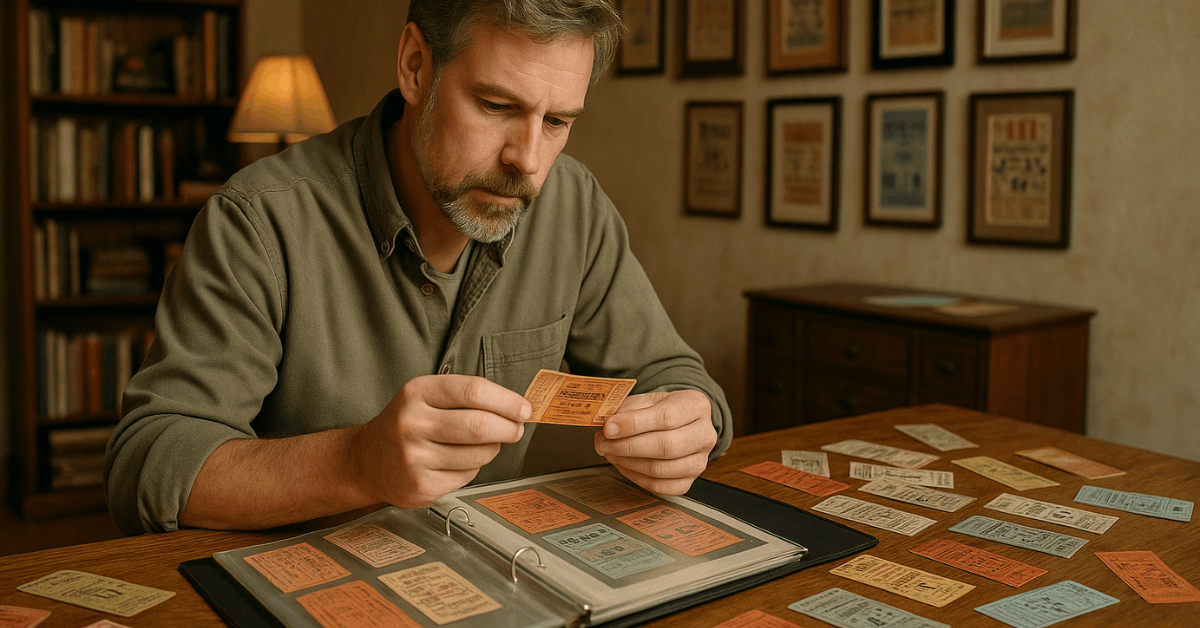
Managing your budget prevents overspending. Decide whether you are collecting for passion or long-term investment.
Ticket values rise with rarity and demand, but not every piece gains value. Smart planning avoids financial strain.
Collecting for Passion
Many collectors focus on personal enjoyment. Owning tickets tied to your favorite teams or bands has emotional value.
These items may not always increase in price, but they provide strong satisfaction. Collecting for passion builds a more personal collection.
Collecting for Investment
Investors study market demand and future trends. Rare tickets tied to iconic events often appreciate in value.
Auctions and bidding wars can drive prices up. Financial collectors view tickets as alternative assets.
Preservation and Storage Methods
Proper preservation keeps tickets safe for decades. Paper items are fragile and vulnerable to damage.
Investing in correct materials protects value and appearance. Storage is as important as purchasing.
- Acid-Free Sleeves: Prevent paper from yellowing over time.
- Archival Boxes: Keep tickets away from dust and light.
- UV-Protected Frames: Display pieces without sun damage.
- Digital Cataloging: Track ownership and details securely.
Building Knowledge and Community
Ticket collecting is more rewarding when shared. Communities offer support, trading opportunities, and updated knowledge. Networking connects you to rare finds. You also learn from experienced collectors.
Joining Collector Groups
Collector clubs exist both online and offline. These groups share tips and organize trade events.
Membership builds trust among fellow collectors. Relationships often lead to better deals and rare opportunities.
Attending Events
Trade shows and auctions allow hands-on experience. You can evaluate tickets closely before buying.
Meeting sellers directly increases credibility. Events also expose you to new collecting trends.
Notable Case Studies
Studying famous collections shows what’s possible. These examples highlight the cultural and financial value of tickets.
They inspire new collectors and offer lessons. Learning from these cases helps you plan.
Sports Events
Tickets from Olympic Games or Super Bowls are in high demand. Their significance adds long-term value.
Iconic finals, such as World Cup matches, become prized assets. Sports fans pay premiums for rare editions.
Concerts and Music Festivals
Historic shows like Woodstock or Beatles tours generate collector excitement. Original tickets are rare due to limited survival.
These items capture cultural turning points in music. Music fans view them as iconic memorabilia.
Common Mistakes to Avoid
Mistakes can slow down your progress. Collectors often fall into predictable traps. Avoiding them ensures a more successful collection. Awareness prevents frustration.
- Skipping Research: Leads to buying low-value or fake tickets.
- Ignoring Storage: Causes permanent damage to items.
- Overpaying: Emotional bidding inflates prices.
- Lack of Focus: Scattered collections lose meaning and value.
The Future of Ticket Collecting
The collecting world is changing. Paper tickets are becoming rare as digital systems grow. This rarity makes older tickets more valuable. Collectors must adapt to trends.
Rise of Digital Tickets
QR codes and digital passes are replacing paper. These may lead to digital memorabilia markets.
Some collectors see potential in NFTs. The hobby is moving in two directions: paper preservation and digital adoption.
Final Thoughts: Preserving the Past Through Collecting
Starting a collection of historic tickets connects you to cultural memory. Research, authenticity, budgeting, and preservation define success in this hobby.
Whether for passion or investment, ticket collecting is a rewarding journey. By protecting and sharing your collection, you keep history alive for the future.