Football shirts carry both sentimental and financial worth. Many collectors want to preserve old football shirts without losing value because improper care can lead to fading and permanent damage.
Each shirt represents a memory, a match, or even a historic win. Knowing how to maintain these pieces ensures their longevity for years to come.
Understanding the Value of Old Football Shirts
Football shirts are more than clothing; they are collectible assets. The value comes from rarity, condition, and historical importance.
Collectors pay more for shirts that remain close to their original state. You need to understand what drives value before you start preservation.
Key Factors That Increase Value
Understanding why some shirts are worth more helps you focus on proper preservation. The following sections explain the main factors that influence a shirt’s value.
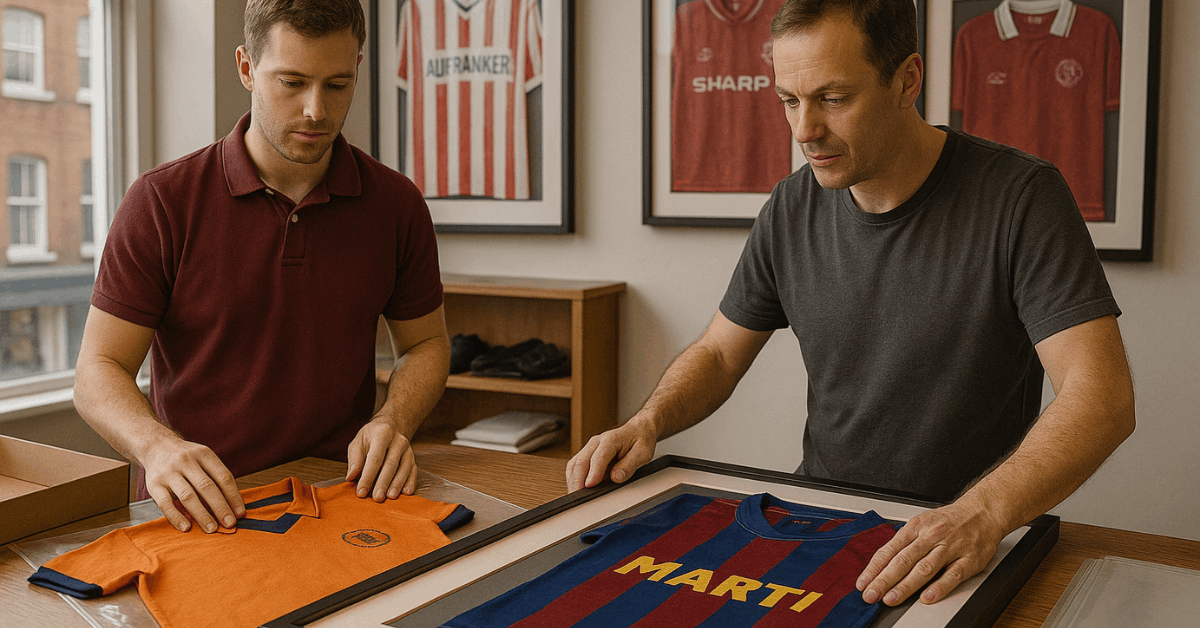
Rarity
Rarity plays a major role in determining value. Shirts that were produced in limited numbers or used in official matches are more attractive.
Collectors also prize items signed by players. Rare shirts remain in high demand.
Condition
The condition of the shirt directly affects its worth. Pieces without stains, fading, or fabric damage are valued higher.
Collectors want items that look close to new. Good care maintains condition and protects value.
Authenticity
Authenticity proves a shirt’s legitimacy. Original tags, labels, and certificates confirm production details.
Without proof, the value drops significantly. Always preserve the authenticity features.
Historical Relevance
Shirts linked to famous players or tournaments are highly sought after. Historic connections increase both financial and sentimental worth.
Collectors see them as cultural artifacts. These links often make shirts priceless to fans.
Proper Cleaning Techniques
Cleaning keeps shirts fresh, but can harm fabrics if done poorly. Use safe methods that protect materials and colors.
Avoid over-washing since it wears down the fibers. Spot-cleaning should be your first choice for minor stains.
Recommended Cleaning Practices
Before you start cleaning, it’s important to know the safest options. The following practices help preserve your shirt without causing unnecessary damage.
- Gentle Detergents: Choose mild, color-safe products to avoid damage.
- Cold Water Wash: Warm water fades colors faster, while cold water preserves.
- Avoid Washing Machines: Hand-wash only to reduce friction and stretching.
- Minimal Cleaning: Wash only when necessary to extend the shirt’s lifespan.
Drying Methods That Protect Fabric
How you dry shirts is as important as how you wash them. Incorrect drying methods lead to fading, shrinking, or stretching.
Always prioritize air drying to maintain shape and color. Keep them away from harsh elements.
Drying Best Practices
Drying methods determine how well your shirt keeps its quality over time. Follow these approaches to avoid common drying mistakes.
- Air-Drying Indoors: Use a clean, shaded space.
- Flat Drying: Lay shirts flat to avoid shoulder stretch from hangers.
- No Direct Sunlight: UV rays fade colors over time.
- Avoid Machines: Heat cycles weaken fibers permanently.
Safe Storage Practices
Storage is crucial for long-term preservation. The wrong environment can ruin fabric and reduce its value.
Choose safe methods that balance air circulation with protection. Avoid storage that locks in moisture.
Storage Guidelines
Storing shirts properly helps maintain their condition for years. The following steps provide safe storage methods that every collector should apply.
- Garment Bags: Use breathable fabric bags, not plastic covers.
- Acid-Free Tissue: Place inside folds to prevent permanent creases.
- Flat Storage: Best for fragile or signed shirts to keep their shape intact.
- Avoid Crowding: Allow space for airflow to prevent fabric stress.
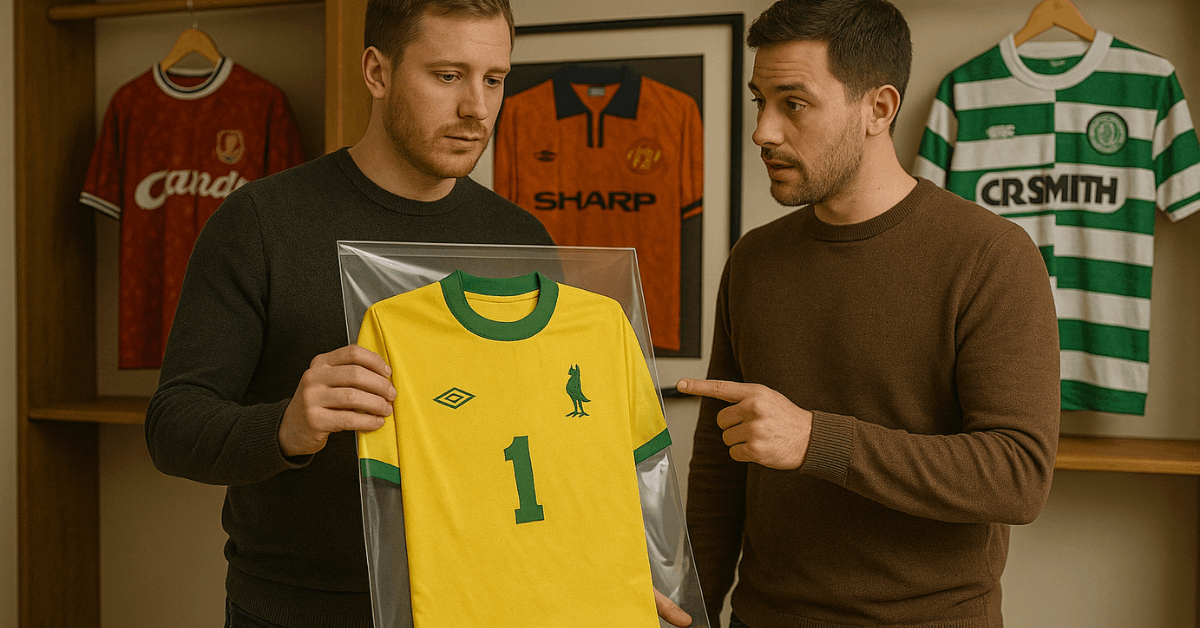
Controlling Environmental Conditions
Your environment directly affects shirt preservation. Poor conditions invite mold, pests, and fading.
Control temperature and humidity levels for safety. Keep shirts in a stable, clean space.
Environmental Tips
Maintaining the right environment prevents damage and preserves shirt quality. These conditions are key to long-term protection.
- Temperature Control: Avoid extreme heat or cold.
- Humidity Regulation: Use dehumidifiers to prevent mold.
- Dust Protection: Keep storage areas sealed from dirt.
- Pest Prevention: Regularly check for moths or insects.
Preserving Authentic Features
Authenticity is critical for collectors. Every original tag or label adds value.
Protect signatures, prints, and patches from fading or peeling. Keep shirts as close as possible to their original form.
Authenticity Care Steps
Preserving original details keeps shirts collectible and valuable. Here are ways to protect authenticity.
- Do Not Remove Labels: Tags confirm production details.
- Protect Signatures: Use protective covers to shield autographs.
- Avoid Ironing Prints: Heat damages numbers, badges, and sponsors.
- Never Alter: Customizations reduce authenticity and value.
Framing and Displaying Without Damage
Many collectors want to display their shirts. Proper framing avoids fading and fabric stress.
Using the right materials ensures safety while showing them proudly. Rotating displays keeps shirts in good shape.
Display Guidelines
Displaying shirts the right way prevents deterioration while showcasing them. Follow these safe display methods.
- UV-Protective Glass: Shields fabric from sunlight damage.
- Acid-Free Mounts: Prevents fabric yellowing or staining.
- Secure Frames: Keep shirts in position without piercing fabric.
- Rotate Displays: Reduce exposure by swapping shirts often.
Handling Guidelines
Handling is often overlooked but can reduce value. Oils from hands or rough movements cause wear.
Gloves and careful movements protect the fabric. Treat shirts as delicate items.
Handling Rules
Handling properly avoids accidental damage and keeps shirts clean. These practices ensure careful treatment.
- Use Cotton Gloves: Prevent oil stains and fingerprints.
- Minimal Contact: Only handle when necessary.
- Gentle Folding: Avoid rough creases.
- Flat Surface Handling: Always unfold or refold on a clean, flat space.
Long-Term Preservation Strategies
Preservation is an ongoing process. Regular checks prevent unnoticed damage.
Updating storage methods helps as the fabric ages. Professionals can assist with rare or fragile shirts.
Long-Term Tips
Long-term care ensures your shirts remain intact for future generations. Apply these strategies consistently.
- Routine Inspections: Spot mold, fading, or fabric thinning early.
- Upgrade Storage: Use better methods as they become available.
- Textile Experts: Consult preservation services for rare items.
- Insurance Coverage: Protect valuable pieces with policies.
Insurance and Documentation
Documentation proves authenticity and aids insurance. Keeping a detailed record builds credibility. Insurance adds financial protection. Both steps safeguard your investment.
Documentation Checklist
Proper documentation ensures that your collection is recognized and protected. Use this checklist for accuracy.
- Photos: Capture all sides of the shirt.
- Appraisals: Get a professional valuation.
- Cataloging: Maintain records of purchase details.
- Insurance Policies: Cover shirts against theft, fire, or damage.
Common Mistakes to Avoid
Avoiding mistakes is as important as providing correct care. Many collectors ruin value by rushing or using poor methods. Knowing what not to do saves you trouble. Keep these errors in mind.
Frequent Errors
Recognizing common mistakes helps prevent avoidable damage. Stay aware of these errors.
- Harsh Chemicals: Bleach and strong detergents destroy fabrics.
- Plastic Storage: Traps moisture and promotes mold.
- Direct Sunlight: Causes irreversible fading.
- Ignoring Warning Signs: Small damages grow worse without care.
Final Insights – Keep Your Shirts Valuable
Football shirts are more than fabric; they are history and investment. By learning how to preserve old football shirts without losing value, you protect both their financial and emotional importance.
Cleaning, storing, and handling correctly ensures they last for generations. Treat each shirt as part of football’s legacy and maintain it with care.