Many fans and investors want a clear picture of how the sports memorabilia market works from the first sale to resale. This market connects passion, history, and finance in one ecosystem.
Prices move with scarcity, condition, provenance, and timing across seasons. Trusted authenticators and marketplaces lower uncertainty and create liquidity.
When you understand these drivers, you can buy confidently and protect long-term value.
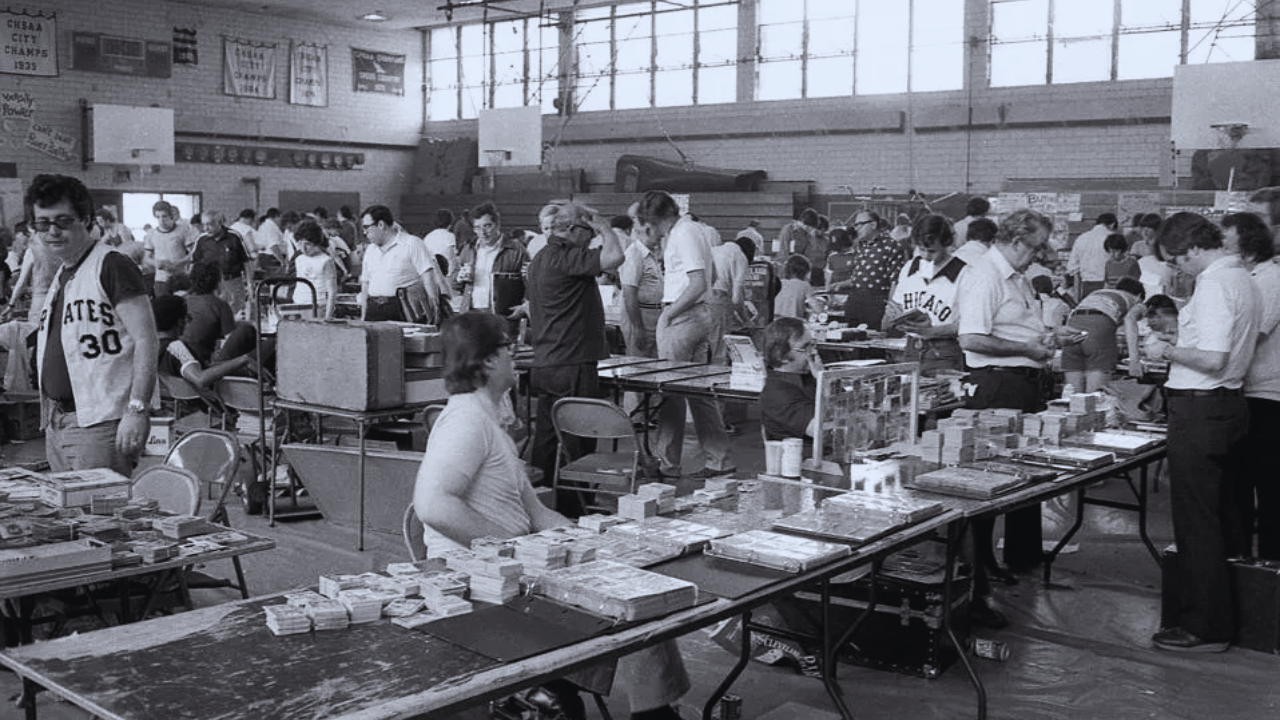
Foundations of the Market
Every collection starts with knowing what qualifies as real memorabilia and why some items matter more.
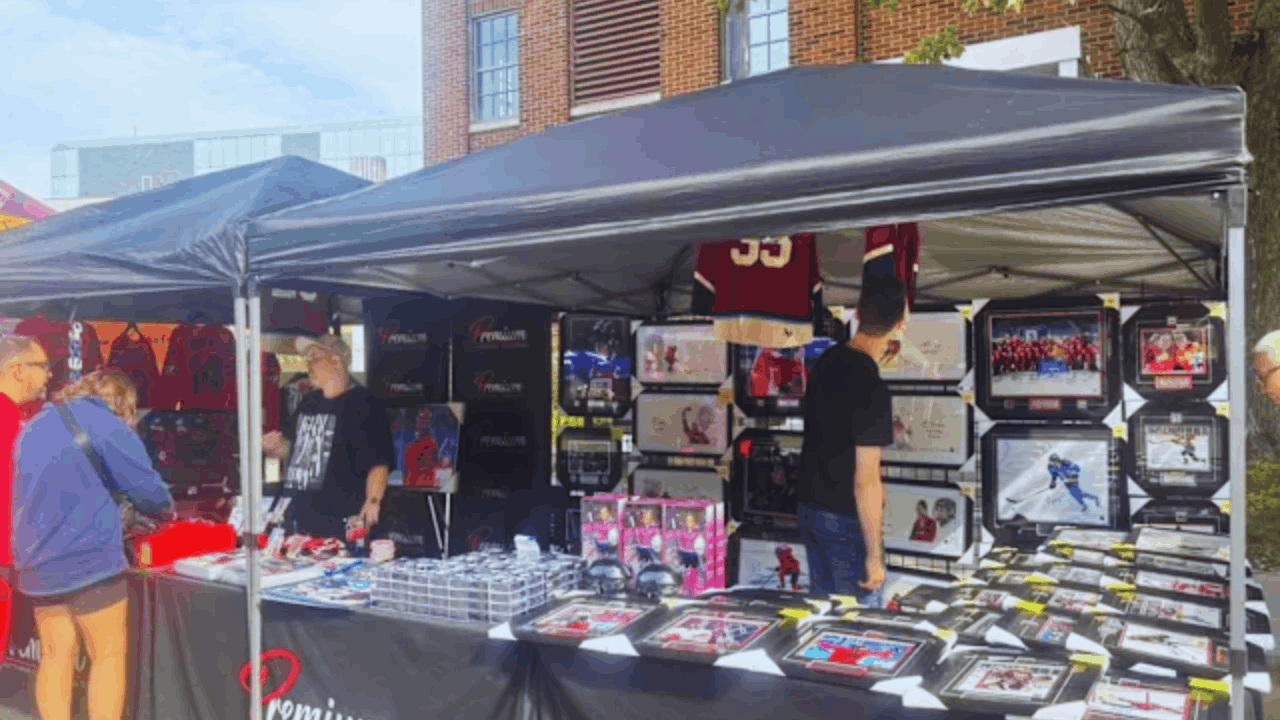
The foundation is a verified link between the object and an athlete, team, or event. That link must be clear, provable, and accepted by buyers and authenticators.
Cultural relevance then turns an ordinary object into a desirable piece. With these basics in place, you can compare categories and spot items that deserve attention.
What Qualifies as Memorabilia
Sports memorabilia includes autographs, game-used gear, trading cards, photos, event tickets, and trophies. Each item needs a verifiable link to an athlete, team, or historic moment.
That link is the core of value in every category. When the connection is strong and well-documented, buyers pay more. When the link is weak or unverified, interest fades quickly.
Why Authenticity Sits at the Center
Authenticity confirms that an autograph is real or that a jersey was used in competition. Third-party opinions, tamper-evident serials, and archived records build trust. Without this proof, even impressive items struggle to sell.
Clear documentation removes doubt and invites competitive bidding. This is why serious collectors avoid pieces with uncertain origins.
Scarcity, Culture, and the Story
Scarcity rises when supply is naturally limited or locked in private collections. Culture amplifies value when athletes shape eras, set records, or inspire global fandom. Strong stories turn ordinary objects into historical touchpoints.
Items tied to championships or milestone games benefit most from this effect. The market rewards artifacts that capture recognized sports history.
Who Keeps the Market Moving
The market functions because specialized participants reduce risk and match supply with demand.
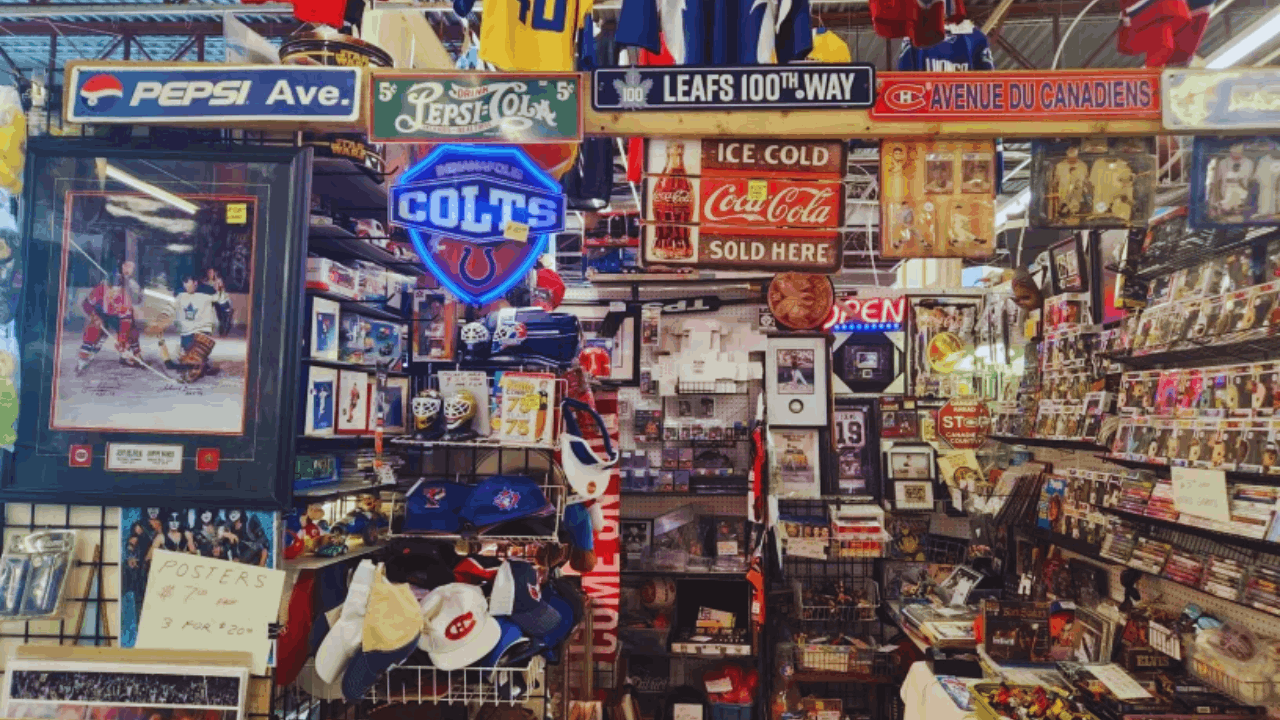
Authenticators define standards and create shared language around quality. Dealers and auction houses curate, market, and settle high-value transactions.
Marketplaces add reach, transparency, and predictable processes. Collectors and institutions provide capital and long-term commitment that stabilize prices.
Authenticators and Graders
Authenticators analyze signatures, inks, materials, and usage clues to issue opinions. Graders evaluate condition, assign standardized scores, and encapsulate items.
These services give buyers a shared language for quality and risk. Consistent grading tiers make cross-item comparisons possible. As confidence rises, liquidity and pricing efficiency improve.
Auction Houses and Dealers
Auction houses curate consignments, publish catalog notes, and market sales globally. They structure bidding windows that concentrate demand at a defined time. Dealers source privately, manage relationships, and negotiate discreet trades.
Both channels vet material to protect reputations and bidders. Their due diligence sets expectations for the rest of the market.
Marketplaces and Payment Rails
Online marketplaces widen reach and provide searchable histories. Escrow-like flows, fraud checks, and dispute processes protect both sides. Transparent fees and shipping calculators reduce surprises at checkout.
Mobile bidding and live streams increase participation and price discovery. These features help small collectors compete with seasoned buyers.
How Prices Are Formed
Price is the outcome of measurable traits and market attention at a given moment. Condition, provenance, and presentation set the baseline for value.
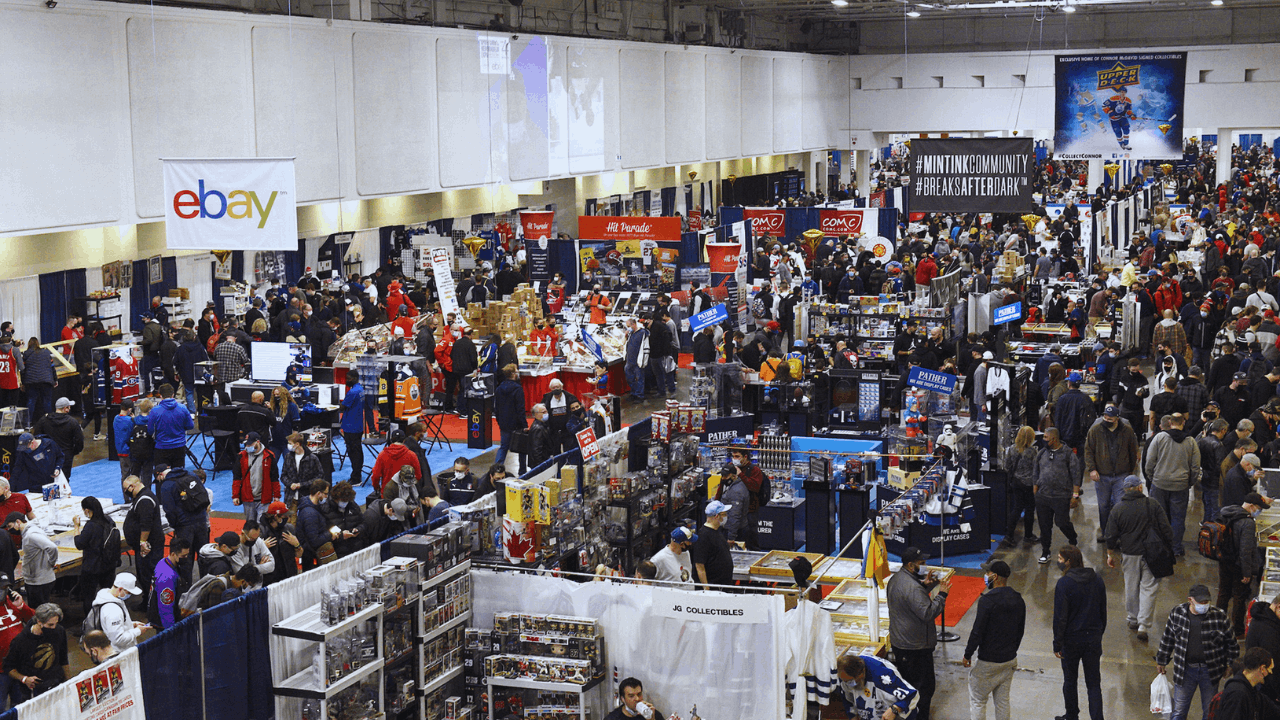
Scarcity and demand then push results up or down relative to similar sales. Timing and media coverage can amplify results during peak interest. When documentation is clear, buyers move faster and bid with more confidence.
Condition and Presentation
Condition remains the strongest constant across categories. Clean surfaces, bold signatures, and intact stitching hold buyer interest. Professional holders, UV-safe frames, and archival mats improve presentation.
Good presentation signals stewardship and reduces restoration risk. Buyers pay premiums for pieces that look cared for and ready to display.
Provenance and Photo-Matching
Provenance documents where an item came from and how it changed hands. Photo-matching compares physical details to images from a specific game or event.
When a match is credible, it elevates the item from generic to historic. This shift often multiplies interest and bids in a sale. Provenance clarity also speeds insurance and appraisal work later.
Scarcity, Demand, and Timing
Limited supply only matters when demand exists at the same moment. Demand spikes around records, retirements, documentaries, and Hall of Fame inductions. These catalysts attract new bidders and lift recent comp sales.
Seasonality can matter when playoffs or international tournaments dominate headlines. Smart buyers watch calendars and act before attention peaks.
Where Buying and Selling Happen
Transactions occur across primary and secondary channels, each with distinct trade-offs.
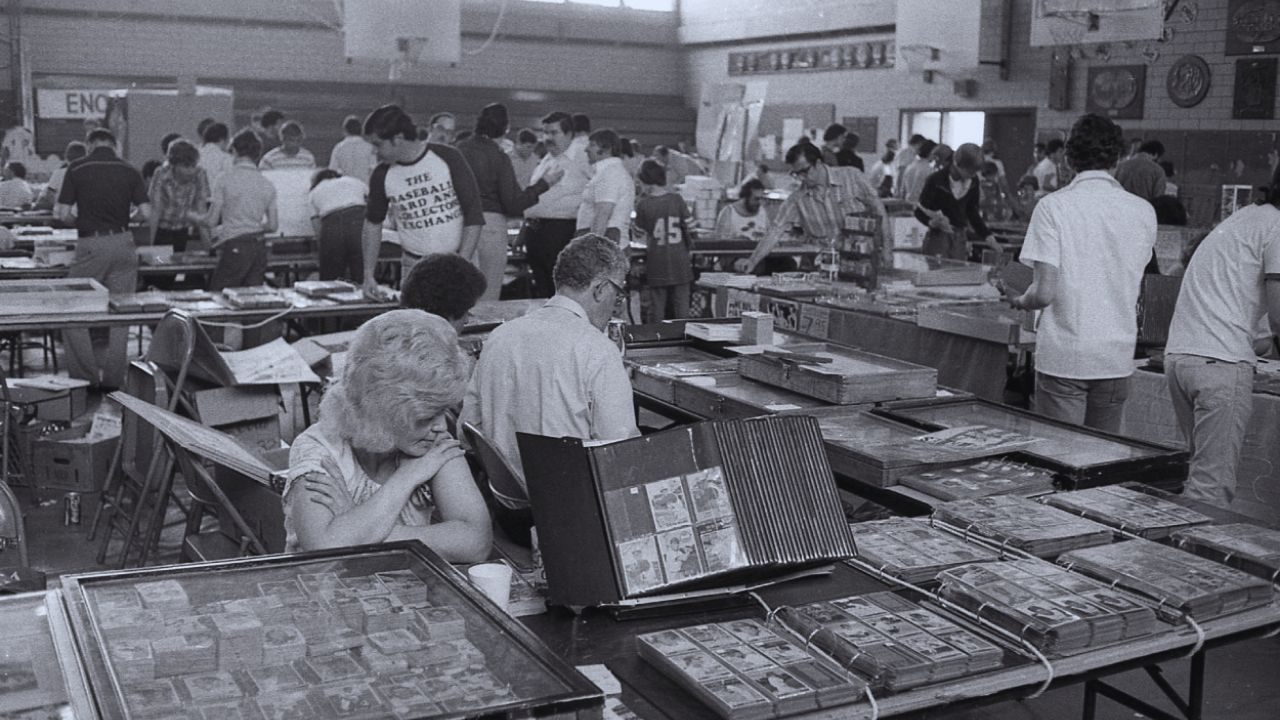
Primary sources offer fresh origin and embedded authentication, but limited choice. Secondary venues deliver breadth, comparables, and stronger price discovery.
Private deals add discretion and speed for sensitive or large lots. Knowing how each path works helps you plan entries and exits.
Primary Releases and Signings
Primary sales include athlete signings, team stores, and licensed drops. Items often ship with embedded authentication from trusted partners. Supply can be limited by edition sizes or event windows.
Primary purchases set baselines for later valuations. Early buyers sometimes benefit if a player’s profile rises quickly.
Secondary Marketplaces and Auctions
The secondary market includes online platforms, dealers, and live auctions. Here you find legacy items, game-used pieces, and grail-level lots. Public results create comparables that guide future pricing.
Reserve levels, estimates, and pre-sale hype also influence outcomes. Serious buyers use past sales to frame bids and avoid overpaying.
Private Sales and Discreet Deals
Private sales trade publicity for discretion and speed. They suit high-value items or collections needing a single buyer. Terms can include staged payments, inspection rights, and reps on authenticity.
Because the results are not public, the comp building is harder. Buyers offset this with appraisals and independent expert reviews.
Costs, Compliance, and Logistics
Net outcomes depend on more than the hammer price. Buyer’s premiums, seller commissions, and payment fees change your totals.
Cross-border deals can trigger taxes, duties, and currency swings. Shipping, insurance, and proper packing protect value in transit. Planning these items in advance avoids surprises and protects margins.
Fees, Taxes, and Currency
Auctions add buyer’s premiums, seller commissions, and processing charges. Marketplaces charge listing and payment fees that affect net proceeds. Cross-border deals can trigger VAT, customs duties, and brokerage costs.
Currency swings matter when bids and settlements span regions. You should model these items before committing to a price ceiling.
Shipping, Insurance, and Risk Transfer
Proper packing prevents pressure dents, corner wear, and ink transfer. Insured carriers and signature delivery reduce loss and dispute risk. High-value items may require armored logistics or white-glove handling.
Coverage limits should reflect current appraisals, not old purchase prices. Document everything so the claims process runs smoothly if issues arise.
Licensing, Rights, and Restrictions
Leagues and teams control marks, logos, and some image rights. Licensed items align with these frameworks and face fewer takedowns. Unlicensed reproductions risk platform removal and weak resale interest.
Accurate descriptions reduce legal exposure and protect future buyers. Compliance supports a healthier and more trusted marketplace.
Risk Management and Care
Most losses come from fakes, overpaying, or poor conservation. A clear process limits these risks without slowing your progress. Independent verification should be routine for meaningful purchases.
Proper storage keeps the condition stable across seasons. Insurance and records complete the protection plan for higher-value pieces.
Authentication Discipline
Start with known exemplars and signature studies for your target athletes. Compare letter shapes, pen lifts, and pressure before you bid. Favor pieces with third-party opinions and verifiable serial numbers.
Ask for provenance notes, event details, or photo evidence where applicable. When a price looks too good without documents, step back and reassess.
Conservation and Display
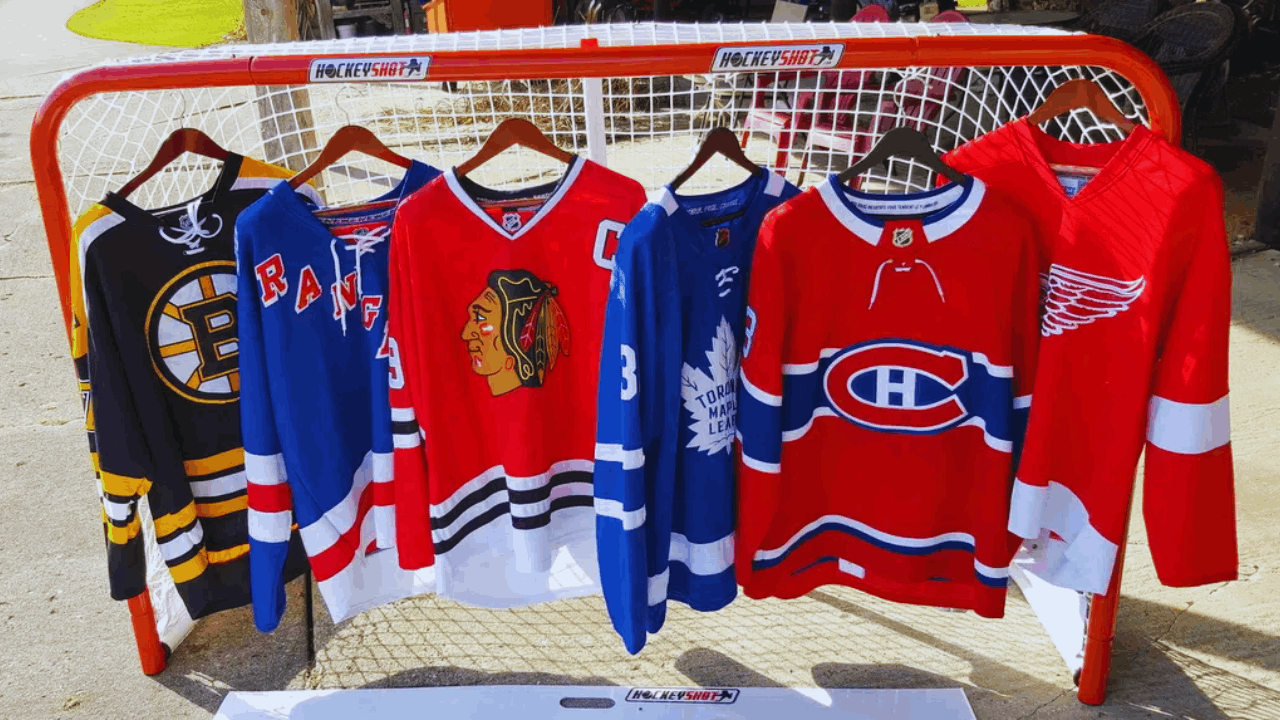
Light, heat, and humidity degrade paper, textiles, and inks over time. Use UV-filter glazing, acid-free backers, and climate control when possible. Keep graded holders clean and out of direct sunlight to preserve clarity.
Rotate displays and store the rest in archival boxes to slow wear. Good conservation sustains both aesthetic enjoyment and resale value.
Appraisals and Records
Professional appraisals help with insurance, donations, and estate planning. Keep purchase invoices, COAs, grading certs, and shipping slips together. Photograph serials, tags, and unique wear patterns for your files.
Store digital copies in redundant, searchable locations for quick retrieval. Organized records add confidence for future buyers and underwriters.
Conclusion
You now have a practical framework for how the sports memorabilia market works, from authentication to resale. Value rises when scarcity, condition, and verified provenance align with demand.
Planning for fees, taxes, shipping, and insurance keeps outcomes predictable. With discipline, documentation, and smart timing, you can build a trusted collection that holds its place in both history and the marketplace.