Many collectors and pop-culture fans want to understand why backstage items that turned into rarities command such consistent attention.
These pieces feel close to the moment of creation, carrying sweat, tape residue, scribbles, and stage dust that studio merchandise never has.
They connect audiences to the unpolished side of performance, where last-minute decisions and improvisation actually happen. When a headline show ends, the most ordinary tools can become markers of a specific place and time.
Why Backstage Objects Become Culturally Important
Here’s why backstage artifacts move from practical tools to coveted memorabilia after the lights go down.
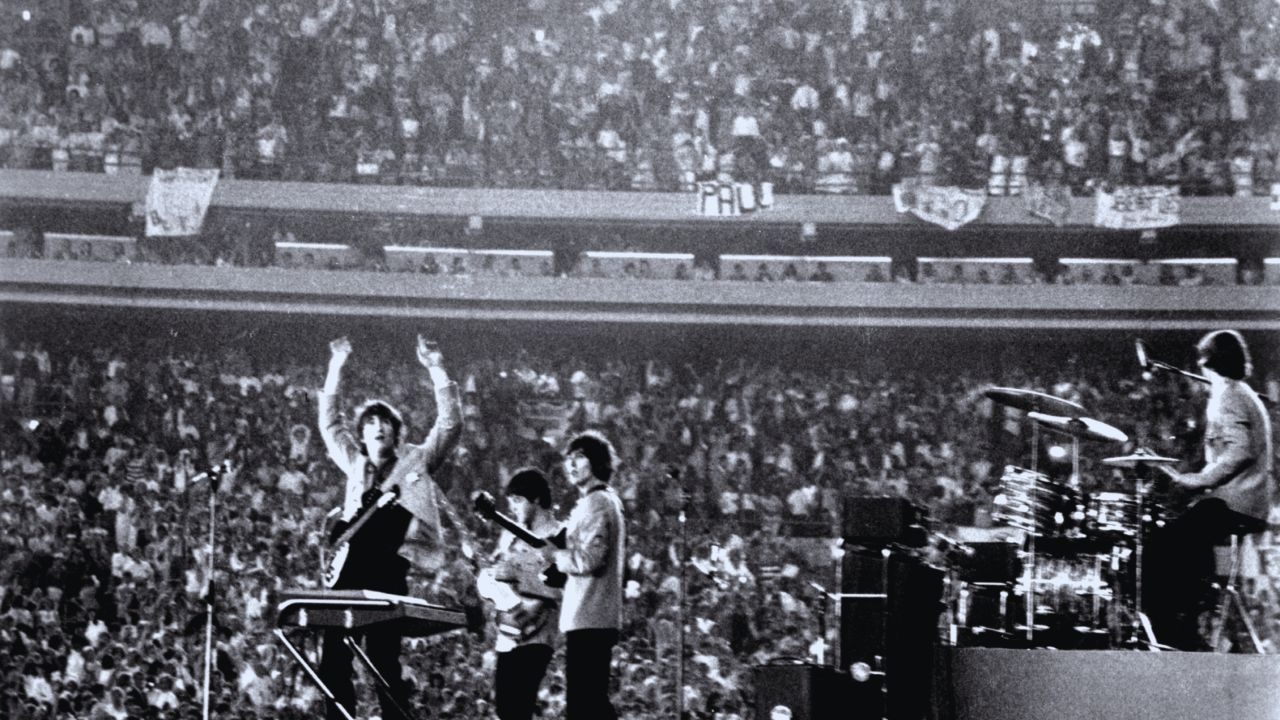
Items that helped make a performance often retain direct evidence of that work, such as annotations, wear patterns, or crew labeling. Because access to these spaces is restricted, surviving objects rarely appear in large numbers.
As a result, provenance and context push everyday materials into the realm of long-term cultural interest.
Provenance, Scarcity, and the Human Touch
Collectors prioritize objects that can be clearly traced from the venue or tour to the present holder. Scarcity matters, yet it is the human touch—notes in a margin, a bent clip, or a fingerprinted surface—that turns scarcity into meaning.
When an item shows authentic use and a verifiable chain of custody, its narrative becomes durable. That blend of proof and personality explains why these artifacts sustain attention long after a tour is over.
Event Significance and Media Memory
Objects tied to finals, first nights, comebacks, or televised specials absorb the significance of the occasion. The broader the media footprint, the more people can recognize the moment an item represents.
Replays, behind-the-scenes features, and documentaries reintroduce these artifacts to new audiences. Over time, that repeated exposure heightens interest and stabilizes demand.
Popular Backstage Items That Became Rarities
Below are the most sought-after categories, each with distinct signals of authenticity and appeal.
Every paragraph outlines what the item is, why it matters, and what evidence collectors look for.
Although prices vary by artist and event, the drivers of desirability tend to be consistent. Understanding these cues will help you evaluate items confidently.
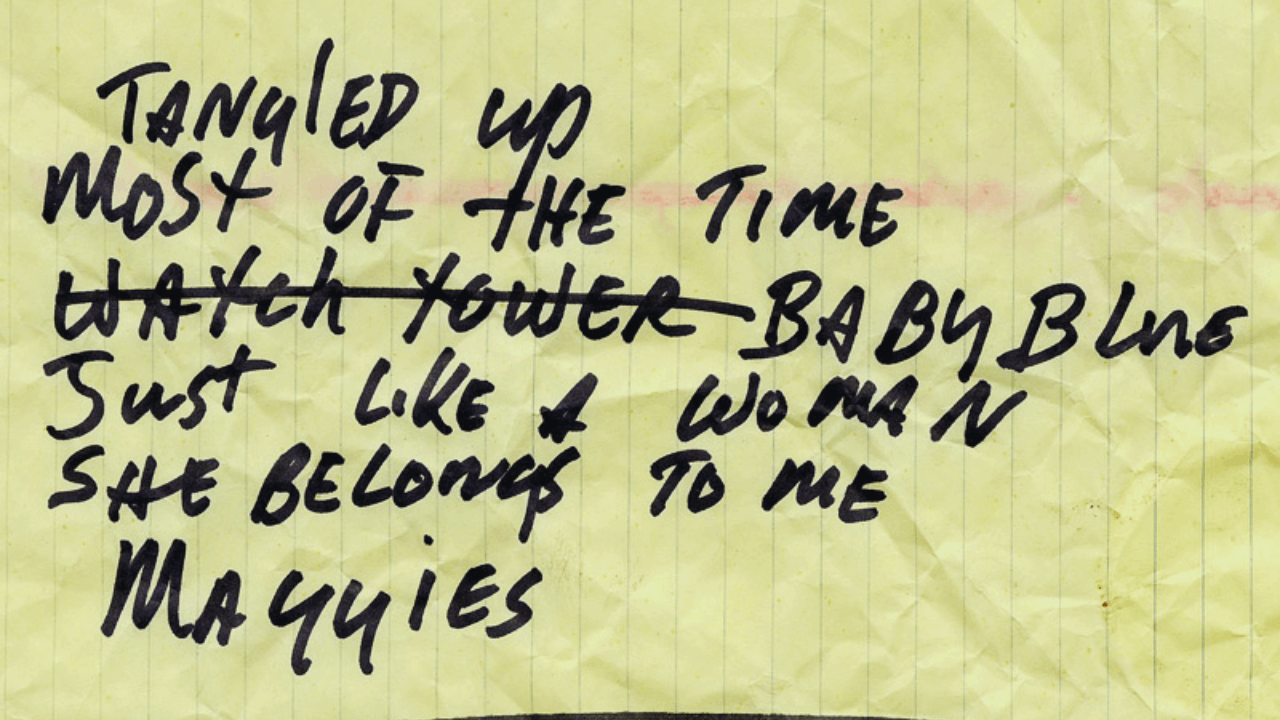
Bob Dylan Handwritten Setlist Used On Stage – Authentic Backstage Collectible
A Bob Dylan setlist featuring classics like “Highway 61” and “Like a Rolling Stone” has surfaced at auction with firm authentication.
The page shows working use from the performance and is supported by a recognized letter of authenticity that ties it to the stage. Collectors value these because they capture real-time decisions and the flow of a specific show.
This is a textbook backstage document that became a rarity thanks to provenance and artist’s stature.
Oasis Stage-Used Handwritten Setlist With Guitar Pick – Backstage Memorabilia Worth Collecting
Julien’s Auctions offered a handwritten, stage-used Oasis setlist paired with a Dunlop guitar pick, creating a tight narrative from stage to sale.
The physical wear on the page and the inclusion of show hardware make it more than disposable paper. Because setlists are often tossed or damaged, intact and verifiable examples remain scarce.
Items like this show how everyday backstage materials gain long-term significance when tied to a known performance.
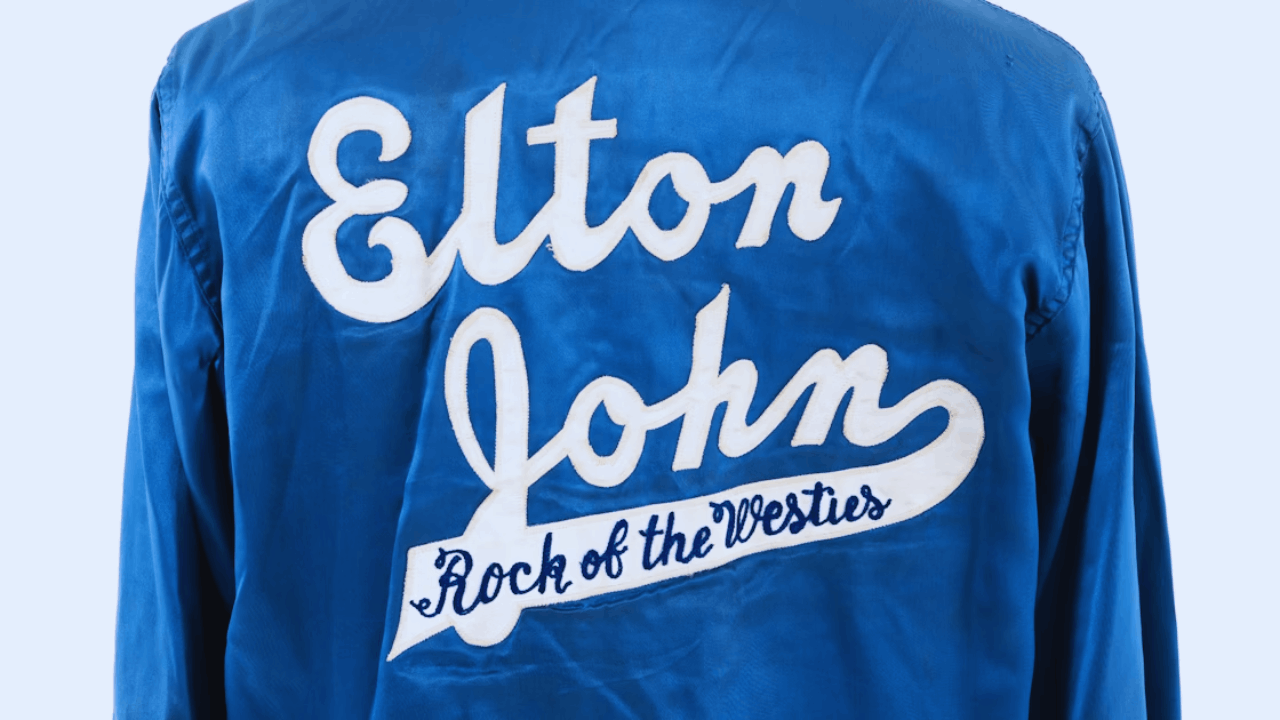
Elton John “Rock of the Westies” Crew Tour Jacket (1975) – Rare Backstage Apparel
Heritage Auctions documented a Felco-made crew jacket from Elton John’s 1975 “Rock of the Westies” tour with strong production-level details.
Crew-issued apparel carries weight because it signals participation in the work of the show rather than mere attendance.
Natural touring wear and period embroidery help authenticate issuance to production staff. These jackets illustrate how internal, workmanlike items become highly collectible artifacts.
The Who 1979 Crew Jacket – Historic Backstage Clothing Linked To Tour Events
A 1979 crew jacket tied to The Who’s “Who Are You?” era includes contextual notes about the Buffalo concert following the Cincinnati tragedy.
That historical framing, combined with period labeling and clear origin details, elevates the object beyond clothing.
Provenance linked to a specific date and venue clarifies significance for future buyers. As a result, crew jackets like this have moved into the realm of enduring rarities.
Nirvana Backstage Passes From 1989 German Dates – Authentic Tour Credentials
RRAuction offered a lot, combining a 1989 German tour booklet and authentic Nirvana backstage passes, complete with sale metadata.
Backstage credentials are strong documentary artifacts because they encode access level, date ranges, and tour design. Physical wear on clip holes and lanyard edges often corroborates real use under show conditions.
With verifiable sales history, these passes have become reliable, collectible backstage items.
Beatles (John Lennon) Concert-Used Towel, 1965 – Rare Backstage Textile From A Live Show
Julien’s results include a 1965 John Lennon concert-used towel with a published hammer result and clear attribution. Textiles from stage and side-stage settings are fragile, which is why documented survivors draw outsized interest.
When paired with a specific event year and artist identification, utilitarian items become significant. This towel is a concise example of backstage material transformed into a certified rarity.
Bruce Springsteen Annotated Lyric Sheet – Backstage Paperwork That Became A Collectible
Julien’s has handled Springsteen lyric sheets showing typed pages with his handwritten corrections and added verses. Working pages like these are quintessential behind-the-scenes artifacts because they capture the editing process that audiences never see.
The listing context and visible mark-ups strengthen attribution and narrative weight. With recorded estimates and realized prices on similar items, this category has established auction liquidity.
How to Verify and Care for Backstage Artifacts
Here’s how responsible collectors protect both the object and its story. Verification reduces the chance of paying for an item with weak documentation.
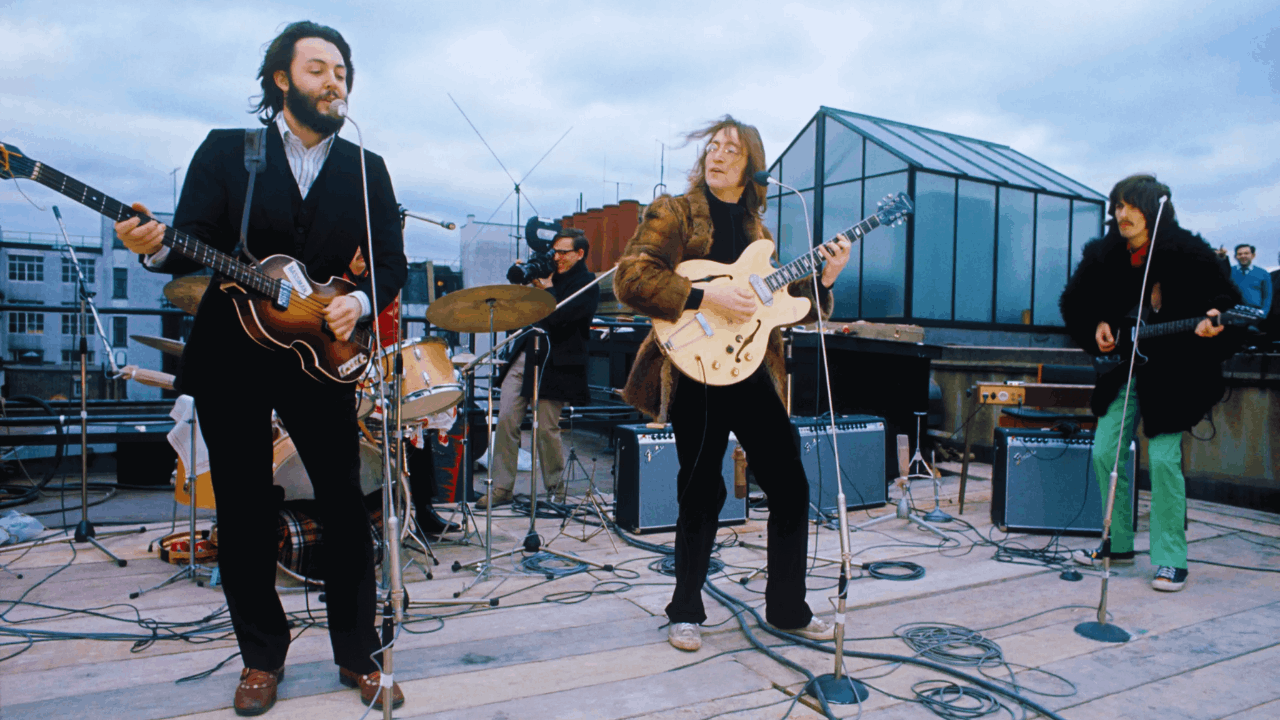
Proper storage preserves materials that were never intended to last decades. Ethical practice maintains trust among artists, crews, and future buyers.
Evidence before Excitement
Start with origin, not emotion, and ask how the item left the venue or tour. Request names, dates, and any supporting images that place the object in context.
Independent opinions are useful when handwriting, printing, or materials need expert review. A coherent paper trail should stand on its own without storytelling flourishes.
Conservation, Display, and Digital Records
Paper, textiles, foams, and adhesives respond poorly to heat, light, and humidity. Use archival sleeves, UV-filter glazing, and climate control to slow deterioration.
Photograph distinctive marks and store scans of documents in redundant locations. Good records travel with the item and increase confidence during loans or sales.
Ethical Sourcing and Charitable Pathways
Respect locker-room boundaries and confirm that items were released with consent. Charity auctions and direct donations can add a second chapter to an artifact’s biography.
Transparency about transfers protects both the community and the market. Clear ethics support long-term cultural value as much as monetary value.
Conclusion
You now have a practical framework for identifying backstage items that turned into rarities and understanding why they matter.
As tours evolve and new stages achieve global visibility, fresh backstage pieces will enter the canon. Approach the field with discipline and respect, and you will build a collection that holds meaning long after the curtain falls.