Memorabilia carries deep sentimental and financial value for collectors. Proper storage ensures these items remain in good condition for years to come.
Many pieces lose worth because of careless handling and poor storage methods. This article explains how to store memorabilia safely without causing damage.
Understanding the Risks of Poor Storage
Memorabilia is vulnerable to multiple risks that can ruin its condition. Understanding these threats is the first step toward preservation.
Environmental Damage
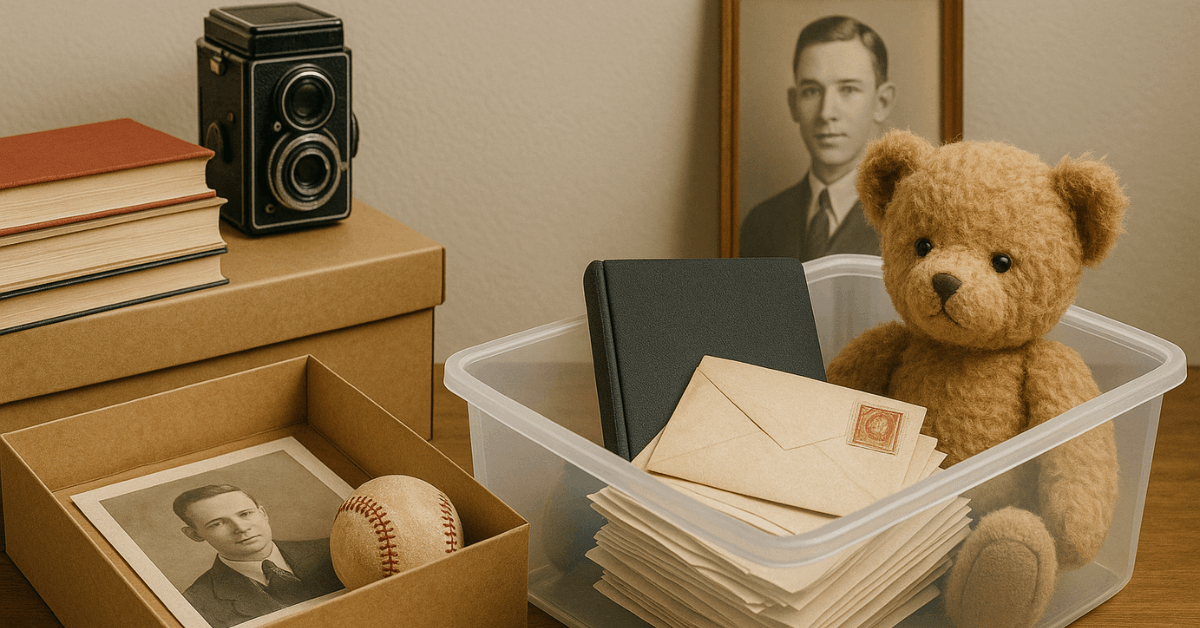
Heat, humidity, and light are the most common enemies of collectibles. Paper items may yellow, fabrics fade, and plastics can warp under poor conditions.
Climate fluctuations speed up deterioration more than time itself. Protecting items from harsh environments is critical for long-term preservation.
Physical Wear and Tear
Physical damage is often caused by mishandling. Folding, stacking, or squeezing items into tight spaces weakens their structure.
Scratches and tears reduce both aesthetic and financial value. Preventing physical stress is essential for keeping memorabilia intact.
Common Collector Mistakes
Many collectors unknowingly harm their possessions. Basements and attics expose items to dampness, pests, and heat.
Using adhesive tapes or pins creates permanent damage. Failing to clean items before storage locks in dust and stains that worsen with time.
Choosing the Right Storage Materials
The materials you choose will determine how well your collection survives. Archival-quality supplies are a must for serious preservation.
Archival Quality Containers
Acid-free boxes and sleeves protect paper-based items like tickets and magazines. These materials stop chemical reactions that cause yellowing and brittleness.
Collectors should avoid standard cardboard, which can release harmful acids. Archival containers give documents a stable and safe environment.
Protective Cases and Frames
Fragile items need sturdy protection. UV-protected frames shield autographs and photos from fading.
Rigid plastic cases are ideal for trading cards and game balls. Display cases with controlled airflow balance visibility with safety.
Essential Storage Tools
Every collector should equip themselves with reliable storage supplies. These items reduce risk and provide peace of mind:
- Acid-free boxes to protect fragile documents.
- Plastic sleeves made of polypropylene or polyester for cards.
- Hard cases for balls, bats, or helmets.
- Display frames with UV-resistant glass for signed items.
Controlling Storage Environment
Environmental control ensures memorabilia survives across decades. Stable conditions prevent silent and gradual deterioration.
Temperature and Humidity Control
Keep storage spaces at 65–70°F with humidity levels between 40–50%. Extreme fluctuations cause materials to contract and expand, leading to cracks and warping.
Use humidifiers or dehumidifiers when necessary. Consistency is more important than perfection in preservation.
Light Exposure
Light exposure can cause irreversible damage. Sunlight fades ink, fabric, and paper within months.
UV-filtered lighting helps protect items on display. Rotating pieces also reduces long-term fading risks.
Safe Placement in the Home
Collectors should avoid unsafe household storage areas. Basements, attics, and garages are prone to moisture and extreme temperatures.
Placing items in interior rooms with stable conditions offers better protection. Elevated shelving shields memorabilia from spills and minor flooding.
Storing Different Types of Memorabilia
Different materials react differently to storage environments. Tailoring your approach prevents unnecessary deterioration.
Paper-Based Items
Posters, tickets, and autographs require acid-free folders or flat boxes. Rolling or folding weakens fibers and causes permanent creases.
Store these items in dark and cool spaces. Avoid high humidity to prevent mold growth.
Jerseys and Fabric Memorabilia
Jerseys and other fabric items are prone to stretching and fading. Store them on padded hangers or in shadow boxes.
Avoid sealing them in plastic bags, which trap moisture. Breathable storage ensures fabrics remain intact for years.
Cards and Photographs
Trading cards and photos should be stored in rigid holders or binders. Archival-quality sleeves prevent scratches and discoloration.
Vertical storage reduces bending and curling. Keeping them in dry, dark areas preserves color and sharpness.
Equipment and 3D Collectibles
Sports equipment requires different protection methods. Helmets, bats, and balls should be kept in hard protective cases.
Dust-free containers reduce cleaning needs. Gloves are recommended when handling to prevent skin oils from causing wear.
Cleaning and Handling Memorabilia Safely
Safe handling and minimal cleaning extend the lifespan of collectibles. Prevention is easier than restoration.
Basic Handling Rules
Always wash your hands before touching memorabilia. Cotton gloves offer extra protection for fragile or valuable items.
Hold pieces by their edges or bases to avoid direct pressure. Never eat or drink while handling collectibles.
Cleaning Techniques
Cleaning should always be light and cautious. Use microfiber cloths to dust surfaces gently. Avoid chemical cleaners on paper, photos, or fabrics.
For fragile or stained pieces, consult professional conservators rather than risk damage.
Insurance and Documentation
Protecting value requires more than storage. Insurance and records safeguard against financial loss.
Cataloging Collections
Maintaining a catalog helps organize and protect memorabilia. Take digital photos of each item and save receipts.
Include notes about condition and provenance. A complete record strengthens authenticity and helps with appraisals.
Insurance Coverage
High-value items should be insured under special collectibles policies. Standard homeowners insurance rarely covers memorabilia fully.
Professional appraisals keep policies accurate. Insurance ensures collectors recover value after theft or disaster.
Long-Term Preservation Strategies
Preserving memorabilia means thinking beyond short-term safety. Long-term planning ensures items outlast their owners.
Professional Storage Services
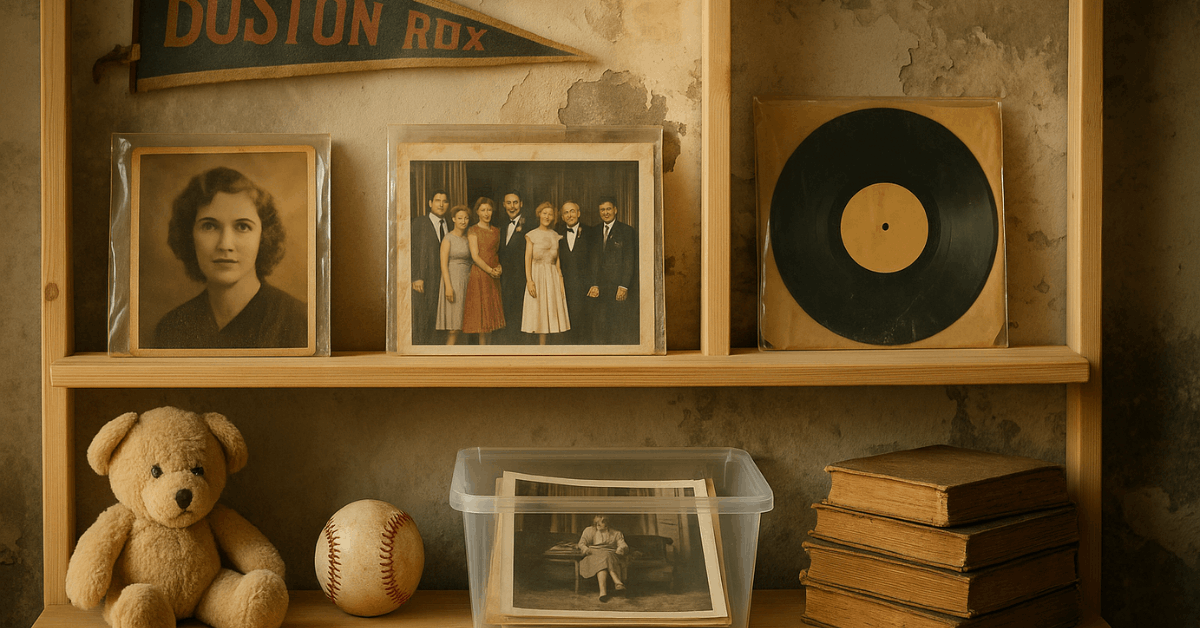
Collectors with high-value items can use climate-controlled storage facilities. These offer expert handling, stable environments, and advanced security.
Museums and investors often rely on such services. While costly, they provide unmatched peace of mind.
Passing Items Across Generations
Memorabilia often carries family significance. Teaching heirs how to handle and store items ensures longevity.
Documentation makes inheritance easier to manage. Passing items safely across generations preserves both sentimental and financial value.
Modern Innovations in Memorabilia Storage
Advancements in technology have introduced new preservation tools. These innovations give collectors more options for safety.
Smart Display Cases
Modern cases include humidity controls and UV-filtering glass. Some models feature digital locks and smartphone integration.
These protect items while still allowing public display. Technology ensures collections remain safe without compromising visibility.
Digital Archiving
Digital backups add another layer of security. Scanning tickets, posters, and photos creates a digital archive.
3D scans of equipment preserve virtual records of physical items. While not a replacement, digital copies protect memories from complete loss.
Conclusion – Protecting Memories and Value
Memorabilia represents both history and personal memories. Proper storage prevents deterioration and protects financial worth.
Using the right materials, environment, and handling ensures collectibles remain intact. With care and planning, these items can be preserved for future generations to enjoy.