The global memorabilia market keeps rewriting record books as landmark artifacts move from private hands to public bidding rooms.
This guide examines personal items of legends that became valuable on the market, explaining what sold, why it mattered, and how provenance shaped confidence.
You will see how match-worn jerseys, championship belts, and even race cars crossed from sport into cultural heritage. With trusted, official sources behind each example, the list clarifies what turns a treasured possession into a market-defining asset.

What Makes a Legend’s Personal Item So Valuable
Value concentrates where cultural impact meets verifiable evidence, and the best results combine iconic performance with rock-solid documentation. Photo-matching, event-linked records, and institutional certification reduce uncertainty and invite global bidding.
Auction houses then package context, scholarship, and marketing to translate rarity into price. The result is a transparent narrative that collectors can evaluate and defend over time.
Provenance also benefits from timing, because anniversaries, title streaks, and documentary releases rekindle interest in specific moments. Items connected to debuts, finals, or miracle wins draw broader audiences than routine-season pieces.
When an athlete’s legend grows, so does the appeal of the artifacts that carried those stories. Markets reward that convergence with new records and lasting benchmarks.
Babe Ruth’s 1932 “Called Shot” World Series Jersey
Babe Ruth’s road jersey, photo-matched to his debated “called shot” in Game 3 of the 1932 World Series, realized an all-time memorabilia record.
The sale emphasized independent matching that tied the garment to baseball’s most replayed moment and elevated it above prior results.
News coverage corroborated the achievement and cemented the jersey’s status as a cultural artifact, not just sportswear. The combination of myth, provenance, and American memory pushed the price to unprecedented levels.
Michael Jordan’s 1998 NBA Finals “Last Dance” Jersey
Michael Jordan’s Game 1 jersey from the 1998 NBA Finals became the record holder for game-worn basketball when it crossed eight figures.
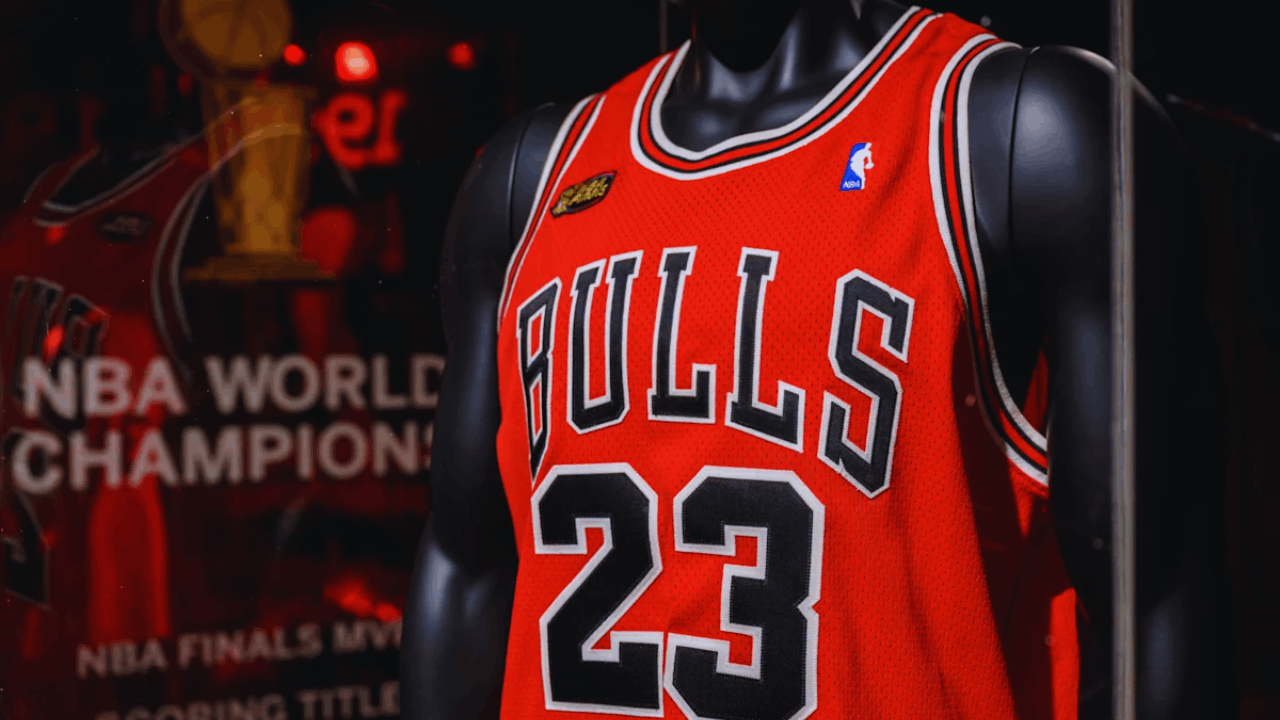
Catalog notes detailed the context inside his final Bulls title run and linked the shirt to the season captured in a landmark documentary.
The market response reflected the scarcity of Finals-used Jordan uniforms and the nostalgia surrounding that era. As a result, the piece turned into the modern reference point for elite game-worn apparel.
Diego Maradona’s 1986 “Hand of God” Match-Worn Shirt
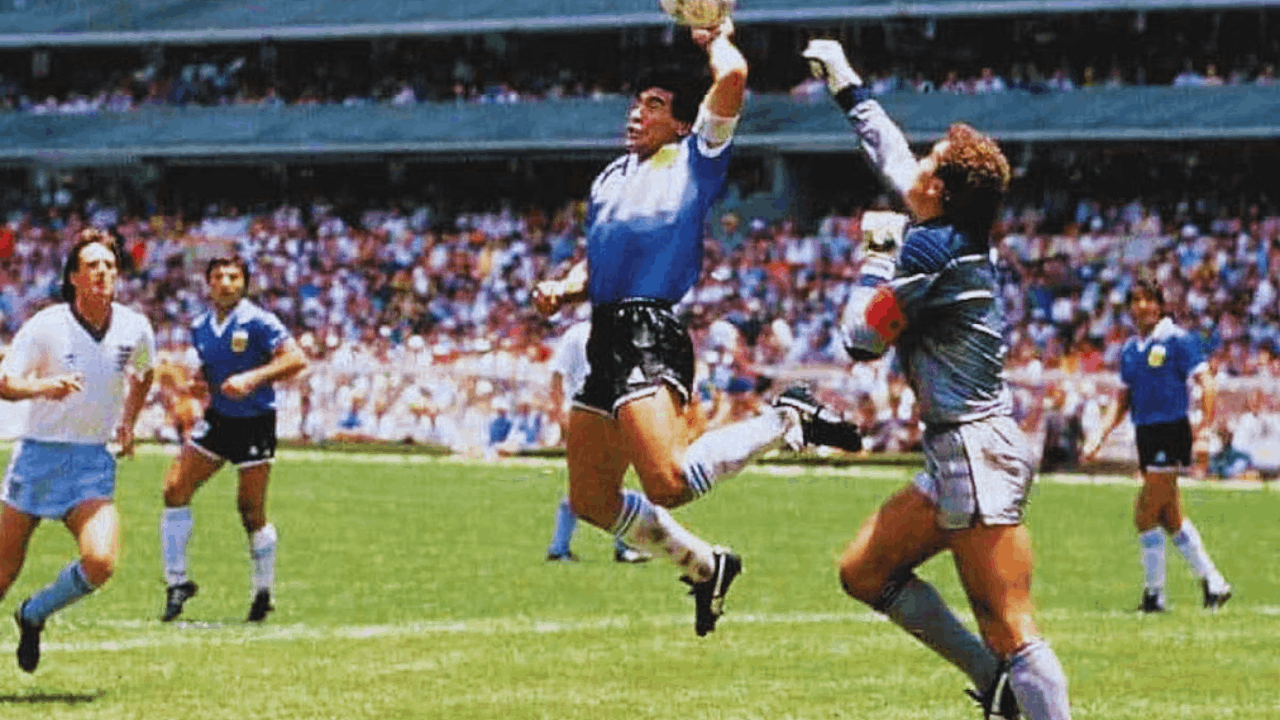
Diego Maradona’s Argentina shirt from the 1986 quarterfinal against England set a high-water mark for football jerseys.
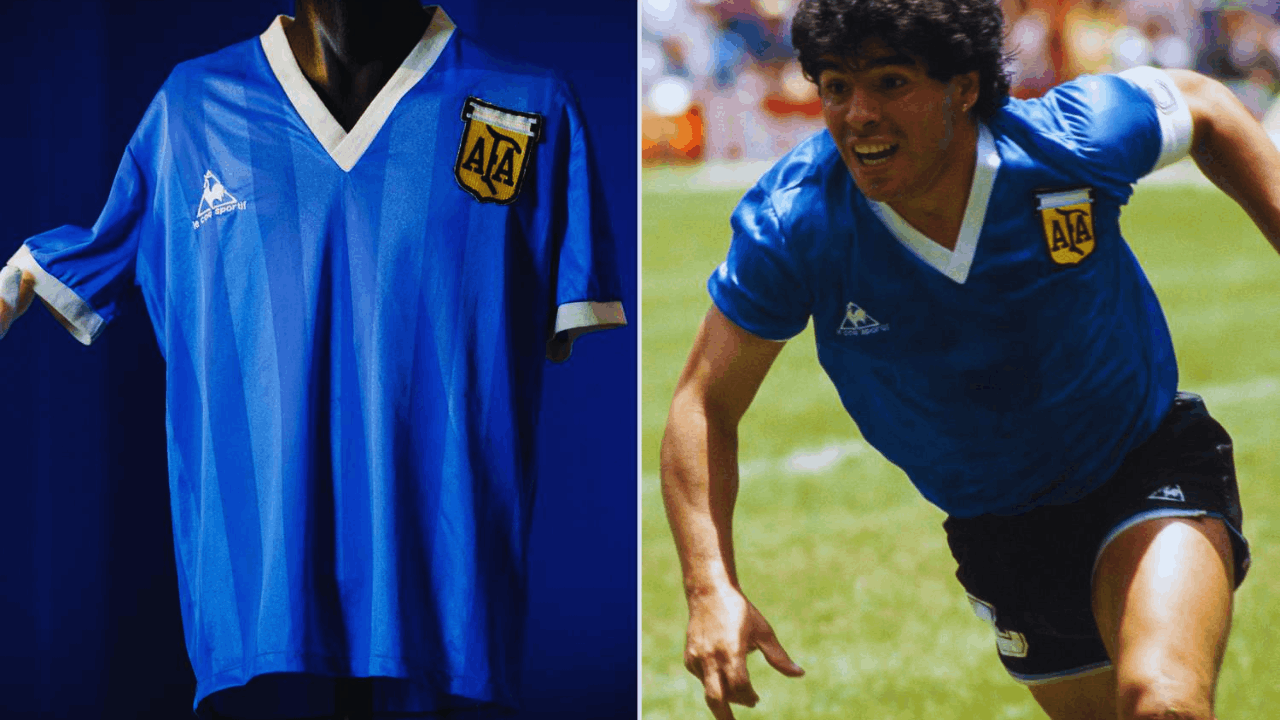
The evaluation process confirmed wear in the exact match that produced both the infamous handball and the “Goal of the Century.”
That duality—controversy with genius—gave the shirt unmatched storytelling power for curators and collectors. The artifact quickly became a centerpiece of football history collections worldwide.
Lionel Messi’s Six Shirts from the 2022 World Cup
A set of six shirts worn by Lionel Messi during Argentina’s 2022 World Cup campaign reached a multi-million-dollar result.
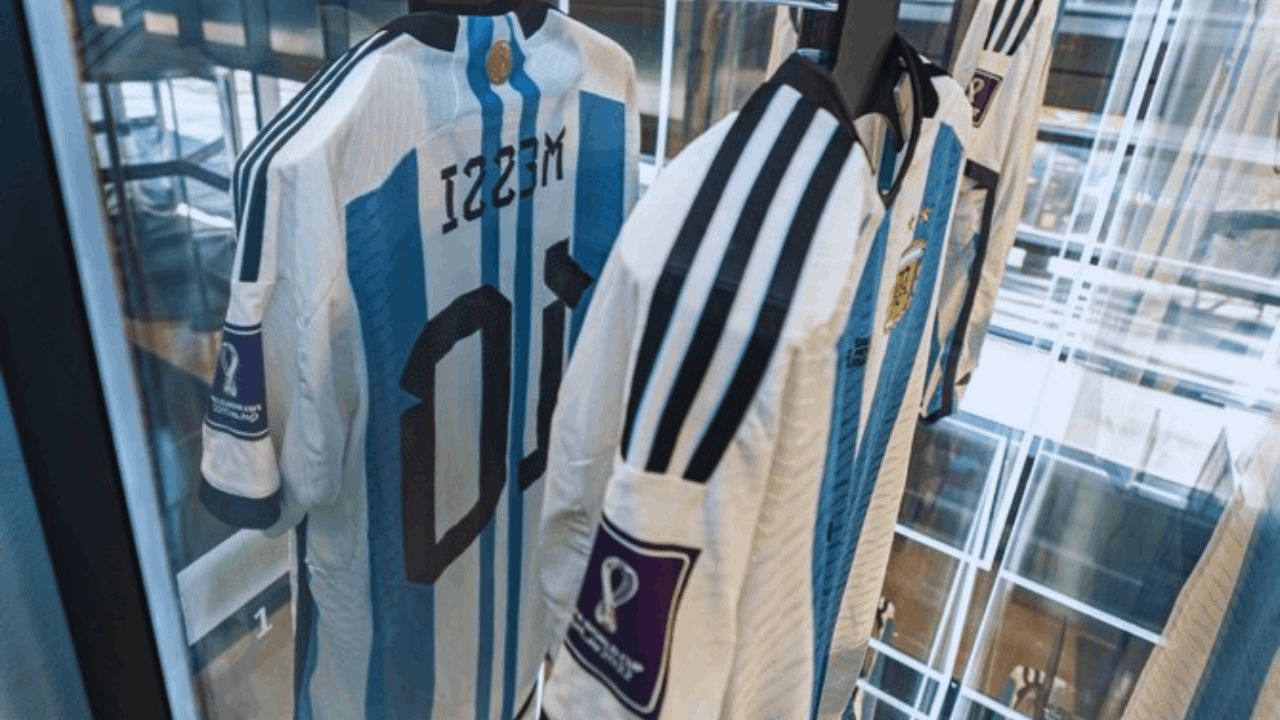
The grouping included a first-half jersey from the final against France, tying fabric to the most consequential minutes of his career.
By selling as a unified set, the items told a complete tournament narrative rather than isolated moments. The outcome signaled appetite for cohesive collections that document an entire arc of greatness.
Muhammad Ali’s “Rumble in the Jungle” WBC Championship Belt
Muhammad Ali’s WBC belt from his 1974 victory over George Foreman achieved a record price for a boxing championship piece.
Auction notes detailed the belt’s chain of custody and its link to one of sport’s most resonant nights. As a symbol, it binds the tactical brilliance of Zaire with Ali’s wider cultural legacy. That storytelling power turned the belt into an icon with price to match.
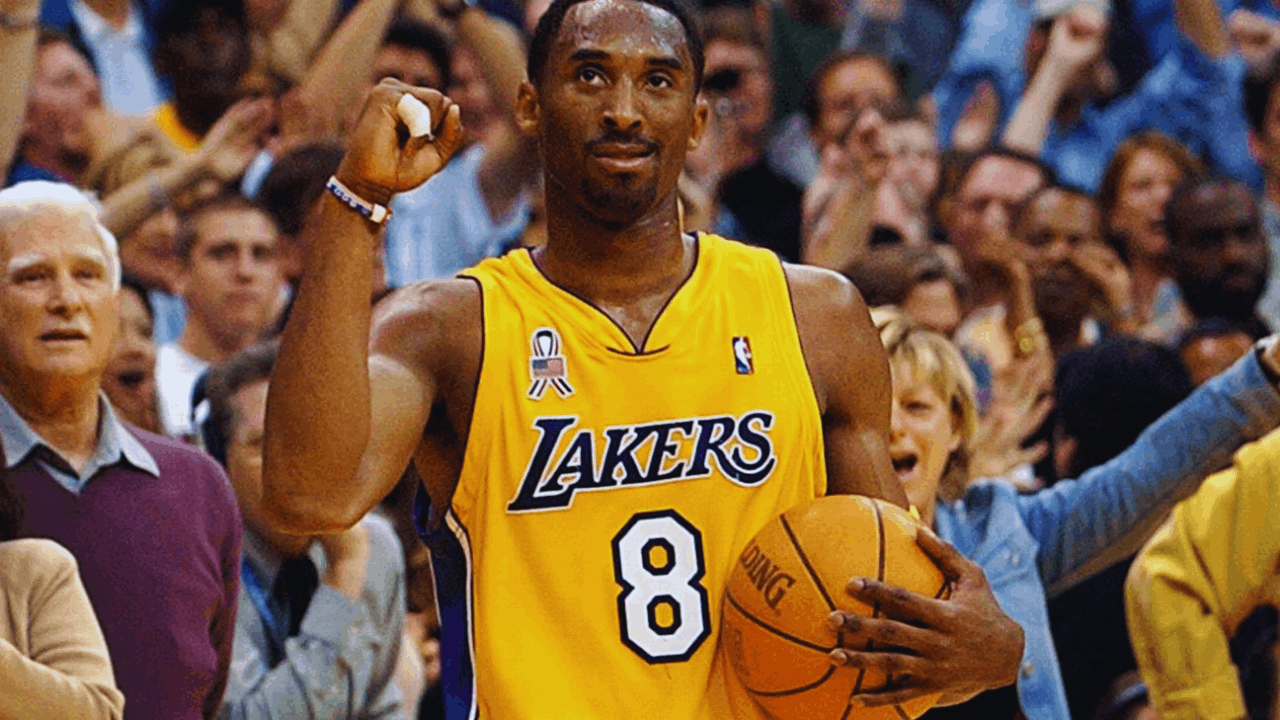
Kobe Bryant’s Rookie-Season Lakers Jersey
A photo-matched Kobe Bryant jersey worn across his 1996–97 rookie campaign set a new pinnacle for Bryant game-worn.
Earlier, an MVP-season example had already established momentum in the category and educated bidders on key comparables.
Specialists emphasized how debut-season material carries special weight in athlete narratives. Together, those results confirmed Bryant’s enduring pull in the game-worn market.
Babe Ruth’s 1928–30 Yankees Road Jersey
Before the “called shot” jersey reset the field, another Ruth road jersey brought a then-record result and stood as a benchmark for years.
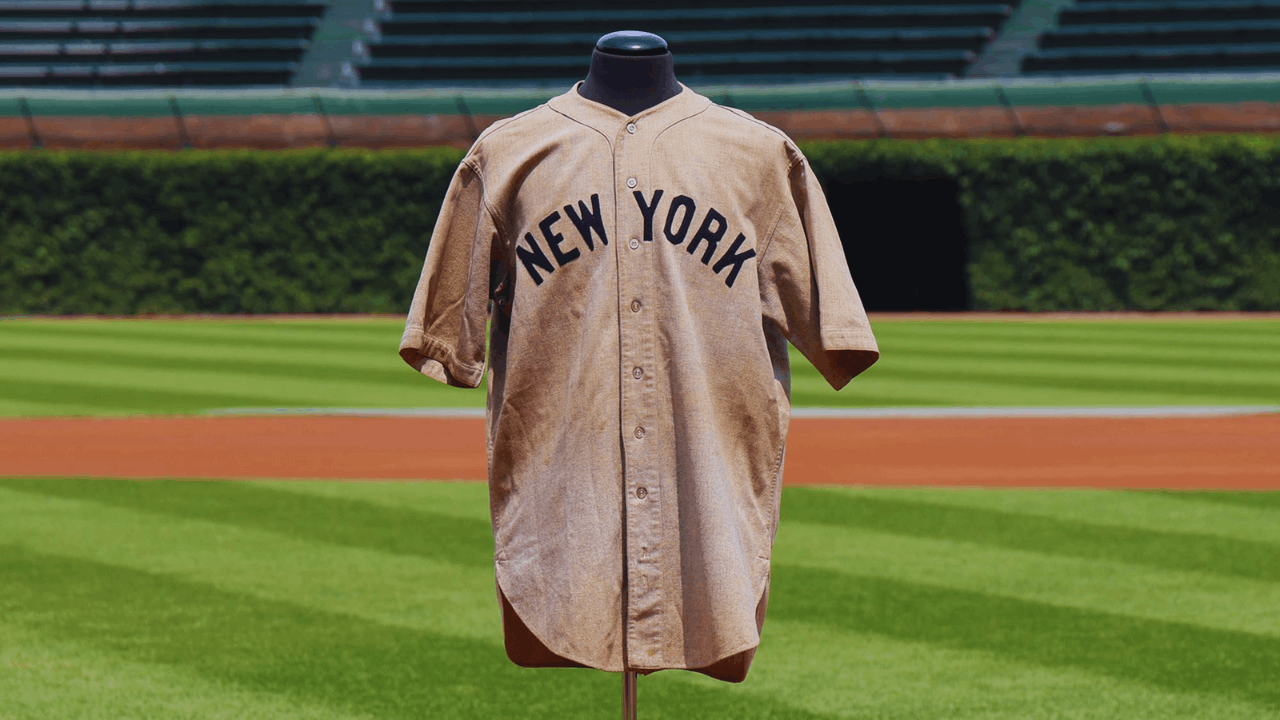
The figure shaped expectations for pre-war baseball apparel and signaled renewed institutional interest.
It also foreshadowed how improved photo-matching and research would supercharge valuations in the next cycle. Collectors still cite the sale as a turning point for early baseball textiles.
Michael Schumacher’s Ferrari F2003-GA (Chassis 229)
Formula 1 blurs the line between personal gear and competition machine, and Michael Schumacher’s title-clinching Ferrari proved that point.

Documentation recorded the car’s victories, poles, and championship significance, establishing it as the most successful chassis of its type.
As the vehicle that carried Schumacher to a sixth crown, the car functions like a wearable artifact at grand-prix scale. Its price reflects motorsport’s embrace of race-used hardware as the ultimate “personal item.”
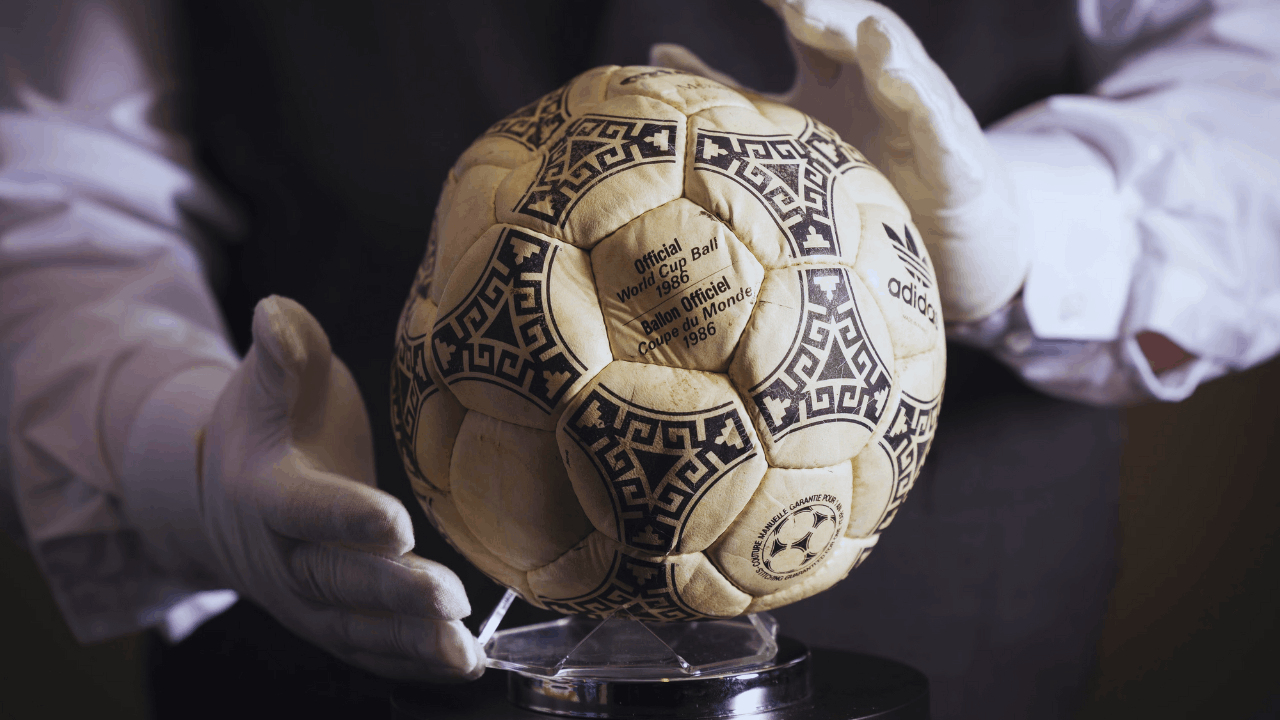
Diego Maradona’s 1986 World Cup “Hand of God” Ball
The actual match ball from Argentina vs. England, consigned by the referee, achieved a multi-million-dollar result in London.
The ball shared the field with both the handball and the “Goal of the Century,” giving it unique documentary power.
Few artifacts can claim such a dense concentration of meaning in a single game. That blend of controversy and artistry proved irresistible to bidders around the world.
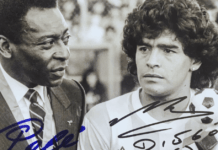
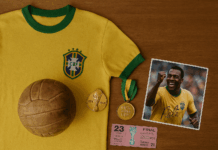
Pelé’s 1970 FIFA World Cup Winners’ Medal
Pelé’s personal 1970 winners’ medal set a record for any football medal when it reached the block.
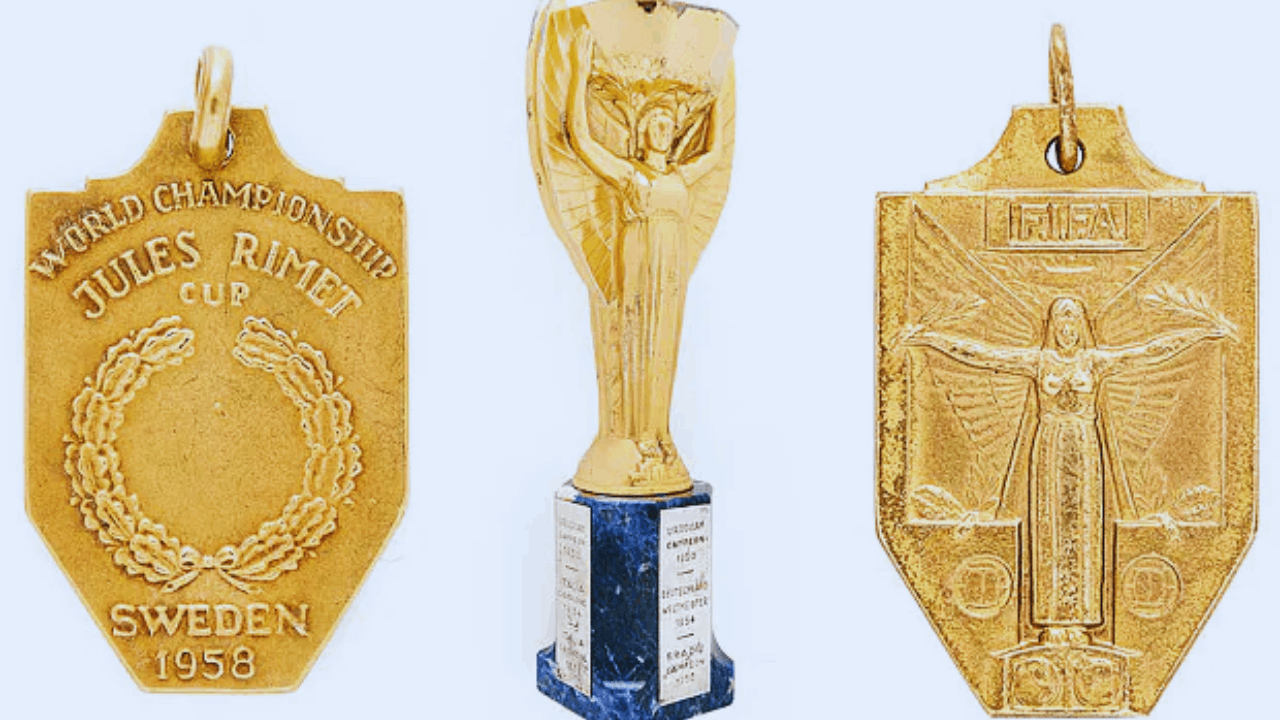
The sale formed part of the most comprehensive Pelé collection ever offered and highlighted his unprecedented international résumé.
Recognition by record-keeping authorities later confirmed the benchmark for medals. The piece encapsulates Brazil’s golden image of 1970 and the apex of Pelé’s World Cup journey.
How Auction Craft and Authentication Shape Prices
Auction houses publish catalog notes, photo-matches, and conservation details that transform rumor into evidence. They stage previews and media narratives that invite new entrants while giving veterans confidence to bid deeper.
Public prices then anchor future appraisals and private treaty deals, creating a virtuous cycle of transparency. In that loop, the best-documented items rise fastest and hold value longest.
Granular matching and chain-of-custody records now decide margins between seven and eight figures. When a jersey, belt, or car can be pinned to a specific date or milestone, the proof becomes part of the item.
That documentation travels with the object and serves as its passport in future sales. Over time, these files become as collectible as the artifacts they describe.
Reading the Market Through These Ten Icons
Taken together, these results show that sport has matured into a museum-grade collecting field. Multi-million-dollar outcomes no longer surprise when an item fuses an indelible moment with proof that satisfies scholars and fans.
Cross-sport demand also widens the buyer base, putting a boxer’s belt, a football shirt, and a Formula 1 car in the same conversation. That convergence keeps liquidity healthy even as tastes evolve.
Timing still matters, because documentaries, anniversaries, and active careers can amplify bidding. Yet the throughline is evidence rather than hype, with price spikes sustained by data that can be checked.
Institutions and auction houses have leaned into that shift by opening archives and publishing research. The market rewards those efforts with deeper participation and stronger records.
Conclusion
Understanding personal items of legends that became valuable on the market means tracking how story, proof, and timing lock together. Jerseys tied to defining plays, belts worn on epochal nights, and machines that won titles all convert memory into measurable worth.
When authenticated and well presented, these pieces become a portable form of sports history that collectors are eager to steward. The lesson is simple: the closer an object sits to an immortal moment—and the clearer the evidence—the more enduring its value will be.