Brazil’s glittering victory in Mexico did more than add another star above the crest, because it rewired how a nation understands its team and itself.
This article explains the impact of the 1970 World Cup on Brazilian football culture, grounding every claim in official and trusted sources. You will see how a televised, technicolor spectacle met a once-in-a-generation squad to create a lasting cultural script.
The goal is to trace what changed in stadiums, living rooms, and memory—and why those changes still shape Brazil’s identity today.
Why 1970 Became a Cultural Watershed
The watershed label fits because Mexico 1970 altered how football looked, sounded, and felt inside Brazilian homes.
For the first time, broadcast technology and a fully global schedule delivered a shared timeline for celebration and analysis.
The team’s style met a medium that could finally capture its rhythm and detail without distortion.
What followed was a fusion of aesthetics and strategy that redefined how Brazilians watched and discussed the game.
The First Truly Global, Color-TV World Cup
Mexico 1970 was the first World Cup widely broadcast live worldwide in color, turning matches into shared, transnational events.
Contemporary media regulators later called the shift to color during the Mexico tournament the most significant broadcast advance before HD, reinforcing the event’s audiovisual step-change.
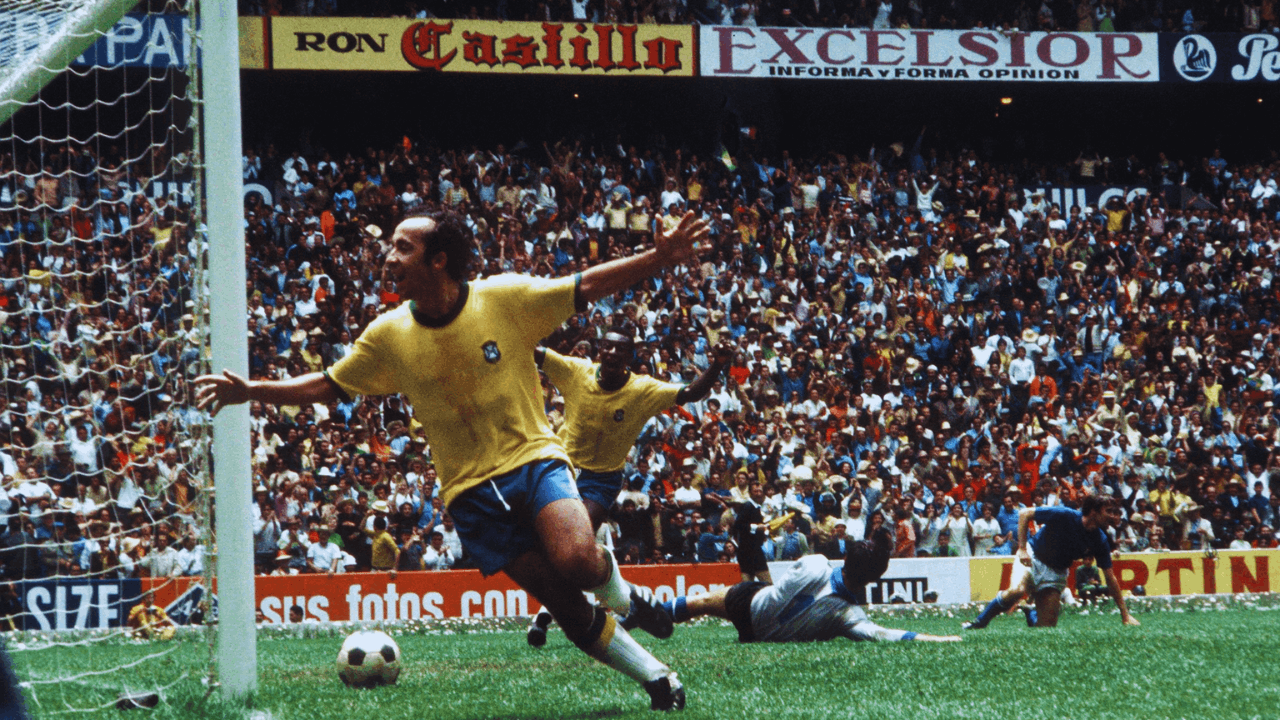
For Brazil, this meant Pelé’s header and Carlos Alberto’s strike became vivid household images rather than grainy highlights. A brighter palette made the seleção’s style easier to read and celebrate across borders in real time.
A Team Built for the Screen and for the Ages
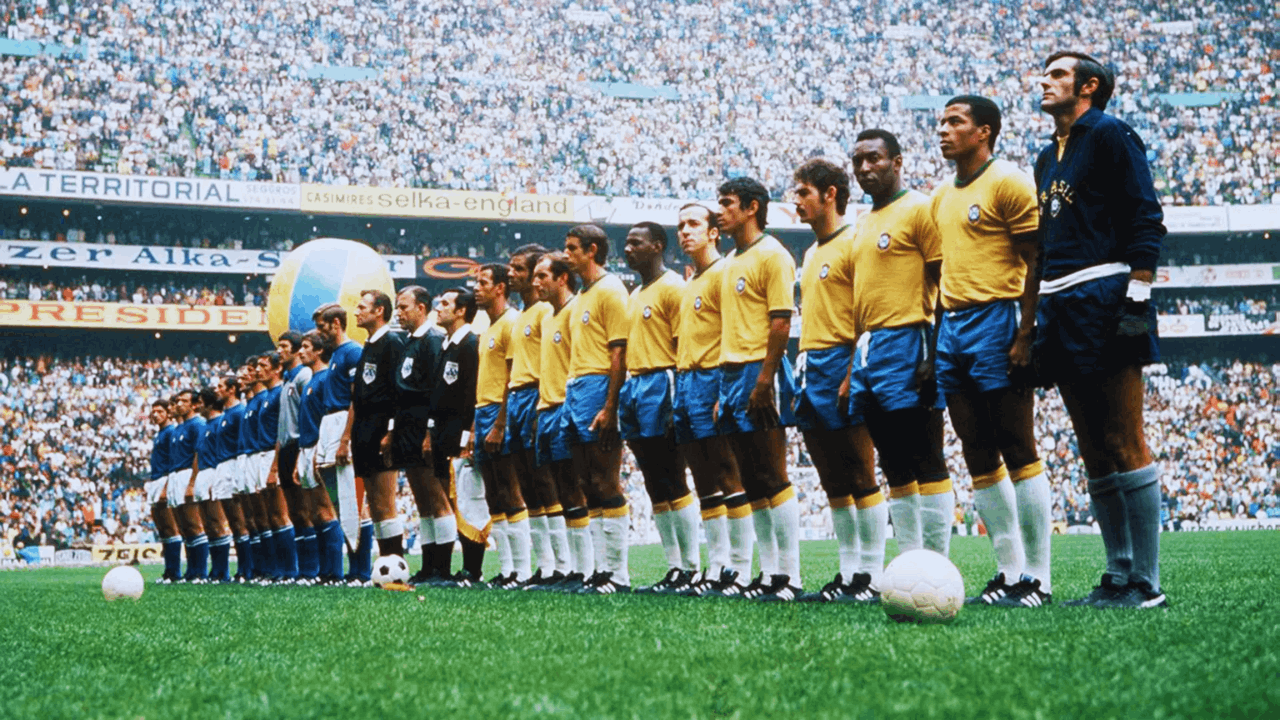
Brazil’s side—Pelé, Jairzinho, Gérson, Tostão, and Rivellino—married technique with rhythms that television could follow and replay.
FIFA’s own histories and features consistently describe the 1970 champions as one of the greatest teams ever assembled, with the captain’s clincher in the final still held up as an all-time reference point.
The performance sealed Pelé’s unique status as a three-time World Cup winner, a distinction recorded by authoritative encyclopedias and football bodies. The result was a squad that fit the medium and defined an ideal of “futebol-arte” that museums, films, and classrooms revisit.
New Rules, New Rituals, and a New Vocabulary
Mexico 1970 introduced yellow and red cards to the World Cup, creating a universal visual language for discipline that spectators instantly understood on screen.
That same tournament inaugurated substitutions in World Cup play, altering how coaches shaped tempo and risk over ninety minutes.
The changes standardized fan comprehension and deepened tactical narratives carried by broadcasters for global audiences. In Brazil, those on-screen symbols entered everyday talk about the game and fed a more analytical fandom.
The Ball That Rebranded the Game’s Look
Adidas’s Telstar debuted as the first official World Cup ball lineage, a high-contrast design built to register on television. FIFA’s account credits Mexico 1970 with launching the modern ball era and redefining football’s visual identity for screens.
The black-and-white panels helped viewers follow flight and spin, cinching the marriage of design and mass broadcast.
In Brazil, the Telstar’s imagery fused with the team’s fluid play to fix a distinctive aesthetic in public memory.
How the 1970 Triumph Reshaped Brazilian Identity
The triumph reshaped identity by giving Brazil a vivid portfolio of icons, sayings, and sequences that became national shorthand.
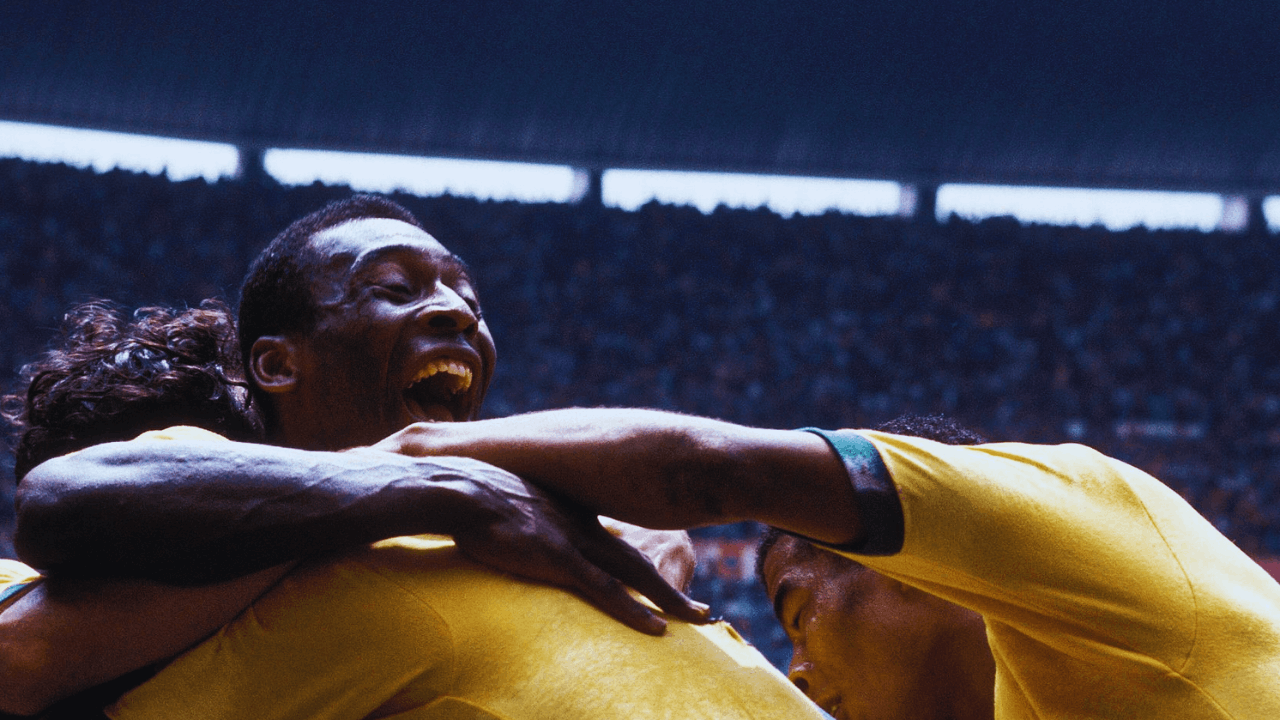
Government messaging intersected with genuine popular joy, which complicated but did not diminish the victory’s emotional charge.
Heroes emerged whose images traveled with unprecedented speed and clarity into schools and living rooms.
Each element strengthened the story that Brazilian football could define global excellence on its own terms.
National Pride, Political Backdrop, and Cultural Messaging
The Médici military regime recognized the unifying power of the seleção and tightly entwined the 1970 campaign with patriotic messaging.
Contemporary and retrospective reporting records how official slogans and media choreography amplified the team’s run, underscoring football’s political resonance that season.
Scholars and reputable outlets have since read 1970 as a case study in sport’s capacity to symbolize and to distract under authoritarian contexts. The victory thus sits at a crossroads of genuine popular joy and state-framed narrative, which remains part of how Brazilians remember the tournament.
Pelé’s Third Crown and the Globalization of a Brazilian Hero
Pelé’s third World Cup win formalized a singular career arc and broadcast a Brazilian icon to millions in real time.
Encyclopædia Britannica’s profile and FIFA materials summarize his record as the only three-time World Cup winner and a global figure beyond sport.
Those credentials carried back into Brazilian culture as proof that domestic styles could set the global standard. Over decades, Pelé’s 1970 imagery fed school lessons, museums, and international tours that reinforced a shared football vocabulary.
The Goal That Became a National Storyboard
Carlos Alberto’s fourth goal in the final, a team move involving almost every outfield player, became a national storyboard for collective brilliance.
FIFA’s retrospective singles the strike out as an all-time World Cup moment, useful to explain timing, support play, and finishing as a philosophy.
In Brazil, coaches and fans cite the sequence as proof that creativity and structure can coexist without contradiction. The clip endures as a teaching tool because it compresses roles, trust, and technique into seconds.
The Trophy That Symbolized Arrival—and Its Afterlife
By winning a third title, Brazil earned the right to keep the Jules Rimet Trophy, fulfilling a stipulation recorded in official and reference sources.
The cup’s later theft in 1983—and the fact it was never recovered—added a bittersweet coda to the symbol of 1970’s apotheosis.
FIFA and wire reports note that part of the original base resurfaced decades later in Zurich, preserving a fragment of the lost icon. The saga deepened the cultural aura around 1970 by linking glory with a mystery that still fascinates fans.
A Broadcast Soundtrack for Memory and Community
Because Mexico 1970 reached homes in vivid color, Brazilians tethered match images to domestic rituals of watching and celebrating together.
Regulators and media histories later framed the 1970 broadcast step as foundational for football’s TV economy and fan practices.
Replays, music, and commentary created a national soundscape that stitched sport into everyday life beyond stadiums. Those habits—gathering, narrating, and archiving—formed a cultural template that subsequent generations inherited.
Legacies in Style, Training, and Youth Pathways
The legacies of 1970 appear in how Brazilian teams speak about roles, how coaches design attacks, and how museums frame memory.
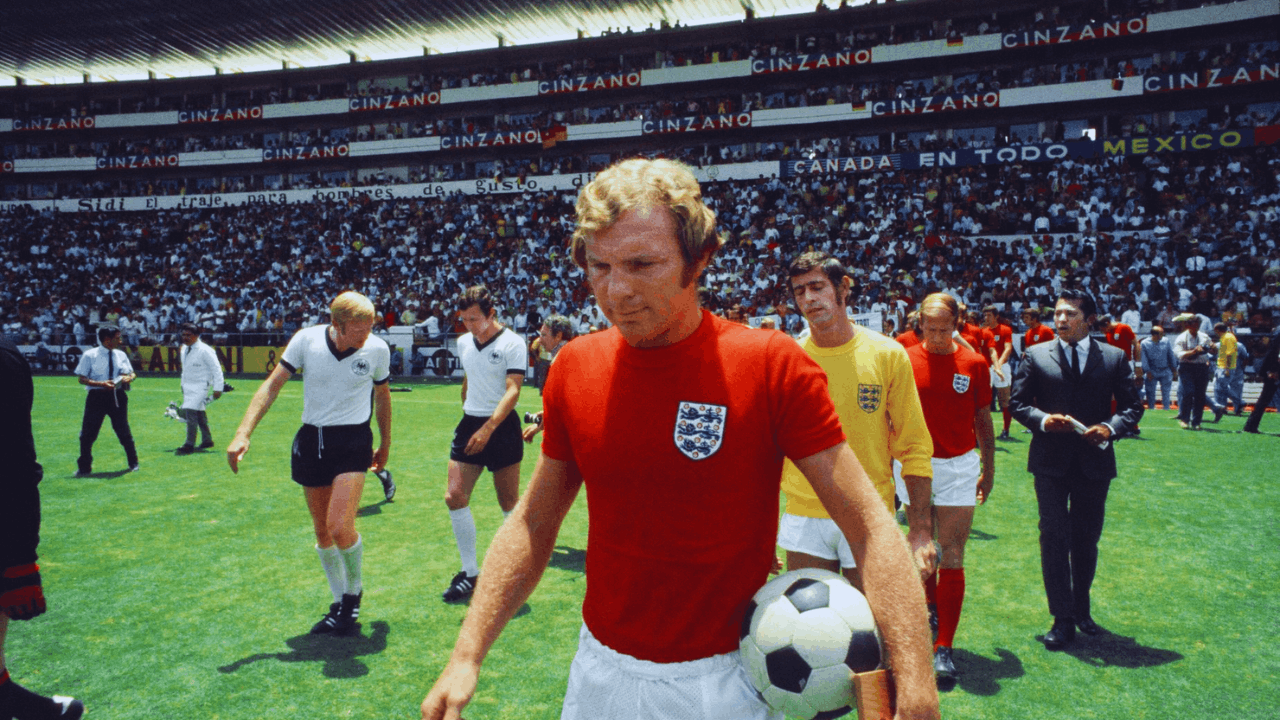
Tactical language absorbed the idea that creativity could be systematized without losing freedom.
Youth development borrowed examples and icons that clarified what excellence looked like under pressure. Even today, broadcasts and classrooms return to the same clips to teach decision-making and rhythm.
The Idea of “Five No. 10s” and a Fluid Attacking Grammar
Analyses by coaches and historians emphasize how Brazil’s 1970 side managed multiple playmakers at once without sacrificing balance.
Whether diagrammed as a flexible 4-2-3-1 or a fluid variant, the principle was to accommodate creators and make space for late runners and diagonal switches.
That concept reshaped how Brazilian coaches talked about roles, privileging intelligence and rotation over rigid positions. The language of “futebol-arte” gained a tactical footing that youth coaches could articulate and replicate.
Jairzinho’s Record and the Standard for Decisive Wingers
Jairzinho scored in every match at Mexico 1970, a benchmark FIFA continues to highlight when tracing historic scoring streaks.
That perfect sequence recast the wide forward in Brazilian discourse as a finisher as well as a dribbler or creator. Youth coaches could point to a winger whose primary contribution was end-product under knockout pressure.
The archetype stuck, informing how clubs scouted and how supporters judged forwards who played from the flank.
Coaching Confidence and the Zagallo Precedent
Mário Zagallo’s trajectory—from champion player to champion coach—supplied a role model for Brazilian bench culture.
FIFA’s interviews and official reflections underline how his authority to blend stars and enforce collective tasks became part of coaching folklore.
Future managers invoked 1970 not only to claim aesthetic lineage but to defend difficult selection calls in star-heavy squads. The precedent encouraged Brazilian coaches to assert tactical bravery within a tradition that prized expression.
Objects, Images, and the Museum of Everyday Life
Official World Cup features, national archives, and football museums keep circulating Mexico 1970’s artifacts and stories.
The ball, the shirts, and curated clips reliably reappear in exhibitions, school resources, and anniversary programming that reach across Brazil.
Material culture thus locks the tournament into ordinary spaces, from classrooms to café screens, keeping memory active. The permanence of these objects helps explain why the team still convenes national feeling long after the final whistle.
The Broadcast Template That Future World Cups Emulated
FIFA’s own storytelling about Mexico 1970—its images, ball design, and narrative arcs—became a template for later tournaments.
Media coverage replicated the balance of individual myth and team sequence inaugurated by Brazil’s final goal.
Producers learned how to pace replays, isolate reactions, and intercut crowd shots to amplify storylines. As that craft matured, Brazil’s 1970 iconography kept supplying reference scenes for directors and editors.
How Color, Design, and Rules Entered Fan Language
The Telstar’s geometry, the new cards, and the sight of substitutes changing matches migrated into Brazilian fan talk.
Because those features were both visual and decisive, they lent themselves to nicknames, metaphors, and shorthand used in conversation and media.
Over time, that vocabulary helped Brazilians analyze the game with more precision and fewer ambiguities. The 1970 tournament therefore changed not just what fans saw but how they spoke about football.
The Trophy’s Loss and the Ethics of Stewardship
The theft of the Jules Rimet in 1983 forced a national conversation about preservation and access. Reports by FIFA and global media reiterated that the original cup never returned, while a long-misplaced base resurfaced in federation archives.
The episode catalyzed stricter security and clearer protocols in Brazilian institutions that conserve football heritage.
In cultural terms, it also turned 1970’s prize into a legend—part triumph, part cautionary tale, and wholly unforgettable.
Why 1970 Still Feels Contemporary on Screen
Because Mexico 1970’s images were broadcast with clarity and edited into coherent stories, they remain easy to re-contextualize for new platforms.
Highlights and explainers built from official footage can slot into today’s formats without losing legibility.
That adaptability keeps the team present in short-form video, museum interactives, and documentaries alike. The effect is to keep 1970 emotionally current for fans born decades later.
Conclusion
Understanding the impact of the 1970 World Cup on Brazilian football culture requires seeing a perfect storm of broadcast innovation, tactical fluency, and symbolic power. Mexico 1970 gave Brazil a shared set of images, rules, and objects that still organize how the nation talks about greatness.
Half a century on, the tournament continues to teach Brazil how to watch, how to play, and how to turn football into durable cultural meaning.