Sports history is full of small rituals that grew into legend and reshaped how fans see their heroes. This feature tracks player superstitions that became folklore, showing how private habits turned into public myths across leagues and eras.
You will see how routines around clothing, color, food, and pregame theatrics became inseparable from performance narratives.
The goal is to ground each superstition in trusted sources while explaining why the story endures far beyond a single season.
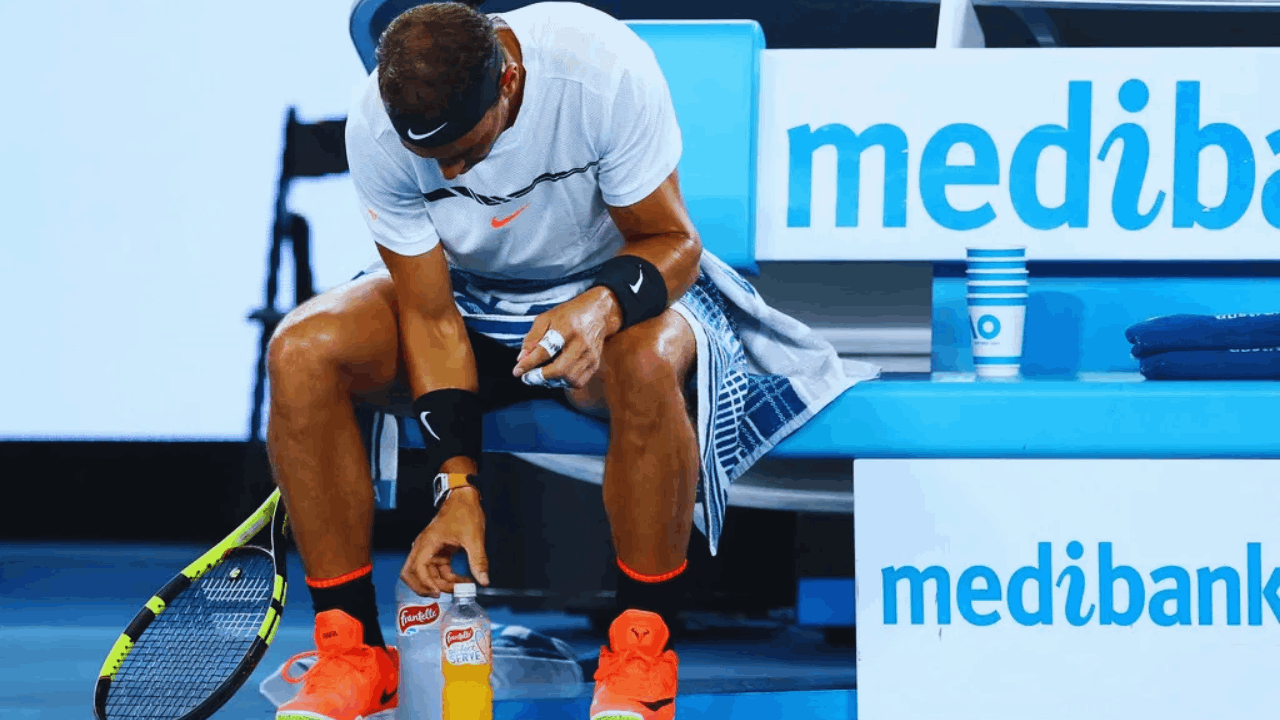
Michael Jordan’s UNC Shorts Under His Bulls Kit
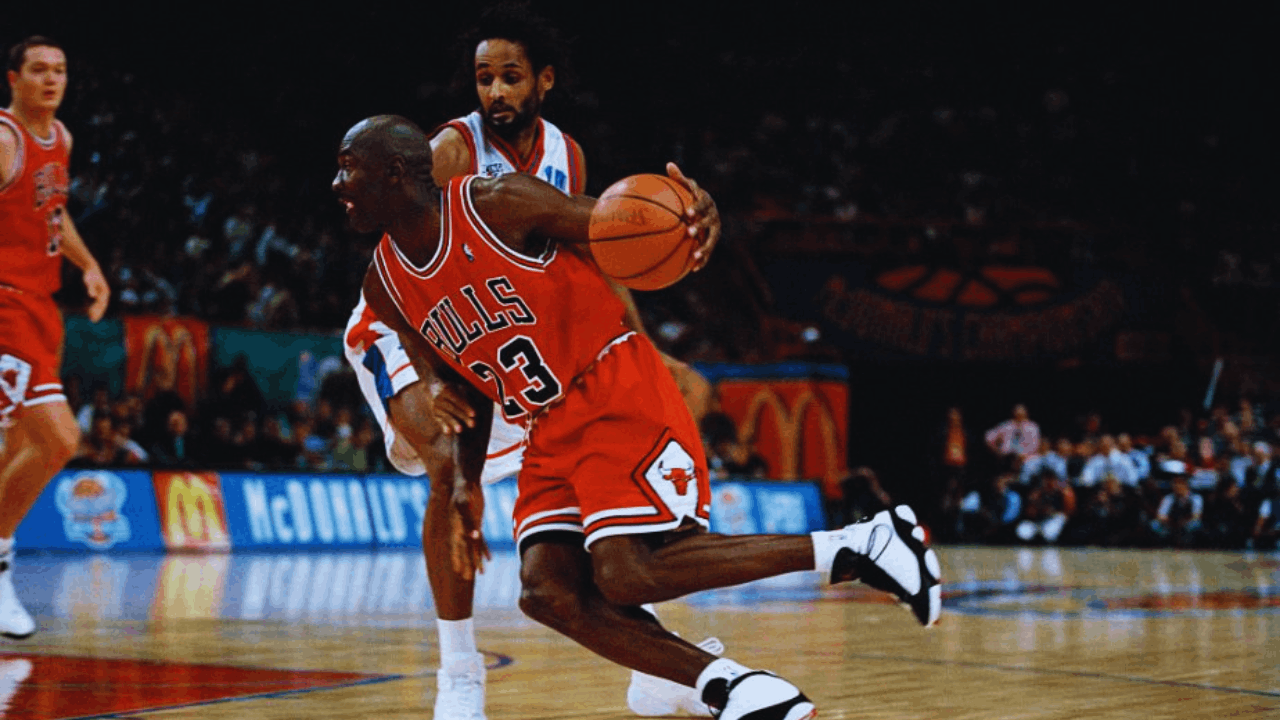
Michael Jordan believed his University of North Carolina practice shorts were lucky and wore them under his professional uniform for years.
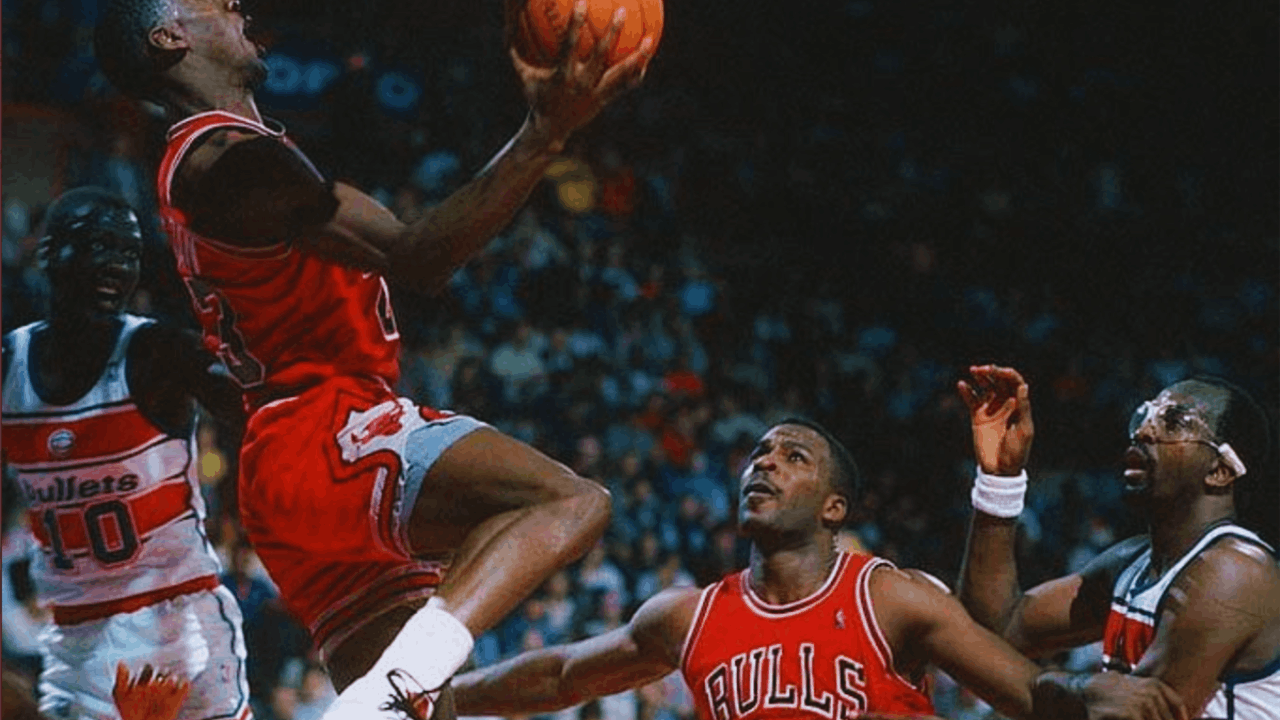
Team and league features have documented the routine as part of his wider habit set during Chicago’s title runs. The detail matters because it links college identity with a professional dynasty, creating a throughline fans could memorize.
Over time, the hidden garment became an origin myth for competitive continuity and confidence. The practice never interfered with play, which helped it read as focus rather than fuss.
Rafael Nadal’s Water-Bottle Geometry on Court
Rafael Nadal’s courtside bottles are placed with labels aligned and distances measured, and the pattern has been referenced by officials, rivals, and broadcasters.
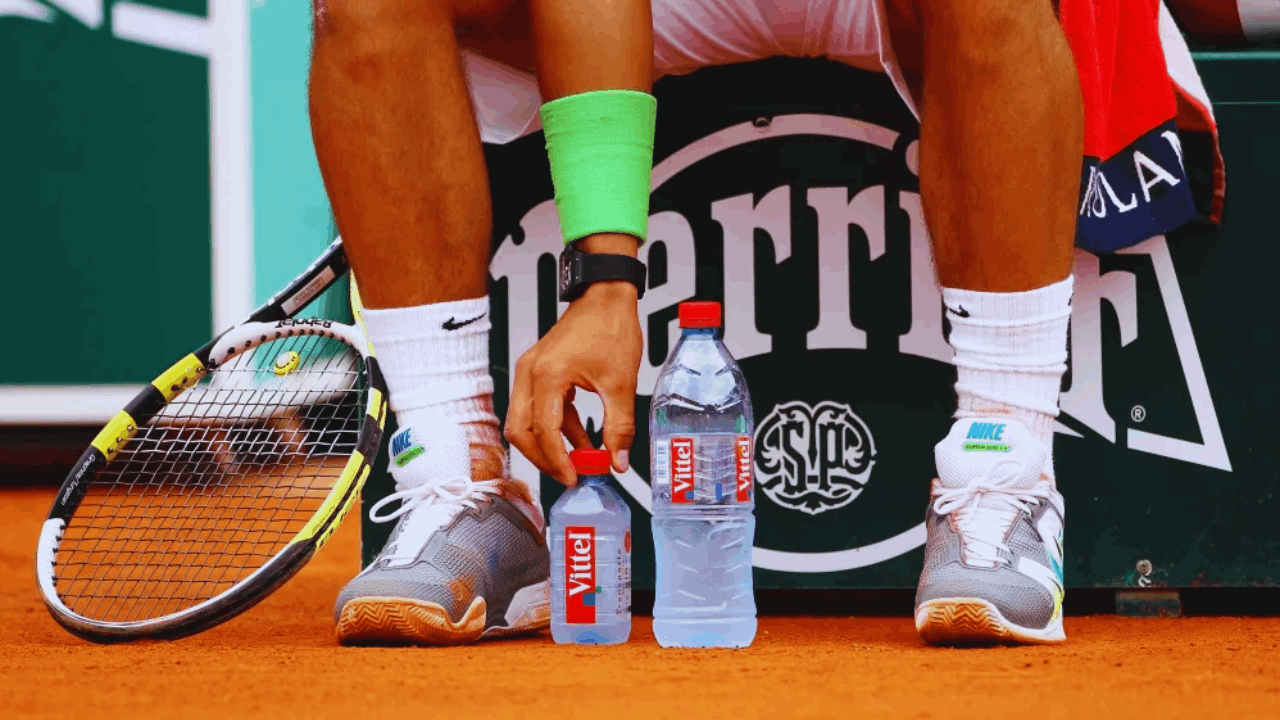
The ritual is precise enough to be recognizable yet quick enough not to slow a match, which keeps it within etiquette. It signals control before a serve is struck and sets a baseline rhythm that cameras anticipate.
As a visual, it photographs as order amid chaos and turns routine into iconography. By repeating the arrangement everywhere, he makes unfamiliar venues feel psychologically familiar.
Serena Williams’ Tournament Socks and Serving Count
Serena Williams’ matchday habits have included wearing the same socks for an event and maintaining a fixed bounce count before serve.
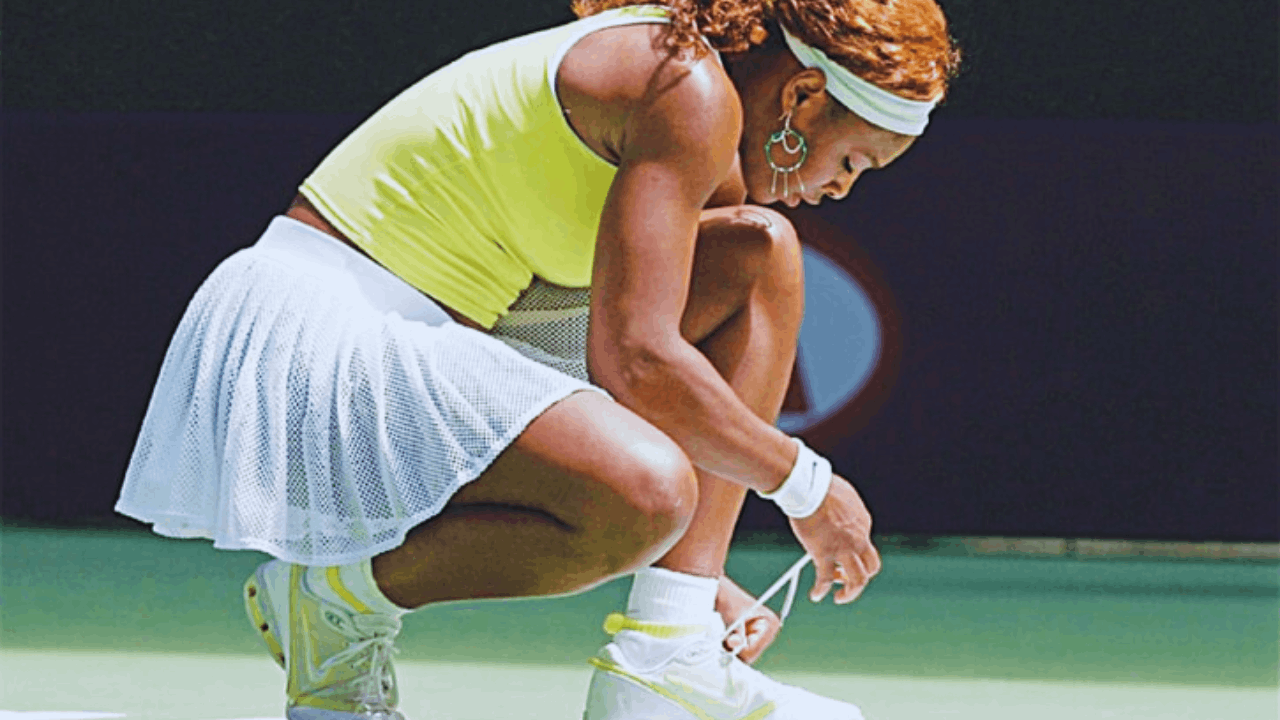
Because she paired these cues with sustained dominance, they became part of a champion’s toolkit rather than a quirky footnote.
Television close-ups turned the sequence into a shared metronome that fans could anticipate with rising tension.
The predictability sharpened focus for her and narrative clarity for viewers at home. Over time, the ritual became shorthand for poise under pressure.
Tiger Woods’ Sunday Red
Tiger Woods wears red in final rounds, linking the color to belief, family guidance, and closing-day resolve.
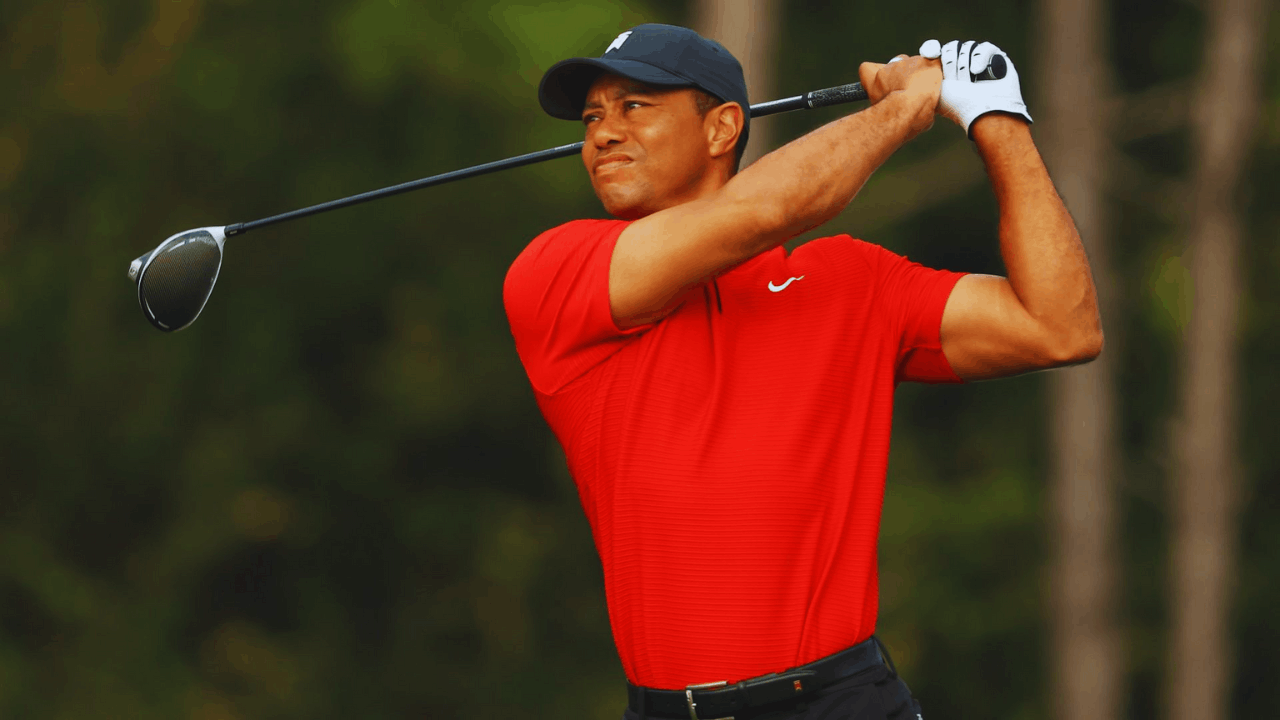
The tradition survived sponsor changes and eras, which only strengthened its association with late-stage drama. For fans, the shirt is a visual cue that the tournament has entered its decisive act.
For television, it is a clean symbol to cut to whenever the leaderboard tightens. Even opponents have nodded to the look, proving how a superstition can become a sport-wide sign.
Björn Borg’s Wimbledon Beard
Björn Borg popularized a no-shave policy during Wimbledon, letting a beard grow as he advanced through the draw.
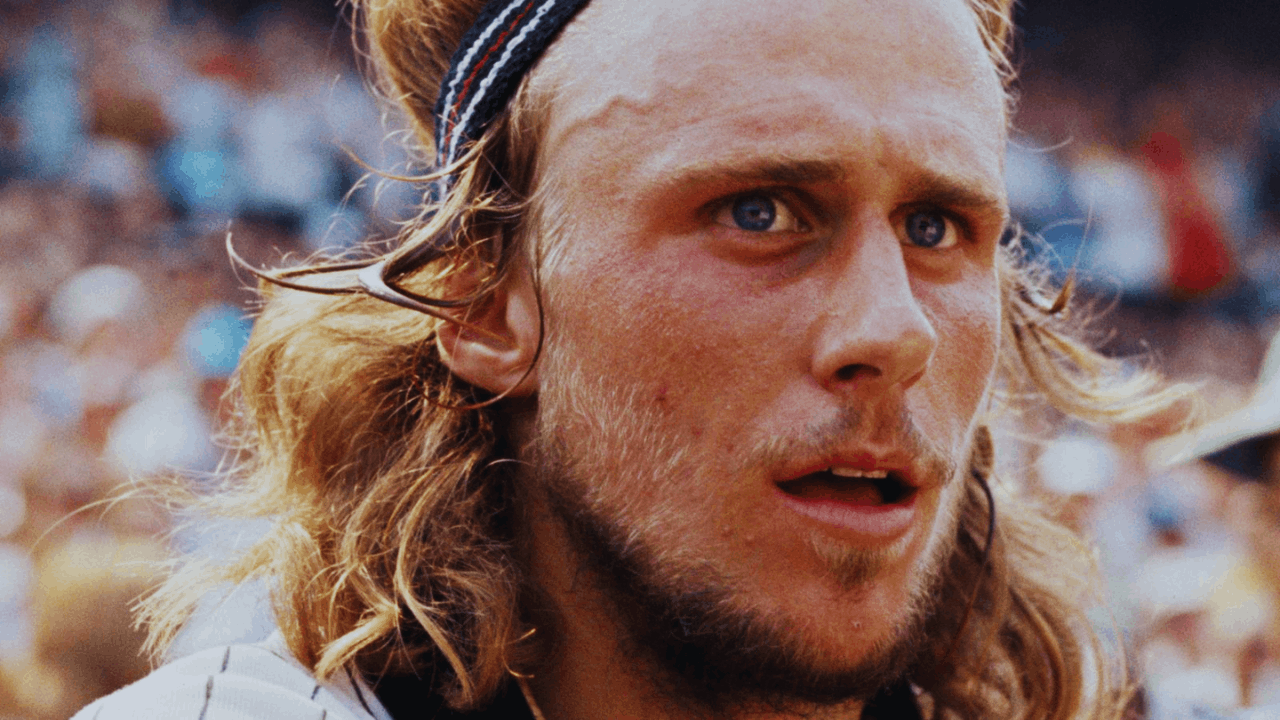
Photographs recorded the transformation from clean-shaven early rounds to bearded finals and turned grooming into omen.
The look matched his ice-calm persona, suggesting inner stillness rather than mere scruff. Each victory added both statistical backing and cultural weight to the ritual.
That compounding effect explains why the beard still gets name-checked whenever a contender gathers momentum.
Wade Boggs’ Chicken and the Clock
Wade Boggs ate chicken before games and timed warmups to precise minutes, a program teammates memorized and media amplified.
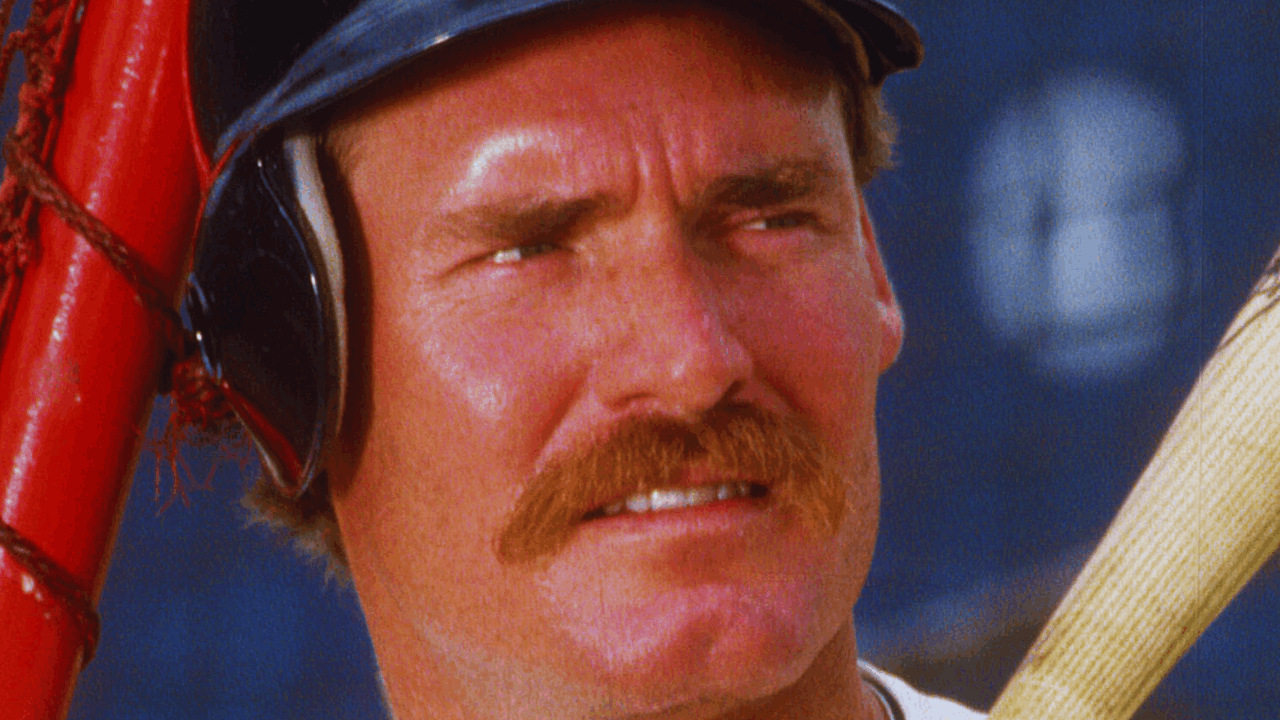
The specificity—down to repeated minute marks—made the superstition measurable and easy to retell. Because his production stayed elite, the routine dodged skepticism and became evidence of a working system.
Fans adopted pieces of it at home, which multiplied the story’s reach across ballparks. In folklore terms, dinner and the clock turned preparation into plot.
Jason Giambi’s Slump-Busting Thong
Jason Giambi kept a “lucky thong” for slumps, and the locker-room tale quickly leapt to national airwaves.
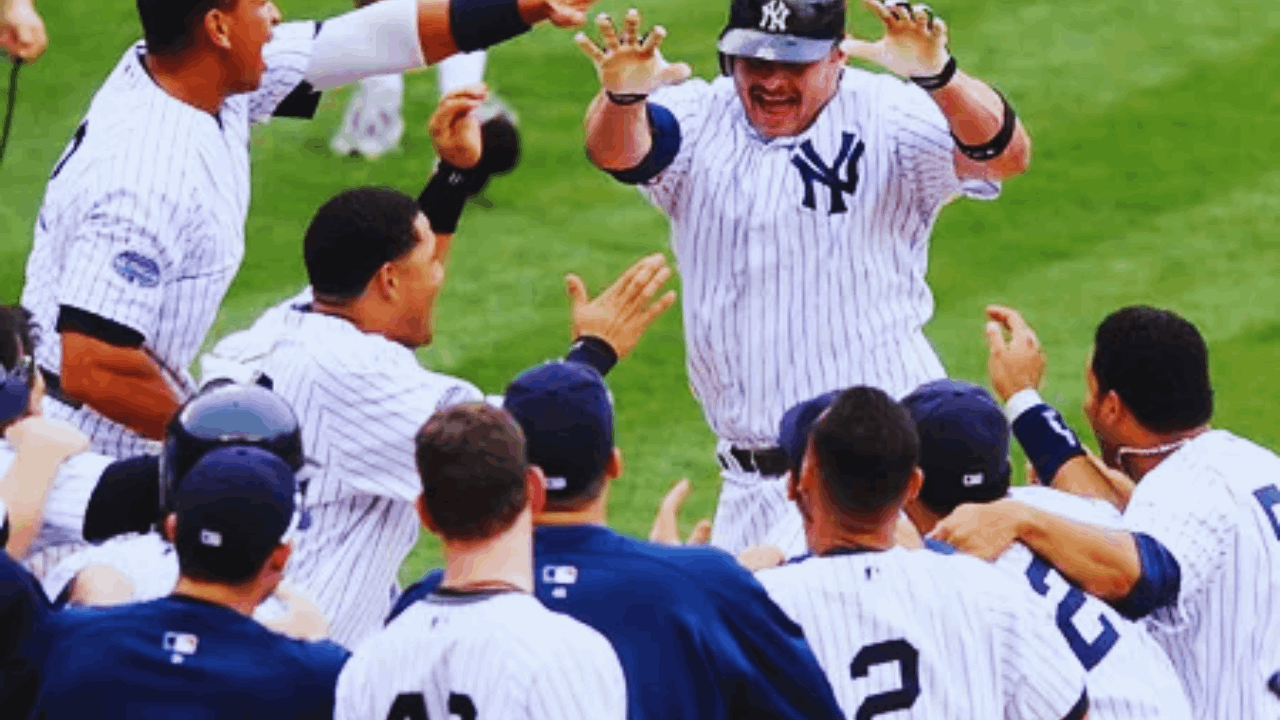
The story thrives because it collides baseball’s superstition-rich culture with an absurd prop no metric could predict. Teammates occasionally played along, which turned a private fix into a communal bit.
Hits brought the legend fresh oxygen and gave the gag a scoreboard measure. Humor plus results is why the anecdote keeps resurfacing in retrospectives.
Laurent Blanc’s Kiss on Fabien Barthez’s Head
During France’s 1998 World Cup run, captain Laurent Blanc kissed goalkeeper Fabien Barthez’s shaved head before kickoff.
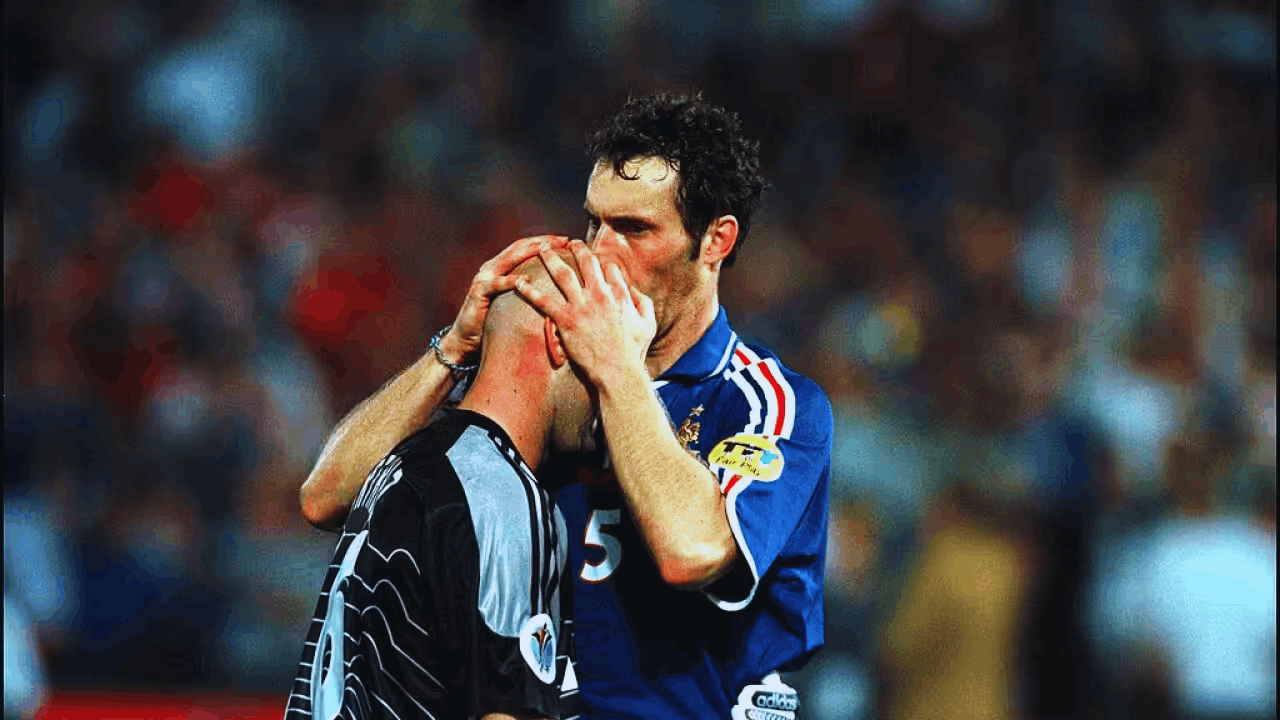
The gesture captured trust, role clarity, and calm in a single, easily televised image. As wins stacked up, the ritual graduated from quirk to talisman in the national narrative.
Goalkeeping invites ritual because the position straddles solitude and pressure, and this moment softened that edge. Even now, the kiss is among the first pictures recalled when that team’s chemistry is discussed.
Dale Earnhardt’s Lucky Penny
On the eve of the 1998 Daytona 500, a young fan handed Dale Earnhardt a penny that he glued to his dashboard.
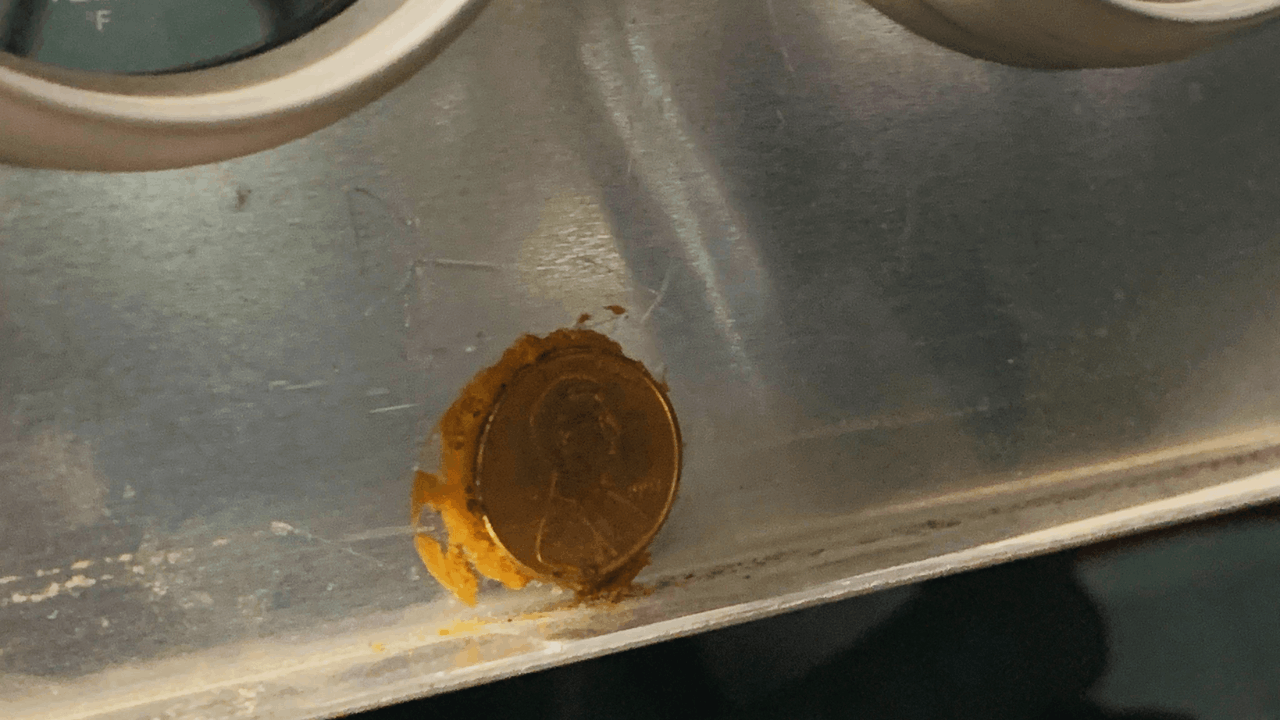
He then won the race that had long eluded him, and the coin entered motor racing lore instantly. Because the talisman was visible in photos, fans could point to it and pass the meaning forward.
Museums and team archives preserved the artifact and the story, keeping the myth tangible. A small circle of copper became the hinge in a decades-long pursuit.
LeBron James’ Chalk Toss
LeBron James’ talcum toss turned a warmup into theater and gave arenas a ritual to stage around.
The cloud is bold, photogenic, and perfectly timed to maximum attention just before introductions end. Fans lift thousands of phones in unison, which turns the moment into a communal ceremony.
Even pauses or retirements of the toss become news, adding chapters to the tale. In a way, the ritual has outlived the powder and become pure expectation.
Why These Superstitions Took Root
Each superstition pairs legibility with narrative, which is why it stuck in public memory. The habit is simple enough to explain in a sentence yet specific enough to feel personal to the athlete.
Trusted bodies repeated the stories until they hardened into canon, and fans reenacted what they could.
Cameras isolated the gesture, replays multiplied it, and repetition welded routine to result. Over time, the image became shorthand for what excellence looks like up close.
Conclusion
These cases show how folklore forms when a repeatable act intersects with a stage big enough to remember it. The athletes here turned socks, colors, coins, kisses, and chalk into symbols that outlast individual games.
Because leagues and reputable outlets preserved the details, the myths travel cleanly from one generation to the next. In that sense, player superstitions that became folklore are really lessons in how meaning attaches to sport—one ritual at a time.