Colorful characters have shaped fan memories for decades, turning national symbols into global ambassadors.
The history of world cup mascots in history starts in 1966 and spans lions, oranges, abstract stick figures, and even a floating ghutrah.
Each design reflects host identity, marketing savvy, and the visual culture of its time. Recent additions for 2026 extend that tradition across North America, keeping the lineage fresh and relevant.

How Mascots Became Part Of The World Cup
England’s 1966 tournament introduced World Cup Willie, establishing a template adopted by every edition since.
Television’s shift to widespread color broadcasting by 1970 amplified mascot visibility and merchandising potential.
Organizers quickly learned that approachable, emblematic designs mobilize families, collectors, and young fans. Modern campaigns now stretch across retail, broadcast, social platforms, and gaming, cementing mascots as evergreen IP.
What Makes A Mascot Iconic
Short, criteria-based filters help separate novelty from designs with durable impact. Use them to evaluate mascots quickly across eras, hosts, and product lines.
- Cultural Fit That Signals The Host Nation Without Stereotypes
Elements like local fauna, sports culture, or design motifs should be authentic and respectful. Overgeneralizations age poorly, restrict international adoption, and weaken long-term licensing value. - Distinct Silhouette Or Concept That Reads On Screens And Merchandise
A recognizable outline scales from tiny app icons to stadium banners. Simplicity reduces printing errors and keeps plush toys, pins, and packaging consistent. - Backstory Or Name Etymology That Rewards Deeper Engagement
Names tied to local language, history, or values create memorable hooks. A concise origin story fuels broadcast mentions and education content for children. - Tournament-Era Ubiquity Across Ads, Stadium Activations, And Kids’ Products
High visibility cements recognition and drives attach rates on licensed goods. Consistent art direction across campaigns prevents confusion between variants and knockoffs. - Longevity In Memory, Collectibles, And Ranking Debates
Reissues, anniversary content, and resale prices signal lasting resonance. When collectors keep trading it and media keep referencing it, status becomes durable.
The Most Iconic Mascots
Clear standouts define eras, bridge generations, and still anchor “FIFA World Cup mascots list” conversations.
World Cup Willie — England 1966
A cheerful lion in a Union Flag jersey became the blueprint for all successors. Willie’s friendly posture and simple kit scaled perfectly to posters, badges, toys, and TV stings. Design clarity and timing made him a foundational reference for every later campaign.
Juanito — Mexico 1970
A sombrero-bearing kid in green kit matched the tournament’s vibrant first color broadcasts. Juanito’s approachable face targeted children while projecting national hospitality. Simple lines and high-contrast shapes translated cleanly to early color TV.
Naranjito — Spain 1982
An orange with boots and a grin reflected Spain’s produce and post-transition optimism. Global merchandising exploded, placing the character on shirts, cups, and school gear. Friendly minimalism kept the fruit instantly recognizable at every scale.
Pique — Mexico 1986
A jalapeño with a moustache and sombrero leaned into culinary identity with playful confidence. Spicy wordplay linked “Pique” to picante, reinforcing name recall across languages. Bright forms and clear props carried well on banners and broadcast wipes.
Ciao — Italy 1990
A faceless tricolore stick figure with a football head broke every prior convention. Conceptual geometry aligned with late-1980s design trends and TV idents. That bold abstraction still divides opinion while remaining instantly legible worldwide.
Striker — USA 1994
A red-white-blue dog designed with studio polish met America’s mass-market brief. Kids’ response proved mixed, yet the character fit domestic branding practices perfectly. The campaign nonetheless helped package soccer to new U.S. audiences.
Footix — France 1998
A proud Gallic rooster channeled national symbolism with saturated primary colors. The upbeat stance matched France’s tournament mood and eventual triumph. Decades later, Footix still anchors French mascot nostalgia and retail throwbacks.
Ato, Kaz, And Nik — Korea/Japan 2002
Three futuristic figures playing “Atomball” mirrored early-millennium digital aesthetics. Internet and in-store voting selected their names, foreshadowing participatory campaigns. Neon palettes and CGI styling captured that era’s techno-optimism.
Goleo VI And Pille — Germany 2006
A lion in a Germany shirt paired with a talking ball created buddy-comedy chemistry. Physical-costume appearances kept crowd energy high and TV segments lively. Duo dynamics refreshed the single-mascot formula without losing clarity.
Zakumi — South Africa 2010
A green-haired leopard fused “ZA” with “kumi,” meaning “ten” in several African languages. Colorways echoed national team hues while celebrating local wildlife. High-energy art direction made the character omnipresent across fan culture.
Honorable Mentions And Newcomers
Short notes highlight near-misses plus the latest reveal for North America.
- Fuleco — Brazil 2014: A three-banded armadillo whose name blends futebol and ecologia, promoting conservation themes.
- Zabivaka — Russia 2018: A confident wolf chosen through a national vote, optimized for animations and youth branding.
- La’eeb — Qatar 2022: A playful, floating ghutrah whose name means “super-skilled player,” unveiled during the Final Draw.
- Tip And Tap — West Germany 1974: A duo in WM-74 shirts symbolizing unity during a divided era.
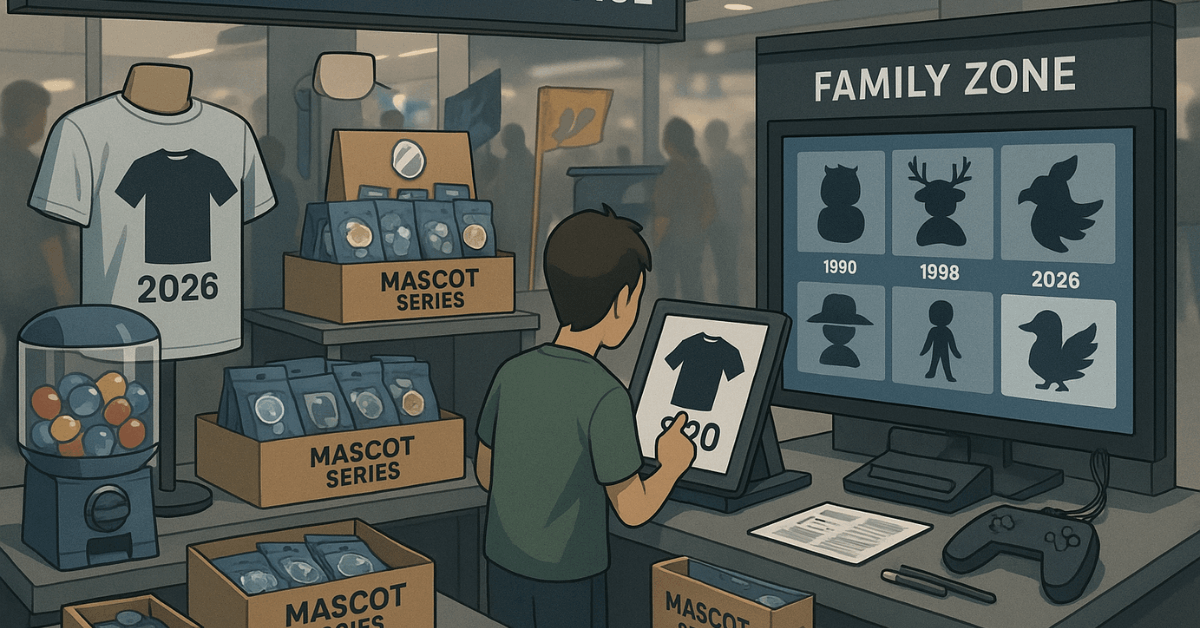
- Maple, Zayu, And Clutch — FIFA World Cup 2026: A moose, jaguar, and bald eagle representing Canada, Mexico, and the United States; the trio will appear across merchandise and in the upcoming FIFA Heroes game. Fans searching “World Cup 2026 mascots” will meet them across stadium, retail, and gaming activations.
How To Use This History As A Fan
Personal collections, classroom projects, and social posts benefit from concise framing. Short captions that explain name origins or visual symbolism raise engagement.
Comparisons across eras also perform well, especially when pairing abstract designs with animal icons.
Threads titled “most famous World Cup mascots” or “World Cup mascots ranked” typically spark lively debate.
Conclusion
Mascots endure because they compress national identity into friendly, broadcast-ready shapes. Tournament cycles refresh the canon while preserving touchstones that older fans still recognize.
Researching the history of World Cup mascots reveals patterns that guide modern campaigns toward clarity and charm. Expect fresh arguments about the best World Cup mascots ever as North America’s trio hits screens and shelves.