A decade ago, few imagined that humble stubs could anchor serious collections and headline auctions. Today, specialists track population data, grade condition, and study print varieties to understand the market for old football tickets.
Museums, grading firms, and auction archives have turned once-disposable paper into documented artifacts of the global game.
This article explains how that happened, what matters most to value, and where the market is headed next.
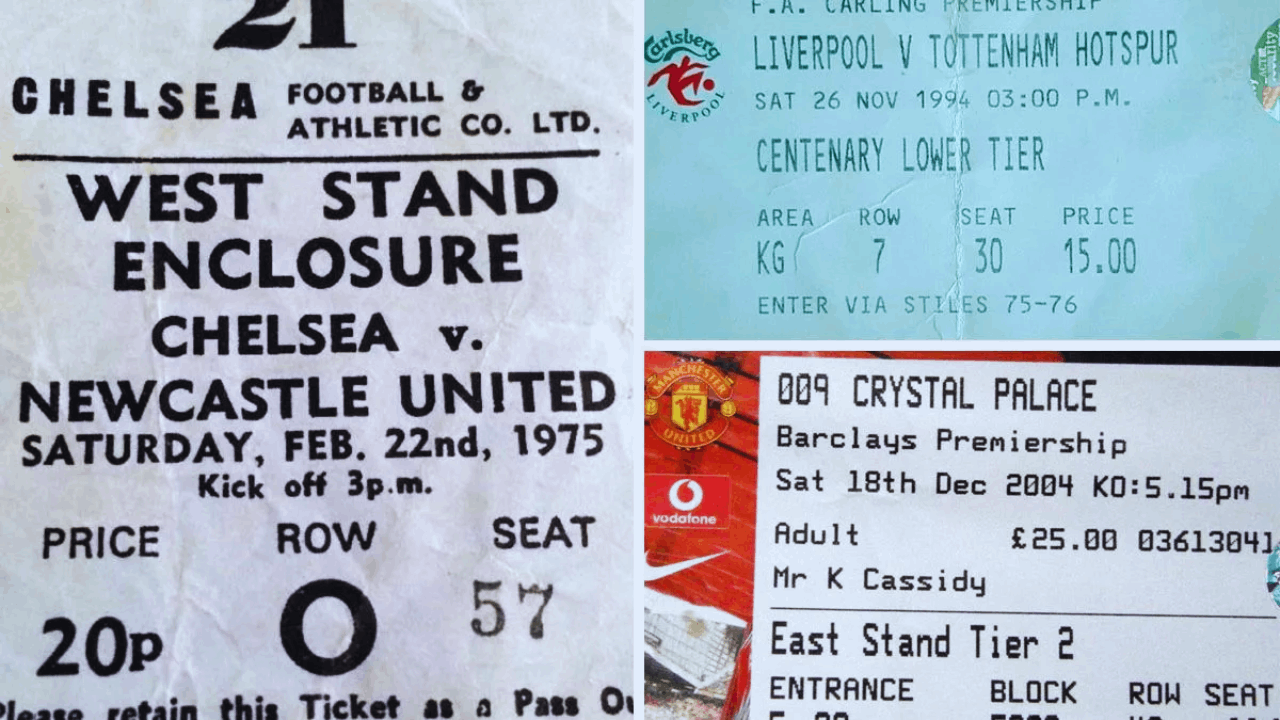
Why Old Tickets Matter and How We Got Here
Old football tickets compress time, place, and witness into a pocket-sized record that proves someone was there when history was made.
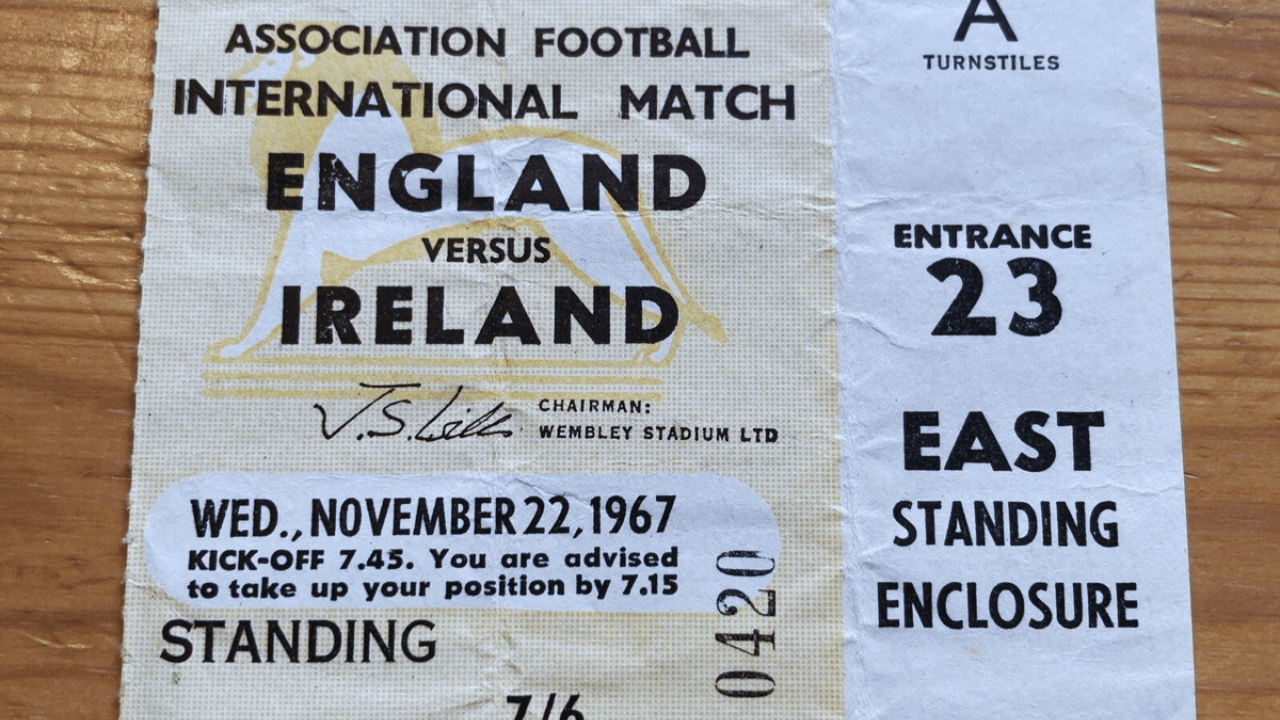
Unlike programs or shirts, a dated ticket ties a fan and a seat to a precise match with unusual clarity. Curators and collectors use tickets to corroborate lineups, stadium layouts, and competition formats across eras.
That blend of memory and evidence is why institutions feature tickets in displays and research.
From Souvenir to Archive
The World Cup’s rise created a visual language for entry media, from typography and security devices to venue-specific designs.
Exhibitions and official histories highlight how design choices evolved with broadcast needs and traveling fans.
This curatorial attention reframes tickets as designed objects with cultural context rather than disposable receipts. It also provides public references that help authenticate period styles and print methods.
Museums and Official Collections
When national and international football museums foreground ticketed history, they signal that documentation matters as much as nostalgia.
Galleries use tickets to tell stories about competitions, stadiums, and supporter culture in specific eras.
That visibility nurtures a shared vocabulary for condition, rarity, and provenance. It also anchors price discovery to verifiable history instead of rumor.
Design Evolution and Broadcast Era Changes
Ticket design moved with technology, stadium security, and television aesthetics. Serial numbers, holograms, and match-specific marks created a richer canvas for verification over time.
Collectors learn these visual cues to separate authentic issues from later souvenirs or reprints. In practice, design history becomes part of the authentication toolkit.
What Makes a Football Ticket Valuable
Ticket value reflects four forces working together: event significance, survivorship, condition, and context.
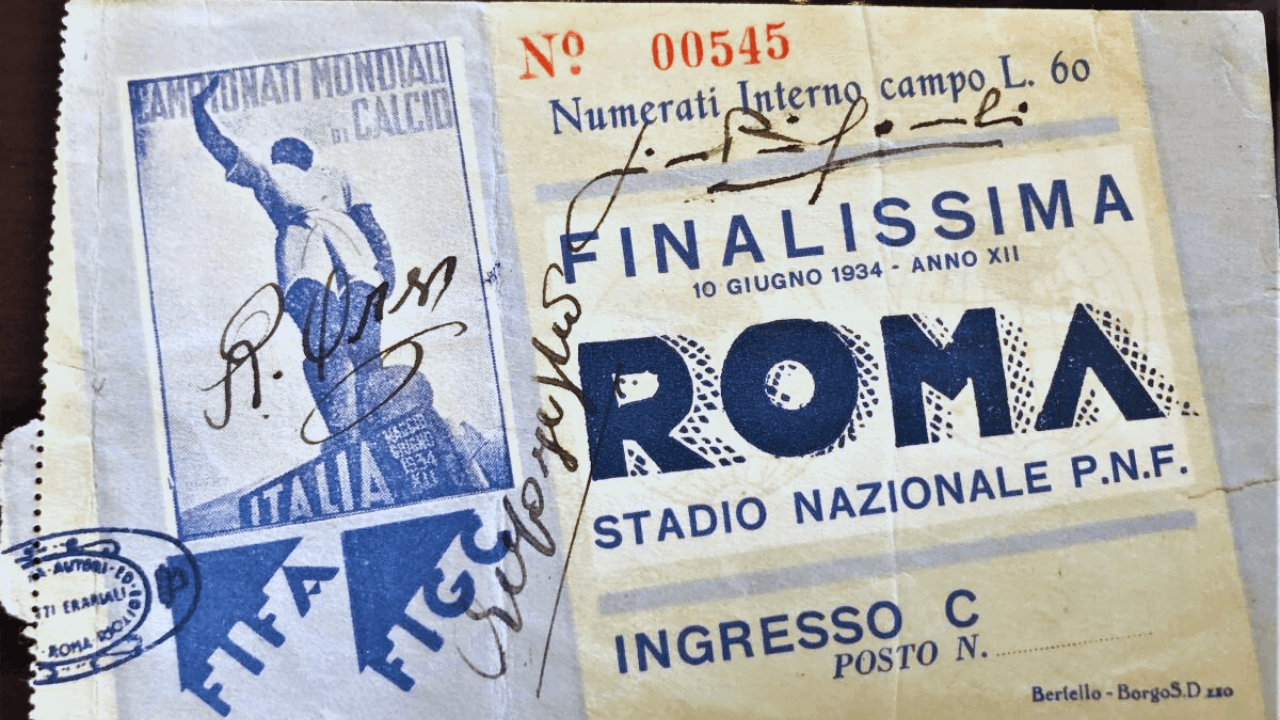
A final or debut often outruns a routine group match because the narrative is broader and better documented.
Low survival rates for full, unused tickets push premiums over torn stubs, all else equal. Finally, context such as autographs or being part of a complete run adds layers of demand.
Event Significance and Cultural Reach
Collectors pay for moments the world remembers, which is why finals, record nights, and miracle games dominate price charts.
Museum narratives and governing-body histories keep these matches visible to new audiences, sustaining demand.
Tickets tied to a famous goal or title win cross from team fandom into global culture. That cross-over is the difference between a keepsake and a reference piece.
Full Tickets, Stubs, and the Condition Hierarchy
Because turnstiles once retained portions or tore paper on entry, full tickets survive far less often than stubs.
Grading crystallizes that scarcity by separating intact examples at the top of registries and population reports.
Clean perforations, sharp corners, and unfaded inks routinely move results by hundreds or thousands. In this category, preservation is not cosmetic; it is a primary driver of value.
Autographs, Storytelling, and Verifiable Add-Ons
A clean, era-correct autograph from a headline player can push a routine stub into a premium lane. Documentation that names the signer, ink condition, and placement strengthens buyer confidence immediately.
Provenance linking the ticket to a specific attendee, press box, or VIP issue can also matter when records support the claim. In all cases, the story has to be provable, not just plausible.
How the Ticket Market Works Today
Old football tickets stayed informal until third-party grading standardized condition and population data.
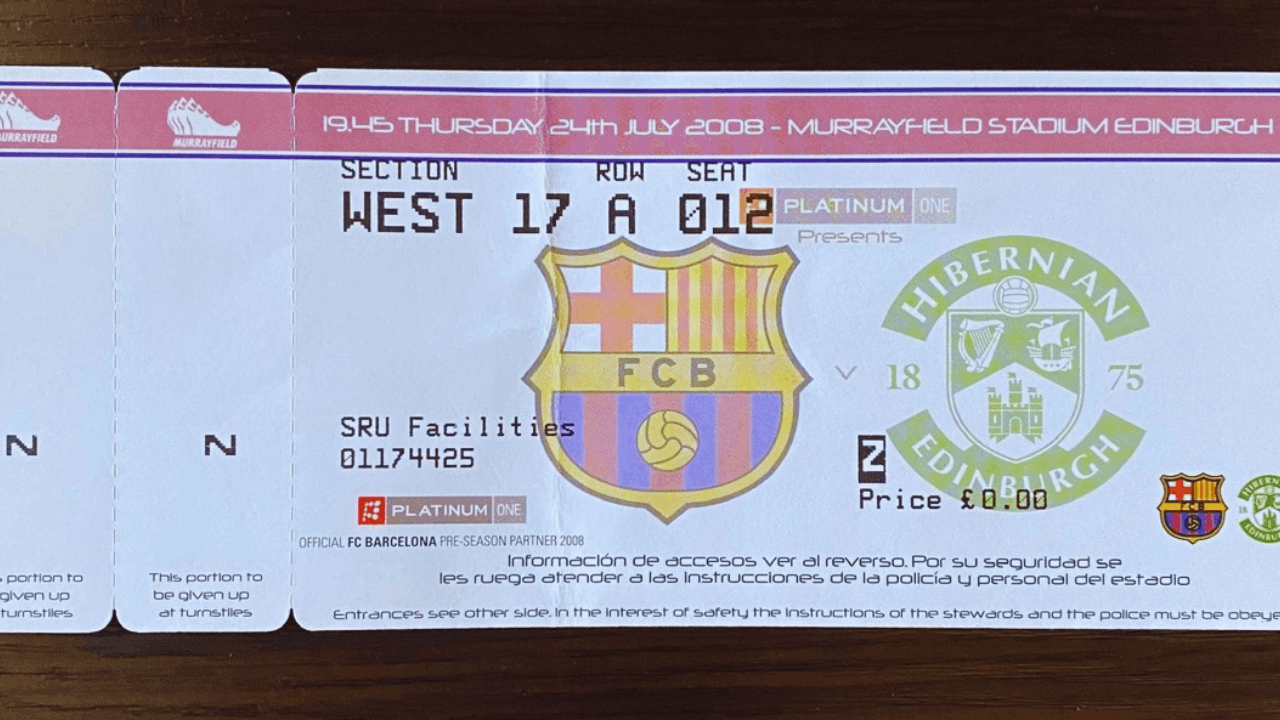
As grading matured, auction houses published realized prices and high-resolution images, creating reliable comps.
Together, these forces professionalized a niche that once relied on dealer lore and private want lists. The result is a market that behaves more like fine ephemera than casual souvenirs.
Grading, Population Reports, and Why Data Wins
Population reports let buyers see how many examples of a specific ticket exist in specific grades. Even for recent events, World Cup tickets appear in public databases by match, including commemorative issues.
Those datasets help set price bands, reveal scarcity, and prevent overpaying for common designs. In turn, more submissions feed better data, accelerating the hobby’s learning curve.
Auctions as Engines of Price Discovery
Specialist sessions and mixed-sport sales have brought football tickets to global audiences alongside blue-chip memorabilia.
Public catalogs document seat location, issuer varieties, and autograph overlays with consistent terminology.
When a semi-final or quarter-final stub crosses the block, the cataloging becomes a template others follow. Those archives turn into the field’s citation system long after the hammer falls.
Landmark Categories Collectors Chase
Within football, certain themes rise to the top regardless of era and geography. World Cup finals, historically important semi-finals, and debut-season tickets for all-time greats stand out.
Continental finals and national milestone matches form strong subsets with loyal bidder pools. Each lane rewards clarity of date, competition, and seat data.
World Cup Finals and the Design Revolution
The World Cup introduced ticket ideas that balanced security, venue identity, and broadcast-era aesthetics. Typography, color palettes, and anti-counterfeit features grew more sophisticated with each tournament cycle.
Collectors track match-specific marks and serials to confirm authentic issues. The history of design thus doubles as a map for verification.
Continental and Domestic Pinnacles
European club finals, Copa Libertadores deciders, and national derby milestones attract cross-border buyers.
Archives and museum storytelling enlarge the audience for entry ephemera attached to these games.
Tickets from new-stadium openings and farewell matches create micro-markets that blend architecture and performance. The constant is verifiable importance rather than hype.
Institutions That Stabilize Value
Museums and governing bodies provide the “source of truth” markets need to avoid speculation. Exhibitions and reference books document tournament artifacts and give collectors shared baselines.
Public displays also generate high-quality images that later help confirm print and format details. This institutional halo keeps important tickets at the center of the conversation.
Why Public Exhibitions Matter to Collectors
Temporary and traveling shows expose general audiences to ephemera and demonstrate how small objects carry big stories.
Visitors who recognize a ticket design from an exhibit often become bidders later, expanding the market base.
Exhibitions linked to active competitions tie past and present exactly when attention is highest. That rhythm favors categories aligned with major event calendars.
The Future and Practical Guidance
The next phase will be defined by better data, broader access, and smarter presentation across venues.
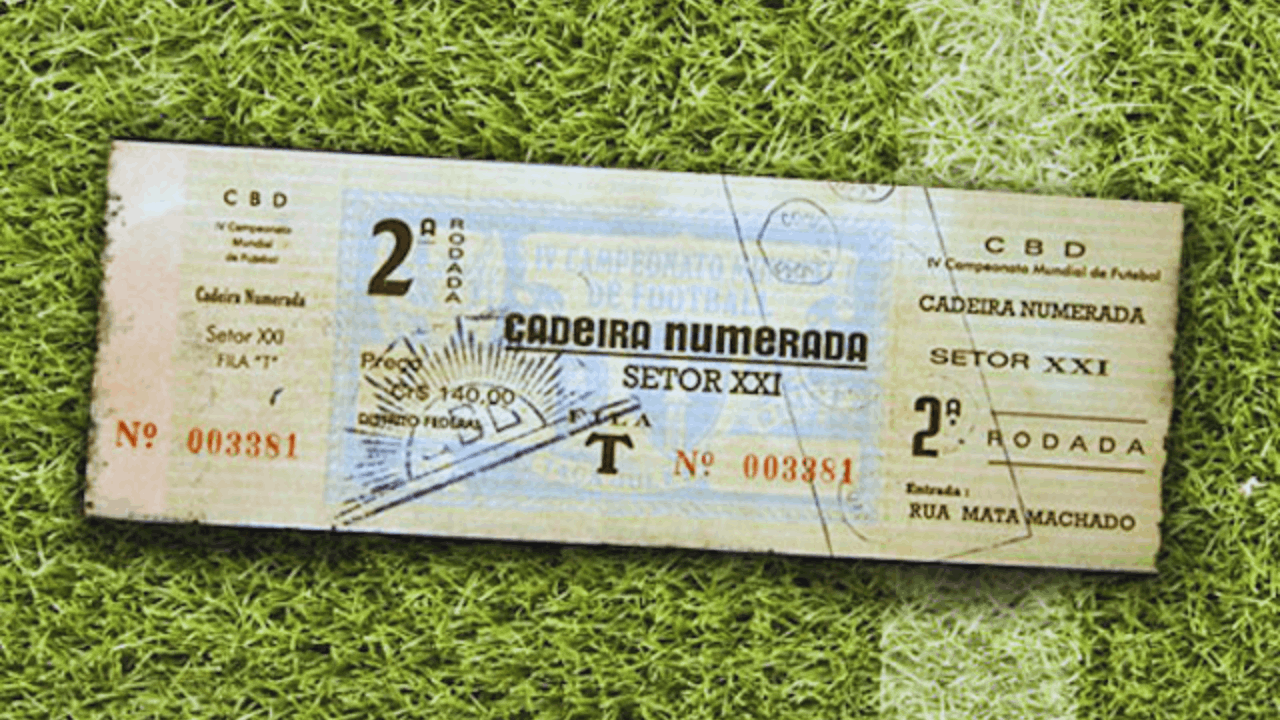
Grading capacity and transparent turnaround updates suggest persistent demand for paper ephemera. Museums are refreshing football-design exhibitions, which keeps print artifacts in public view.
Meanwhile, auction archives and digital publications make past results easier to study, reducing volatility.
Digital Ticketing and Commemorative Prints
As stadiums adopt mobile entry, physical tickets become rarer at the point of use, reshaping supply for modern seasons. Organizers answer with commemorative prints that sit alongside e-tickets for key matches.
Collectors should expect sharper distinctions between in-stadium proofs and post-event souvenirs, each with its own pricing logic. Clear labeling and documentation will be essential as formats diversify.
World Cup Cycles and New Entrants
Interest traditionally spikes around World Cups when documentaries, museum features, and new champions draw first-time bidders.
Updated official histories keep recent tournaments front-of-mind, bringing modern tickets into registries faster.
That on-ramp converts casual buyers into long-term collectors who later chase earlier eras and scarcer designs. In this way, new attention sustains old paper.
Education, Provenance, and the Next Ten Years
As more guides and databases appear, newcomers will learn to evaluate print types, gate marks, and issuer codes.
Expect growth in curated sets such as full runs of a tournament, complete home seasons, or star-debut arcs.
Auction houses will deepen scholarship in lot notes, raising the bar for evidence and condition reporting. The net effect is a healthier market that prizes documentation over hype.
Practical Advice for Buyers and Sellers
If you are buying, start with significance and verify competition, date, opponent, and gate or section data.
Cross-check population reports and study auction photos to learn how high-grade examples present. If you are selling, invest in clear imaging and, where appropriate, third-party grading to widen trust.
Either way, tie your ticket to the largest possible story and be ready to show the proof.
How to Read a Listing Like a Specialist
Look for straight perforations, crisp color, and uncompressed corners first. Verify that any autograph is authenticated and that the placement does not obscure key printed elements.
Compare layouts to reference images when possible to rule out reprints or later reissues. Finally, make sure the match reference aligns with official competition records.
Conclusion
Understanding the market for old football tickets means recognizing that small slips of paper can carry museum-grade history. Institutions validate the moments, grading reveals scarcity, and auctions translate context into price bands.
As digital entry changes stadium access, physical tickets become even more clearly artifacts rather than utilities. For collectors who value evidence and story, the category’s best years are still ahead.