If you want a results-driven plan for how to preserve medals and collectible trophies, this guide explains the science, the setup, and the daily habits that keep prized pieces safe.
Medals and trophies combine metals, finishes, textiles, and plastics that react to light, humidity, and pollutants over time.
Following museum-grade practices prevents corrosion, fading, and accidental damage without expensive equipment. Use these verified methods to stabilize your display today and protect long-term value.

Why Preservation Matters Before Problems Start
This section introduces the risks that quietly degrade medals and trophies and why prevention beats repair every time.

Metals corrode when moisture and pollutants trigger chemical reactions, and composite objects can fail where materials meet. Heat and ultraviolet light accelerate deterioration, so small environment errors compound over months and years.
Building a stable microclimate and safe handling routine preserves both appearance and meaning.
Corrosion Risks Unique to Medals and Trophy Metals
Iron and copper-alloy parts are especially vulnerable to active corrosion that can pit, flake, or stain attached ribbons and wood bases.
Lowering moisture exposure is the single most effective preventive step for these alloys in mixed collections.
Museum guidance shows that keeping metals below roughly 35% relative humidity dramatically slows deterioration in storage. That target is achievable at home with sealed enclosures and conditioned desiccants.
Light, Heat, and Pollutants That Fade and Weaken
High temperatures speed chemical reactions, while ultraviolet and high visible light fade textile ribbons, certificate inserts, and lacquered finishes. Airborne pollutants can tarnish silver, brass, and bronze and can embrittle some plastics used in plaques.
Effective preservation therefore limits light, smooths temperature swings, and filters the display air where possible. These fundamentals mirror the same priorities used by major museums.
Value, Provenance, and Family History Protection
Awards often carry documentation, inscriptions, and provenance that amplify historical value. Stable storage and careful handling preserve engravings, enamels, and adhesives that would be expensive or impossible to restore.
Preventive care sustains both market value and personal meaning without invasive treatment. Capturing photos and notes now ensures future generations recognize what each piece represents.
Benefits of Proper Care
This section outlines the museum standards you can apply at home and the benefits they deliver.
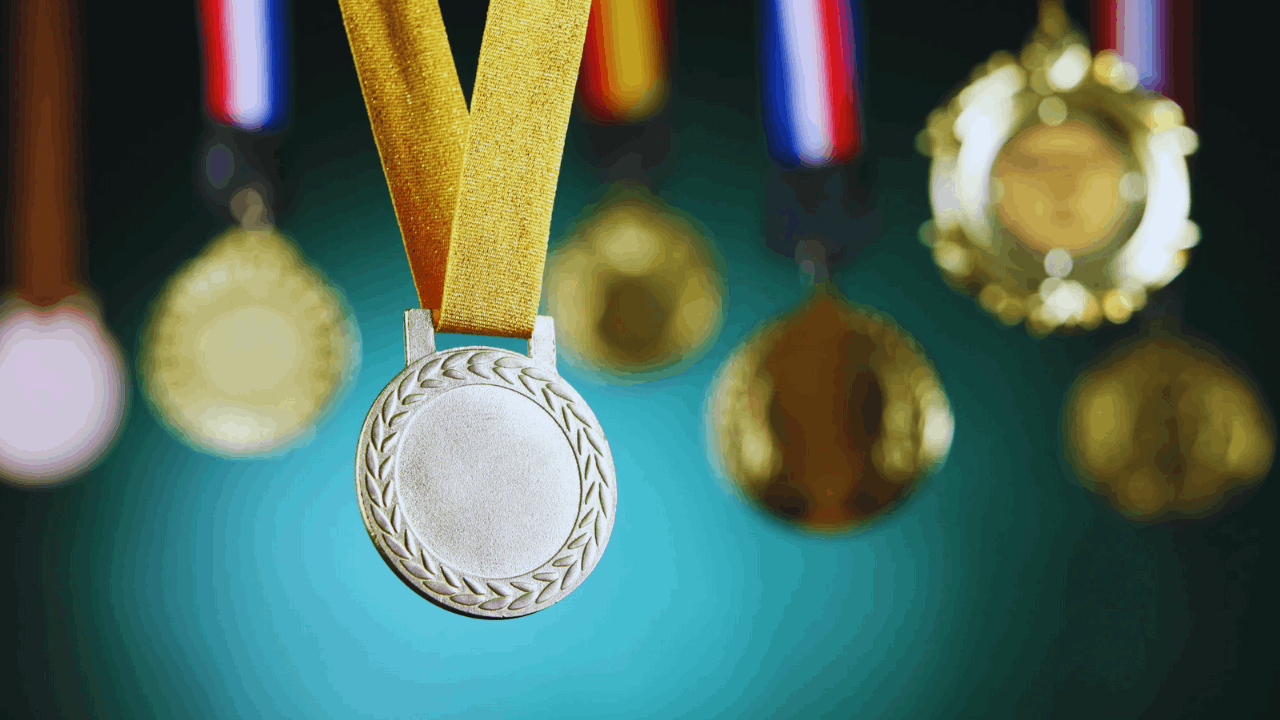
The first principle is environment control through consistent temperature and relative humidity, followed by light management and pollutant reduction.
The second principle is safe handling that avoids fingerprints, abrasion, and accidental drops. Together these practices extend object life while reducing cleaning frequency and cost.
Environmental Targets That Actually Work at Home
Collections specialists evaluate temperature, humidity, and dew point because these factors drive most deterioration.
For mixed-material displays, aim for moderate, steady conditions and avoid attics, garages, or sun-flooded rooms that swing daily.
For metal-heavy groups in storage, microclimates below about 35% relative humidity slow corrosion markedly. Simple monitoring with dataloggers or hygrometers lets you catch problems before damage appears.
Handling Practices That Prevent Fingerprint Damage
Clean, dry hands provide excellent control for many objects, while thin nitrile gloves help when handling bare metal or polished plaques prone to fingerprints.
Museums emphasize dexterity and situational judgment because bulky gloves can increase drop risk.
The key is removing hand oils from contact surfaces and supporting weight from the base rather than by protruding parts. Place a padded surface under the work area so slips do not become losses.
Storage and Display Materials That Do No Harm
Use inert enclosures and avoid off-gassing materials that can corrode or stain metals and textiles. Archival boards, acid-free tissues, and stable plastics in sealed boxes help block pollutants and buffer humidity.
UV-filtering glazing reduces light damage for wall displays and shadow boxes, especially on colored ribbons and printed plates. These choices lower cleaning needs and limit cumulative wear.
Step-by-Step Plan: How to Preserve Medals and Collectible Trophies
This section gives a repeatable workflow you can use today for mixed collections at home.

Each phase builds on museum guidance and adapts it to realistic budgets. Start with documentation and condition checks, then stabilize environment and handling, and finish with periodic reviews.
The result is a low-maintenance system that protects aesthetics and history.
Document, Photograph, and Assess Condition First
Begin with clear photos, serials, inscriptions, and maker marks so you have a baseline if issues arise. Note metals, coatings, ribbons, woods, and plastics because different materials signal different risks.
Record any active corrosion like powdery green on copper alloys or reddish flaking on iron so you can track change. Safe documentation prevents needless handling later and supports insurance or loan needs.
Surface Cleaning That Respects Original Finishes
Dust with a clean, soft brush while the object rests on a padded surface, and tip debris away from joints and textiles.
Avoid commercial polishes and aggressive cloths that can remove lacquer or original patina and can trap residues near rivets.
If grime persists, stop and consult a conservator rather than escalating to solvents or abrasives. Light, dry cleaning lowers corrosion sites without risking loss of detail.
Build a Dry Microclimate for Storage Metals
For storage, create a sealed box with conditioned silica gel to hold a dry microclimate around vulnerable medals and fittings.
Properly prepared silica gel in airtight containers can halt or dramatically reduce active corrosion even in poor ambient rooms.
Recondition gel and check indicators regularly so the environment stays within target humidity for metals. This low-cost method mirrors techniques used across professional collections.
Arrange Safe Display Without Sacrificing Protection
When framing medals and trophy plates, use UV-filtering glazing and mount supports that do not puncture ribbons or touch polished faces.
Keep displays away from windows, radiators, kitchens, and bathrooms where heat, light, and moisture swing most.
Limit light hours with timers or curtains, and dust frames and shelves gently to prevent abrasive buildup. These choices preserve color and sheen while keeping the collection visible.
Control Humidity, Temperature, and Pollutants Year-Round
Embed small humidity sensors in cases or shelves and verify readings seasonally so surprises do not accumulate.
In humid periods, use room dehumidifiers and maintain them, while in sealed boxes refresh desiccants to specifications.
Avoid ozone, sulfur, and acidic off-gassing sources near displays, including certain cleaners and new plywood. Steady, moderate conditions reduce corrosion, cracking, and adhesive failures across composite trophies.
Separate and Cushion Mixed Materials During Storage
Store medals so ribbons and cords do not press hard against metal edges, and cushion contact points with acid-free tissue.
Keep lacquered plaques and bases from touching bare metal components that could transfer corrosion or stains.
Avoid stacking heavy trophies directly on delicate finials or appliqués by using shelf pads and spacing. Gentle segregation prevents scuffs and stress fractures that are difficult to reverse.
Schedule Inspections and Update Records on a Calendar
Create a simple schedule for quarterly checks of humidity, dust levels, and any new corrosion blooms.
Update your photo record when you notice changes so trends become obvious, and adjust environment or storage as needed.
Recondition or replace silica gel on its maintenance cycle rather than waiting for visible problems. Regular reviews keep small adjustments cheap and effective.
Conclusion
This guide has shown how to preserve medals and collectible trophies using museum-tested, budget-friendly steps. Keep environments steady, prioritize dry microclimates for metals, and use inert materials for storage and display.
Handle thoughtfully, monitor humidity, and document conditions so small corrections happen before damage does. With these verified practices, your awards will maintain their luster and legacy for the next generation.