The world of memorabilia is changing quickly, and the next chapter will be written across both glass cases and blockchains. This article explains the future of sports collecting in the digital age, using official and trusted sources to anchor every claim.
You will see how established institutions, authentication programs, and market leaders are shaping a hybrid landscape of physical artifacts and verified digital assets.
By the end, you will know what collecting is about today and where it is headed tomorrow.

What Sports Collecting Is About Today
Sports collecting preserves the stories of games, athletes, and moments through objects and verified records.
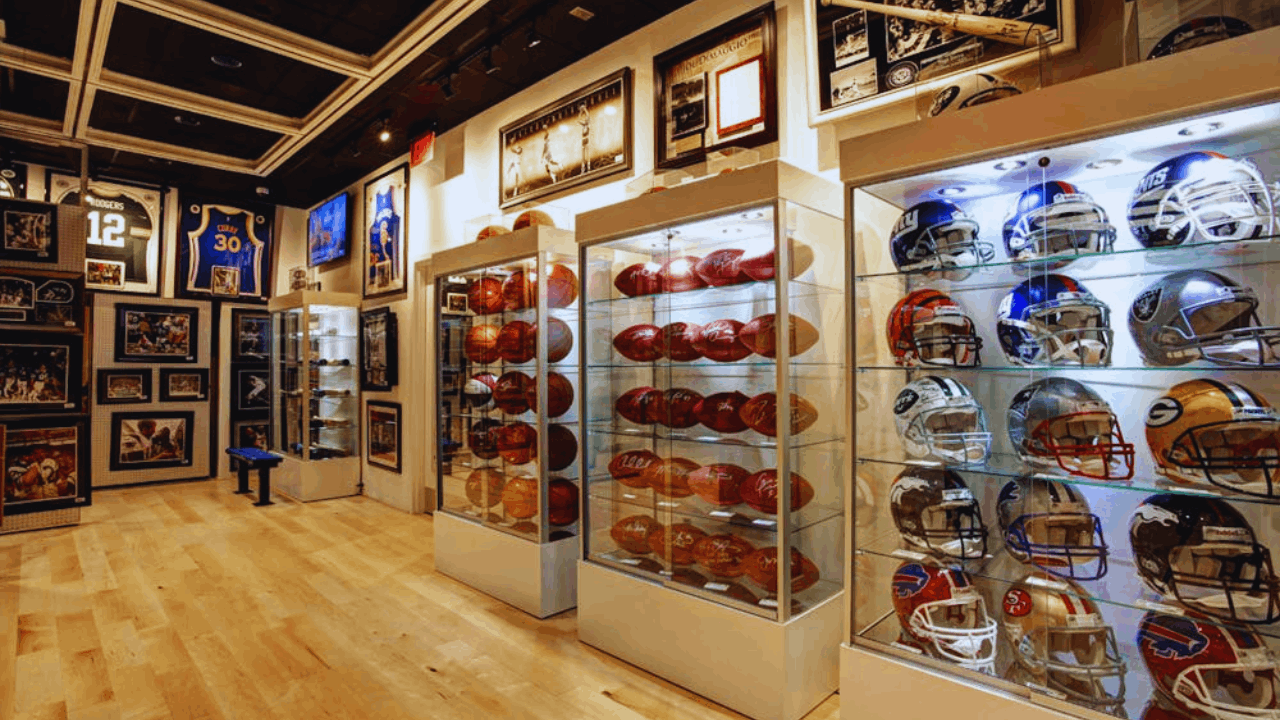
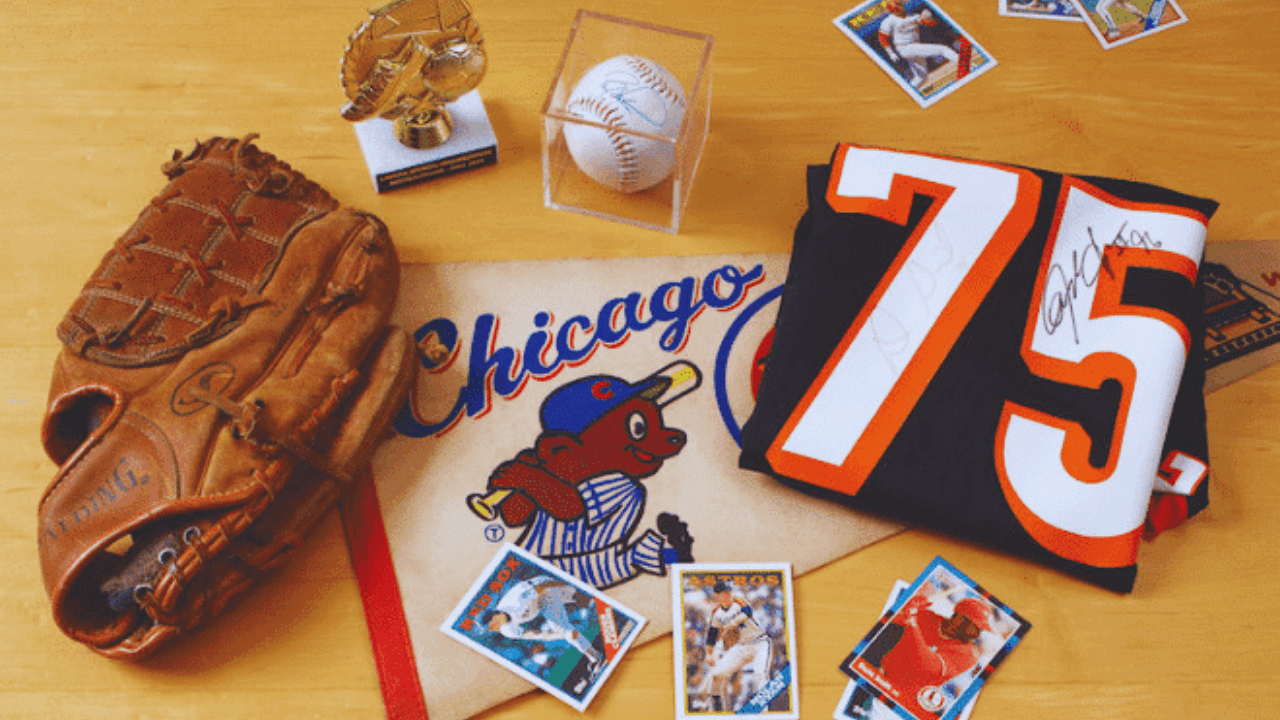
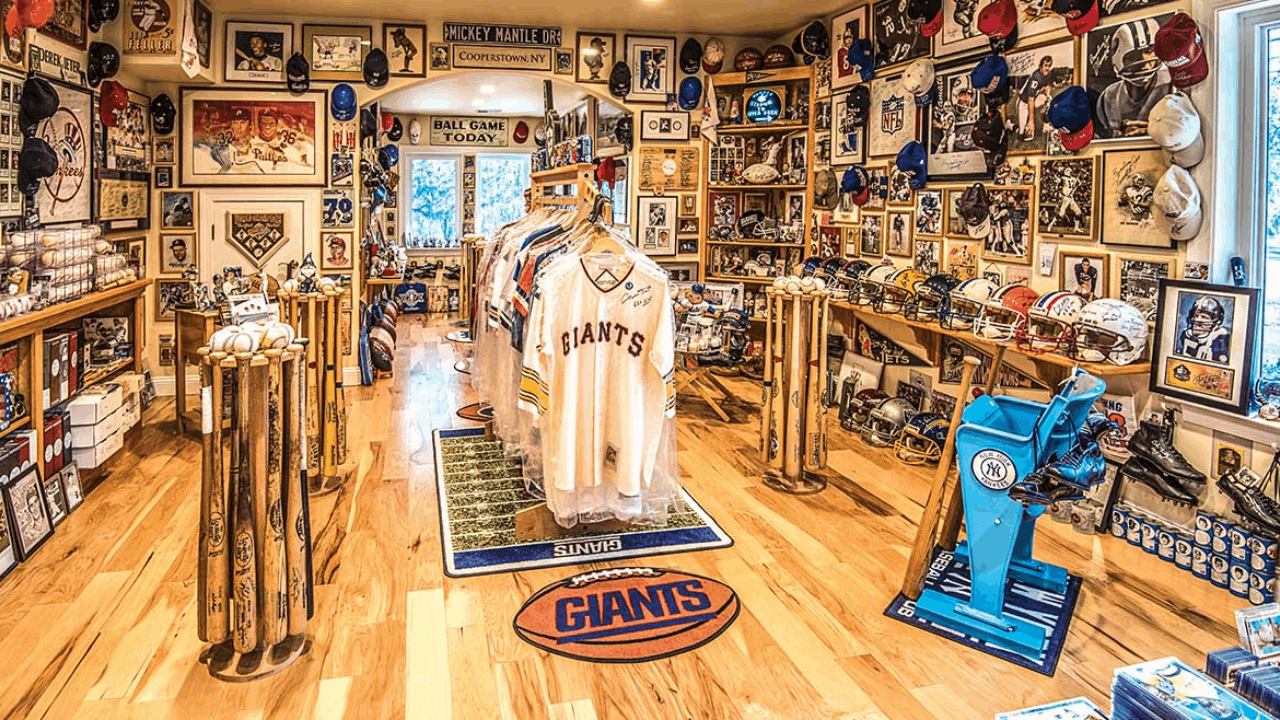
At its core are match-used items, trading cards, autographs, and archival media that document provenance and performance.
Museums and leagues play a vital role by conserving artifacts, curating exhibitions, and publishing context that helps fans interpret value.
This institutional backbone keeps collecting tied to real history rather than rumor or trend.
Core Categories and the Institutions That Guard Them
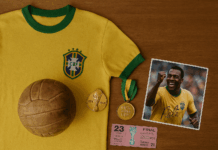
Football shirts, game balls, and medals sit alongside ticket stubs, programs, and ephemera that mark time and place. Major museums describe permanent collections that connect memorabilia to sport’s social and technological growth.
League-level systems extend this stewardship on the field, where objects are tracked the moment they leave play. Together these frameworks protect authenticity and supply the narrative that collectors prize.
How Authentication and Grading Underpin Trust
Modern collecting depends on verifiable chains of custody and standardized grading scales. Population reports from grading firms publicly show how many specific cards and tickets have been certified, giving buyers a common reference point.
Marketplace protections complement that work, routing eligible items through expert inspection before they reach the buyer.
For game-used items, league authentication programs tag objects with tamper-evident holograms linked to databases, tying artifacts to exact moments on the field.
What Establishes Value in the Physical Market
Rarity, provenance, cultural impact, and photo-matching often converge to set record prices. High-profile sales have repeatedly demonstrated this dynamic, from finals-worn jerseys to milestone sneakers with documented use.
Photo-matched pieces continue to underscore how verified context drives confidence among bidders. Auction records do not just move numbers; they update the canon of which moments matter most.
Digital Shifts Reshaping the Hobby
Digital platforms are expanding what “owning a moment” can mean by pairing licensed media with verifiable ledgers.
The emergence of officially sanctioned highlight collectibles and on-chain tickets has introduced new entry points for fans.
These formats complement, rather than replace, physical artifacts by adding portability, programmability, and global liquidity.
Collectors now navigate a continuum that runs from signed jerseys to tokenized clips and commemoratives.
Licensed Digital Collectibles and Why They Matter
Officially licensed highlight collectibles position “own your favorite memories” as a core promise. The licensing structure matters because it clarifies rights and aligns each digital object with league and players’ association governance.
Digital trading cards follow a similar logic, extending a century-old card tradition into a blockchain format with league marks intact. Licensing gives digital items the institutional backing that physical collectors already expect.
Digital Tickets and New Types of Provenance
Leagues have begun issuing virtual commemorative tickets tied to game attendance, turning experiences into authenticated digital keepsakes.
Announced expansions of these offerings show schedules across seasons and new designs for fans.
These stubs are not just souvenirs, because they can also provide future utility like gated content or event access. In practice, they bake provenance into a fan’s wallet without fragile paper to preserve.
Transparency Through Databases and Blockchains
Collectors increasingly value systems where item histories are queryable and tamper-resistant.
Public population tools let buyers assess scarcity at a glance, while hologram databases confirm when and how an item was used. Blockchains add another layer by time-stamping minting, transfers, and royalties in a ledger shared across marketplaces.
These parallel systems move the hobby away from unverified claims and toward verifiable, open records.
Risks, Rights, and Governance in a Digital-First Era
A digital surge introduces questions about licensing, custody, and consumer protection that collectors should understand.
Fortunately, leagues and major marketplaces have begun codifying standards that map to familiar physical-world practices.
Official licensing signals who can mint what, while third-party checks reduce counterfeits and misrepresentation. Clear rules make it easier to collect across formats without losing trust.
Licensing and Intellectual Property Clarified
When a platform states it is officially licensed, it means rights holders authorize the product, images, and athlete likenesses in use.
League and players’ association rights align digital moments with the same governance behind broadcast and merchandising.
This structure reduces legal ambiguity for collectors who plan to hold, gift, or resell. In short, licensing anchors digital objects to the same institutions that define the sport itself.
Consumer Protections and Authenticity Programs
Marketplace policies have adapted quickly to protect buyers and sellers as volumes rise. Authenticity programs send eligible trading cards to expert verification at no additional cost to the seller, closing a common fraud vector.
In game-used memorabilia, league hologram systems remain benchmarks because each sticker maps to a logged event in a database. These frameworks replicate time-tested guardrails inside a faster, more global market.
Preservation, Curation, and Public Access
Even as files multiply, collectors still look to museums and governing bodies for stewardship and context.
Institutional missions center on collecting, exhibiting, and preserving artifacts while connecting fans to heritage.
Curated exhibitions and research programs ensure that items, whether physical or digital proxies, participate in a larger educational story. That curatorial layer stabilizes meaning as formats evolve.
What the Future Holds for a Hybrid Hobby
The most durable path forward blends tangible objects with verifiable, programmable counterparts.
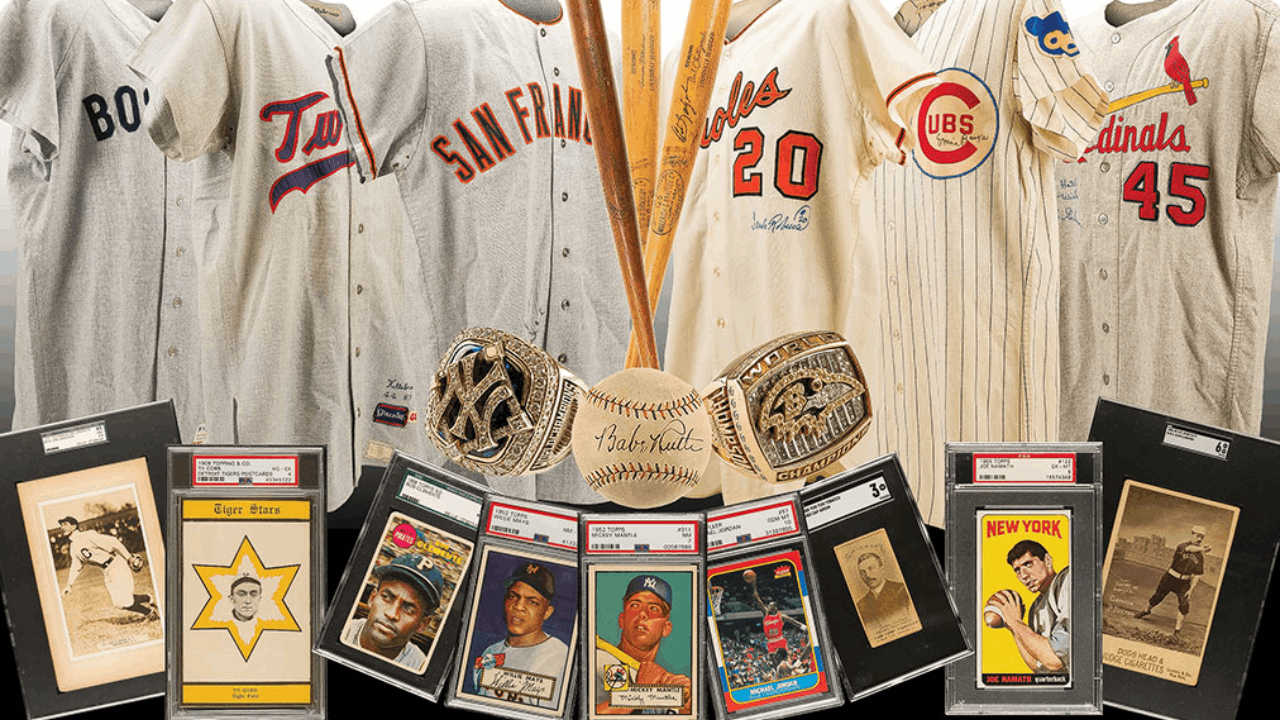
Expect physical-digital pairings, richer provenance, and museum-grade storytelling to converge around the same moments that drive record auctions today.
Authentication will feel more “always on,” and tickets, passes, and collectibles will unlock services long after final whistles. This is not nostalgia versus innovation; it is a portfolio approach to memory.
Phygital Collectibles and Event-Linked Utility
Manufacturers and leagues are experimenting with collectibles that pair a physical item with a digital certificate or bonus content.
The template already exists in hologram systems, which prove how an object can be linked to a verifiable event record.
Virtual commemorative tickets show the other side of the coin by making the “paper” itself an evolving digital object. Together these models hint at items that authenticate instantly and then keep working for fans after the game.
AI, Imaging, and the Next Wave of Photo-Matching
Provenance is moving from anecdotes to measurable signals, and imaging science will accelerate that shift.
Auction houses now highlight photo-matched evidence that ties a garment to a specific game, with debut or milestone matches adding value.
As computer vision improves, expect faster, more granular matching of wear patterns, stitching, and logos across archives. The result will be tighter pricing, fewer disputes, and clearer stories attached to each artifact.
Museums and Leagues as Living Laboratories
Cultural institutions will keep translating technology into public experiences, from innovation exhibits to interactive archives.
Fans learn best when artifacts, media, and context meet in one place, and modern programming reflects that insight.
Leagues will mirror that approach by publishing more open data about authenticated items and by testing digital perks attached to tickets and memberships. Over time, the line between a private collection and a public learning resource will get thinner.
Market Structure and Liquidity Across Formats
Hybrid marketplaces will treat a photo-matched jersey, a graded ticket, and a licensed digital moment as neighboring assets with comparable disclosures.
Population data and authentication records will sit next to on-chain mint and transfer histories for one view of risk.
Auction houses will continue to set benchmarks that reprice adjacent categories when a culturally significant lot sells. Liquidity will follow trust, and trust will follow transparency that spans both shelves and ledgers.
Conclusion
Understanding the future of sports collecting in the digital age means accepting that the best collections will be both tactile and programmable. Museums, grading firms, and league authentication programs provide the guardrails, while licensed digital platforms add reach and utility.
Collectors who document provenance, prioritize transparency, and embrace hybrid experiences will see their stories travel furthest. The technology will evolve, but the goal remains the same: preserve the moments that matter and make them easy to verify, share, and cherish.