Selling rare football memorabilia demands rigor, story, and the right marketplace, and success comes from planning as much as from scarcity.
This guide explains how to sell exclusive football items to collectors, combining best practices from museums, auction houses, and marketplace policies in clear steps. You will learn why the collector channel can outperform general resales, what to check before listing, and which venues fit different types of artifacts.
By the end, you will have a method that protects authenticity, maximizes value, and keeps you compliant in every stage.
Why Sell Exclusive Football Items to Collectors
Collectors pay premiums for provenance, historical significance, and verified condition, which means the right buyer often values context as much as the item.
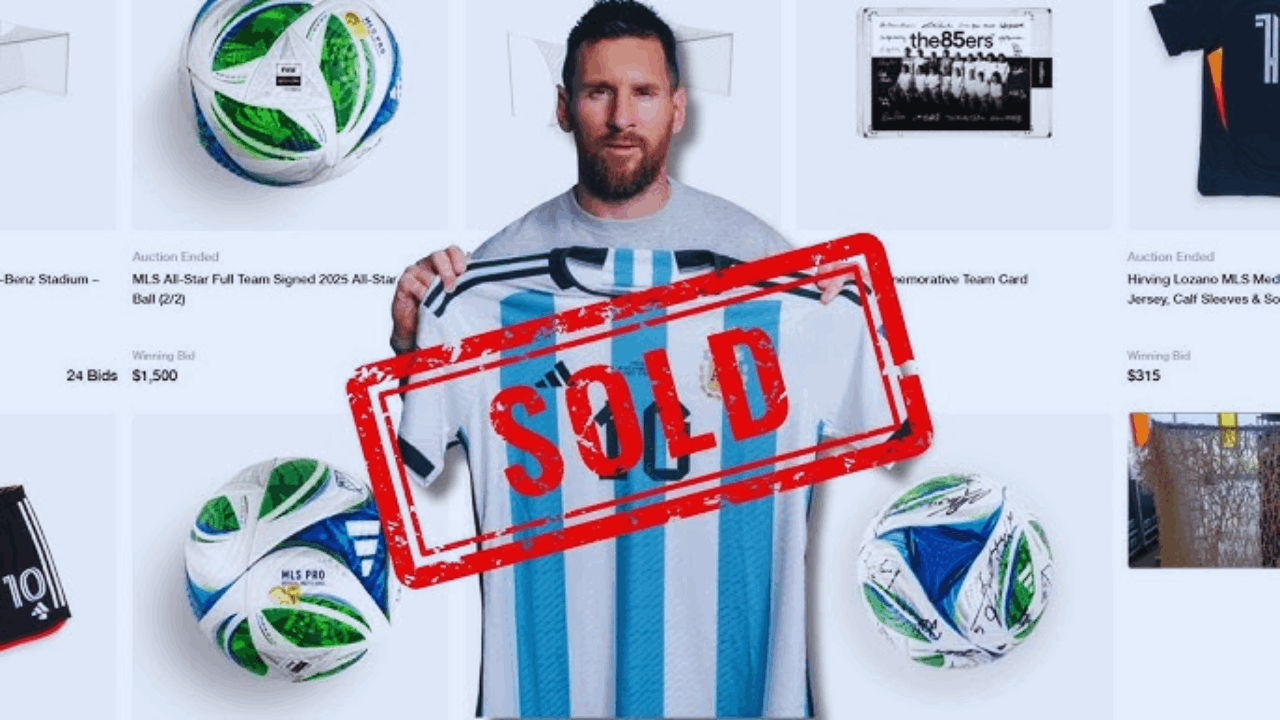
Dedicated communities follow league calendars, player milestones, and museum shows, so demand concentrates around objects with proven stories.
When you target this audience, you tap into established norms for documentation, grading, and escrow that reduce disputes.
The result is a higher chance of fair pricing, faster settlement, and long-term reputation for the seller.
Cultural Value and Long-Term Demand
Many football items function as cultural records as well as souvenirs, which keeps demand resilient beyond short-term form.
Match-worn shirts from iconic games, signed balls tied to specific tournaments, and photo-documented boots carry educational and archival value.
Institutions, foundations, and corporate archives also purchase exemplary pieces, creating competition that supports pricing. Selling into this ecosystem lets your item participate in a living history rather than a one-off transaction.
Liquidity Through Seasonality and Milestones
Collector interest tends to spike around finals, anniversaries, awards, and retirement tours, which creates predictable windows for listings.
Timing a sale near a player tribute or tournament draw can expand the bidder base well beyond a single club.
Platforms and auction houses plan catalogs around these peaks, helping you reach global audiences. Using that calendar strategically increases exposure without additional advertising spend.
What to Consider Before You Sell
The pre-sale phase determines ninety percent of your outcome because collectors decide with their eyes, the paperwork, and the venue.
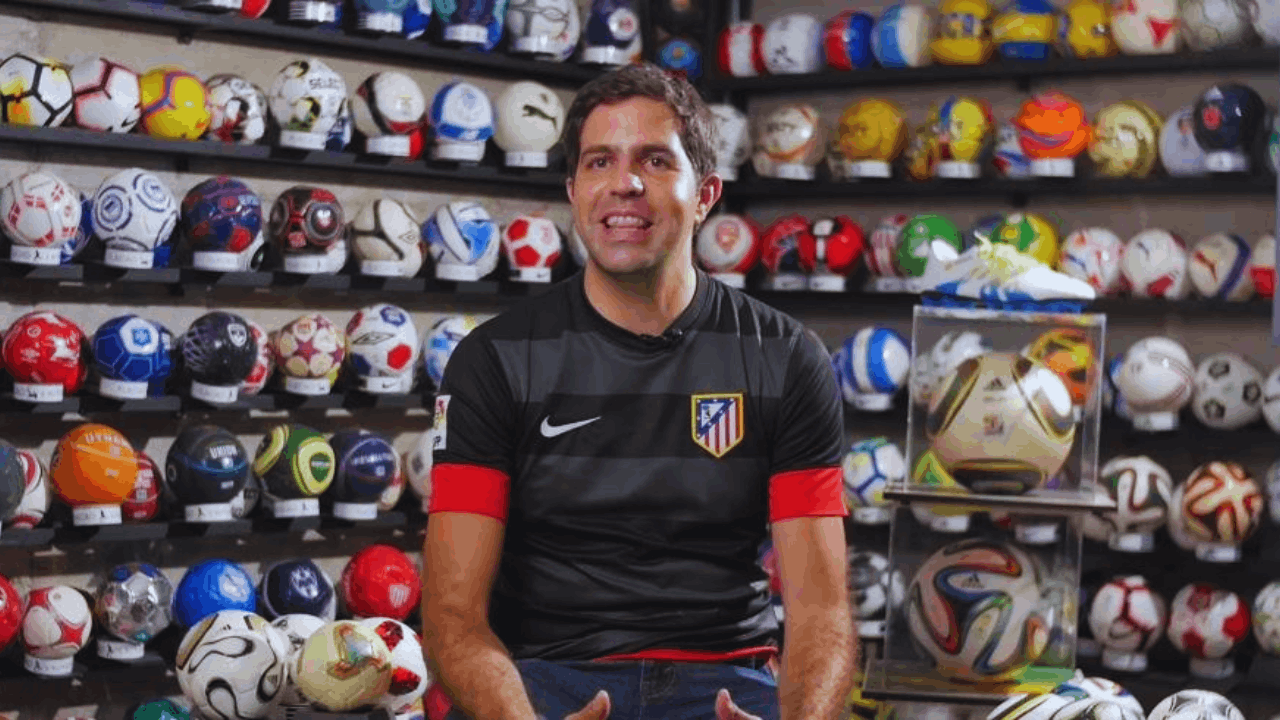
Authenticating first, pricing with comps, and selecting terms that fit the lot remove friction later.
If you rush to list, you risk underpricing, delays, or returns that drain trust and capital. A clear checklist turns a rare object into a ready asset.
Authenticity and Provenance Essentials
Start by assembling a provenance chain that covers how, when, and from whom the item was acquired. Club-issued or event-issued paperwork, player letters, equipment-room tags, and credible third-party opinions can strengthen the file.
For match-worn pieces, photo-matching against broadcast stills or licensed photography helps link unique wear to a specific date. The goal is a dossier that a buyer can verify quickly without guesswork.
Ownership, Image Rights, and Restrictions
Confirm you have the right to sell the item and that no governing body, club, or player agreement restricts transfer.
Avoid using league or federation trademarks in marketing without permission, and stick to factual descriptions rather than logo-heavy graphics.
Do not include tickets, passes, or credentials that were non-transferable under event terms when those terms still apply. Respecting these boundaries keeps the sale clean and defensible.
Condition, Conservation, and Documentation
Describe condition precisely using consistent language across listing, certificate, and invoice. Record measurements, labels, repairs, inscriptions, and material defects with high-resolution photos in natural and neutral light.
For textiles, avoid aggressive cleaning or modern alterations that could erase match evidence or inscriptions. A conservation-minded approach reassures bidders that the item is stable and honestly represented.
Pricing, Reserves, and Recent Comparables
Use recent, public results for similar items to set an estimate range and reserve that align with market reality.
Weigh factors like match significance, player status, visual appeal, and whether authenticating evidence is conclusive or partial.
If comps are thin, consult category specialists who can triangulate value from adjacent sales. Transparent estimates help attract bidders rather than scaring them away.
Taxes, Customs, and Cross-Border Compliance
Plan for VAT, sales tax, and customs declarations before you accept an international bid.
Some jurisdictions classify historic artifacts differently from consumer goods, and paperwork must match the item’s description exactly.
Carriers may require proof of value and ownership, so keep invoices, export permissions, and identification ready. Clear compliance avoids seizures, penalties, and disappointed buyers.
Where to Sell Exclusive Football Items
Choosing the right venue is a strategy call that mixes audience size, fee structure, turnaround time, and category expertise.

Auction houses deliver global marketing and price discovery for headline lots, while marketplaces provide liquidity for mid-range pieces.
Specialist sports houses know team and era nuances that generalists miss, and private brokers solve confidentiality needs.
Match the channel to the item rather than forcing the item into your preferred channel.
Major International Auction Houses
Top-tier auction houses excel when your item has broad cultural significance or museum-level documentation. They curate catalogs, write scholarly notes, and stage public previews that build trust and urgency.
Their legal and logistics teams also handle export, insurance, and escrow with mature processes. The tradeoff is higher fees and longer lead times, but the audience can push prices to record levels.
Specialist Sports Auctioneers
Category specialists focus on football shirts, boots, ephemera, and team history, which means tighter buyer lists and deeper storytelling. Their bidders know the difference between a league patch variant and a cup version and will pay for it.
Specialists also maintain photo-matching partners and club contacts that streamline due diligence. If your item is historically rich but niche, this lane often outperforms generalist platforms.
Online Marketplaces with Authentication
Large marketplaces now offer authentication checkpoints for trading cards and sometimes for memorabilia categories through vetted partners.
These programs route eligible items through experts before delivery and add unique identifiers to the order trail. For sellers, that means lower return risk and higher buyer confidence even without an auction catalog.
Use platform tools for video, high-resolution images, and condition notes to reduce questions and post-sale disputes.
Club, Charity, and Foundation Sales
Clubs and player foundations periodically run charity auctions that attract passionate, mission-driven bidders.
Items sold through these channels benefit from institutional promotion and built-in trust. Aligning your consignment with a cause can also expand media interest and social sharing.
Confirm consignment terms, marketing rights, and tax documentation ahead of time to avoid surprises.
Private Treaty Through Reputable Brokers
High-net-worth collectors and institutions sometimes prefer private treaty sales for discretion and speed.
Experienced brokers maintain want-lists and can pre-qualify counterparties to reduce negotiation cycles.
Private terms let you control payment schedules, delivery windows, and confidentiality clauses. Use escrow and written warranties to protect both parties without sacrificing privacy.
How to Sell Exclusive Football Items Step by Step
A structured process creates predictable outcomes, even when markets feel volatile.
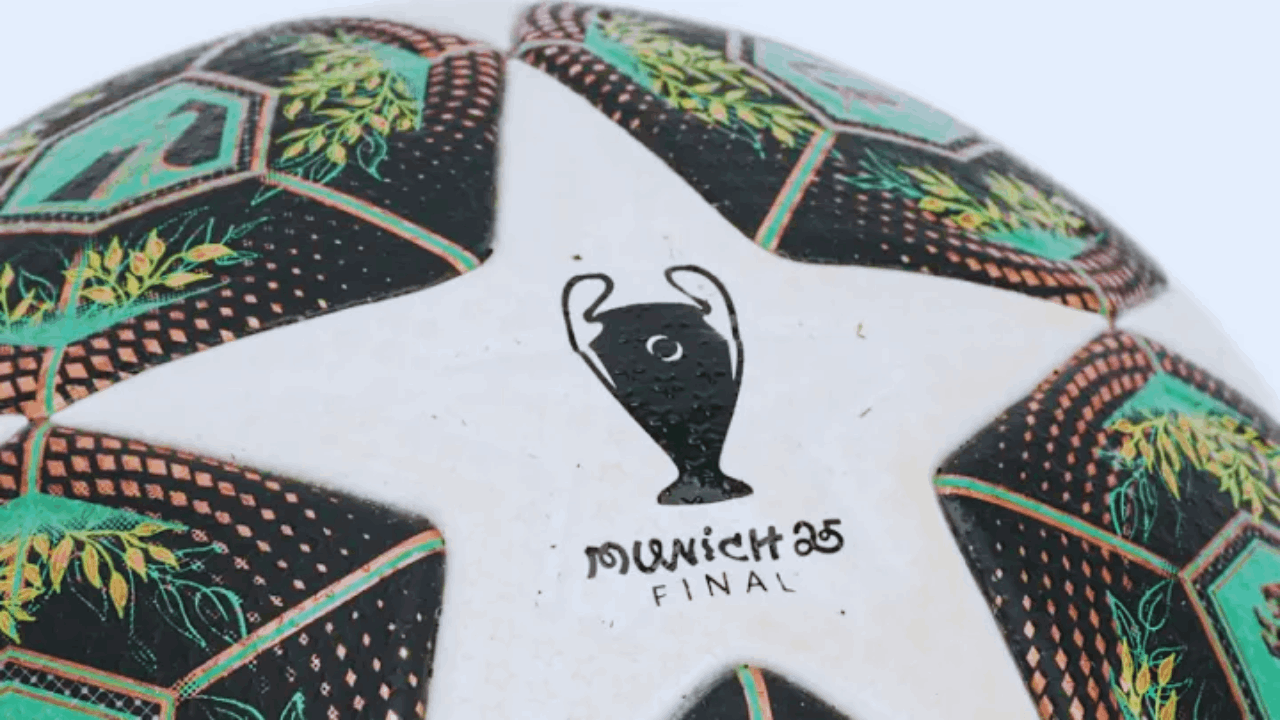
Think like a curator first and a marketer second, because truth and clarity sell faster than hype.
Every sentence in the listing should be provable by a document, a photo, or a public record. Build from evidence, then add narrative that honors the moment.
Prepare the Evidence File
Combine provenance letters, invoices, and any club or event documents into a single digital folder. Add a condition report with measurements, label photos, and macro shots of distinctive wear, numbering, or signatures.
Include side-by-side frames that support photo-matching claims, noting source and date for each visual. Finish with a one-page summary that a bidder can read in two minutes.
Craft the Story Without Overreach
Lead your catalog text with the verifiable moment, not adjectives, and state exactly how the item connects to that moment.
Explain lineup context, opponent, competition stage, and any known performance statistics that anchor significance.
If evidence is partial, say so and price accordingly; credible humility beats inflated claims. Close with a concise provenance paragraph to guide the due-diligence path.
Choose the Venue and Negotiate Terms
Interview multiple venues to compare seller’s commission, photography fees, insurance, reserve policy, and payout timing.
Ask how they will present the lot, which channels they will use, and what comparable results inform their estimate. For marketplaces, verify authentication coverage and dispute procedures for your specific category.
A written consignment or listing agreement should name the governing law, dispute forum, and delivery responsibilities.
Market with Assets Collectors Trust
Use high-resolution images with color charts or calibrated lighting so details render correctly on any screen.
Provide a short video that shows fabric sheen, numbering texture, or stitching close-ups, then pans to the full item. Share a clean, readable scan of key documents with sensitive data redacted while keeping dates and signatures visible.
Coordinate release with calendar moments that naturally boost attention, such as derby weeks, finals, or anniversary dates.
Close the Sale and Manage Post-Transaction Care
Confirm funds through escrow or a platform payout before releasing the item, and photograph packing from all angles.
Double-box textiles with acid-free tissue and include a copy of the provenance packet and condition report.
Send tracking with insurance details and delivery instructions, and request a written acknowledgment of receipt. Archive the final invoice and communications for future reference or potential resale history.
Conclusion
Selling to connoisseurs is less about hype and more about evidence, timing, and fit between item and venue. When you understand how to sell exclusive football items to collectors, you turn provenance into pricing power and reduce friction at every step.
Authenticate first, tell the true story clearly, and choose a channel whose audience already values the category. Do that consistently, and your best pieces will travel farther, inspire more confidence, and realize the outcomes they deserve.