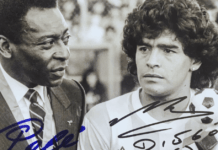
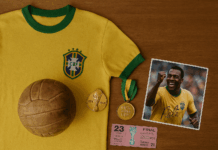
Sports memorabilia is more than just merchandise; it carries emotional and cultural weight. Fans collect these items to reconnect with moments that defined their love for the game.
Nostalgia plays a powerful role in determining the value of memorabilia, often pushing prices far beyond material worth.
This article examines how memories, emotions, and cultural events shape the sports memorabilia market.
Understanding Nostalgia in Sports Memorabilia
Nostalgia acts as the invisible force behind many purchases. It links personal experiences with iconic sporting achievements.
The Psychology of Nostalgia
Nostalgia creates a sense of comfort and belonging, reminding fans of happier times. Sports memories often tie directly to childhood or family experiences.
This emotional pull encourages fans to spend generously on items linked to those memories. Collectibles become a way to relive moments of joy and excitement.
Emotional Attachment to Teams and Players
Fans form emotional bonds with their favorite teams and players. Memorabilia connected to these figures serves as a tangible representation of loyalty.
Jerseys, autographs, and trading cards become symbols of identity. Shared nostalgia creates community among supporters, adding value to these items.
Historical Events and Iconic Moments
Items tied to historic matches and legendary athletes hold unique importance. They serve as reminders of milestones that shaped sports history.
Legendary Matches and Championships
Memorabilia from championship games consistently holds high value. Jerseys, tickets, or signed balls from decisive matches attract both collectors and fans.
These items are treasured because they link directly to unforgettable victories. As time passes, their worth continues to climb.
Player Milestones
Autographed items from career-defining moments command attention. Fans look for jerseys worn during debut matches, record-breaking performances, or farewell games.
These collectibles represent milestones not only for athletes but also for supporters who witnessed them. Nostalgia enhances their desirability in the market.
Examples of Valuable Nostalgic Items
Sports history offers countless examples of nostalgic items that reached extraordinary prices. Here are notable cases that demonstrate the power of memory:
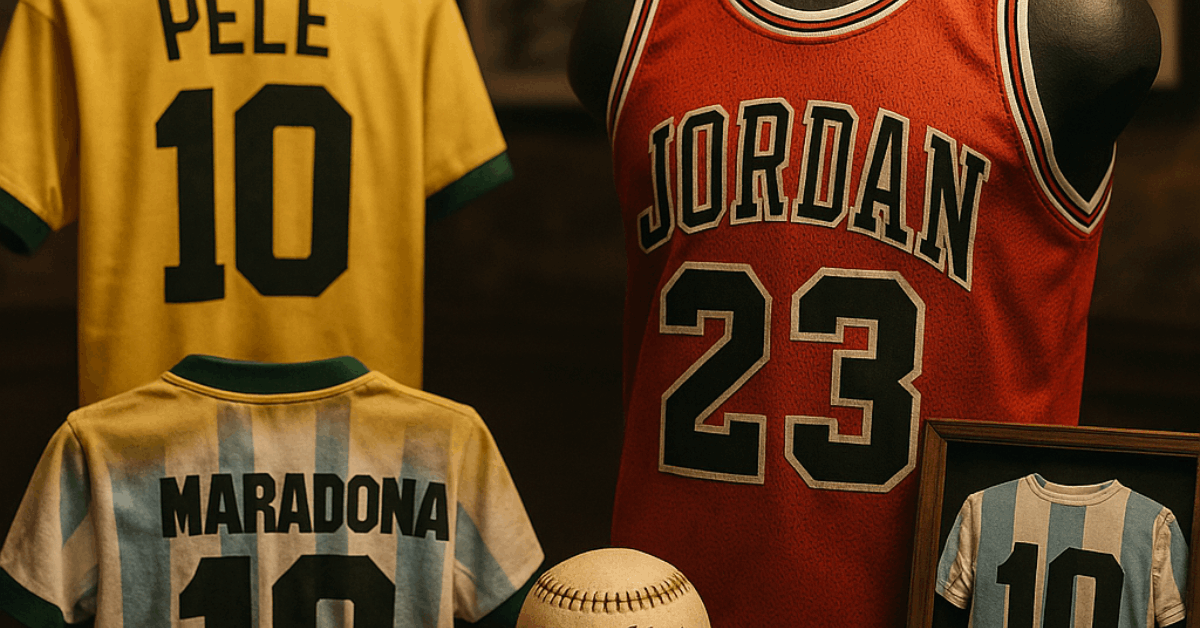
- Michael Jordan’s 1998 Finals Jersey – A symbol of “The Last Dance” era.
- Pelé’s World Cup memorabilia – Items tied to global football history.
- Babe Ruth’s signed baseball – An iconic piece of American sports heritage.
- Diego Maradona’s 1986 “Hand of God” jersey – Connected to both controversy and brilliance.
The Role of Generational Shifts
Each generation brings its own nostalgic lens to the memorabilia market. What was once ordinary becomes precious decades later.
Baby Boomers and Vintage Collectibles
Baby boomers often seek items from the 1960s to 1980s. Baseball cards, signed bats, and early jerseys dominate this era.
These items connect collectors to the golden age of their youth. As demand remains strong, values continue to grow.
Millennials and the Rise of 1990s Memorabilia
Millennials are now driving demand for 1990s memorabilia. Trading cards, sneakers, and jerseys from that decade are increasingly valuable.
Stars like Michael Jordan, Kobe Bryant, and 1990s football icons dominate collections. The nostalgia of this generation shapes current market trends.
Passing Memories Across Generations
Sports memories often pass from parents to children. Family collections gain value as they carry both sentimental and financial worth.
Introducing younger fans to historic players ensures demand across multiple generations. Nostalgia, therefore, becomes an inheritance of passion and tradition.
Media Influence on Nostalgic Value
Media plays a vital role in reviving and sustaining sports memories. Documentaries, films, and stories reignite emotional connections.
Documentaries and Biopics
Productions like “The Last Dance” significantly boosted the value of Jordan memorabilia. Films and biopics remind fans of legendary achievements.
They introduce younger audiences to iconic players and moments. This renewed interest drives up auction prices and collector demand.
Anniversary Celebrations
Anniversaries of historic victories generate renewed interest in collectibles. Limited-edition releases tied to these milestones fuel nostalgia.
Fans see such items as part of a shared celebration. Anniversary-driven memorabilia often experiences a sharp increase in value.
Sports Journalism and Storytelling
Sports journalism keeps classic stories alive. Features and retrospectives remind fans of legendary players and games.
These narratives strengthen the emotional bond between supporters and their memories. As coverage spreads, memorabilia tied to those stories becomes more valuable.
Market Dynamics and Nostalgia
The sports memorabilia market thrives on emotion-driven demand. Auctions and collectors capitalize on nostalgia to set prices.
Auction Houses and Collectors
High-profile auctions attract international attention. Collectors often bid more when personal memories are at stake.
Auction houses highlight nostalgic value to maximize sales. This competitive environment elevates prices for historic memorabilia.
Scarcity and Rarity
The principle of scarcity is central to memorabilia value. Limited availability of items tied to beloved moments enhances demand.
Fans compete fiercely for rare jerseys or game-worn gear. Nostalgia magnifies the impact of rarity on price.
Market Trends Driven by Nostalgia
The market has shown consistent patterns shaped by nostalgia. Collectors prioritize items tied to emotional connections, including:
- Vintage trading cards gaining popularity again.
- Game-worn jerseys from historic matches selling for millions.
- Autographed equipment rising in value across sports.
- Tickets and stubs preserved as nostalgic artifacts.
Challenges and Risks of Nostalgia-Driven Collecting
While nostalgia increases value, it also introduces risks for collectors and investors. Buyers must balance passion with caution.
Counterfeit Memorabilia
Counterfeit items exploit nostalgic demand. Fans may pay high prices for fake memorabilia.
Authentication processes are essential to avoid losses. Collectors rely on trusted sources to protect investments.
Price Bubbles
Sudden spikes in demand can create price bubbles. Media events or anniversaries may push values temporarily too high.
Investors risk overpaying based on sentiment rather than true rarity. Market corrections often follow these surges.
Emotional Bias in Collecting
Nostalgia can cloud judgment for collectors. Emotional bias may cause fans to overspend on certain items.
This behavior turns collecting into a risky financial decision. Separating passion from strategy is key in maintaining balance.
The Future of Nostalgia in Sports Memorabilia
Nostalgia will continue to shape the future of collecting. Both physical and digital trends reflect evolving fan culture.
Digital Collectibles and NFTs
Digital nostalgia has entered the market through NFTs. Virtual trading cards and highlight reels appeal to tech-savvy collectors.
These items link nostalgia with modern innovation. They show how memory adapts to new formats.
Sustainability of Traditional Memorabilia
Despite digital growth, traditional items remain highly valued. Physical jerseys, cards, and autographs carry tangible connections.
The authenticity of holding a real item cannot be replaced. Tangibility ensures nostalgia’s continued relevance.
Passing Nostalgia Forward
Future generations will define their own nostalgic eras. Today’s athletes will become tomorrow’s legends.
Collectors will chase items tied to current stars decades from now. Nostalgia ensures the market’s survival across changing times.
Conclusion – The Emotional Currency of Nostalgia
Nostalgia is the driving force behind much of the sports memorabilia market. Emotional ties to players, matches, and eras shape both demand and pricing.
Media, scarcity, and generational shifts ensure nostalgia’s lasting influence. As long as fans treasure memories, nostalgia will remain the emotional currency of sports collectibles.