Argentina and Brazil are nations where football defines identity. Their history is filled with legendary players, unforgettable matches, and objects that symbolize greatness.
Jerseys, boots, stadium symbols, and trophies carry stories beyond victories. This article explores the most iconic objects tied to Argentine and Brazilian football history.
Jerseys That Defined Generations
Jerseys represent the soul of football culture. In Argentina and Brazil, some shirts reached legendary status.
Argentina’s No. 10 Jersey
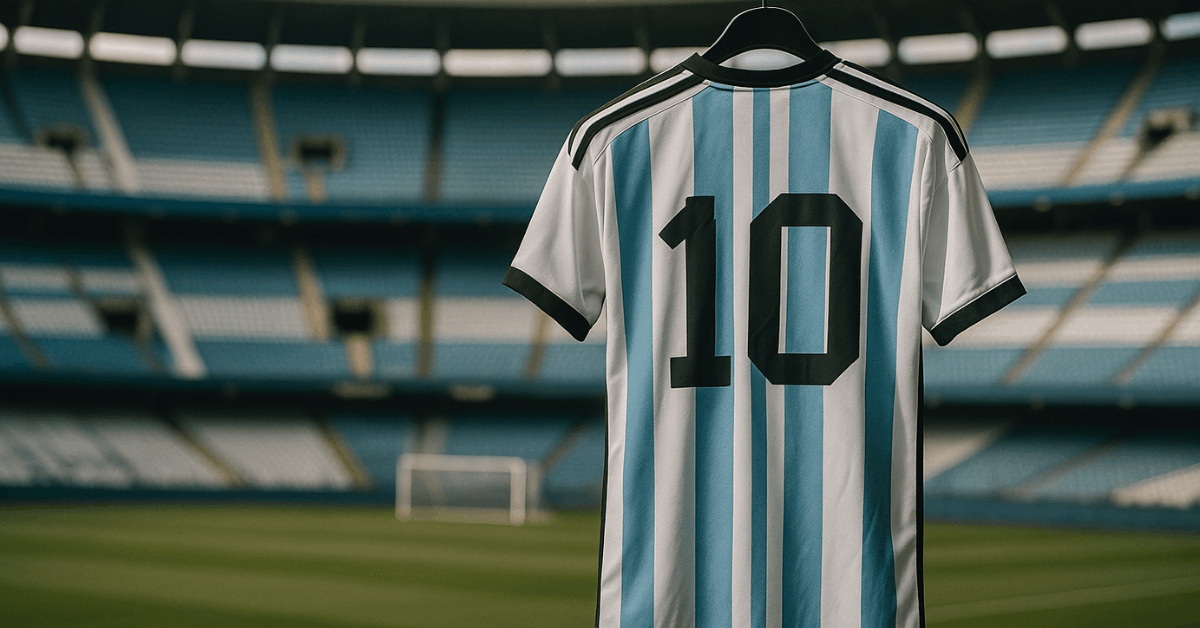
The No. 10 jersey in Argentina is linked to brilliance. Maradona wore it in 1986 when he led Argentina to World Cup glory.
Messi continued the legacy with his triumph in 2022. This shirt is a national symbol of creativity and leadership.
Brazil’s Yellow Jersey (Amarelinha)
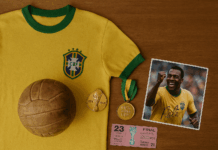
Brazil’s yellow jersey, known as the Amarelinha, is globally recognized. Pelé wore it while winning three World Cups.
Later, Ronaldo and Ronaldinho continued its legacy. It symbolizes Brazil’s joyful style and dominance in world football.
Other Historic Jerseys
Jerseys from clubs in both nations also became iconic. Boca Juniors’ blue and gold represents La Bombonera’s unmatched atmosphere.
River Plate’s red diagonal stripe is tied to elegance and tradition. Santos’ white shirt carries Pelé’s legacy of dominance in the 1960s.
Match Balls of Historic Moments
Balls used in decisive matches are treasured objects. They are physical reminders of moments that shaped football history.
1986 World Cup Ball (Azteca)
The Adidas Azteca ball was used in Mexico during Argentina’s 1986 World Cup. It became famous for Maradona’s “Hand of God” and “Goal of the Century.”
These moments defined football history and immortalized the ball. Collectors view it as one of the most valuable match-used balls.
1970 World Cup Ball (Telstar)
Brazil used the Adidas Telstar during their third World Cup win in 1970. Pelé and his teammates cemented Brazil’s dominance with it.
The Telstar’s design influenced future World Cup balls for decades. It remains a classic in the history of football equipment.
Collectors’ Value of Match Balls
Match-used balls are highly sought-after collectibles. They sell for high prices at auctions due to their historical connections.
Fans see them as links to the greatest goals and victories. The emotional value often exceeds their physical worth.
Stadiums and Their Sacred Symbols
Stadiums in Argentina and Brazil are cultural landmarks. Within them, certain objects became legendary.
La Bombonera’s Banners and Flags
Boca Juniors’ fans are known for their enormous banners. These flags and displays create an intimidating and passionate atmosphere.
They symbolize loyalty and community pride. La Bombonera’s traditions highlight Argentina’s fan culture.
Maracanã’s Goalposts
The Maracanã stadium is Brazil’s most iconic football arena. Its goalposts witnessed Pelé’s milestones and historic finals.
They also symbolize Brazil’s painful 1950 loss against Uruguay. The posts are part of the myth surrounding Brazilian football.
Stadium Icons
Stadiums across both nations carry objects tied to emotion and memory. River Plate’s Monumental stadium hosted the 1978 World Cup final.
Artifacts from the Maracanazo remind fans of heartbreak and resilience. Drums and instruments in terraces show how fans drive the rhythm of matches.
Boots and Equipment of Legends
Boots and gear used by football icons are reminders of legendary performances. They symbolize talent and legacy.
Maradona’s 1986 World Cup Boots
Maradona’s World Cup boots from 1986 are priceless artifacts. They were worn during his most memorable goals in Mexico.
Both his genius and controversy are tied to them. These boots represent Argentina’s proudest footballing triumph.
Pelé’s Classic Puma Boots
Pelé’s Puma boots are symbols of Brazil’s golden years. He wore them while winning three World Cups.
They became famous worldwide as part of his dominance. Pelé’s boots remain one of the most iconic items in football history.
Other Legendary Equipment
Other players also left behind iconic gear. Ronaldo’s 1998 Nike Mercurial boots marked the rise of lightweight speed footwear.
Messi’s Adidas boots from record-breaking games are valued globally. Zico’s Flamengo gear still represents Brazilian domestic football excellence.
Trophies and Medals of Glory
Trophies embody the highest achievements in football. Argentina and Brazil’s silverware showcases their global dominance.
World Cup Trophies of Argentina and Brazil
Brazil has five World Cups, the most in history. Argentina has three, including the 2022 triumph with Messi.
Each trophy or medal is tied to unforgettable players and finals. They symbolize national pride and global recognition.
Copa Libertadores Cups
South America’s most prestigious club competition is the Copa Libertadores. Clubs like Boca Juniors, River Plate, and São Paulo lifted it multiple times.
Winning the Libertadores is the ultimate achievement for South American clubs. The trophy itself is a powerful icon of continental football.
Medals and Individual Awards
Players from both countries also earned countless awards. Messi’s Ballon d’Or medals reflect Argentine greatness on a global scale.
Golden Boots won by Brazilian strikers symbolize attacking dominance. Copa América medals highlight battles for continental supremacy.
Fan Culture and Everyday Icons
Fans in Argentina and Brazil created their own iconic objects. These items reflect traditions unique to their footballing cultures.
Club Scarves and Flags
Scarves and flags are universal signs of loyalty. In South America, they are often decorated with slogans and historic dates.
Fans wave them proudly in stadiums and on the streets. They represent a sense of belonging that goes beyond the game.
Drums and Musical Instruments
Argentine terraces are famous for their drums and trumpets. These instruments provide rhythm and energy to matches.
The music is part of what makes South American football unique. It turns stadiums into vibrant cultural festivals.
Popular Fan Items
Fan culture thrives on objects that hold symbolic value. Membership cards prove lifelong dedication to clubs.
Replica shirts are essential possessions for supporters. Murals and graffiti celebrate clubs and immortalize players across neighborhoods.
Modern Memorabilia and Collectibles
The digital age introduced new forms of football memorabilia. Argentina and Brazil embraced these modern trends.
Signed Jerseys and Balls
Signed items remain highly valuable for fans and collectors. Authenticity certificates are now essential for maintaining trust.
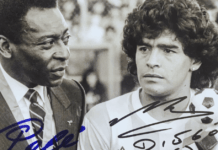
Autographs from Maradona, Messi, Pelé, and Neymar are the most sought after. These items connect fans directly to legends.
Digital Collectibles and NFTs
NFTs and digital memorabilia are growing in football. Clubs release limited-edition virtual items linked to goals or iconic moments.
Fans invest in them for both passion and potential profit. This reflects how football adapts to modern technology.
Collectibles in Demand
Collectors look for rare and limited-edition items. Trading cards of Messi and Neymar dominate markets worldwide.
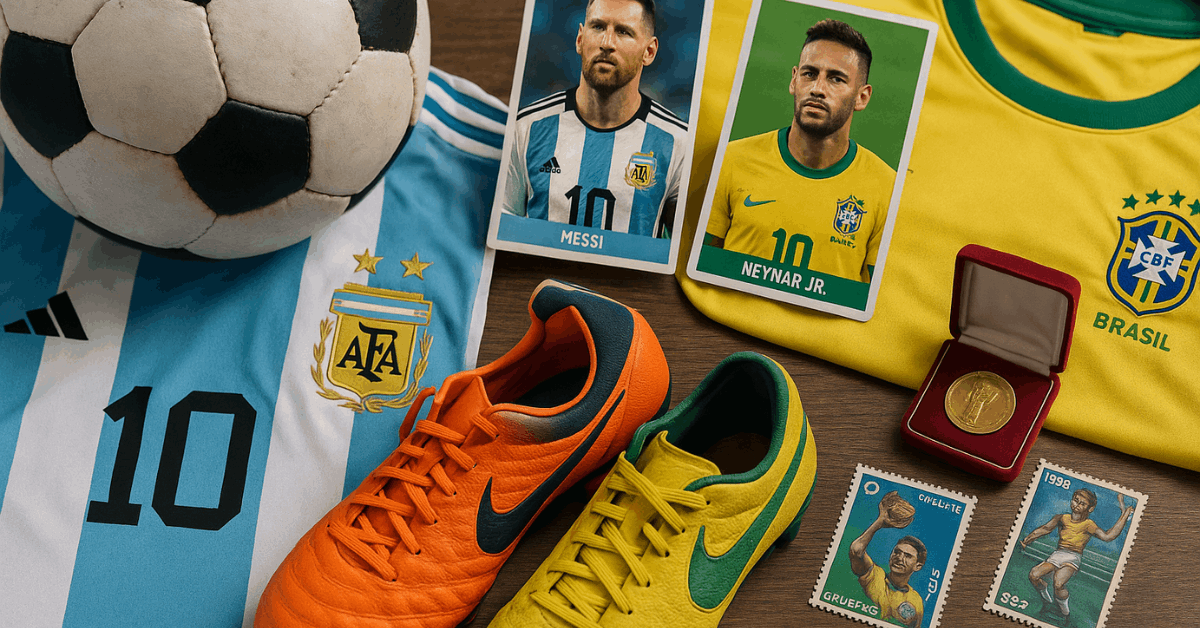
Special-edition boots and jerseys are released by major brands. Commemorative coins and stamps celebrate legendary victories.
Conclusion – Objects That Preserve Football’s Soul
Argentina and Brazil gave football its greatest legends and memories. Their iconic objects keep history alive through physical and symbolic value.
Jerseys, boots, stadium artifacts, and trophies connect generations. These objects ensure that the soul of South American football continues to inspire the world.