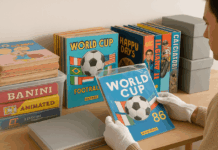
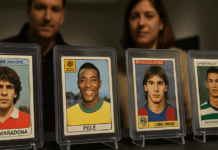
The Panini sticker albums have become a tradition in Brazil since their arrival during the 1970 World Cup.
Over the decades, they have grown from a simple pastime into a cultural phenomenon that unites generations of football fans.
This article explores how the craze evolved, its impact on Brazilian society, and why it remains so important today.
The Beginning – World Cup 1970
The Panini sticker craze in Brazil began with the 1970 World Cup, marking the start of a long-standing tradition.
This period laid the foundation for the swap culture that became part of daily life for many fans. Below are the main points that explain how it all started.
- Arrival of Panini Albums: The first Panini World Cup sticker album reached Brazil in 1970, coinciding with Pelé’s legendary third title.
- Distribution: Albums and packs were sold mainly at neighborhood newsstands, making them accessible to children and families.
- First Swap Rituals: Schoolyards and local plazas became informal spaces for exchanging duplicates, creating a social tradition.
- National Excitement: Brazil’s success in the 1970 World Cup fueled sticker demand, linking the albums to football pride.
- Collecting as a Family Activity: Parents and children often completed albums together, strengthening generational bonds.
- Cultural Legacy: The 1970 edition is remembered as the starting point of a national hobby that would grow stronger with every tournament.

Expansion in the 1980s
The 1980s marked a period of rapid growth for Panini stickers in Brazil.
Television, urbanization, and stronger football culture helped the albums reach a wider audience.
This decade solidified sticker collecting as a mainstream hobby across the country.
- Impact of Television: More football on TV boosted the visibility of Panini albums and attracted children’s interest.
- Urban Distribution: Growing kiosks and newsstands in cities made packs easier to find for collectors.
- Affordable Prices: Low costs kept albums and packs accessible to many families.
- Swap Culture Growth: Schoolyards and plazas became hubs for larger swap groups.
- Rare Sticker Myths: Rumors of “impossible” stickers added excitement and competition.
- Cultural Consolidation: By the late 1980s, collecting had become a national football pastime.
Stabilization in the 1990s
The 1990s were a turning point for Panini stickers in Brazil. Economic stability and Brazil’s football achievements gave albums a strong cultural boost.
Collecting became more structured and deeply rooted in everyday life.
- Economic Stability: The Plano Real in 1994 stabilized prices, making albums easier to afford.
- World Cup Success: Brazil’s 1994 title and 1998 run increased excitement for sticker collections.
- Mass Participation: Schools across the country saw nearly all children involved in trading.
- Global Icons: Albums featured stars like Romário, Ronaldo, and Zidane, making collections more appealing.
- Improved Quality: Better printing and shiny stickers enhanced the look and feel of albums.
- Cultural Integration: By the decade’s end, albums were viewed as part of Brazilian football tradition.
The Digital Awakening in the 2000s
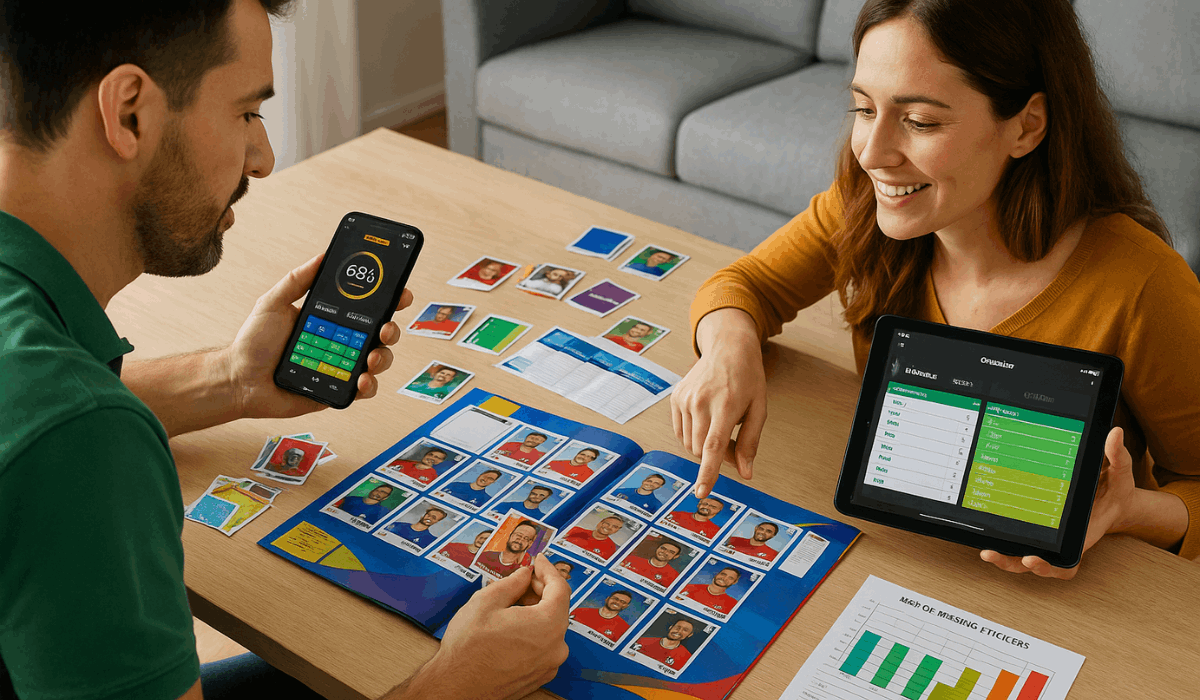
The 2000s introduced new technology that changed Panini collecting in Brazil. Online forums, blogs, and early social media gave collectors new ways to connect.
Modern tools shaped how people traded and preserved their albums.
- Online Communities: Orkut groups, blogs, and forums became central hubs for organizing swaps and sharing updates.
- Swap Etiquette: Collectors created clearer rules for trading, including fair ratios and honesty guidelines.
- Collector Tools: Checklists and spreadsheets were shared online to track missing stickers.
- Preservation Practices: The rise of protective sleeves and binders reflected a new focus on keeping albums in good condition.
- Early Online Trading: Some collectors began swapping and selling through online platforms, expanding reach beyond neighborhoods.
- Cultural Shift: The internet turned sticker collecting into a more structured and nationwide community activity.
Brazil as Host – The 2014 World Cup
In 2014, Brazil’s World Cup hosting pushed Panini collecting to its peak. Albums became a national craze with record sales and huge swap events.
Families and fans of all ages joined the excitement.
- Record Demand: The hosting of the tournament pushed sticker sales to unprecedented levels across Brazil.
- Public Swap Events: Shopping malls, plazas, and bookstores organized large sticker-trading meetups.
- Retail Promotions: Supermarkets and kiosks ran special campaigns, boosting visibility and sales.
- Media Coverage: Newspapers, TV, and online portals highlighted the craze, making it part of daily news.
- Family Participation: Completing albums became a shared activity between parents and children.
- Cultural Highlight: The 2014 edition is remembered as the peak of Brazil’s Panini sticker tradition.
Price Increases and Scarcity (2018–2022)
Between 2018 and 2022, Panini sticker collecting faced new challenges in Brazil. Rising prices and product shortages frustrated fans and collectors.
These years highlighted both the passion and the struggles within the hobby.
- Higher Pack Prices: Sticker packs became noticeably more expensive, limiting access for many families.
- Shortages at Retailers: Supermarkets and kiosks often sold out quickly, causing frustration for collectors.
- Scalping Issues: Some resellers bought large quantities and sold them online at inflated prices.
- Late-Night Restocks: Collectors lined up at shops during late deliveries to secure packs.
- Community Complaints: Social media groups voiced anger over scarcity and unequal distribution.
- Market Shift: The scarcity pushed more collectors toward online trading and secondhand markets.
How Panini Produces the Albums
Making a Panini World Cup album involves clear, structured steps. From player selection to printing and distribution, each stage is carefully managed.
This process keeps the albums a lasting global tradition.
- Player Selection: Panini works with FIFA and football associations to choose squads and licensed content.
- Editorial Design: Editors organize the album layout, including teams, badges, and special pages.
- Printing Process: Stickers are printed in large batches using high-quality presses for color and detail.
- Numbering System: Each sticker receives a unique number to match the album slots.
- Special Editions: Foil badges, shiny stickers, and update sets are produced for added variety.
- Global Distribution: Packs and albums are shipped to newsstands, supermarkets, and online retailers worldwide.
Completing the Album – The Math and Reality
Completing a Panini album is fun but also costly and time-consuming. The process involves duplicates, chance, and sometimes official services to finish.
Collectors soon realize completing an album is more about math than luck.
- Duplicate Problem: Buying packs leads to many repeated stickers, slowing album completion.
- Probability Factor: Statistically, hundreds of packs are needed to finish without trading.
- Trading Solution: Swapping duplicates with friends or groups reduces costs and speeds up completion.
- Official Service: Panini allows collectors to order missing stickers directly, with limits per album.
- Cost Reality: Completing an album often costs far more than the album’s cover price.
- Collector Experience: For many, the joy comes from swapping and community, not just filling the last slot.
Profiles of Collectors Today
Panini sticker collecting in Brazil attracts people of all ages and backgrounds. Today’s collectors range from casual fans to serious investors.
Each group has its own motivation and way of enjoying the hobby.
- Children: Young fans who start their first albums, often trading at school and with friends.
- Completionists: Collectors who focus on filling every slot in the album, no matter the cost or effort.
- Nostalgic Adults: Adults who collected as kids and now return to the hobby for memories and family bonding.
- Investors: People who buy and preserve rare or vintage albums and stickers as long-term assets.
- Community Organizers: Enthusiasts who set up swap meets, online groups, or fairs to help others complete albums.
- Hybrid Collectors: Fans who combine physical albums with Panini’s digital apps to enjoy both formats.
To Sum Up
Panini stickers have grown from a small 1970 hobby into a lasting part of Brazil’s football culture.
The albums unite generations, mixing passion, math, and community in every World Cup cycle.
If you are a fan, start your own collection today and be part of this tradition that continues to excite millions.