Old sticker albums carry both emotional memories and collector’s value.
Without proper care, their pages and stickers can fade, tear, or lose value over time.
Learning how to organize and protect them ensures they remain preserved for years to come.
Understanding the Value of Old Sticker Albums
Old sticker albums have sentimental value, reminding collectors of childhood memories and cultural moments.
They also carry financial value, especially if the album is rare, complete, and in good condition.
The mix of nostalgia and market demand makes them items worth protecting.
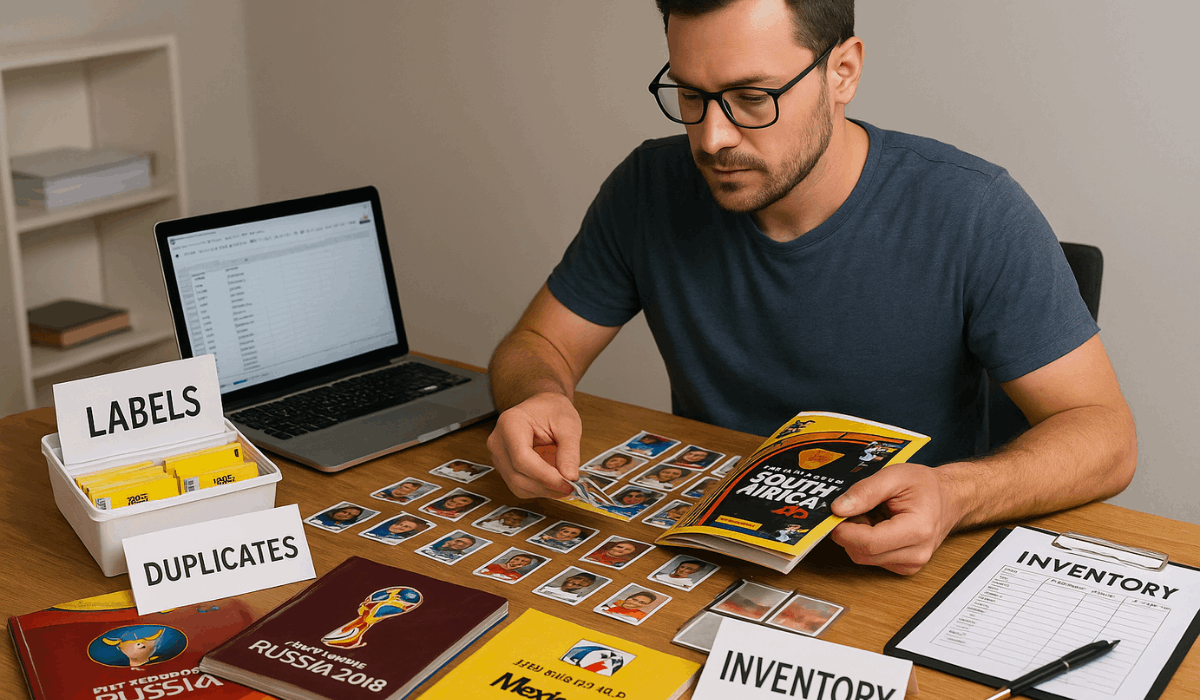
Step 1: Sorting and Organizing Your Collection
Sorting your albums properly helps you manage and protect them better. A clear system saves time and avoids unnecessary handling.
These steps give structure and make your collection easier to maintain.
- Categorize – Group albums by year, brand, or theme for order.
- Label – Mark shelves, boxes, or dividers for quick recognition.
- Catalog – Keep a digital or physical list of each album.
- Duplicates – Record extra stickers for trading or replacement.
- Chronology – Arrange albums in order of release for clarity.
- Condition Notes – Track wear, missing stickers, or damages.
- Storage Sections – Assign separate areas for rare or active use albums.
Step 2: Cleaning and Handling Properly
Proper cleaning and handling prevent damage and preserve your albums’ condition.
Even small mistakes like dirty hands or poor storage can lower their value. Following safe habits keeps your collection secure for the long term.
- Clean Hands – Always wash and dry before touching albums.
- Gloves – Use cotton gloves for fragile or valuable items.
- No Food or Drinks – Keep liquids and crumbs away to avoid stains.
- Dust Removal – Use a soft brush or cloth to gently clear pages.
- Flat Surface – Handle albums on a clean, stable table.
- Minimal Contact – Touch edges, not sticker surfaces or prints.
- Storage Ready – Place albums back in covers or sleeves after use.
Step 3: Storage Materials and Supplies
The right storage materials protect your albums from long-term wear and environmental damage.
Choosing safe and durable supplies prevents fading, sticking, or tearing. Investing in quality storage ensures your collection stays in top condition.
- Acid-Free Sleeves – Prevent discoloration and chemical damage.
- Archival Boxes – Provide sturdy protection against dust and light.
- Binders – Keep loose pages organized and easy to flip through.
- Interleaving Paper – Stops pages from sticking together.
- Plastic-Free Options – Avoid cheap plastics that can harm stickers.
- Reinforced Corners – Support albums and reduce bending or warping.
- Labeling Tools – Use archival-safe labels for clear identification.
Step 4: Ideal Storage Environment
The storage environment plays a big role in keeping your albums safe. Poor conditions can cause fading, mold, or warping over time.
A controlled space helps maintain both the look and value of your collection.
- Humidity Control – Keep levels around 40–50% to avoid mold or dryness.
- Stable Temperature – Store in cool, consistent conditions away from heat.
- No Sunlight – Prevent fading by avoiding direct exposure to UV rays.
- Air Circulation – Ensure proper airflow to reduce moisture buildup.
- Silica Gel – Place packets in boxes to absorb excess humidity.
- Avoid Basements/Attics – Stay away from damp or extreme temperature zones.
- Dedicated Space – Use a clean shelf or cabinet reserved only for albums.
Step 5: Preventing Damage Over Time
Preventing damage over time is about taking small, consistent steps to protect your albums.
Without regular care, even the best collections can suffer wear or decay. These practices help you preserve both quality and value.
- Rotate Position – Change how albums are stacked to reduce spine stress.
- Flat or Upright – Keep albums properly supported to avoid bending.
- Check Regularly – Inspect for dust, mold, or insect activity.
- Quick Repairs – Fix loose pages or sleeves before damage spreads.
- Dust Protection – Store in boxes or sleeves to reduce buildup.
- Avoid Overloading – Do not pack shelves too tightly to prevent warping.
- Protect Edges – Use guards or supports to keep covers from fraying.
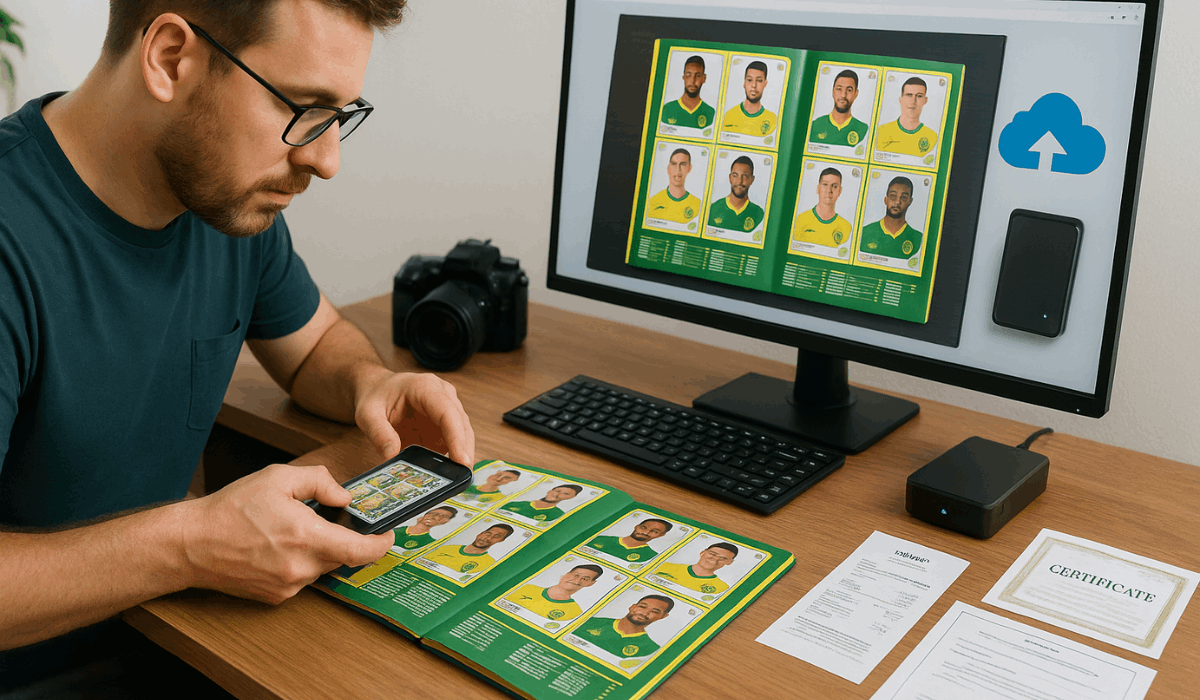
Step 6: Digital Backups for Security
Creating digital backups adds another layer of security for your sticker albums.
Scanning or photographing pages protects you from loss due to damage or theft. It also makes sharing and cataloging your collection easier.
- Page Scans – Digitize each page for a clear, detailed record.
- High-Quality Photos – Capture images when scanning isn’t possible.
- Cloud Storage – Keep files safe online with easy access anywhere.
- External Drives – Store backups on hard drives or USB devices.
- Organized Folders – Sort files by album, year, or theme for quick search.
- Sharing Copies – Provide digital versions to family or collector groups.
- Insurance Proof – Use digital files as evidence for claims if needed.
Step 7: Insurance and Documentation
Insurance and documentation give your albums formal protection and proof of value.
This step is especially important if you own rare or high-demand collections. Keeping proper records ensures you are covered in case of loss or damage.
- Detailed Inventory – List each album with notes on condition and rarity.
- Receipts – Keep proof of purchase for added credibility.
- Certificates – Store authenticity papers for limited editions.
- Updated Valuation – Reassess collection value as the market changes.
- Insurance Policy – Consider coverage for rare or high-value items.
- Photo Records – Keep dated images of your collection for reference.
- Secure Storage – Store documents separately from the albums for safety.
Step 8: Long-Term Maintenance Routine
A long-term maintenance routine keeps your sticker albums in excellent condition for years.
Regular checks and updates stop small problems from becoming serious. These habits keep your collection safe and organized.
- Scheduled Inspections – Set times to review condition and cleanliness.
- Reorganize – Adjust sorting as your collection grows.
- Replace Supplies – Swap old sleeves, boxes, or labels when worn out.
- Record Updates – Keep your catalog current with new entries or changes.
- Gentle Cleaning – Remove dust and dirt during each review.
- Damage Control – Address small issues immediately before they spread.
- Maintenance Log – Track care activities for better consistency.
Trading and Networking with Collectors
Trading and networking help you grow your collection while learning from others.
It opens opportunities to complete albums, exchange knowledge, and stay updated on market values. Building connections also adds enjoyment to the hobby.
- Collector Clubs – Join local or online groups to connect with fellow enthusiasts.
- Safe Trading – Exchange duplicates only in trusted and transparent settings.
- Market Updates – Stay informed about trends, prices, and rare items.
- Collector Events – Attend fairs or meetups to expand your network.
- Online Platforms – Use forums or social media for wider reach.
- Reputation Building – Be honest and fair to earn trust in the community.
- Learning Resource – Gain tips on preservation and collecting strategies.
Passing Down Your Collection
Passing down your collection ensures its value and meaning continue beyond you.
With the right planning, albums can become a family treasure or a cultural contribution. These steps help you prepare for a smooth handover.
- Family Guidance – Teach relatives how to care for albums properly.
- Written Instructions – Leave clear notes on storage and handling.
- Inheritance Planning – Include albums in wills or estate plans.
- Donation Choice – Consider museums or archives for preservation.
- Digital Copies – Provide backups for easier sharing with the next generation.
- Value Records – Document worth to help future caretakers understand significance.
- Legacy Story – Write the history of your collection to keep its story alive.
To Sum Up
Old sticker albums can last for decades if cared for with the right organization and protection.
By applying consistent handling, proper storage, and smart long-term planning, you keep both their sentimental and financial value intact.
Start today by setting up a system that preserves your collection and ensures it can be enjoyed for generations.