Retro football shirts carry history, culture, and passion for the game. Fans worldwide seek the most sought-after retro football shirts to relive defining moments in football.
Collectors view them as symbols of great players and iconic matches. This guide explains history, authenticity, and collecting tips.
The History of Retro Football Shirts
Football shirts have changed dramatically over the decades. Early designs in the late 19th century were plain cotton fabrics made only for practicality.
By the 1960s and 1970s, synthetic materials allowed more comfort and creative styles. The 1980s introduced sponsors, commercial links, and vibrant patterns.
The 1990s created bolder iconic kits that are still popular today. These shifts explain why old shirts now hold strong sentimental value.
Why Retro Shirts Are Popular?
They represent moments, players, and designs that still inspire passion. Below are three main reasons explaining their lasting appeal.
Nostalgia and Emotion
Retro shirts bring fans back to great goals, historic wins, and unforgettable players. Wearing them helps people reconnect with past football memories.
Nostalgia drives much of their continued demand. Their designs stand apart from today’s uniform kits.
Collectability and Rarity
Collectors value these shirts for their scarcity and uniqueness. Limited supply ensures demand remains high.
Many shirts with original features or limited runs become prized possessions. Their condition and authenticity boost their long-term value.
Fashion and Identity
Retro shirts are both fashion items and cultural statements. Fans use them to express loyalty to clubs or nations.
They stand out in modern fashion for their bold designs. Their popularity reflects the mix of culture, history, and style.
Iconic Retro Football Shirts by Era
Each football era produced shirts that remain timeless. The 1960s gave us England’s red 1966 World Cup shirt and Brazil’s 1970 yellow jersey.
The 1970s highlighted the Netherlands’ famous orange kit. By the 1980s, style grew bolder with West Germany’s 1988 geometric kit and Denmark’s Hummel design.
The 1990s added cult classics like Arsenal’s bruised banana and Nigeria’s 1994 World Cup shirt. These eras shaped shirts that blend performance, design, and identity.
World Cup Retro Classics
World Cups created many iconic retro shirts tied to historic victories. Winning team kits, like Argentina’s 1986 stripes, remain highly desirable for fans.
Shirts from underdogs such as Cameroon’s 1990 kit gained recognition for their symbolism. Host nations’ commemorative editions marked milestones and drew global attention.
Even without victories, these shirts became valuable cultural symbols. They represent national pride and global football culture central to collections.
World Cup Retro Classics
World Cups produced many iconic retro shirts tied to football history. They matter because they link directly to great victories and memorable stories.
Argentina’s 1986 shirt remains desirable, while Cameroon’s 1990 kit is celebrated as an underdog symbol. Commemorative editions from host nations also gained attention worldwide.
Even without wins, these shirts became valuable cultural pieces. They represent national pride and remain central to collections.
Club-Level Retro Shirts
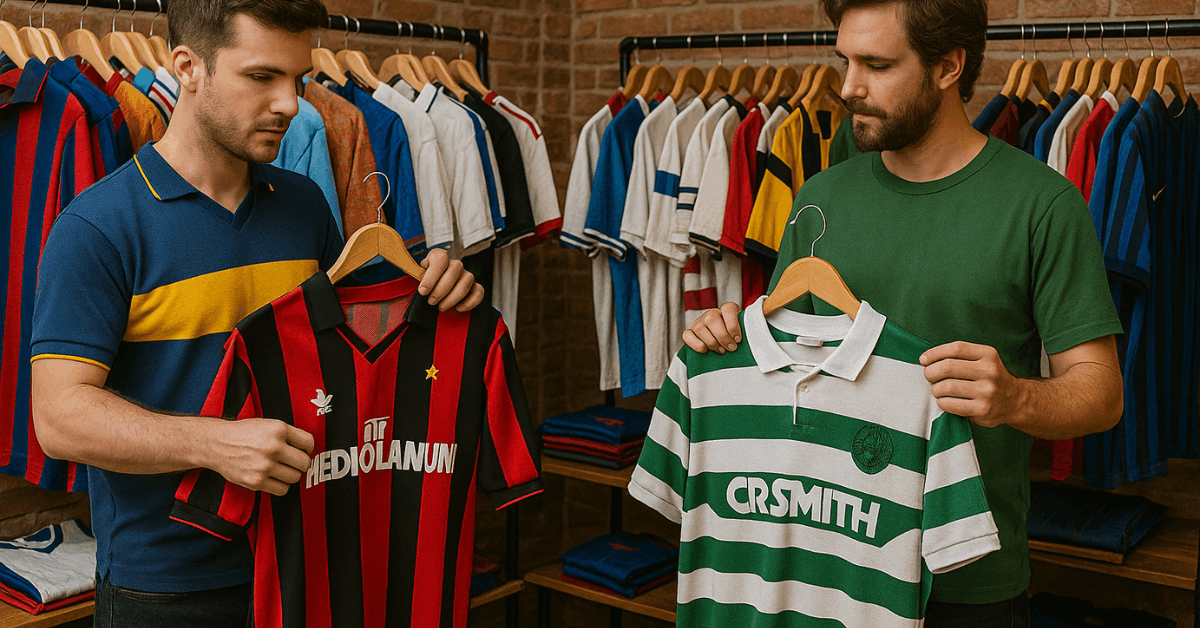
Retro shirts are not only about international tournaments. Clubs carry their own legends and traditions. European giants like Manchester United, AC Milan, and Real Madrid have shirts that mark eras of dominance.
Fans wear them to honor victories in European competitions. South American clubs also hold a strong place in retro shirt culture. Boca Juniors and Flamengo, with their bold colors and deep traditions, have shirts that remain popular worldwide.
Lesser-known cult clubs like Napoli during Maradona’s era continue to be favorites. Club shirts are essential because they strengthen local identity and passion.
Collecting Retro Shirts
Collecting retro football shirts has become a serious hobby. Enthusiasts seek value in authenticity, rarity, and condition. Shirts with original tags or limited-edition runs are the most valuable.
Preservation is key because fabric and prints can degrade over time. Collectors often store shirts in cool, dry environments to maintain quality. Framing shirts also prevents damage while allowing display.
Joining collector groups provides networking and knowledge about rare finds, such as communities found on Football Shirt Collective. The best collections are built over time with patience and clear themes.
Spotting Originals vs Counterfeits
Identifying authentic retro shirts is essential for collectors. Counterfeits are common due to high demand. You can usually spot fakes by checking stitching quality, tags, and logos.
Authentic shirts often have finer details and better fabric. Some collectors focus on licensing and brand history to confirm authenticity. For example, Adidas, Umbro, and Puma were primary producers of classic kits.
Poor reproductions often miss subtle features such as embroidery and collar shapes. Learning to identify these details protects both your investment and your credibility as a collector.
Where to Find Retro Football Shirts?
Finding genuine retro shirts requires knowing reliable sources. The list below highlights the best places to look when starting or expanding your collection.
- Official club stores: Clubs often re-release popular classic kits for fans and collectors, such as those listed on Manchester United’s official store.
- Specialist online retailers: Dedicated shops focus exclusively on retro football shirts, like Classic Football Shirts.
- Vintage shops: Local and international vintage stores can hide valuable discoveries, with some finds featured through Etsy vintage collections.
- Auction sites: Rare finds appear at auctions, but authenticity checks are important, especially on Sotheby’s sports memorabilia.
- Private sellers and communities: Collectors trade and sell within groups, offering unique opportunities, often seen in Reddit football shirt communities.
- Collector circles: Active participation in these communities increases your chance of rare pieces, such as those highlighted by Football Shirt Collective.
Market Value and Price Trends
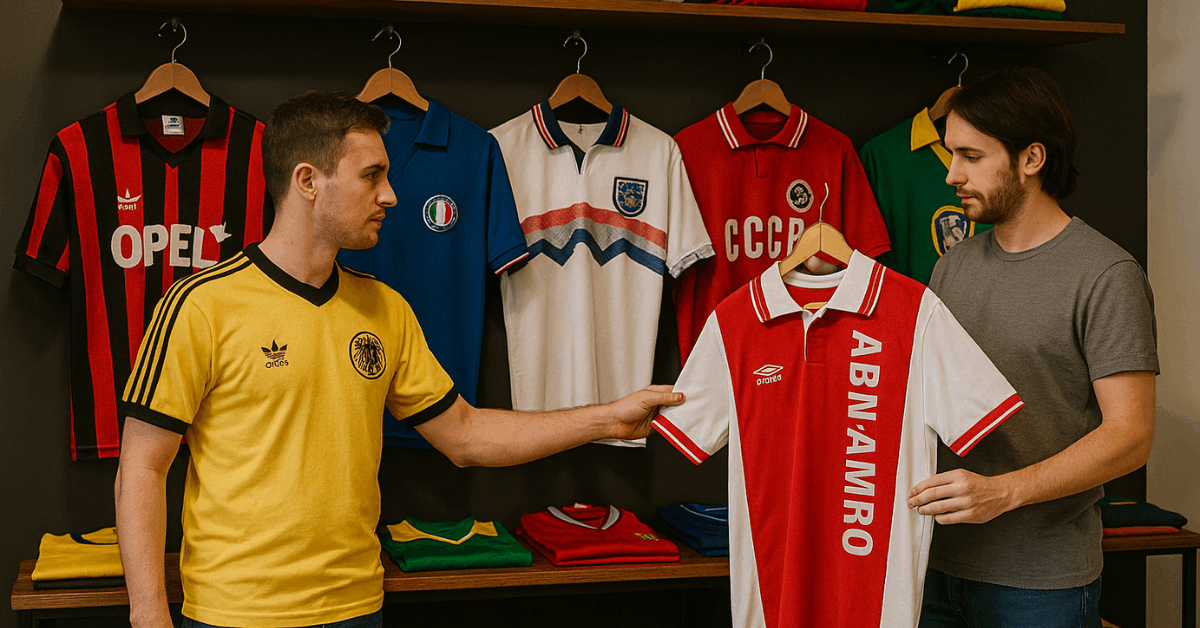
The value of retro shirts depends on rarity, age, and condition. Limited editions or shirts linked with famous players are worth more. Shirts worn in specific tournaments often sell for record amounts.
Collectors pay premium prices for authenticity. At the same time, entry-level collectors can still find affordable retro shirts. Modern reproductions allow fans to enjoy the look without spending heavily.
The market continues to grow as interest in retro football expands. Prices are expected to rise for the most iconic and rare pieces.
Retro Shirts in Modern Culture
Retro shirts are now fashion items as much as football symbols. Streetwear culture has embraced bold retro designs. Celebrities and athletes often wear them, increasing their mainstream appeal.
Retro kits show up in music videos, fashion shoots, and public events. Brands collaborate with clubs to re-release iconic shirts. This keeps old designs alive while introducing them to younger fans.
Retro kits also serve as a bridge across generations. They combine tradition with style, keeping football heritage relevant in modern culture.
Starting Your Own Collection
Starting a collection requires planning and focus. You need to decide on a budget and set realistic goals. Some collectors focus on national teams, while others target clubs or specific decades.
Building themes helps give structure and identity to your collection. Joining communities allows you to learn from experienced collectors. Forums and social groups often share tips and trade opportunities.
Patience is important because rare shirts take time to find. Over time, a well-built collection becomes both valuable and deeply personal.
Expert Tips for Retro Shirt Enthusiasts
Collectors can improve their experience by following guidance from experts. The following tips provide practical ways to enhance collection and protect value.
- Verify shirt history: Always confirm a shirt’s background to ensure authenticity and preserve value.
- Network with enthusiasts: Connecting with other collectors helps you discover rare finds and share knowledge.
- Search small shops: Many hidden gems are available in lesser-known stores and markets.
- Balance budget: Collect within your means and build collections gradually to avoid overspending.
- Research carefully: Investigate auctions or private sellers before buying to protect your investment.
- Seek expert advice: Learn from experienced collectors to make your hobby more rewarding and sustainable.
Final Words: Retro Shirts as History Preserved
Retro football shirts remain powerful symbols of the game’s culture and history. Fans seek the most sought-after retro football shirts to honor legends, relive memories, and build meaningful collections.
These shirts are more than apparel; they are artifacts that capture unforgettable moments in football. Whether you collect or simply admire them, retro shirts preserve the history of the world’s greatest sport.