Goalkeepers hold a special place in football history. The discussion on why goalkeeper shirts become so rare goes beyond simple design or style.
Their scarcity connects to production, usage, and emotional value tied to unforgettable matches. In this article, you will learn every factor that makes these shirts unique in the world of sports collectibles.
Limited Production of Goalkeeper Shirts
Clubs handle goalkeeper kits differently from outfield ones. The designs are limited and usually not marketed on a wide scale. Because only one goalkeeper plays at a time, the demand is much smaller.
This production limitation is one of the strongest reasons for rarity. Manufacturers often release only one or two goalkeeper designs per season.
Outfield players receive several versions for home, away, and third kits. That constant variety contrasts with the minimal availability of goalkeeper gear. As a result, fans and collectors find them harder to obtain.
Position-Specific Usage
The goalkeeper’s role restricts the number of shirts produced and worn. Only a single player can occupy the position per match. This contrasts with the frequent rotation of outfield players who create higher shirt availability.
The outcome is fewer authentic goalkeeper shirts reaching fans or markets. Collectors recognize that most squads only issue a handful of goalkeeper jerseys.
Match-worn items are even more limited because they are rarely swapped with opponents. This exclusivity directly influences value. It ensures that goalkeeper shirts are preserved as rare items compared to standard kits.
Historical Perspective
The historical background of goalkeeper kits also shapes their rarity. In early football, goalkeepers did not have distinctive uniforms. Unique colors and designs became standardized only in the 20th century.
This gradual change influenced how these shirts were produced and valued. Some iconic examples highlight their legacy. Lev Yashin, remembered for his black shirts, set a precedent for uniqueness.
Later generations saw mandatory contrasts introduced to avoid confusion with outfield players. These steps established a cultural identity for goalkeeper kits and their long-term collectible appeal.
Design Uniqueness
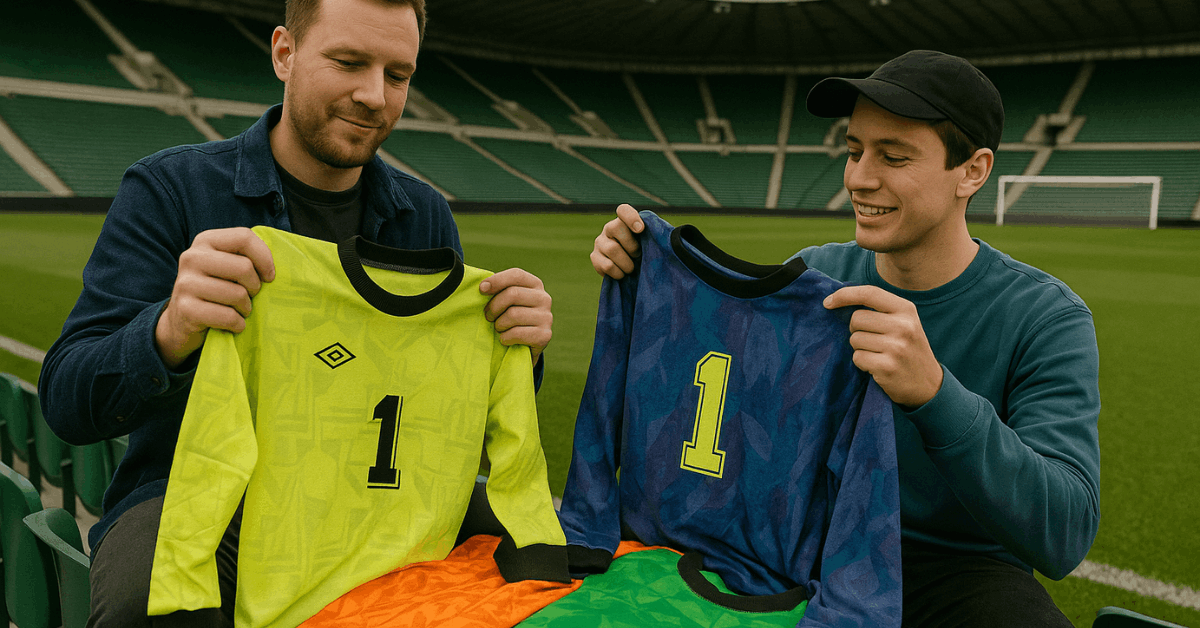
Goalkeeper shirts stand out for their bold and creative designs. They often feature colors and patterns rarely seen in outfield kits. This experimentation makes them visually distinct and desirable to collectors.
The rarity grows when designs are retired quickly or produced in low numbers. Fans and collectors appreciate the originality of these shirts.
Bright neon shades, geometric patterns, and unusual textures add to their attraction. Designers use goalkeepers as a space to test creative ideas. This originality adds long-term collectible importance to their legacy.
Match-Worn Scarcity
Match-worn shirts have a different level of value. Goalkeepers rarely exchange them at the end of matches, unlike outfield players. This limited availability means only a small number exist outside clubs and private collections.
Authentic game-worn shirts instantly gain higher collectible status. A single shirt can hold the story of a famous save or a historic tournament.
Collectors value the dirt, sweat, and gameplay marks on them. The rarity is amplified by the limited supply, making them highly desirable in auctions. Match-worn goalkeeper shirts symbolize scarcity at its purest.
Cultural and Emotional Value
Cultural significance drives demand for goalkeeper shirts. Legendary saves and decisive matches make certain shirts unforgettable. Fans remember the goalkeeper’s shirt as part of iconic football history.
Emotional attachment translates into higher demand in the collectibles market. For example, penalty saves in finals become permanently linked to the shirt worn.
Fans carry these memories, giving the item long-term importance. Emotional weight makes shirts stand out compared to standard gear. That attachment is a major reason for their rarity.
Auctions and Collectible Markets
The rarity of goalkeeper shirts is reflected in auctions. Collectors are prepared to pay record sums for historic pieces. This demand shows how scarcity increases competition among bidders.
The market highlights their value as more than just sportswear. High-profile auctions prove this trend. Shirts from legendary tournaments often sell for huge amounts.
Collectors also view them as long-term investments with growing value. The market continues to reinforce its position as a rare football memorabilia.
Comparison With Outfield Shirts
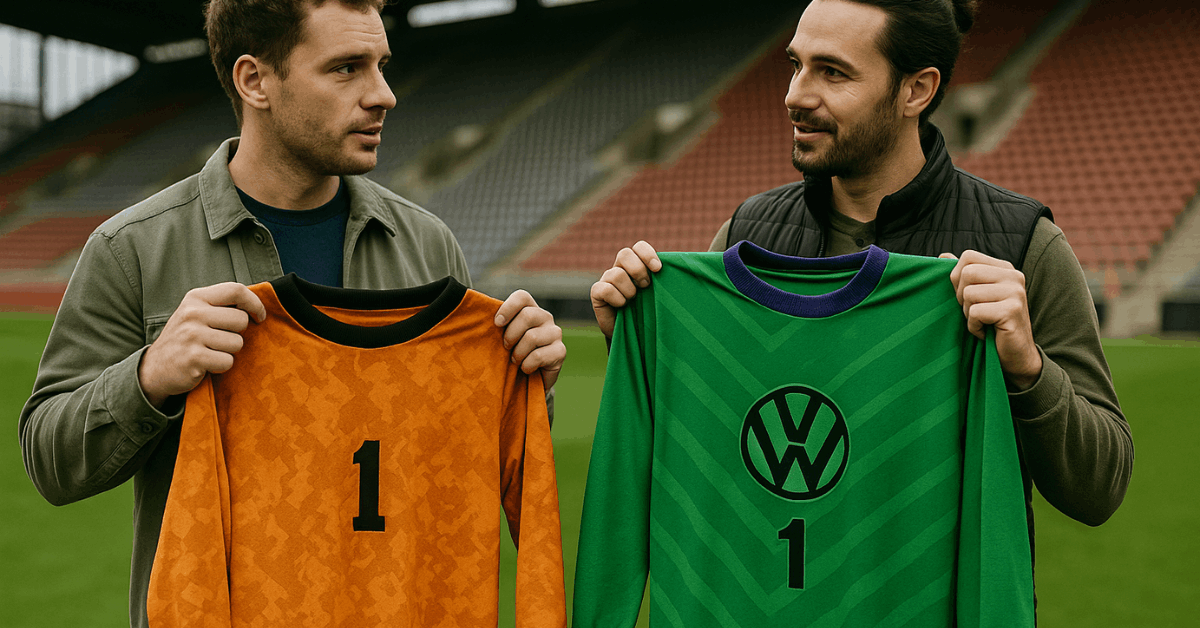
A clear comparison shows the rarity of goalkeeper kits. Outfield shirts are mass-produced and rotated regularly. They are easier to buy and collect due to constant availability. Goalkeeper kits remain far more limited.
Collectors notice the difference when building shirt collections. Outfield jerseys represent quantity, while goalkeeper kits represent exclusivity.
This comparison highlights the special status of goalkeeper shirts. It is the limited numbers that drive their rarity and high value.
Case Studies of Rare Goalkeeper Shirts
Certain shirts have gained legendary status. Their rarity and historical importance make them valuable examples.
These shirts demonstrate how one item can capture history. They remain symbols of football moments that shaped entire eras.
- Gordon Banks’ 1966 World Cup shirt – remembered for England’s success.
- Oliver Kahn’s 2002 World Cup shirt – linked to his leadership for Germany.
- Buffon’s Italy shirts – iconic from tournaments like the 2006 World Cup.
- Lev Yashin’s black kit – a timeless symbol of goalkeeping history.
Preservation Challenges
Preservation plays a role in rarity. Bright goalkeeper shirts fade faster over time. Without proper storage, many are lost or damaged. This makes surviving examples even rarer.
Museums and collectors use climate-controlled displays for protection. Shirts are shielded from dust, humidity, and direct light.
Such methods preserve both physical quality and long-term value. Lack of preservation increases the scarcity of vintage goalkeeper shirts.
Modern Collecting Trends
Modern collecting has shifted with digital tools and global access. This section shows how technology and culture shape demand for rare goalkeeper shirts.
Online Marketplaces
Online platforms expand access for collectors worldwide. They allow faster trades and create competition.
Buyers can compare items across regions. This openness helps rare shirts reach higher visibility.
Authentication Technology
Blockchain and digital certificates confirm shirt authenticity. These systems prevent fraud and protect buyers.
Collectors feel safer when purchasing online. Verification strengthens long-term market trust.
Social Media Influence
Social platforms showcase rare goalkeeper shirts to wide audiences. Collectors post images that attract attention.
Younger fans see these posts and join the market. This cycle boosts interest and keeps demand strong.
Generational Demand
A new wave of collectors values goalkeeper kits differently. They see them as cultural assets as well as sportswear.
Younger buyers invest both emotionally and financially. This trend ensures future growth in rarity and value.
Expert Opinions and Fan Perspectives
Expert analysis explains market growth. Collectors emphasize scarcity and historic moments. Former goalkeepers note the pride of wearing unique kits.
Fans describe deep emotional links to iconic saves. Industry experts predict sustained value growth. They see goalkeeper shirts as reliable collectibles with cultural depth.
This perspective adds authority to the discussion. It strengthens the case for their enduring rarity.
Summary and Conclusion – The Lasting Value of Goalkeeper Shirts
Goalkeeper shirts remain unique in football history. The focus on why goalkeeper shirts become so rare shows how production limits, emotional value, and historical importance create lasting scarcity.
Their position as both cultural artifacts and collectibles strengthens their value. These shirts will continue to be among the rarest and most desirable items in sports memorabilia.