Collectors are always drawn to items that carry exclusivity and status. The influence of limited edition shirts on the collectors’ market is one of the most notable examples of how scarcity builds value.
These shirts go beyond clothing; they represent history, loyalty, and financial opportunity. This article explains how they shape demand, pricing, and cultural significance.
The Concept of Limited Edition Shirts
Limited edition shirts are defined by their rarity. They attract attention because exclusivity builds both cultural and financial value. The idea can be better understood by dividing it into four key points.
Scarcity by Design
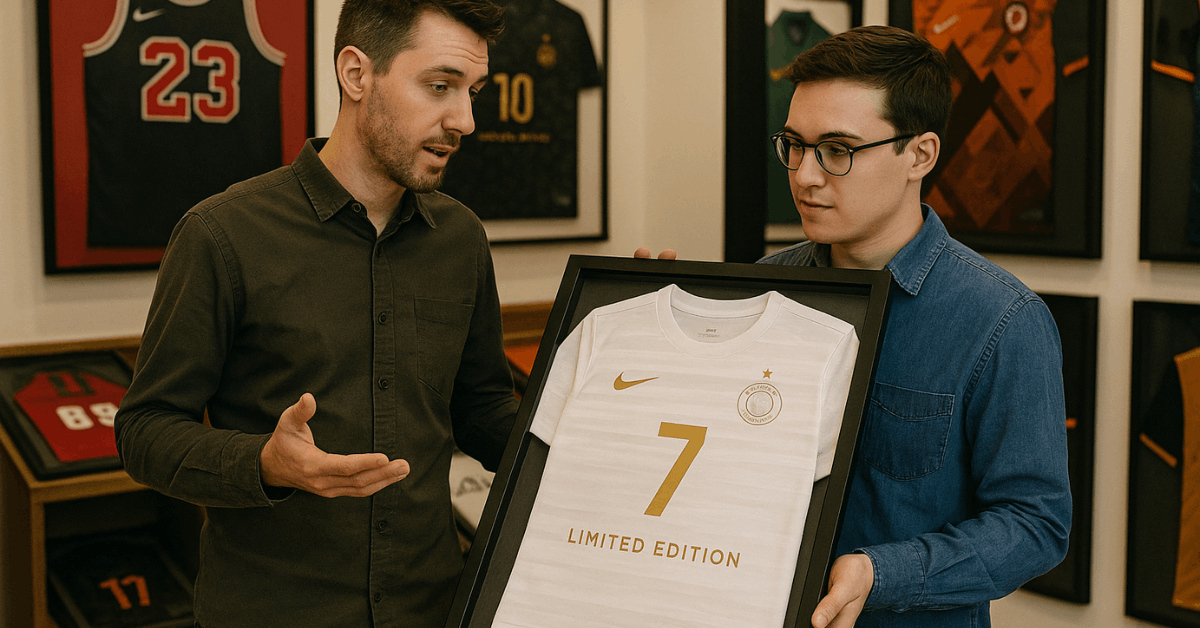
Shirts are often produced in small batches to limit supply. This scarcity makes them more desirable to buyers.
Collectors recognize that rare designs become valuable assets. Once unavailable, prices rise quickly in resale markets.
Brand Strategy
Brands create limited runs intentionally to drive demand. Marketing campaigns highlight exclusivity and urgency.
This approach ensures rapid sales on release days. The reputation of the brand reinforces long-term value.
Collector Appeal
Collectors see shirts as both emotional and financial items. They connect ownership with loyalty to teams or cultural events.
The pride of owning something unique motivates purchases. Many keep these items for display rather than use.
Resale Value
Secondary markets thrive on limited editions. Sellers can multiply their profit within weeks of release.
Record-breaking auctions prove demand is strong worldwide. Authentic items consistently outperform mass-produced alternatives.
Historical Background and Evolution
Understanding history helps explain today’s trends. Limited edition shirts have evolved from practical clothing into cultural and collectible assets.
The key phases in that transformation highlight how demand developed. Early sports shirts had little commercial value beyond their function.
As global tournaments like the World Cup grew, fans began associating shirts with national pride. Over time, specific designs gained symbolic importance. This shift turned shirts into items worth preserving and trading.
The Psychology of Collecting
Collectors are motivated by more than money. They seek identity, prestige, and belonging. The psychological drivers behind collecting explain why limited editions hold power.
Scarcity creates urgency and elevates perceived value. People feel a strong attachment to owning something rare.
For many, collecting shirts is about being part of a cultural or sporting story. Emotional satisfaction often matches or surpasses financial gain.
Market Demand and Value Creation
Market demand is driven by both perception and availability. Limited edition shirts clearly show how these factors influence pricing and shape buyer behavior. Their impact can be better explained through four focused points.
Retail Pricing
Retail prices are often set at moderate levels to attract initial buyers. Once products sell out, the limited supply begins to affect the market.
Collectors who missed the first release quickly turn to other sources. This creates a base for rising values.
Scarcity Effects
Scarcity is the main force behind demand spikes. Secondary markets record steep increases when supply is gone.
Buyers compete aggressively for access to rare pieces. This competition keeps interest high over time.
Resale Growth
Resale values often multiply in the weeks after a release. Record-breaking sales show just how high prices can reach.
Demand for specific designs pushes shirts into the thousands of dollars. These outcomes highlight the strength of the market.
Value Factors
Final market value depends on timing and authenticity. Cultural relevance also plays a major role in shaping price.
Collectors pay more for shirts tied to special events or figures. Reliable authentication ensures confidence in transactions.
The Role of Brands and Designers
Brands and designers shape how collectors view shirts. Their strategies control demand and influence cultural impact. Branding decisions play a central role in creating long-term value.
- Marketing strategies: Brands create hype with countdowns and teaser campaigns.
- Celebrity collaborations: Partnerships with athletes and artists boost exclusivity.
- Storytelling: Each release ties to a cultural event or personal story.
- Reputation: Strong brand names carry more weight in the resale market.
Resale and Secondary Markets
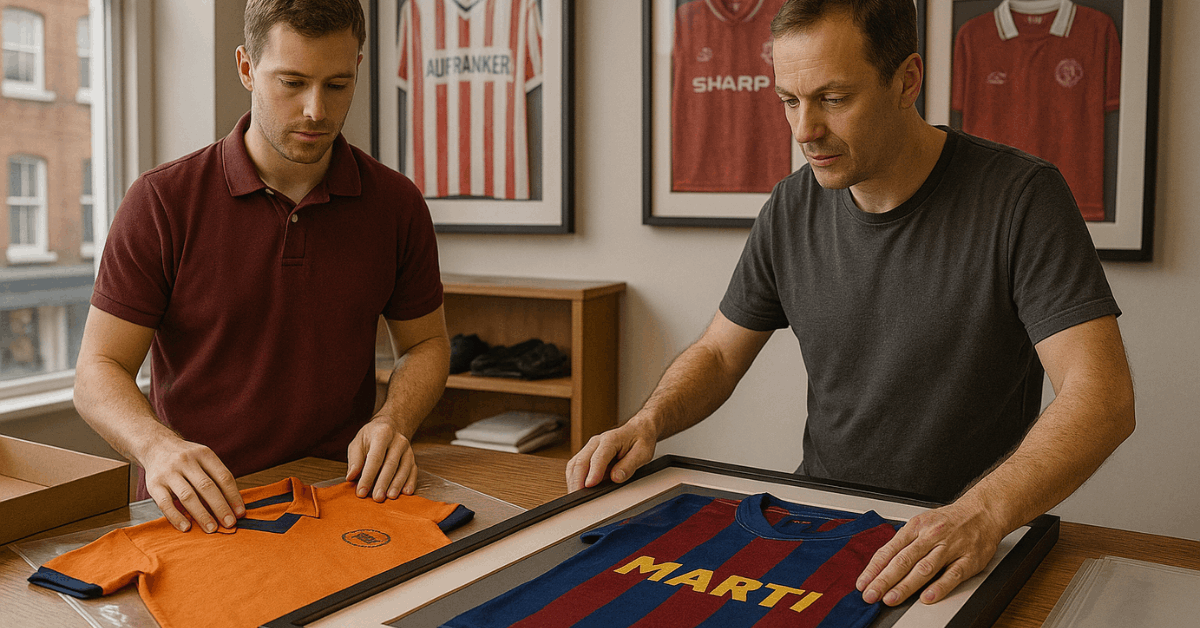
Resale platforms determine accessibility and value. Limited edition shirts thrive in these markets due to their scarcity. Secondary sales strongly influence how collectors approach purchases.
- Online platforms: Websites and apps provide easy access for global buyers.
- Counterfeits: Fake products pose serious risks to collectors.
- Auctions: Rare pieces achieve record-breaking prices at established houses.
- Authentication: Services verify products and protect buyer confidence.
Investment Potential
Collectors often treat shirts as assets. They compare them to other collectibles like sneakers or trading cards. Investment opportunities come with both benefits and risks.
- Short-term flipping: Some buyers resell quickly to maximize profit.
- Long-term holding: Others preserve shirts for decades to increase value.
- Market comparisons: Shirts mirror growth seen in other collectible industries.
- Risks and rewards: Fluctuations and counterfeit risks can limit returns.
Cultural and Social Significance
Limited edition shirts are more than investments. They reflect culture, nostalgia, and identity. Their impact on communities is seen worldwide.
- Cultural trends: Shirts represent global and local social movements.
- Fan loyalty: Wearing one connects people to teams and memories.
- Nostalgia: Classic designs create emotional connections across generations.
- Communities: Online groups unite collectors worldwide.
Challenges in the Collectors’ Market
No market is without risks. Limited edition shirts face issues that affect both buyers and sellers. The most significant challenges shape future growth.
- Counterfeiting: Fake products undermine trust and reduce values.
- Market saturation: Too many releases weaken exclusivity.
- Legal issues: Some resale practices raise legal questions.
- Ethical debates: Limited access can frustrate genuine fans.
The Future of Limited Edition Shirts
The market continues to evolve with technology and new consumer habits. Limited edition shirts are adapting to modern expectations. Future trends highlight where demand is heading.
- Digital verification: Blockchain provides stronger authentication.
- Cross-industry collaborations: Fashion, art, and music fuel future releases.
- Sustainability: Eco-friendly production may reshape exclusivity.
- Predictions: Demand will grow as global interest in collectibles expands.
Conclusion – Why This Market Matters?
The effect of limited edition shirts on the collectors’ market is undeniable. They combine cultural meaning, emotional connection, and financial potential in one product.
While risks like counterfeiting and market saturation exist, opportunities remain strong for serious collectors. Limited edition shirts will continue to hold a central place in both fashion and collecting economies.