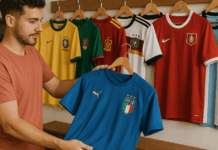
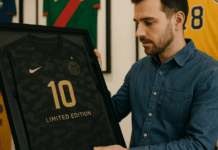
Counterfeit football merchandise is now a global problem for fans and collectors. If you want to identify an original football shirt, you need to know what details truly separate authentic pieces from fakes.
Genuine shirts hold value, quality, and a direct connection to the club or player you support. This guide gives you precise information to help you avoid counterfeits and buy safely.
The Importance of Buying Authentic Shirts
Owning an original shirt is more than just wearing team colors. It ensures you receive the durability and high-quality fabric used in official kits.
Authentic purchases also support clubs and players. Counterfeits, by contrast, harm the sport and leave you with poor value.
Key Features of an Original Football Shirt
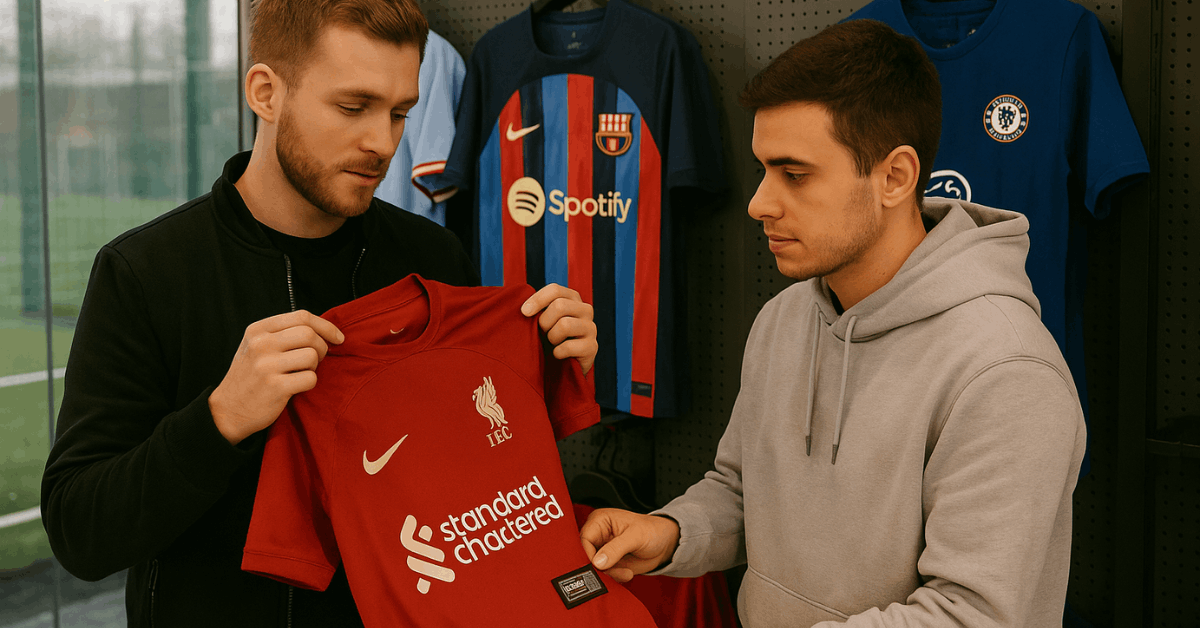
There are specific details every authentic shirt carries. You should always look for consistency in fabric, logos, and tags.
These features are hard for counterfeit manufacturers to copy accurately. Knowing them makes identification easier and more reliable.
Fabric and Stitching
The fabric of an authentic football shirt feels smooth and durable. Official manufacturers like Nike, Adidas, and Puma use lightweight materials with sweat-wicking technology.
Counterfeits often feel rough or heavy. Loose threads or uneven stitching are another red flag.
Logos and Crests
Authentic logos and crests are embroidered or heat-pressed with precision. They maintain vibrant colors and sharp outlines.
Counterfeit versions often appear faded or misaligned. Even minor spelling errors can reveal a fake instantly.
Authenticity Tags and Holograms
Genuine shirts come with sewn-in tags, serial codes, or holographic stickers. These are placed in consistent areas by the manufacturer.
Fakes often miss these features or use cheap imitations. Always verify holograms under light for clarity.
Red Flags of Counterfeit Shirts
Counterfeit shirts share common weaknesses that stand out upon closer inspection. Spotting these flaws helps you avoid wasting money. Pay attention to details that sellers often overlook.
Poor Stitching and Weak Fabric
Inferior stitching is a giveaway. Seams may feel rough or come apart quickly after wear.
The fabric might stretch excessively or feel low in quality. These defects are typical of counterfeit production.
Incorrect Colors
Counterfeit shirts often fail to match official team colors. A shade that looks too dark or too light compared to the club’s original kit is suspicious.
Clubs release official photos for each season’s shirt on their official websites. Comparing them helps you verify authenticity.
Misaligned or Misspelled Branding
Fake shirts sometimes carry spelling mistakes in club or sponsor names. Misplaced or oversized brand logos are also common signs.
Authentic designs undergo strict quality control. Any error is a strong indicator of counterfeit goods.
Checking Club and Brand Details
Always compare the shirt to official sources. Clubs and brands provide high-quality images for every release.
Small differences in design, fonts, or patterns often reveal a fake.
Season-Specific Features
Each football season brings unique details to shirts. These can include updated sponsor logos, collar shapes, or sleeve patches.
Counterfeits often reuse outdated designs. Cross-check with the official club store or the UEFA kit archive to confirm details.
Where to Buy Safely?
Buying from trusted sources reduces the risk of receiving counterfeits. Authentic platforms protect your purchase and guarantee genuine items.
- Official club stores – Both physical shops and official websites.
- Authorized sports retailers – Global chains such as JD Sports or Decathlon.
- Reputable online platforms – Websites with buyer protection policies like Fanatics or Kitbag.
- Avoid unauthorized sellers – Street vendors or unverified online listings are risky.
Price as an Indicator
Price is often the clearest warning sign. Authentic football shirts rarely sell far below retail unless during official sales.
Why Price Matters
If a shirt costs significantly less than the official price, it is likely fake. Always compare prices across multiple licensed stores such as Adidas official shop.
Watch for unrealistic discounts on new-season kits. When in doubt, prioritize credibility over cost.
Spotting Differences in Special Editions
Special edition shirts are often prime targets for counterfeiters. These include away kits, third kits, or commemorative editions.
Limited Edition and Retro Shirts
Official limited editions come with unique tags, serial numbers, or certificates. Counterfeits lack these specific details.
Retro reissues from official brands carry updated authenticity tags. Checking packaging and documentation is key.
Additional Identification Methods
Technology now assists fans in spotting fakes. Many brands integrate verification tools into their merchandise.
- QR codes on official labels that link to verification sites.
- Serial numbers cross-checked on Adidas product verification.
- Apps developed by manufacturers like Nike App to confirm authenticity.
- Comparing shirt release dates with official announcements from FIFA.
The Impact of Counterfeit Shirts
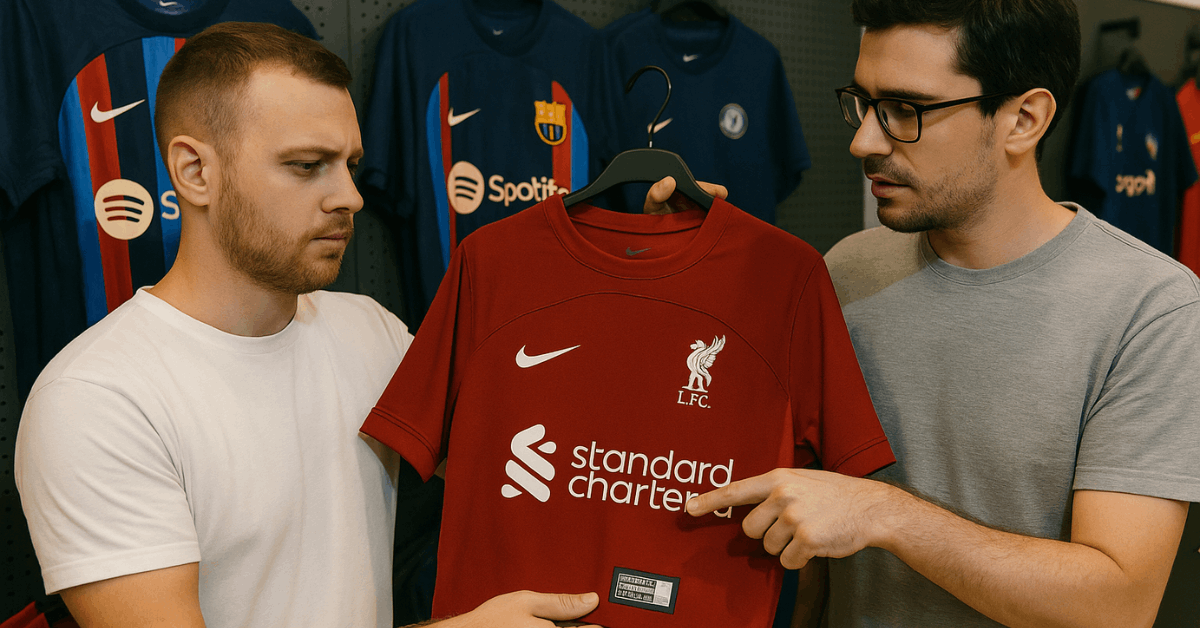
Counterfeiting affects more than just individual buyers. It creates problems for both fans and clubs.
Negative Outcomes
Counterfeit trade reduces club revenue and hurts legitimate retailers. Fans who buy fake shirts often face poor quality and wasted money.
Wearing a counterfeit also risks embarrassment when spotted. In some cases, counterfeit goods are tied to illegal trade.
Expert Tips for Buyers
Taking proactive steps ensures you avoid mistakes. Experienced fans and collectors follow proven practices.
- Research the shirt design before purchasing on trusted platforms such as Footy Headlines.
- Always ask sellers for proof of authenticity.
- Join fan forums such as RedCafe to check community insights.
- Keep receipts for potential verification or returns.
Case Studies
Real-life examples illustrate the importance of being cautious. These cases show how counterfeit shirts affect buyers.
A Scammed Fan
One fan bought a shirt at a suspiciously low price online. Within days, the colors faded, and the stitching came apart.
The lack of hologram tags confirmed it was fake. This highlights why checking details matters.
A Collector’s Verification
Another buyer purchased a limited-edition retro shirt. The seller provided proof of serial numbers and official packaging.
Cross-checking confirmed it was authentic. This buyer avoided being scammed by doing research first.
Conclusion: Protect Your Purchase with Knowledge
Fans deserve to enjoy authentic football shirts without the risk of counterfeits. To identify an original football shirt, you must carefully check fabric, stitching, logos, and authenticity tags.
Always buy from trusted sellers and verify details through official channels. With this knowledge, you can confidently avoid fakes and enjoy genuine value.