Football shirts are no longer just fan merchandise; they have become serious collectibles with financial potential.
Many collectors now treat rare kits as investment assets, driven by record auction prices and growing global demand.
The question is whether these shirts can truly deliver long-term value or if they remain a risky niche market.
The Market for Football Shirts
The market for football shirts has expanded rapidly, fueled by global fan culture and the rise of sports memorabilia.
Auction houses and online platforms regularly record six-figure sales for historic kits, proving strong investor demand.
Modern limited releases also attract hype, adding both speculation and volatility to the market.
Factors That Drive Value
The value of a football shirt depends on several clear factors. Each element adds weight to its rarity and desirability in the market.
Here are the main drivers collectors and investors look at:
- Historical significance – Shirts from iconic matches or tournaments
- Player association – Worn by or signed by legendary players
- Rarity – Limited editions, discontinued designs, or one-off kits
- Condition – Pristine quality and well-preserved fabric
- Authenticity – Verified with certificates or trusted provenance
- Cultural importance – Linked to national pride or memorable victories
Investment Potential
Football shirts can be considered an alternative asset, but their investment potential has both strengths and weaknesses.
You need to weigh appreciation trends against risks before committing money. Below are the main points that define their potential:
- Long-term appreciation – Rare shirts tied to historic players or matches often gain value steadily.
- Speculative hype – Modern limited releases can spike in price quickly but may not hold value.
- Volatility – Demand is unpredictable, influenced by player careers and market trends.
- Counterfeits – Fake items damage trust and make investing riskier.
- Comparison to other assets – Shirts can outperform some collectibles but are less stable than traditional investments.
How to Start Investing
Starting in football shirt investing requires preparation and careful choices.
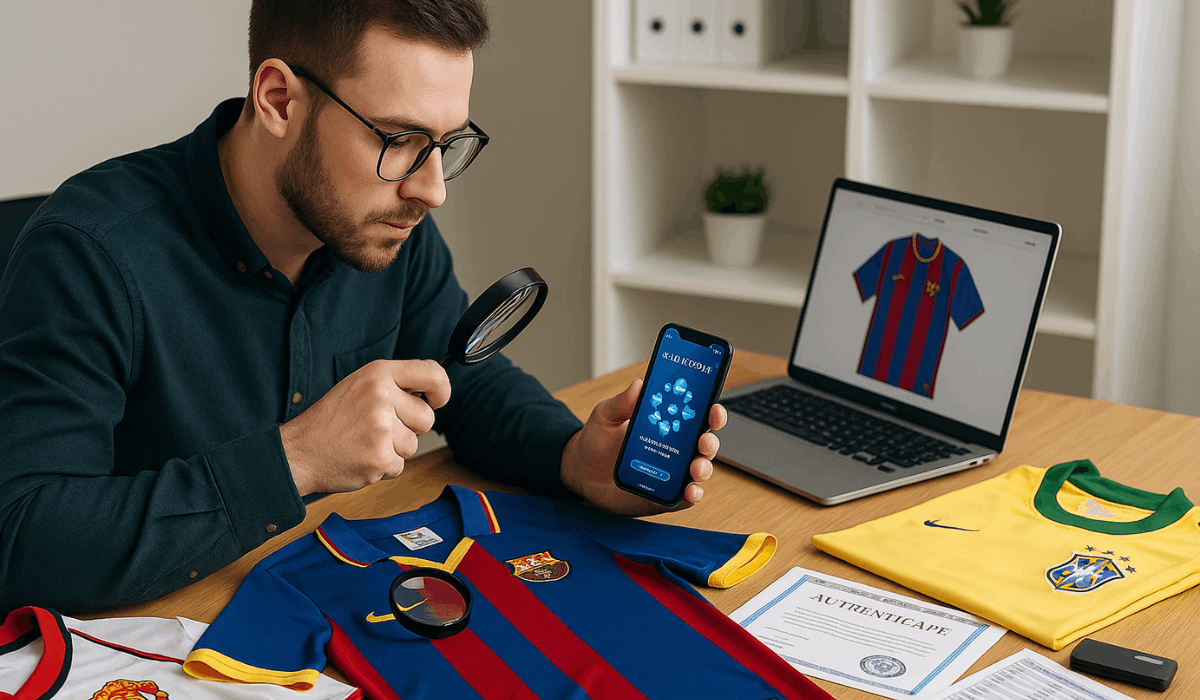
You need to know where to buy, how to check authenticity, and how to protect your collection. Here are the key steps to begin:
- Research the market – Study past sales, trends, and demand patterns.
- Verify authenticity – Only purchase with certificates or trusted provenance.
- Choose reliable sources – Use established auction houses, official stores, or respected marketplaces.
- Network with collectors – Join communities to learn and spot opportunities.
- Protect your collection – Store shirts properly to maintain condition and long-term value.
Risks and Challenges
Investing in football shirts is not without difficulties. The market is attractive but also has pitfalls that can reduce or erase potential profits.
Here are the main risks and challenges you should know:
- Counterfeits – Fake shirts flood the market and make verification essential.
- Preservation issues – Fabrics are fragile and require proper storage.
- Liquidity problems – Finding a buyer at the right price can take time.
- Market saturation – Too many releases may reduce long-term value.
- High entry costs – Rare shirts often demand significant upfront investment.
The Role of Nostalgia and Culture
Nostalgia and culture play a big role in why football shirts gain value. Fans see them as more than clothing; they are symbols of memories and identity.
Here are the cultural factors that drive demand:
- Emotional connection – Shirts remind fans of historic wins or personal memories.
- National pride – Jerseys from iconic tournaments reflect shared identity.
- Club loyalty – Limited or retro kits strengthen long-term fan attachment.
- Cultural influence – Shirts appear in fashion, music, and media, increasing their appeal.
- Generational value – Parents and grandparents pass shirts down, adding legacy.
Impact of Modern Releases
Modern shirt releases have changed the dynamics of the market. Limited editions, collaborations, and fashion-driven designs now create waves of demand.
Below are the main impacts these new releases bring:
- Limited edition hype – Short production runs make shirts sell out quickly and rise in value.
- Designer collaborations – Partnerships with fashion brands add exclusivity and attract non-football fans.
- Retro reissues – Modern reproductions of classic kits spark nostalgia and influence original shirt prices.
- Global marketing – Big launches and campaigns boost demand worldwide.
- Speculative buying – Many collectors purchase new releases only to resell, adding volatility.
The Role of Technology
Technology is reshaping how football shirts are bought, sold, and authenticated. Digital tools add security to the market while also opening new opportunities.
Here are the main roles technology plays:
- Blockchain authentication – Certificates stored on blockchain make shirts harder to counterfeit.
- NFT tie-ins – Digital collectibles paired with physical shirts increase perceived value.
- Online auctions – Global platforms expand buyer access and raise competition.
- Market data tools – Price tracking and analytics help investors make informed decisions.
- Virtual communities – Forums and social media connect collectors and drive trends.
Impact of Player Legacy
A player’s legacy has a direct effect on the value of their shirts. Career achievements, reputation, and cultural impact all influence demand.
Here are the main ways legacy shapes shirt investment:
- Historic achievements – Shirts worn during record-breaking moments gain long-term value.
- Career longevity – Players with long and successful careers create lasting demand for their memorabilia.
- Controversies and scandals – Negative events can reduce shirt value or make it unstable.
- Retirement and anniversaries – Key milestones often trigger spikes in demand.
- Posthumous influence – After a player’s passing, their shirts often become highly sought-after.
Shirt Preservation Techniques
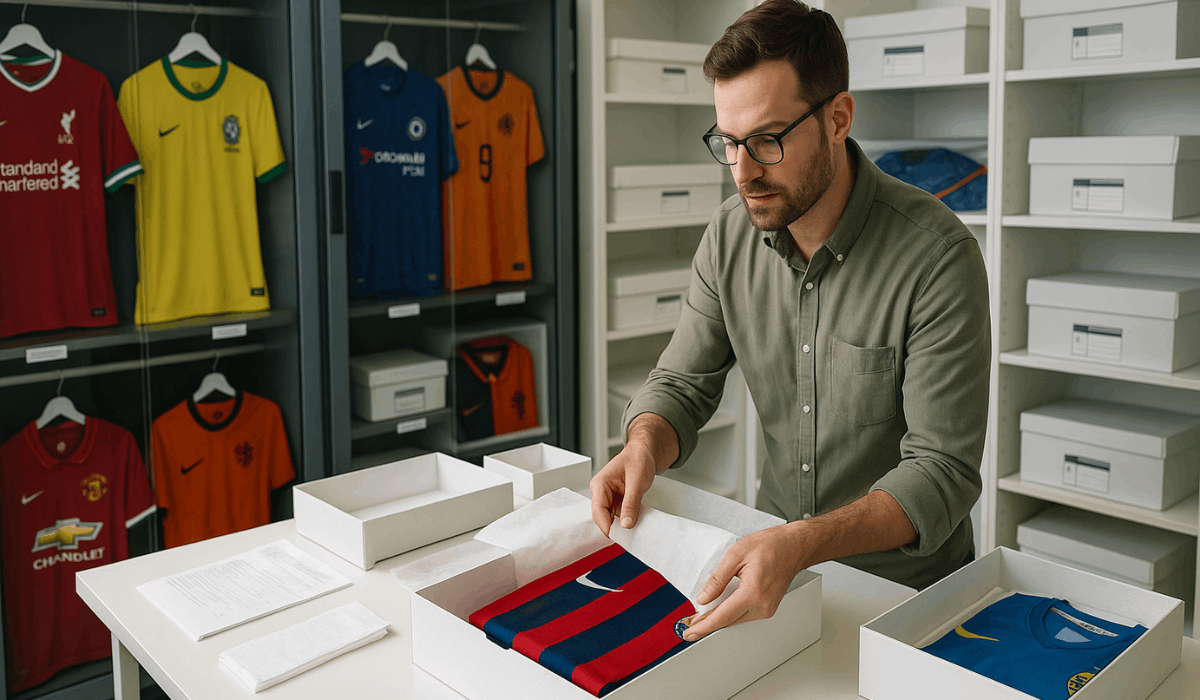
Preservation is critical if you want football shirts to keep or increase their value. Fabrics are sensitive to light, humidity, and handling, so proper care is essential.
Here are the main preservation techniques:
- UV-protected display cases – Prevent fading caused by sunlight exposure.
- Climate control – Stable temperature and humidity protect fabric integrity.
- Acid-free storage – Use archival boxes and tissue to avoid fabric damage.
- Limited handling – Reduce direct contact to prevent wear and stains.
- Professional cleaning – Only use safe methods suited for delicate sportswear.
Future Outlook of the Market
The future of the football shirt market shows promise but also uncertainty.
Trends point to more global interest, yet risks remain with oversupply and changing tastes. Here are the key points shaping the outlook:
- Continued global growth – Rising fan bases in Asia, Africa, and the Americas expand demand.
- Brand innovation – New designs, collaborations, and eco-friendly kits will influence value.
- Greater regulation – Stricter rules on authentication may protect investors.
- Shift in demand – Younger collectors may favor digital tie-ins and hybrid assets.
- Economic factors – Global recessions or booms will directly affect shirt prices.
To Wrap Up
Football shirts can be both emotional treasures and potential assets, but investing in them carries real risks alongside rewards.
Their value depends on history, authenticity, and market demand, making research and care essential.
If you decide to invest, approach it with caution, protect your collection, and take action by starting small and building knowledge step by step.