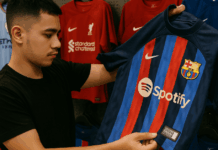
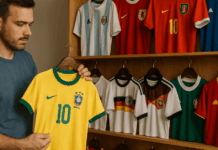
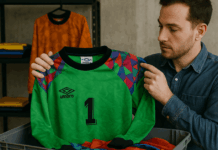
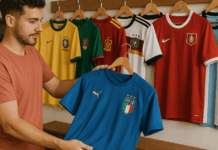
Brazilian club shirts are more than uniforms; they are cultural treasures. They represent victories, heartbreaks, and unique historical contexts.
Collectors worldwide chase these shirts because of their rarity and emotional value. This article explains which shirts are the rarest, why they matter, and how they are preserved.
Historical Background of Brazilian Club Shirts
Football shirts in Brazil have always carried a deep meaning. They reflect identity, style, and moments that shaped history.
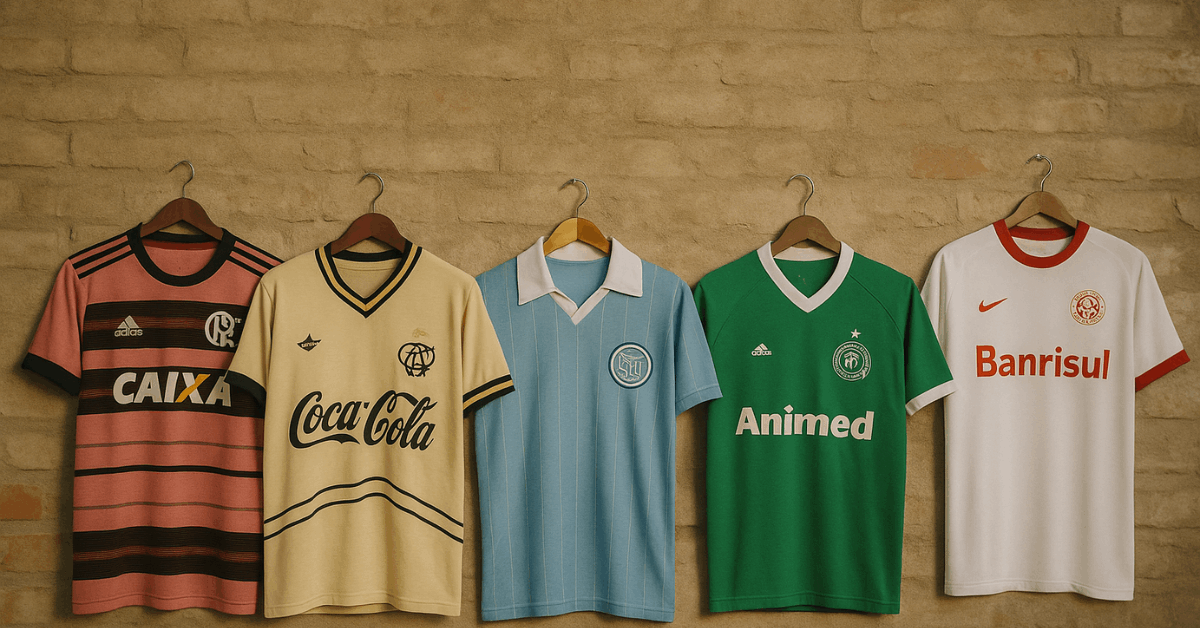
Understanding their evolution helps you see why certain shirts became rare. Their value goes far beyond fabric and design.
Early Adoption of Club Shirts
In the early 20th century, Brazilian clubs started standardizing team kits. These first shirts often copied European styles with simple stripes and collars.
Very few have survived, making them rare today. Collectors prize them because they represent the birth of club identity.
Transition to Mass Popularity
By the 1970s, club shirts became available for fans to purchase. Demand increased after international titles drew global attention to Brazilian football.
Original editions of these shirts are now almost impossible to find. Their connection to iconic matches makes them valuable to collectors.
Criteria That Define a Shirt as Rare
Not every shirt can be classified as rare. Some conditions and events determine whether they stand out.
Collectors use clear benchmarks to assess rarity. These benchmarks affect both value and prestige.
Limited Production Runs
Shirts printed in small batches are harder to find today. This includes shirts created for finals or special friendlies.
Misprinted sponsor logos also make shirts more unique. These limited runs are often auctioned at high prices.
Player-Issued or Match-Worn Shirts
Match-worn shirts carry evidence of history. They were used by players in defining matches and sometimes include signatures.
Collectors view them as irreplaceable because of their authenticity. Their provenance boosts both rarity and desirability.
Historical or Cultural Relevance
Some shirts reflect bigger events than football itself. Examples include Pelé’s Santos shirts or those worn during politically charged years.
Their importance comes from what they symbolize beyond the pitch. Cultural meaning always increases rarity.
The Rarest Shirts by Major Clubs
Brazil’s biggest clubs produced shirts tied to great triumphs. These items have grown into priceless memorabilia.
They connect fans directly to celebrated victories. Their stories keep demand strong among collectors.
Santos FC
Santos gained fame worldwide during Pelé’s golden era. Shirts from the 1960s Intercontinental Cup and Pelé’s last matches are extremely rare.
The 1970s editions worn during global tours also hold immense value. They represent the peak of Santos’ international dominance.
Flamengo
Flamengo’s 1981 Libertadores and Intercontinental Cup shirts are legendary. These items connect fans to Zico’s greatest triumphs.
Special limited sponsor editions in the 1990s are also hard to find. Each shirt represents Flamengo’s global impact.
Corinthians
Corinthians ended a 23-year title drought in 1977. Shirts from that victory became symbols of resilience.
Later commemorative editions from the Ronaldo era also became valuable. They carry the legacy of one of Brazil’s most supported clubs.
São Paulo FC
São Paulo’s 1992 and 1993 Club World Cup shirts are iconic. They remind fans of victories against Barcelona and Milan.
Centenary edition shirts released in 2005 are rare due to limited runs. They highlight São Paulo’s rich tradition.
Palmeiras
Palmeiras shirts from the Parmalat era in the 1990s are highly collectible. They represent dominance in Brazilian football during that decade.
The 1999 Libertadores winning shirt is another example. Each shirt symbolizes historical achievement and corporate influence.
Regional Clubs and Their Hidden Gems
Not only major clubs hold valuable shirts. Regional teams also have rare and meaningful kits.
These shirts are less known but hold historical weight. Collectors often search for them due to their scarcity.
Grêmio and Internacional (Rio Grande do Sul)
Grêmio’s 1983 Libertadores shirt is considered a gem. It connects fans to the club’s first continental triumph.
Internacional’s 1979 unbeaten Brasileirão shirt is another rare item. Both symbolize southern Brazil’s strong football legacy.
Bahia and Vitória (Northeast)
Bahia’s 1959 champion shirt is among the rarest in the Northeast. It reflects the start of Brazil’s national tournaments.
Vitória’s 1990s editions with rare sponsors also stand out. These shirts reflect the growing football culture in the region.
Atlético Mineiro and Cruzeiro (Minas Gerais)
Atlético’s 1971 Brasileirão shirt represents their first national title. Cruzeiro’s 1976 Libertadores shirt is equally treasured.
Both clubs maintain passionate fan bases that increase demand. These shirts embody Minas Gerais’ historic role in Brazilian football.
Collectors’ Market for Rare Brazilian Shirts
The market for rare Brazilian shirts is growing every year. Collectors see them as financial investments and emotional tokens.
Auctions and online marketplaces highlight their value. Authentication remains critical for serious collectors.
Prices and Auctions
Rare shirts often reach thousands of dollars in auctions. Historical items tied to great players fetch record-breaking sales.
The price depends on uniqueness and preservation quality. Auctions attract both local and international bidders.
Authentication and Provenance
Collectors must ensure shirts come with authenticity certificates. Provenance adds credibility and boosts value.
Counterfeits are common, making due diligence essential. Trusted dealers are the safest way to buy.
Why Collectors Seek Rare Brazilian Shirts?
Collectors have different motivations when chasing rare shirts. These motivations explain why demand remains strong.
- Emotional connection: Shirts tied to childhood or family memories hold unique meaning.
- Historical value: Match-worn shirts from legendary finals always attract attention.
- Investment: Rare shirts increase in value with time.
- Exclusivity: Collectors love owning something that few others have.
- Aesthetics: Vintage designs and old sponsor logos make shirts visually unique.
Preservation and Care of Rare Shirts
Caring for rare shirts ensures their long-term survival. Without proper handling, their value drops quickly.
Collectors must treat them as fragile items. Storage and cleaning methods make the difference.
Proper Storage
Shirts must be kept away from sunlight and humidity. Use protective covers or archival boxes.
Avoid folding to prevent permanent creases. These steps maintain fabric quality over decades.
Cleaning Practices
Shirts should only be cleaned when necessary. Harsh chemicals damage delicate fabrics.
Light hand washing is safest for preservation. Most collectors avoid frequent washing to protect authenticity.
Tips for Finding Rare Shirts
Finding rare shirts is part of the collector’s challenge. You need knowledge and persistence to succeed.
- Auctions: Sports memorabilia events often feature Brazilian shirts.
- Online platforms: eBay and Brazilian forums are common sources.
- Club shops: Some clubs re-release retro editions in limited runs.
- Networking: Connections with former players or staff open doors.
- Collector groups: Dedicated communities share opportunities for rare finds.
Modern Reissues and Retro Collections
Modern reissues keep historical designs alive. They are popular among younger fans.
Official retro lines give access to classic looks. Still, they differ from originals in both material and value.
Official Retro Lines
Sports brands like Adidas, Nike, and Umbro produce retro editions. They often celebrate anniversaries or legendary squads.
These shirts are easier to find but lack authenticity. Their popularity shows the lasting appeal of vintage designs.
Debate Among Collectors
Purist collectors see reissues as diluting authenticity. Others see them as a way for fans to enjoy history.
Retro lines increase interest in the originals by highlighting old designs. They keep classic shirts relevant in today’s football culture.
Global Recognition of Brazilian Club Shirts
Brazilian shirts are recognized worldwide as symbols of football excellence. They inspire admiration in international collectors.
Their influence goes far beyond South America. They are global fashion and cultural icons.
International Collectors
European and Asian collectors compete for rare shirts. Items from Pelé, Zico, and Romário eras often travel overseas.
International exhibitions showcase Brazil’s football heritage. The global market increases shirt values significantly.
Influence on Shirt Culture
Brazilian club shirts influenced patterns and fashion trends. Stripes, sashes, and bold sponsor logos became global references.
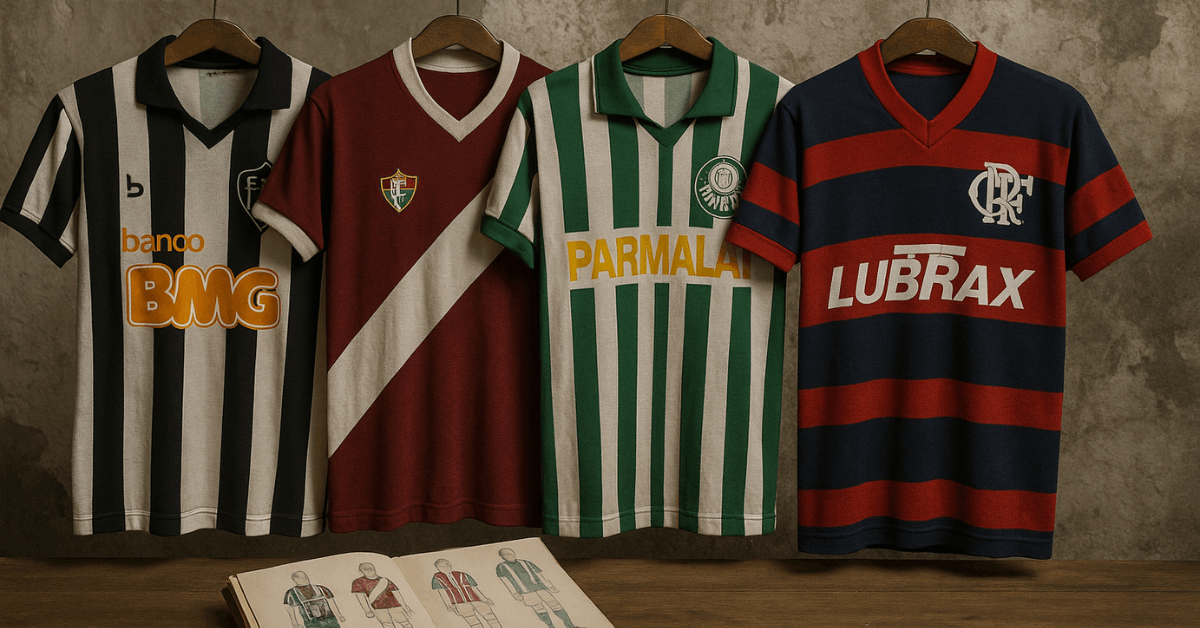
Designers study Brazilian kits for inspiration. Their legacy continues in modern football culture.
Conclusion – Preserving a Cultural Legacy
The rarest Brazilian club shirts are more than sportswear. They symbolize victories, legends, and cultural identity.
Collectors protect them because they represent priceless football history. If you want to honor this heritage, start researching, collecting, and preserving these unique pieces of the game.