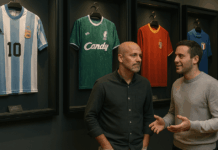
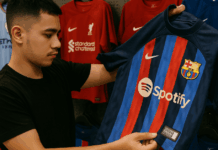
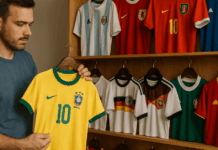
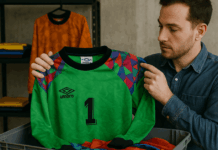
Rare European club shirts carry history, culture, and value.
Collectors chase them because of their limited availability and ties to legendary matches.
These shirts are more than clothing; they are football heritage preserved.
Historical Context of Rare Club Shirts
Rare shirts are linked to football’s early years and iconic moments. Their scarcity comes from how they were made, used, and preserved.
This context explains why older shirts are prized in today’s market.
- Limited Production – Early shirts were produced in very small numbers, often handmade or locally sourced.
- Match Significance – Shirts worn in historic finals or decisive matches became symbolic of the event.
- Material Fragility – Older fabrics like cotton and wool were less durable, making preserved shirts rare.
- Lack of Replicas – Until the 1980s, fans had little access to replicas, increasing the value of authentic match-worn pieces.
- Cultural Legacy – These shirts are tied to football’s growth in Europe, marking the evolution from local sport to global phenomenon.
Iconic Clubs and Their Rarest Shirts
Some European clubs have shirts that stand out for their history and scarcity.
These pieces are tied to legendary players and unforgettable matches, making them highly valuable.
- Real Madrid – 1950s European Cup shirts worn by Di Stéfano and Puskás.
- FC Barcelona – Johan Cruyff’s 1970s shirts and Lionel Messi’s Champions League final shirts.
- Manchester United – 1968 European Cup victory shirt and 1999 Treble-winning shirt.
- AC Milan – Shirts from Maldini and Baresi in the Sacchi and Ancelotti eras.
- Liverpool – 1984 Rome European Cup shirt and Steven Gerrard’s Istanbul 2005 shirt.
- Juventus – Michel Platini’s 1985 European Cup shirt and Alessandro Del Piero’s 1996 Champions League shirt.
- Bayern Munich – Franz Beckenbauer’s 1970s European Cup shirts and Oliver Kahn’s 2001 Champions League final shirt.
Factors Behind Shirt Rarity
Not all football shirts reach the same level of value. Several factors determine why some shirts are considered rare and highly collectible.
- Match-Worn Use – Shirts worn by players in official matches are unique and often linked to memorable events.
- Limited Editions – Short production runs, anniversary kits, or special releases increase scarcity.
- Player Legacy – Shirts tied to legendary players, especially during career milestones, hold greater demand.
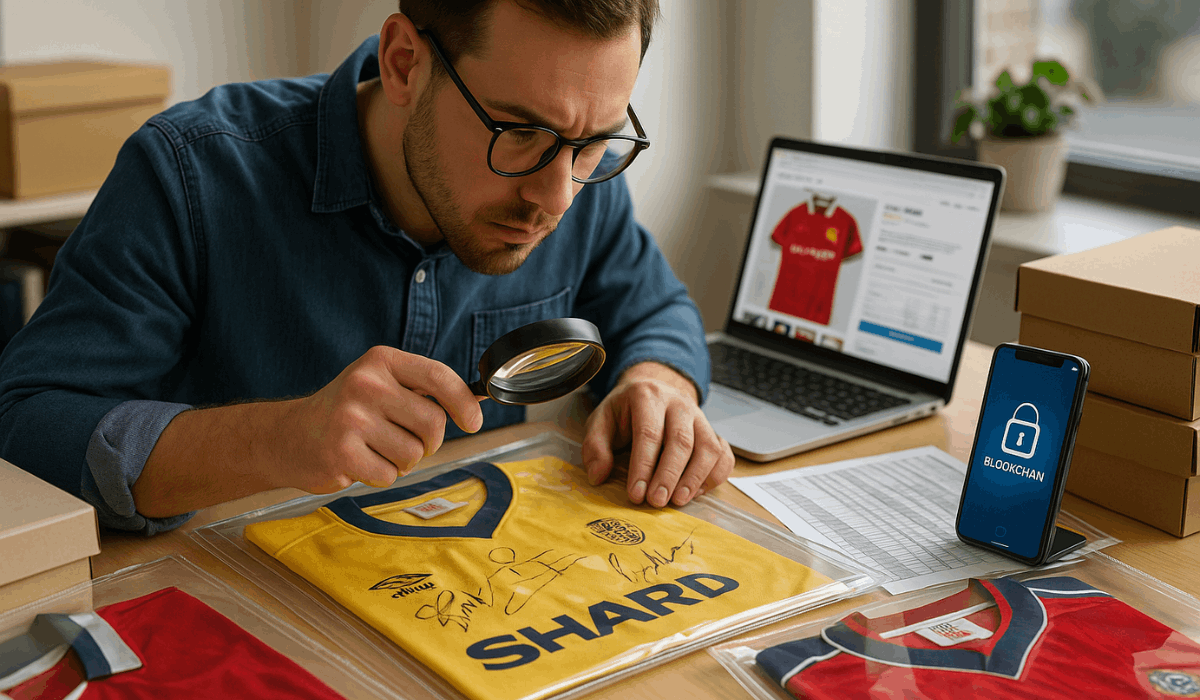
- Autographs – Signed shirts add authenticity and personal value, raising their rarity.
- Condition – Well-preserved shirts with minimal wear are harder to find and therefore more valuable.
- Historical Significance – Shirts connected to finals, record-breaking seasons, or political events become iconic.
Cultural Value of Rare Shirts
Rare shirts are more than collectibles; they carry deep meaning for fans and communities.
They symbolize pride, identity, and shared history across generations.
- Club Identity – Shirts represent the colors, symbols, and traditions of a football club.
- Emotional Connection – Fans tie memories of victories, defeats, and special matches to the shirts.
- Design Influence – Iconic kits inspire future designs in fashion and sportswear.
- National and Regional Pride – Certain shirts embody local culture and become symbols beyond the pitch.
- Fan Stories – Shirts passed down or preserved by supporters reflect loyalty and heritage.
- Global Recognition – Some rare shirts become global icons, instantly linked to historic football moments.
Market Value and Auctions
Rare football shirts often reach impressive prices at auctions. Their value depends on history, player association, and collector demand.
- Auction Records – Shirts worn by legends like Pelé, Maradona, and Messi have sold for millions.
- Club Impact – Shirts from iconic clubs such as Real Madrid, Barcelona, and Manchester United often dominate high-value sales.
- Player Milestones – Match-worn shirts from debuts, finals, or farewell games are priced higher.
- Growing Demand – Collectors worldwide compete, pushing values up year after year.
- Investment Potential – Rare shirts are now seen as long-term assets, similar to art or vintage cars.
- Market Platforms – Auction houses like Sotheby’s and Christie’s, plus online marketplaces, play key roles in sales.
Preservation and Authentication
For collectors, keeping shirts in good condition and proving their authenticity is essential. These steps protect both sentimental and financial value.
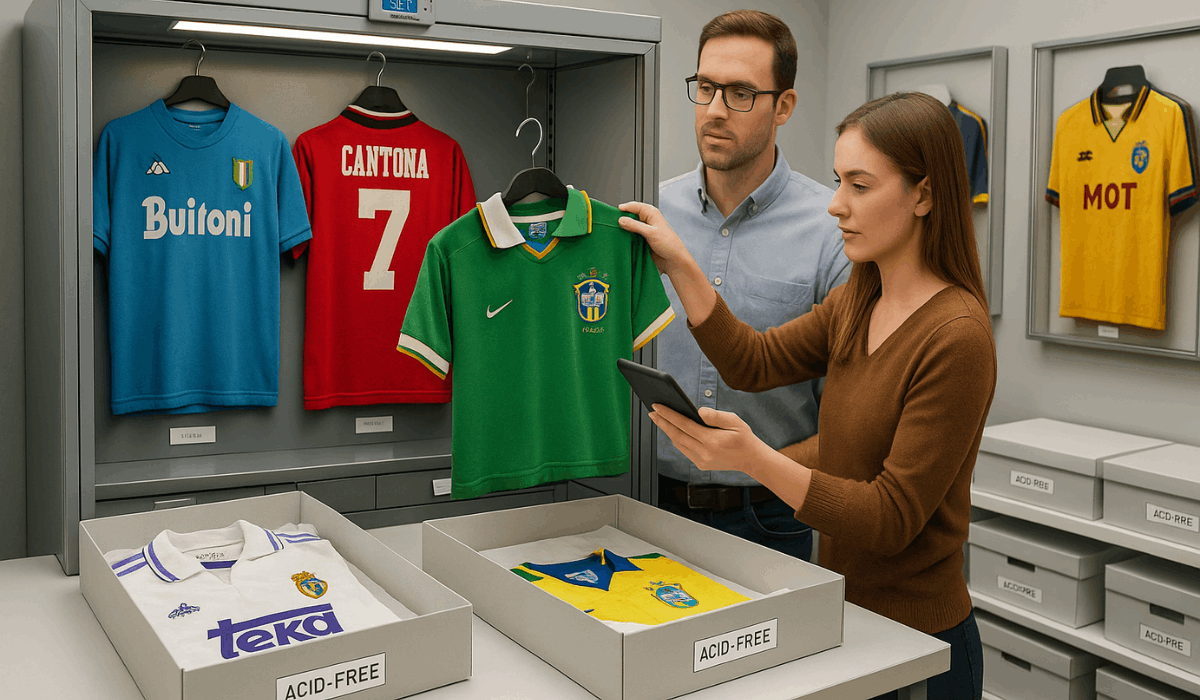
- Protective Storage – Use UV-protected frames, acid-free boxes, or breathable covers to prevent damage.
- Controlled Environment – Maintain stable temperature and humidity to preserve fabric and colors.
- Certificates of Authenticity – Trusted documentation from clubs, players, or auction houses verifies legitimacy.
- Expert Verification – Specialists can analyze stitching, tags, and fabric to confirm originality.
- Digital Tracking – New methods like blockchain or QR coding add modern security layers.
- Counterfeit Risks – The market faces fakes, so careful sourcing and verification are vital.
Role of Shirt Manufacturers
Shirt makers have shaped the identity and rarity of European club kits. Their designs, materials, and limited runs directly affect collector value.
- Historic Brands – Umbro, Admiral, and Kappa created iconic kits in the 1970s–90s that are now collector favorites.
- Global Giants – Adidas, Nike, and Puma produced high-profile shirts tied to Champions League and league titles.
- Short Partnerships – Limited-time deals with smaller manufacturers made certain shirts rare.
- Material Innovation – Shifts from cotton to polyester changed durability and long-term preservation.
- Design Legacy – Distinctive templates, such as Kappa’s tight-fit shirts or Nike’s bold 2000s styles, remain highly recognizable.
- Market Influence – Manufacturers’ global marketing expanded shirt collecting beyond local fan bases.
Impact of Sponsorship Logos
Sponsorship logos turned football shirts into cultural and commercial symbols. Some logos made shirts more iconic, while others became rare due to short use.
- First Sponsors – Early deals in the 1970s and 80s created historic shirts now valued by collectors.
- Short-Lived Deals – Sponsors that lasted one season or less made those shirts harder to find.
- Cultural Symbols – Brands like Sharp (Manchester United) or Opel (AC Milan) became part of club identity.
- Controversial Sponsors – Banned or politically sensitive logos added to rarity after removal.
- Design Influence – Some logos clashed or blended with shirt aesthetics, shaping how fans remember them.
- Collector Appeal – Fans associate certain eras with their sponsor, boosting demand for those shirts.
Player-Specific Collectibles
Shirts tied to individual players often carry exceptional value. Their importance grows when linked to milestones or legendary careers.
- Debut Matches – Shirts worn in first professional games are highly prized.
- Final Appearances – Farewell game shirts, like Maldini or Totti’s, attract strong collector interest.
- Record-Breaking Moments – Shirts from hat-tricks, goal records, or awards gain lasting demand.
- Signed Shirts – Autographs from players add uniqueness and raise value.
- Iconic Finals – Jerseys worn in Champions League or World Cup finals are especially rare.
- Personal Stories – Shirts swapped with rivals or gifted to fans carry extra sentimental worth.
Influence of Fan Culture
Fans play a big role in keeping rare shirts valuable. Their traditions and passion add layers of meaning to each piece.
- Shirt Swaps – Fans treasure shirts exchanged with players after matches, making them one-of-a-kind.
- Supporter Preservation – Many rare shirts are kept safe by lifelong fans who see them as family heirlooms.
- Fanzines and Forums – Collecting communities spread knowledge and create networks for trading.
- Matchday Traditions – Wearing or displaying classic shirts at games strengthens their cultural weight.
- Generational Value – Shirts passed down through families build emotional ties across decades.
- Global Communities – Online groups and social media have expanded shirt culture beyond local clubs.
To Conclude
Rare European club shirts combine history, culture, and value in one piece of fabric.
They connect fans to legendary players and unforgettable moments.
Start your own collection today and preserve a part of football heritage for the future.