Football shirts have changed greatly from their earliest designs to today’s high-tech models. Their materials reflect shifts in sports science, fashion, and sustainability.
Fans and players alike benefit from these innovations. Understanding their evolution highlights both history and future possibilities.
Early Days of Football Shirts
The first football shirts were heavy and basic. They focused on durability, not comfort or performance.
Wool and Cotton Origins
Early shirts were made from wool or thick cotton. These fabrics absorbed sweat and rain, making them heavy.
The lack of breathability made playing more exhausting. Durability was prioritized over speed and flexibility.
Challenges of Heavy Fabrics in Gameplay
Heavy fabrics slowed players down. Wet shirts weighed much more, restricting movement. P
layers often complained about discomfort during long matches. Performance was clearly affected by fabric choice.
Early Stitching and Design Methods
Stitching was simple and prone to tearing. Shirts featured plain designs without logos or sponsors.
Uniformity mattered more than visual appeal. These early methods show how basic the sport once was.
Mid-20th Century Shifts in Fabrics
By the 1950s, lighter options became available. The balance between comfort and durability began to improve.
Introduction of Synthetic Fibers
Synthetic fibers like nylon entered football kits. These fabrics were lighter and dried faster.
They improved comfort compared to wool. However, they still lacked full breathability.
Blended Cotton-Polyester Shirts
Mixing cotton with polyester created new fabric blends. These combined softness with added durability.
Players appreciated the lighter feel on the pitch. Blends were a step forward toward performance design.
First Steps Toward Moisture Control
Fabrics began to handle moisture better. Shirts no longer felt as heavy during rain.
Sweat absorption improved slightly compared to older shirts. This marked the start of functional sportswear.
The Polyester Revolution of the 1980s
The 1980s introduced polyester as the dominant material. Shirts became cheaper and easier to mass-produce.
Why Polyester Changed Football Shirts?
Polyester was lighter than traditional fabrics. It was durable and easy to wash. Teams benefited from consistent quality across mass production. Polyester became the industry standard.
Printing and Logo Innovations
Polyester allowed for printed logos and sponsors. Designs grew more colorful and complex.
Teams embraced unique patterns to stand out. Shirts became symbols of both identity and marketing.
Mass Production and Commercialization
Shirt sales became a major business. Fans bought replicas produced on a large scale.
This commercialization helped clubs grow financially. Polyester made global distribution possible.
1990s – Style Meets Function
The 1990s combined design and science. Shirts reflected both fashion and athletic innovation.
Sublimation Printing and Complex Patterns
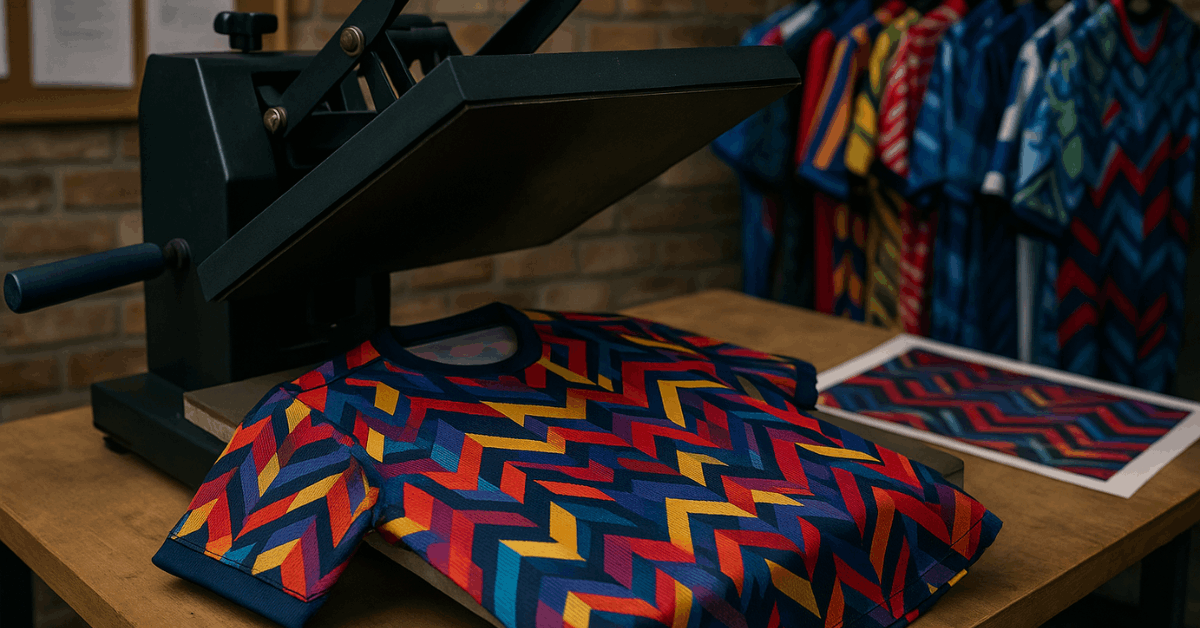
Sublimation printing introduced detailed designs. Complex patterns became common on football shirts. Fans embraced the bold new looks. This decade linked sport with fashion.
Rise of Breathable Mesh Fabrics
Mesh panels were added for ventilation. These improved airflow during games. Players experienced more comfort and less overheating. Breathable designs boosted overall performance.
Global Brands Pushing Innovation
Brands like Nike, Adidas, and Puma competed for dominance. Each invested in new fabrics and cuts.
Sponsorship deals spread worldwide. Innovation drove both competition and quality.
Modern High-Tech Fabrics (2000s–Present)
Today’s football shirts are engineered for peak performance. They are lighter, stronger, and more sustainable.
Moisture-Wicking Materials
Moisture-wicking fabrics like Dri-FIT keep players dry. They pull sweat away from the skin.
Quick drying prevents discomfort in long games. This is now a standard in professional kits.
Lightweight and Stretchable Fabrics
Modern shirts use fabrics that stretch naturally. This ensures free movement across the pitch.
Lightweight fibers reduce strain and boost speed. Comfort and performance align in today’s designs.
Eco-Friendly Recycled Polyester
Many brands use recycled polyester for sustainability. Shirts are made from plastic bottles and waste materials.
This reduces environmental impact while maintaining quality. Football has embraced eco-conscious production.
Heat Regulation and Ventilation Systems
Some shirts feature built-in ventilation technology. This regulates temperature during intense matches. Players stay cool in hot weather. Heat control is a vital modern advantage.
How Materials Influence Player Performance?
Shirt materials directly impact how athletes perform. Comfort leads to better results on the field.
Sweat Absorption and Quick Drying
Quick-dry fabrics keep sweat from weighing players down. This reduces fatigue during long matches. Better absorption supports stamina. Players feel fresher throughout games.
Weight Reduction and Speed
Lighter shirts mean faster movements. Heavy fabrics once restricted play. Modern shirts allow maximum agility. Every gram saved improves player efficiency.
Flexibility and Range of Movement
Stretchable fabrics enhance flexibility. Players benefit from a full range of motion.
Tackles, sprints, and shots feel unrestricted. This flexibility supports peak athletic performance.
Psychological Boost of Comfortable Gear
Comfortable gear improves confidence. Players focus less on distractions like sweat. Feeling light and free boosts morale. Mental benefits enhance physical performance.
Fan Versions vs. Player Versions
Fans and players wear different versions of the same shirt. This distinction shapes the market.
Replica vs. Authentic Shirts
Replica shirts are made for fans. They look similar but use cheaper fabrics. Authentic shirts match what professionals wear. Collectors often prefer authentic editions.
Differences in Weight and Breathability
Fan shirts are heavier and less breathable. Player versions use lighter, moisture-wicking fabrics.
These differences affect both comfort and price. Casual buyers rarely notice until compared.
Why Fans Prefer Comfort Over Performance
Fans focus on daily comfort. They prefer durable shirts that last longer. Performance is less important for casual use. Price also drives fan demand.
Innovations from Leading Brands
Sportswear giants lead the charge in fabric design. Each brand offers signature technology.
Nike Dri-FIT Technology
Nike developed Dri-FIT to wick away sweat. It emphasizes comfort and dryness. The fabric is lightweight and elastic. Many top clubs use it today.
Adidas ClimaCool and Heat.RDY
Adidas launched ClimaCool for temperature regulation. It later evolved into Heat.RDY technology. These fabrics manage airflow and body heat. Performance is central to their innovation.
Puma DryCell System
Puma uses DryCell fabrics for moisture control. They keep players dry even in hot climates.
The technology is widely used across their sponsored teams. It balances comfort with affordability.
Umbro and Classic Influence
Umbro maintains a mix of tradition and innovation. Their fabrics combine retro appeal with modern tweaks.
They appeal to fans who value heritage. Umbro balances nostalgia with performance.
Collecting Football Shirts by Material Eras
Collectors often group shirts by material type. This gives collections historical depth.
Wool and Cotton Classics
Shirts from the wool and cotton era are rare. They appeal to collectors of early football history.
Their weight and durability tell stories of the past. These pieces are valuable cultural items.
1980s Polyester Jerseys
Polyester shirts from the 1980s are iconic. Bold designs and sponsor logos define them.
Collectors value them for nostalgia and innovation. They mark football’s commercial boom.
Limited Edition Technological Releases
Some shirts are released as limited editions. They highlight new fabric technology. These often appreciate in value quickly. Collectors watch for these special releases.
Match-Worn Shirts from Key Eras
Match-worn shirts are the most valuable. Their fabrics show signs of real play. Collectors prize them as historic artifacts. They connect directly to football legends.
Future of Football Shirt Materials
The future blends technology with sustainability. Research is shaping new frontiers in sportswear.
Smart Fabrics with Built-In Sensors
Smart fabrics may monitor player health. They can track heart rate, sweat levels, and speed. Data supports both coaches and athletes. Technology will integrate with clothing.
Fully Biodegradable Shirts
Biodegradable fabrics aim to reduce waste. These shirts decompose naturally after use. This innovation aligns with eco-goals. Sustainability will guide future design.
Advanced Sweat and Temperature Control
Future fabrics will regulate sweat more effectively. Built-in cooling may keep players comfortable.
Heat sensors could adjust ventilation dynamically. This improves player endurance.
Balance of Fashion and Sustainability
Fashion remains important in football shirts. Future designs will combine eco-materials with bold style.
Brands must balance performance and appearance. Sustainability is now a core priority.
Quick Summary of Key Developments
The journey of football shirt materials can be divided into stages. Each shows how sportswear evolved with science and culture.
- Wool and cotton dominated early designs.
- Polyester revolutionized the 1980s.
- Moisture-wicking fabrics shaped the 2000s.
- Eco-friendly and smart fabrics represent the future.
Conclusion – From Wool to Smart Fabrics: The Journey Continues
Football shirts evolved from heavy wool to advanced, eco-friendly fabrics. Each stage reflects the growth of sports science and culture.
Modern kits balance performance, style, and sustainability. The journey continues as technology shapes the future of the game.