Shirts have often been more than just fabric. They became statements of identity and culture.
Across history, designs on shirts marked revolutions and global shifts. Understanding these moments helps you see how a simple garment influenced society.
Early Political and Social Statements
Shirts have long reflected political struggles. They carried messages of resistance and equality.
The French Revolution and Plain Linen Shirts
During the French Revolution, clothing turned into a battlefield of ideas. Plain linen shirts symbolized equality against the luxury of aristocrats.
The choice of simple fabric represented unity with the working class. Wearing such shirts showed loyalty to the revolution rather than privilege.
The Abolition Movement Shirts
In the 19th century, abolitionists used shirts to spread anti-slavery messages. Designs carried slogans demanding freedom and justice.
These garments helped ideas travel quickly among supporters. The shirts transformed clothing into a tool of activism.
Military and Uniform-Inspired Shirts
Military uniforms strongly influenced shirt designs that later entered everyday culture. These shirts carried authority and revolutionary meaning.
Mao Suits in China
The Mao suit, with its simple tunic shirt, became a national symbol in China. It promoted equality by rejecting extravagant styles.
Worn by leaders and citizens alike, it reinforced collective identity. Over time, it became tied to political transformation.
Cuban Revolution and the Guayabera
The guayabera, a lightweight shirt from Latin America, gained symbolic value during the Cuban Revolution.
Leaders wore it to connect with workers and peasants. It represented simplicity and solidarity. Its design became linked to political struggle and pride.
Shirts as Symbols of Protest Movements
In many decades, shirts acted as banners of protest. They voiced resistance through designs and words.
Civil Rights Era in the U.S.
During the Civil Rights Movement, protestors often wore shirts with the phrase “I Am a Man.” This simple design reflected dignity and demand for recognition.
Marchers turned the shirts into tools of solidarity. They remain remembered as symbols of human rights struggles.
Anti-Vietnam War T-Shirts
The Vietnam War era saw a surge of protest shirts. Peace symbols and anti-war graphics appeared on cotton tees.
Young people used them to express opposition. These designs marked shirts as central tools of political dissent.
Music and Cultural Revolutions
Shirts became vital to music movements, reflecting rebellion and freedom. They captured the spirit of cultural shifts.
The Punk Rock T-Shirt
Punk culture thrived on bold shirts with ripped fabrics and graphics. These designs rejected mainstream norms and embraced raw energy.
DIY shirts displayed creativity in clubs and concerts. Punk shirts defined an entire generation’s identity.
The Tie-Dye Shirt of the Hippie Era
Tie-dye shirts captured the energy of the counterculture. Their handmade colors reflected peace and individuality.
Linked to Woodstock and anti-war culture, they symbolized optimism. These shirts remain associated with freedom and community.
Sports and Global Impact
Sports jerseys became more than uniforms. They turned into global cultural symbols.
Pelé’s 1970 Brazil Jersey
Pelé’s yellow jersey in the 1970 World Cup became iconic. It represented joy, style, and national unity.
The shirt highlighted Brazil’s creative football identity. It remains one of the most recognized jerseys in history.
Diego Maradona’s 1986 Argentina Shirt
Maradona’s striped jersey defined Argentina’s victory in 1986. Associated with his famous “Hand of God” goal, it entered global memory.
The shirt became a collector’s item worth millions. Its design symbolizes triumph and controversy.
Branding and Commercial Revolutions
Shirts also marked revolutions in branding. Companies transformed them into lifestyle icons.
Branding Icons in Shirts
Brands realized shirts could connect fashion and identity. Some designs changed markets permanently. Important examples include:
- Lacoste Polo Shirt – Combined elegance and sport, creating a timeless staple.
- Levi’s Western Shirt – Brought rugged workwear into mainstream fashion.
- Nike and Adidas Jerseys – Linked athletic performance with global marketing.
- Ralph Lauren Polo Shirt – Elevated casual wear into a symbol of luxury lifestyle.
- Supreme Graphic Tees – Turned limited streetwear releases into cultural and collectible icons.
Graphic Tees and Modern Pop Culture
Graphic T-shirts became global canvases. They captured rebellion and celebrity culture.
Che Guevara Print Shirt
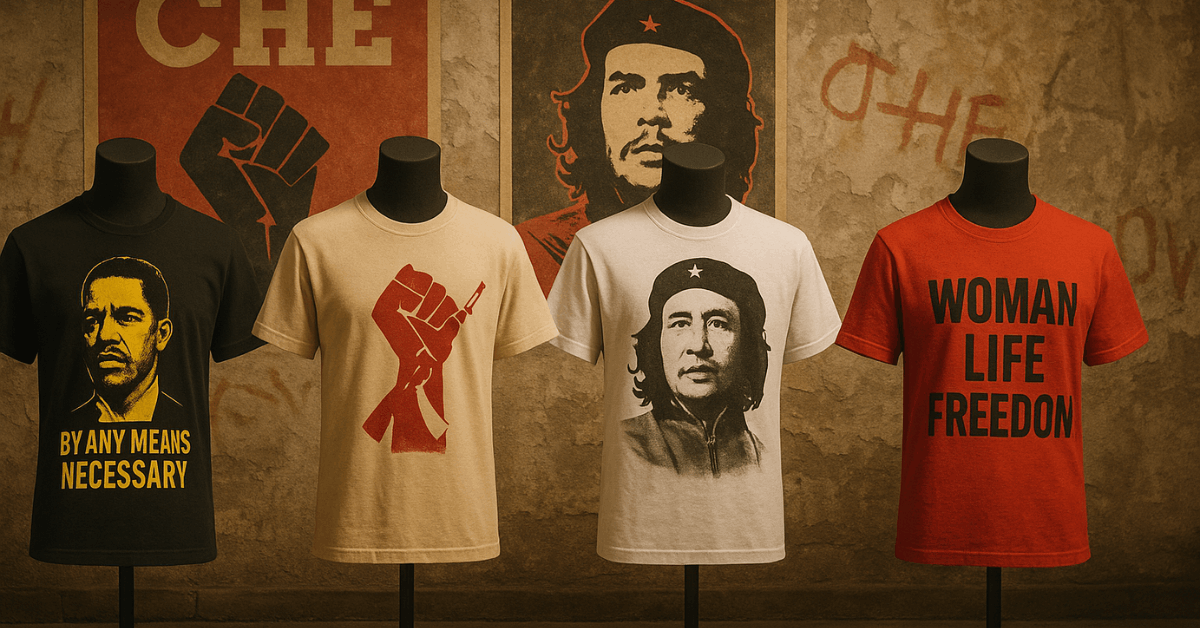
The Che Guevara portrait shirt became one of the world’s most recognized designs. It spread revolutionary imagery worldwide.
Youth adopted it as a sign of rebellion. The shirt remains both admired and debated.
Band T-Shirts of the 70s and 80s
Bands like the Rolling Stones and Metallica turned shirts into promotional tools. Fans wore logos and album art across concerts.
These designs built subcultures around music. Band shirts remain strong collectibles today.
Technology and Innovation in Shirt Design
Shirt design evolved with technology. Each step expanded creativity and accessibility.
Printing and Digital Advances
The rise of screen printing changed everything. It enabled mass production of bold designs.
Heat transfer and digital methods allowed personalization. Technology made shirts faster and more widely available.
Smart Shirts and Functionality
Recent years brought innovations beyond design. Smart shirts can track heart rate and performance.
They merge clothing with digital technology. This shows how shirts adapt with modern needs.
Contemporary Revolutionary Shirts
Modern shirts continue to fuel social change. They spread messages instantly through media.
Black Lives Matter Shirts
Protesters wore shirts with slogans such as “I Can’t Breathe.” These garments represented unity and justice.
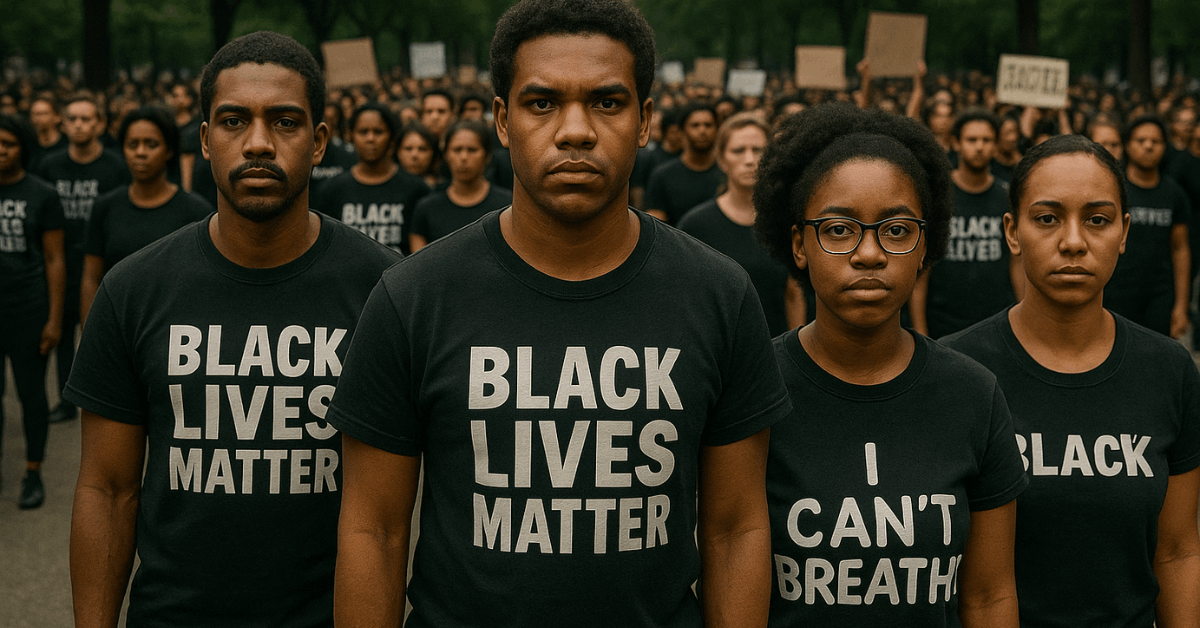
Their visibility made them powerful awareness tools. They remain associated with civil rights activism.
Climate Change Activism Shirts
Environmental groups turned shirts into awareness platforms. Messages called for urgent climate action.
Young activists widely wore these designs. They highlighted the link between clothing and responsibility.
Collectibility and Value of Revolutionary Shirts
Many historic shirts gained extraordinary value over time. They became prized artifacts for collectors.
Value in Cultural Preservation
Some designs are now worth thousands at auctions. Original concert shirts from the 70s fetch high prices.
Historic jerseys, like Pelé’s or Maradona’s, became museum pieces. Limited activist shirts are preserved as cultural documents.
Conclusion – The Lasting Voice of Shirts
Shirts have been more than fashion throughout history. They became voices of change in politics, music, sports, and culture.
Designs that carried revolutionary ideas still influence new generations. Every shirt with a bold design is part of humanity’s ongoing story.