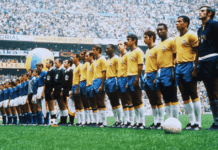
Football has long shaped creative culture, and its images, rituals, and heroes continue to inspire artists and filmmakers worldwide.
This article explains the influence of football on art and cinema, grounding every claim in official institutions and trusted cultural bodies. You will see how early newsreels and museum displays evolved into major exhibitions and award-winning films.
The goal is to show where this influence began, how it expanded, and why the next decade will push the dialogue even further.
How the Dialogue Began between the Pitch and the Arts
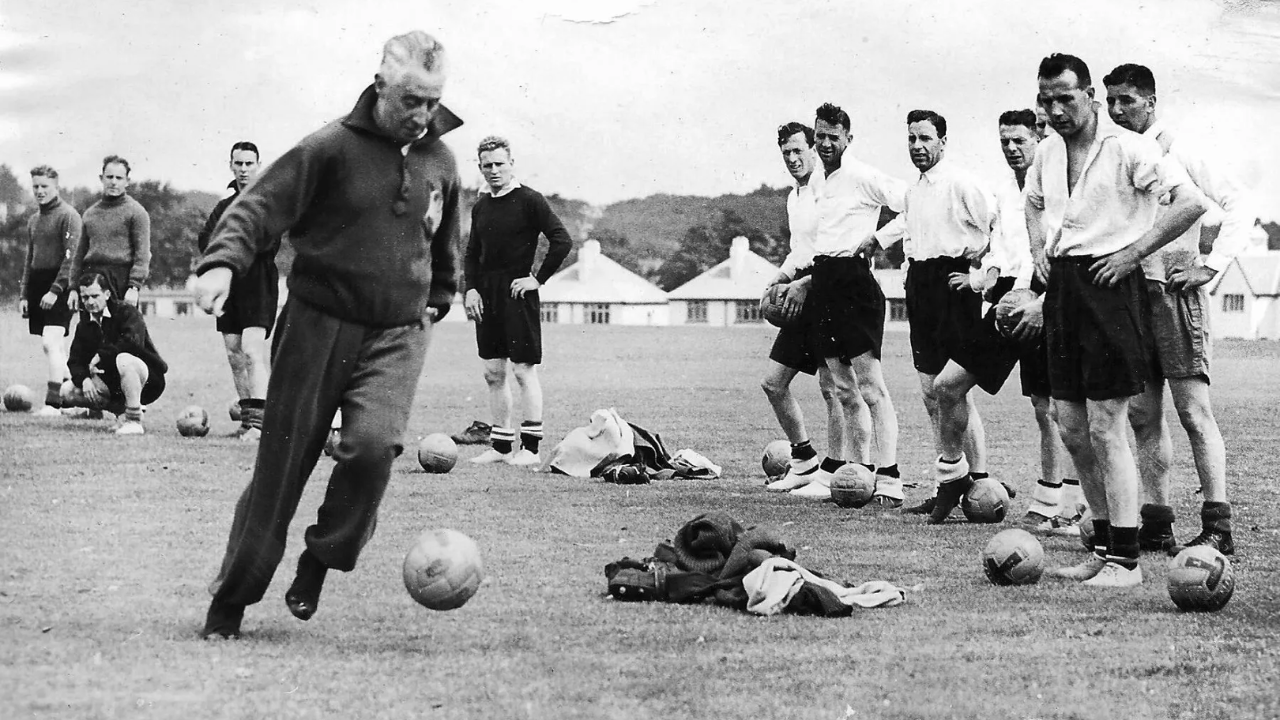
The relationship between football and moving images dates to the birth of cinema, when short actuality films captured crowds and matches.

Curated collections from national film bodies document that football and film “grew up together,” reflecting the spectacle and community of the early professional game.
These archives reveal that football was not only sport but entertainment and social life, making it an obvious subject for cameras from the start.
That foundational link still underpins how filmmakers approach the game’s drama and atmosphere today.
Early Newsreels and the First Football Images on Screen
National film archives preserve silent-era shorts that frame stadiums, players, and supporters as cultural events in their own right.
Examples range from early cup finals to portraits of emerging stars, establishing tropes that narrative films would later adapt and refine.
These films show the crowd as a protagonist and the match day as a civic ritual that commands the lens. The result was a visual vocabulary that made football instantly legible to audiences across regions and classes.
Institutions that Anchored Football’s Cultural Memory
As football matured, museums dedicated to the game formalized its social story and preserved authentic objects for interpretation.
National collections explicitly state their mission to harness football’s power, invite creative engagement, and showcase culture rather than statistics alone.
Global governing-body museums also curate technology, history, and culture in changing exhibitions that connect artifacts to broader creative narratives. These institutions provide the authoritative context filmmakers and artists draw on when representing the sport.
Organized Football and World Tournaments as Creative Catalysts
The standardization of rules in England in 1863 and the rise of international tournaments accelerated football’s visibility in media and art.
Official histories mark the codification moment that helped turn loosely organized games into a recognizable cultural product fit for print and screen.
The first FIFA World Cup in 1930 then offered a global stage, with architecture, spectacle, and national storylines that artists and filmmakers could translate. Once football became a world tournament, the imagery multiplied and the cultural influence widened year by year.
How Football Reframed the Visual Arts
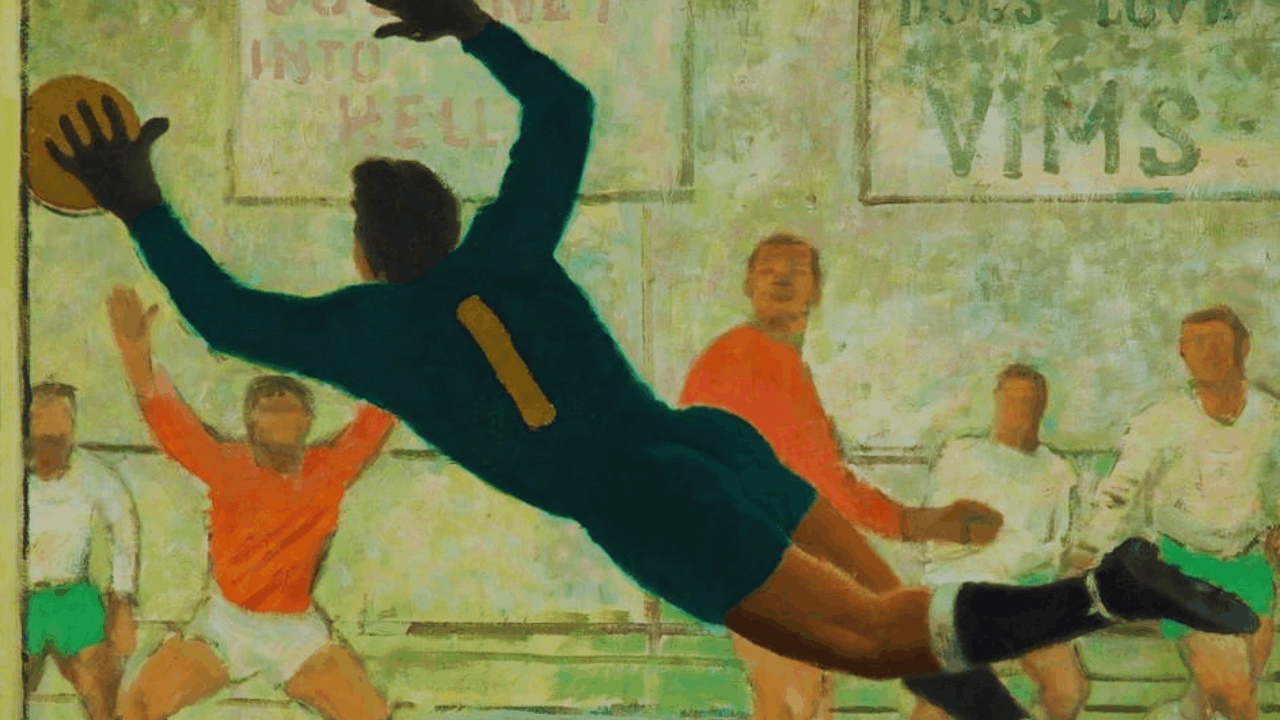
Contemporary exhibitions show that football inspires painting, photography, installation, and design at the highest institutional levels.
Museums now treat the game as a source of visual language, social commentary, and urban identity rather than a niche subject.
Displays range from architectural studies of stadium space to fine-art responses that recast icons and moments as modern myths.
This curatorial embrace positions football as both subject and lens for exploring community, power, and belonging.
Fine Art, Icons, and the Museum Floor
Recent exhibitions have assembled major works to probe football’s symbolic power, bridging classical motifs and contemporary street art.
A high-profile show in Germany during a major tournament featured nearly two hundred works and rare memorabilia, underscoring football’s capacity to summon a cross-century conversation.
Such programming places players and matches alongside canonical artworks, asking audiences to consider form, heroism, and fandom together. The museum setting validates football as a serious, recurring theme within the broader art historical record.
Architecture, Space, and the Poetics of the Crowd
Art institutions have also explored stadium architecture as a cultural object that shapes how we see and remember the game.
Displays curated with professional bodies examine how stands, roofs, and circulation frame images, chants, and color in ways artists later rework on canvas and screen.
By treating the ground itself as a creative subject, museums reveal why match day aesthetics feel cinematic even before a camera arrives. This structural reading helps explain football’s enduring appeal to photographers and installation artists.
Museums Dedicated to the Game as Creative Engines
Dedicated football museums present artifacts, multimedia, and learning programs that encourage visitors to create and interpret as much as to observe.
Their public mission statements emphasize culture, storytelling, and participation, inviting artists and filmmakers to engage with collections and audiences.
Rotating special exhibitions at global museums add technology, design, and social themes that widen the curatorial lens. Together these venues operate as living studios where the next documentary or gallery project often begins.
Football on Film: Narratives, Documentaries, and Cultural Memory
Cinema translates football’s tension, color, and character arcs into stories that resonate beyond a single season.

National institutes chronicle both fiction and non-fiction approaches, from early shorts to contemporary features and series. The best films balance on-pitch action with identity, migration, politics, and celebrity, making the sport a vehicle rather than a limit.
Over time, certain titles have become reference points for how football can carry history and emotion on screen.
Classic Narratives that Made Football Cinematic
A widely cited wartime drama about a prisoner-of-war match fused Hollywood storytelling with the charisma of real footballers, proving the game could carry high-stakes plot.
National catalogues detail its production, cast, and premise, showing how football became a credible engine for suspense and camaraderie.
Later, a British hit about a young woman balancing cultural tradition and football ambition reframed the game through gender and diaspora. Critical listings preserve credits and context, attesting to its mainstream impact and lasting classroom use.
Biography and the Documentary Turn
Documentary filmmakers have used exclusive archives and city-club histories to examine football’s social reach through the lives of singular stars.
An acclaimed feature on Diego Maradona, backed by the director’s public talks and distributor materials, demonstrates how personal footage can illuminate sport’s ties to place and politics.
Reviews from national film journals recognize its dual portrait of genius and consequence, locating football inside broader cultural currents. These works show that the documentary form is ideal for interrogating myth while preserving firsthand testimony.
Archives as Story Engines and Teaching Tools
National archives host themed collections that invite viewers to trace football’s changing style, labor, and fandom over a century.
Curatorial essays by sports historians explain how early films cast football as part of the entertainment industry while revealing class and community textures.
These contextual notes help educators and filmmakers mine the past for patterns that inform contemporary storytelling. The archive therefore serves as both a memory bank and a workshop for future cinema.
Where the Influence Goes Next in Art and Cinema
The future of football in culture will be defined by deeper institutional collaboration and accessible digital platforms.

Museums plan technology-focused shows and online experiences that blend conservation with interactive storytelling for global audiences.
Film bodies continue to expand free collections and curated strands that foreground football’s social and aesthetic meanings.
This ecosystem ensures creators can access primary sources while audiences encounter verified narratives rather than fleeting clips.
Digital Exhibitions and Streaming Archives
Global museums now complement on-site curation with digital exhibitions that bring objects, interviews, and analysis to remote viewers.
These programs document how technology changes the game and its imagery, from wearable sensors to broadcast innovation that artists later sample.
National archives likewise stream historic football films, allowing creators to study framing, crowds, and rituals with scholarly metadata. The shift online multiplies entry points for students, critics, and filmmakers shaping the next wave of work.
Major Shows That Merge Fine Art and Football
Large-scale exhibitions pairing star artists with football icons demonstrate that the sport now sits comfortably inside the fine-art conversation.
Trusted international outlets report on shows that assemble canonical works, contemporary interventions, and memorabilia into a single narrative.
Such curations invite debate about heroism, commerce, and spectatorship using the language of painting and sculpture. The sustained attention signals that football will remain a serious subject for museums and collectors.
Film Canon Growth through Scholarship and Restoration
When institutes publish lists, essays, and restorations around football, they elevate titles from cult favorites to curricular staples.
Authoritative features chart the best films in the subgenre and provide historical context that encourages rewatching and critique. This critical mass helps producers secure funding for new projects that treat football as art rather than background noise.
As the canon expands, cinema’s approach to the game becomes more nuanced, global, and formally ambitious.
Conclusion
Understanding the influence of football on art and cinema requires looking at institutions that preserve, interpret, and distribute trusted stories. Classic narratives and award-winning documentaries prove that football can carry complex themes without losing its visceral appeal.
With digital archives and cross-disciplinary exhibitions accelerating access, the next decade will see even richer dialogues between the pitch, the gallery, and the screen.