A stadium changes the moment fabric rises over a stand. Flags and Banners in Organized Supporter Culture function as visible proof of belonging, broadcasting shared memory, humor, and resistance in one sweep.
As a supporter, you participate in a language of color, iconography, and choreography that marks territory, honors history, and challenges rivals.
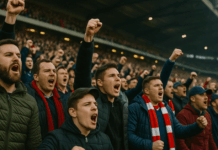
Across continents, football fan banners and large-scale tifos turn matchdays into social theatre that fuses art, politics, and community ritual.
Why Flags And Banners Matter
Support culture relies on artifacts that condense identity into something instantly legible. As a supporter, you wave symbols that affirm loyalty, signal group membership, and animate songs or chants.
Collective displays also memorialize tragedies, celebrate legends, and preserve stories that might otherwise fade. Public protest lives here too, when messages challenge ownership decisions, stadium renaming, or ticketing policies.
Communication, Memory, And Meaning
Banners speak in quick lines, inside jokes, and visual cues requiring audience knowledge. As a supporter, you recognize references to films, lyrics, managers, and local myths, then decode them in seconds.
Seen together across seasons, displays create an archive of the club’s social, cultural, and political moments. History lessons happen in fabric form, whether citing the Hillsborough memorial language or reworking civic symbols like the Liver bird.
Tifos And Stadium Choreography
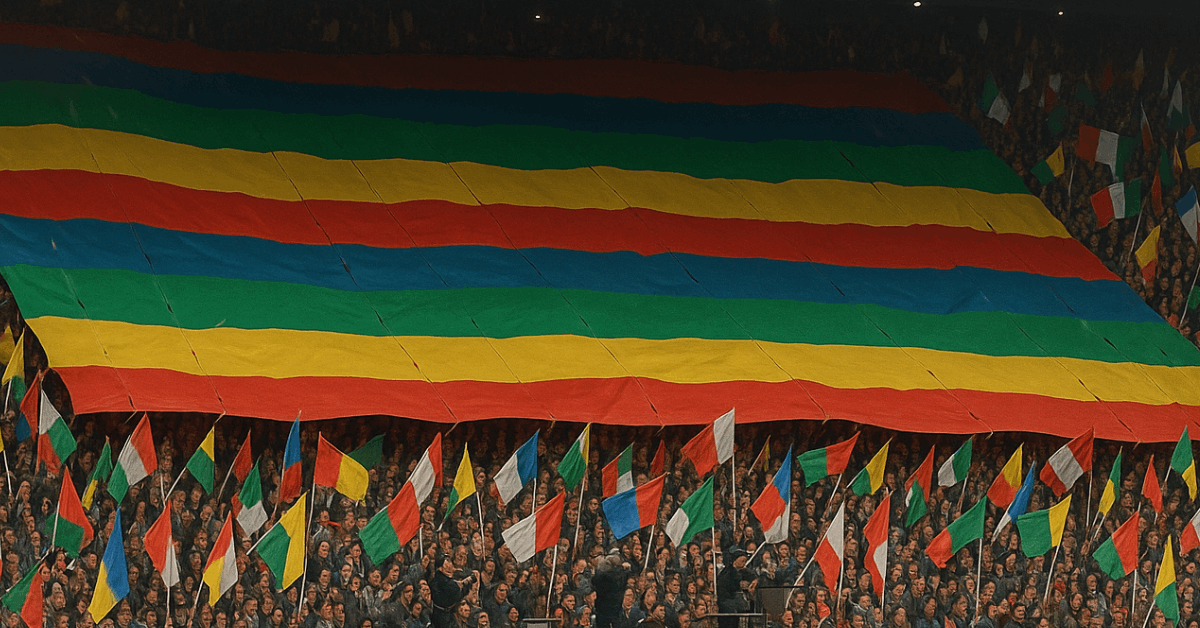
Full-stand tifos transform seats into canvases and synchronize thousands into one action. As a participant, you help convert card stunts, rail banners, and two-poles into stadium choreography that energizes players and unsettles opponents.
Ultras tifo culture treats the stand as a workshop, where planning, craft, and discipline determine impact more than budget. Scale impresses, yet timing, message clarity, and camera angles decide what resonates worldwide.
Planning And Consent
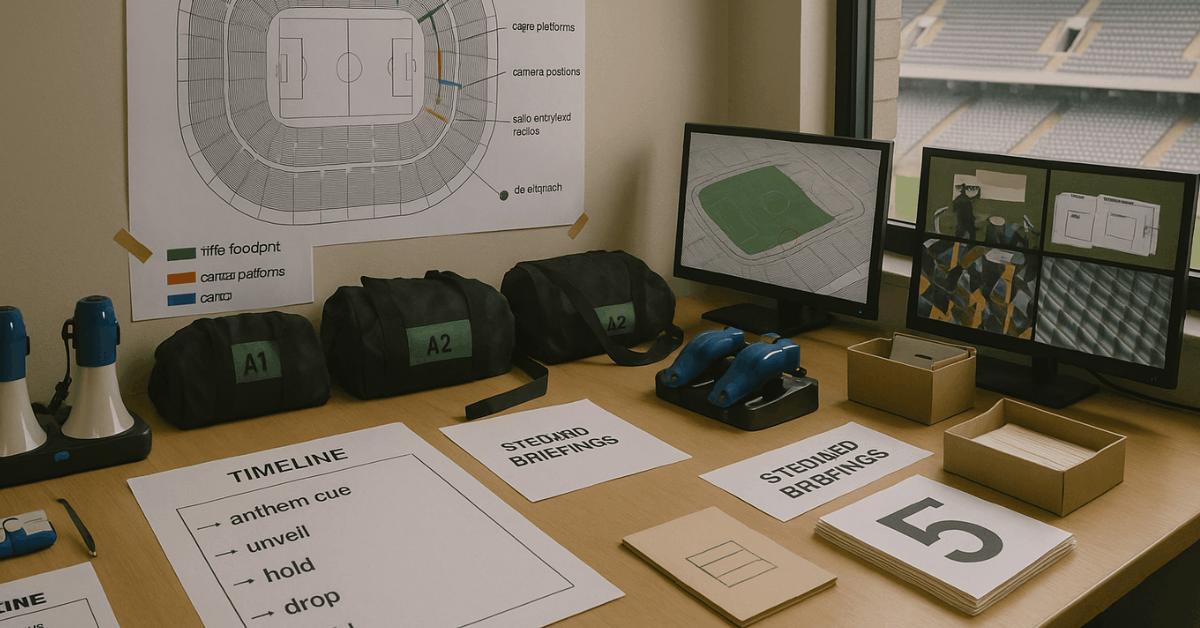
Project leads map sightlines, camera positions, and safe deployment paths well in advance.
As a contributor, you coordinate rehearsal moments, entry timing, and stewards’ roles to avoid congestion. Clear agreements with club security reduce risk, protect materials, and prevent last-minute confiscations.
Production And Materials
Large banners favor lightweight polyester or nylon for lift, while detailed murals often use cotton for paint adhesion.
As a volunteer, you follow tifo design and production notes: panel numbering, reinforced seams, wind-slit placement, and fire-retardant treatments. Water-based paints reduce fumes in indoor prep spaces and speed drying.
Execution On Matchday
Roll teams, capos, and drum cues synchronize unveil, hold, and drop phases to match anthem or kickoff.
As a stand member, you avoid obstructing aisles, follow spotter signals, and keep edges taut for legibility. Post-display routines matter; swift folding preserves artwork and clears sightlines.
Impact And Documentation
Strong displays photograph well, read clearly on broadcast, and travel globally within minutes. As an organizer, you archive high-resolution images and credits, building institutional memory for future projects.
Community, Territory, And Intimidation
Display work strengthens supporter group identity through shared labor, trust, and repetition. As a regular, you learn faces, roles, and local etiquette that govern who paints, funds, or leads.
Colors and slogans mark home turf while choreographies scale intimidation without violence. Rivalry remains performative when lines stay inside agreed rules and safety norms.
Design And Craft: Materials, Imagery, And Style
Short choices define readability, symbolism, and durability across varied stadium conditions. Keep the following considerations in view during concept work.
- Color Hierarchy: Establish a primary, secondary, and neutral anchor to maintain hierarchy across print and fabric. Test samples under LED, halogen, and televised conditions to confirm consistent reproduction.
- Typography: Set tight tracking only after fabric stretch tests, and avoid decorative outlines that blur on TV. Specify minimum stroke thickness and ink limits to survive rain, banner flex, and compression.
- Iconography: Confirm rights clearance and cultural sensitivity through local advisors and governing-body guidelines. Keep line weight consistent across patches, flags, and social avatars to avoid off-brand variants.
- Format Mix: Plan sizes around sightline studies, wind load, and stewarding policies to reduce removals. Design modular panels that recombine into choreographies, enabling quick transitions between messages.
- Humor And Wordplay: Write jokes that survive translation and avoid player targeting that invites sanctions. Test slogans in small supporter groups for tone, clarity, and unintended readings.
Ethics, Safety, And Regulations
Responsible groups treat safety and compliance as non-negotiable pillars. As a planner, you align materials with local fire codes, respect prohibited categories, and avoid hate symbols.
Banner ethics and regulations also cover sightline fairness, evacuation routes, and mounting hardware that won’t fail under wind load. Coordination with stewards protects your work and the people beneath it.
Commercialization, Merchandising, And Counterfeits
Clubs monetize visual identity through licensed goods while fan sections self-fund displays through sales.
As a buyer, you differentiate flag merchandising and licensing from independent supporter issues, then avoid fakes that undermine both. Counterfeit supporter merchandise dilutes quality, dodges safety standards, and can harm fundraising for future tifos.
Making And Maintaining Group Visuals
Collective craft benefits from basic project discipline and clear division of labor. As a coordinator, you define roles early, document steps, and protect works for reuse.
Concept And Consent
Early drafts circulate among core groups to ensure messaging aligns with values and doesn’t endanger relationships. As a contributor, you surface risks, political, legal, or community, before money or time gets committed.
Materials And Methods
Sewing machines, grommet kits, and heat-cutters speed production and prevent frayed edges.
As a fabric lead, you label panels, pre-fold deploy points, and pack kits for wet or windy conditions. Safe solvents and ventilation protect crews during long paint sessions.
Preservation And Storage
Dry, dark storage prevents mildew and fading, while acid-free interleaves protect painted surfaces. As an archivist, you track usage logs, repairs, and loan policies so assets outlast a season.
Global Variations And Lexicon
Supporter traditions adapt to language, law, and urban design. As a traveler, you’ll hear curva in Italy, barra brava across Latin America, and torcida organizada in Brazil describing organized sections.
Capos coordinate songs and movements, while two-poles and surfers vary by stand geometry and stewarding rules. Flag displays in football change shape across contexts yet share the same grammar of color, rhythm, and message discipline.
Conclusion
Flags and banners compress identity into mobile stages that speak, joke, mourn, and defy.
As a supporter, you help turn ordinary matches into civic rituals that archive memory while energizing the present.
Stadium choreography, disciplined craft, and ethical choices keep the medium powerful, safe, and respected. Across eras and regions, organized displays remain a living record of passion, place, and collective voice.