Football shirts have grown from sportswear into cultural icons. The phrase shirts that became fashion beyond the stadiums highlights their journey into global wardrobes.
Jerseys today represent history, lifestyle, and personal identity. This article explores how they became part of mainstream fashion.
The Origins of Football Shirts
Football shirts started as simple uniforms with basic designs. They were created to identify teams during matches.
Early fabrics were heavy cotton, making them impractical for casual use. Over time, lighter materials helped them reach wider audiences.
Early Purpose and Simplicity
The first jerseys were not designed as fashion items. Their purpose was functional, helping players and referees distinguish sides.
The designs lacked flair, detail, and branding. Fans did not yet view shirts as lifestyle apparel.
Teams only saw them as part of the uniform. The idea of jerseys in daily wear had not started.
Transition into Recognizable Apparel
By the 1970s, clubs began selling replicas to supporters. This marked the first crossover into everyday fashion.
Fans wanted to wear team colors off the pitch. It created a new market for merchandise.
Brands Enter the Scene
Sports brands like Adidas and Umbro introduced style elements. Stripes, collars, and unique cuts began to appear.
Logos added identity and recognition. Jerseys became symbols of loyalty and personal expression.
Global Brands and Sponsorships
Brand influence shaped the look of jerseys worldwide. Sponsorship deals turned shirts into walking advertisements.
This commercial shift helped shirts gain visibility outside football culture. It also tied clubs to global companies.
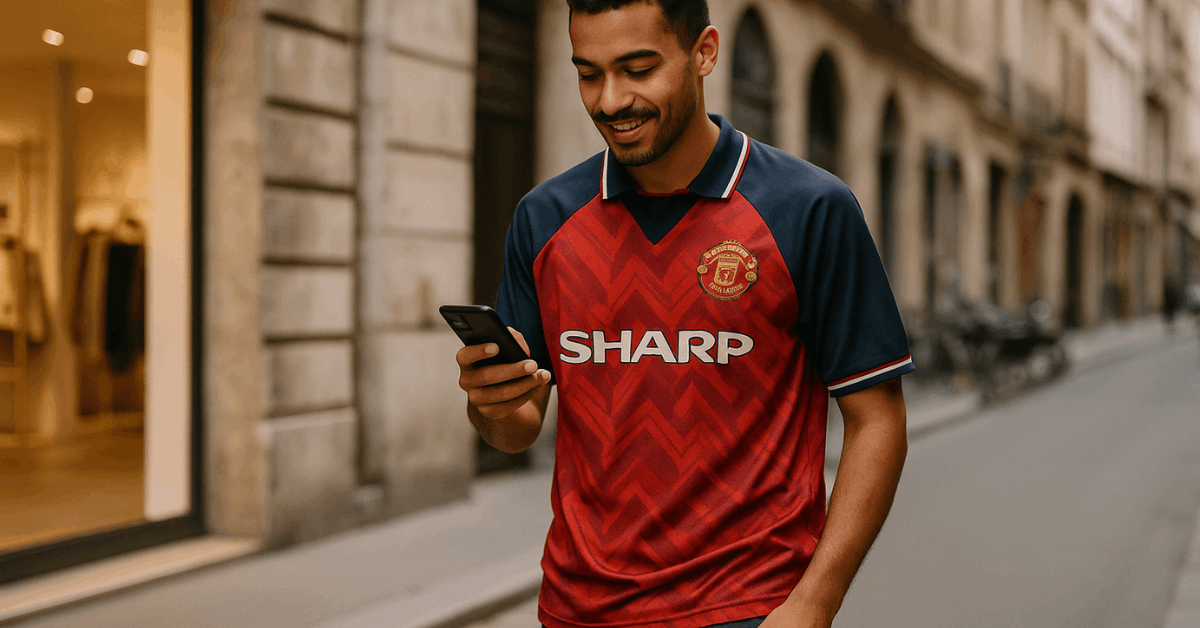
- Sponsorship introduced iconic logos like Sharp, Emirates, and Coca-Cola.
- Nike and Adidas established dominance by combining fashion and sport.
- Designs balanced function and visual appeal to attract buyers.
- Global marketing campaigns made jerseys trendsetters.
Iconic Shirts That Defined Eras
Some shirts transcended the game and became timeless. These designs remain part of popular memory and fashion history.
Their cultural power goes beyond the matches they represent. They symbolize moments and achievements.
Brazil’s Yellow Jersey
Brazil’s shirt is recognized across the world. It represents joy, creativity, and football dominance.
The color and design stand for both sport and culture. It remains one of the most worn jerseys globally.
Argentina’s Striped Shirt
The sky-blue and white stripes carry strong national pride. It represents both tradition and rivalry with Brazil.
The jersey became a cultural export. Fans and collectors treat it as a fashion statement.
Manchester United 1999 Jersey
This shirt is linked with the famous Treble win. The design holds value for collectors and fans.
It became a popular retro piece in recent years. Its appeal is both nostalgic and fashionable.
From the Stadium to the Streets
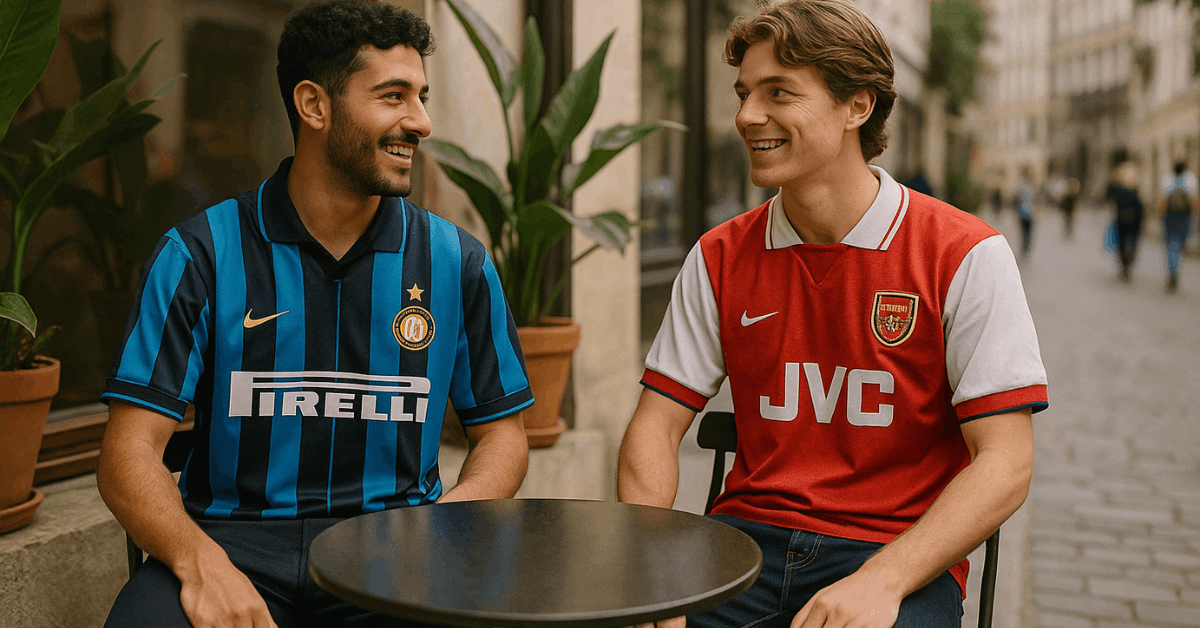
Football culture moved into everyday style through jerseys. Fans started wearing them casually in communities.
They became part of urban streetwear. The shift gave jerseys new meaning outside matches.
Terrace Culture in the UK
In the 1980s, UK fans wore shirts with pride. They mixed them with casual clothing like jeans and trainers.
The style influenced later street fashion trends. It spread across Europe and beyond.
Global Expansion of Everyday Use
As football gained global reach, so did its shirts. Supporters from different regions adopted them in daily wear.
Jerseys became expressions of identity worldwide. They crossed cultural and generational gaps.
Jerseys in Music and Pop Culture
Musicians brought football shirts to wider audiences. Pop culture turned jerseys into icons of style.
Wearing them on stage and in media gave them new value. They became symbols of coolness and pride.
- Hip-hop artists showcased jerseys in music videos.
- Pop stars like Shakira and Drake made them fashionable.
- MTV spread these looks in the 1990s.
- Jerseys became both musical and cultural statements.
Luxury Fashion Meets Football Shirts
High fashion embraced jerseys as a source of creativity. Designers began blending football culture with luxury.
This crossover changed how shirts were viewed. They became status pieces as well as sportswear.
Designer Collaborations
Brands like Balenciaga and Off-White launched football-inspired pieces. Limited releases created high demand.
Fashion houses elevated the jersey into premium markets. This bridged sport and luxury culture.
Footballers as Style Icons
Players began influencing fashion directly. Stars like David Beckham and Cristiano Ronaldo pushed jerseys into style circles.
Their off-field looks included team shirts with high-end outfits. This inspired younger fans globally.
Shirt Collecting as Fashion and Investment
Retro jerseys gained popularity as collectibles. They became valuable for both nostalgia and style.
Collectors see them as fashion pieces and investments. The market for vintage shirts continues to grow.
- Retro designs appeal to youth searching for authenticity.
- Limited releases and historical significance drive value.
- Online platforms boosted resale culture.
- Auctions have sold classic shirts for record prices.
Modern Collaborations and Crossovers
Partnerships between clubs and fashion brands created new waves. Shirts became lifestyle products, not just match kits.
Collaborations brought jerseys to mainstream markets. Social media helped spread their influence.
PSG x Jordan Collaboration
The PSG and Jordan crossover changed shirt culture. It blended basketball, football, and streetwear.
The designs sold out quickly. It became a model for future partnerships.
Nigeria’s 2018 World Cup Jersey
This design gained global attention. It sold out in record time.
Its bold style made it a fashion trend. It represented national pride and modern fashion.
Youth Culture and Identity
Younger generations treat jerseys as more than sports gear. They wear them as markers of culture and belonging.
The trend is strong in urban communities. Shirts connect them to both sport and lifestyle.
- Jerseys express pride in heritage and local identity.
- They symbolize generational style shifts.
- Youth combine them with sneakers and streetwear.
- Online trends amplify their reach worldwide.
Future of Shirts Beyond the Stadiums
The future holds innovation in shirt design. New technology and sustainability will shape production.
Digital platforms will influence how jerseys are worn and collected. Shirts will continue to evolve in cultural relevance.
Sustainability in Materials
Eco-friendly fabrics are gaining popularity. Clubs are promoting recycled materials.
Fans welcome sustainable choices in fashion. This trend will reshape shirt culture.
Digital and Virtual Jerseys
NFTs and gaming skins represent the new frontier. Jerseys now exist in virtual collections.
This blends technology with tradition. It appeals strongly to younger generations.
Last Thoughts: A Lasting Legacy in Fashion
Football shirts have traveled far beyond their original purpose. The phrase shirts that became fashion beyond the stadiums reflects their influence.
Jerseys are now culture, identity, and timeless style. Their story continues to evolve across fashion and sport.