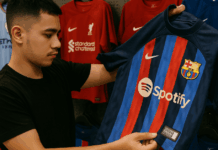
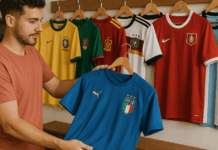
Football shirts go beyond their practical role on the pitch, becoming lasting symbols of cultural identity.
They carry the colors, crests, and traditions that define clubs and unite supporters. Through them, fans find a visible link between past achievements and present loyalty.
Historical Importance of Club Shirts
Shirts were among the first visible signs of club identity. They gave teams distinction on the field and became symbols of tradition.
Their early use set the foundation for long-lasting cultural value.
- Origins of Club Kits: Early football teams used simple colors or patterns to stand out. These basic choices later evolved into permanent identifiers.
- Connection to Tradition: First designs often reflected local heritage or community colors. Clubs preserved these elements to maintain continuity.
- Establishing Identity: Shirts became the most recognizable feature of clubs. Fans and rivals identified teams instantly by their kits.
- Historical Symbolism: Certain early shirts carried meanings tied to social class, religion, or region. They reinforced pride beyond the sport.
Evolution of Shirt Design
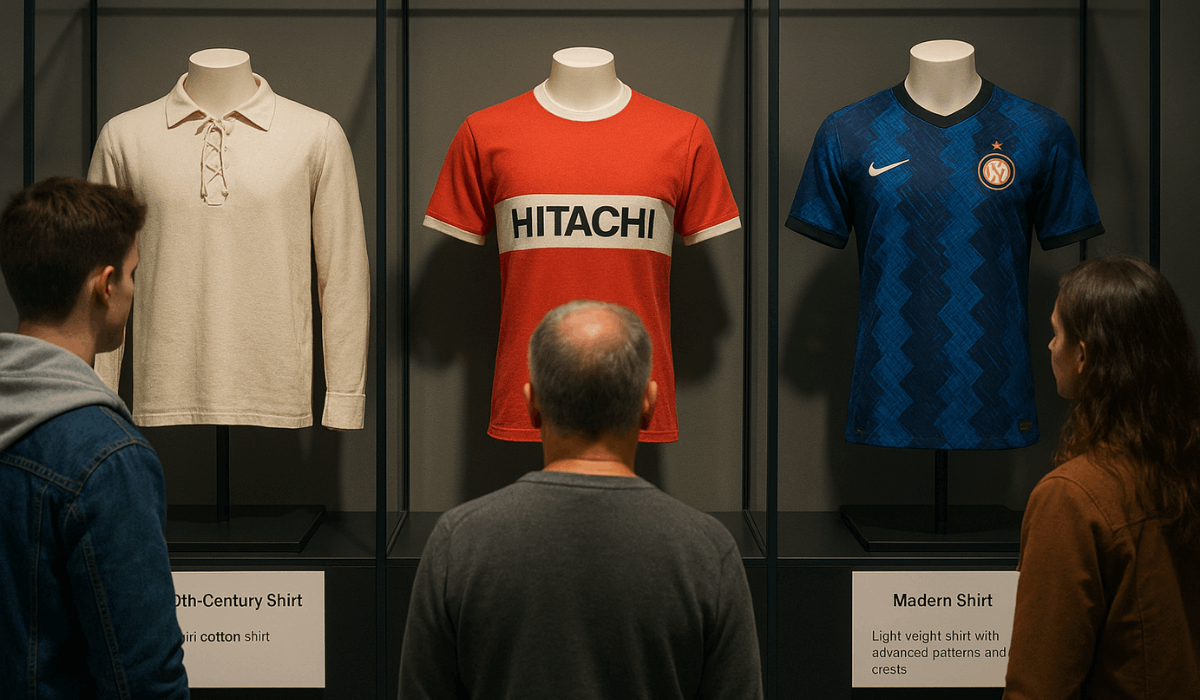
Shirt design has changed with time, influenced by culture, technology, and style.
What began as plain colors grew into complex designs with meaning and identity. Each stage reflects both the sport and society.
- Early Simplicity: Clubs started with basic stripes, checks, or single colors. These patterns created the first visual distinction.
- Introduction of Crests: Adding badges brought symbolism and formal identity. Crests tied shirts to clubs’ heritage.
- Changing Fabrics: Cotton gave way to synthetic materials. New fabrics improved performance and comfort.
- Era of Sponsors: Logos entered in the late 20th century. This changed designs to balance tradition with commercial interests.
- Modern Innovation: Today’s shirts use lightweight, sweat-resistant technology. They merge performance with cultural design elements.
Shirts as Symbols of Belonging
Wearing a club shirt is a public expression of loyalty. It connects fans to their team and to each other.
Shirts turn support into a visible identity shared across generations.
- Visible Loyalty: Fans wear shirts to show commitment and pride in their club.
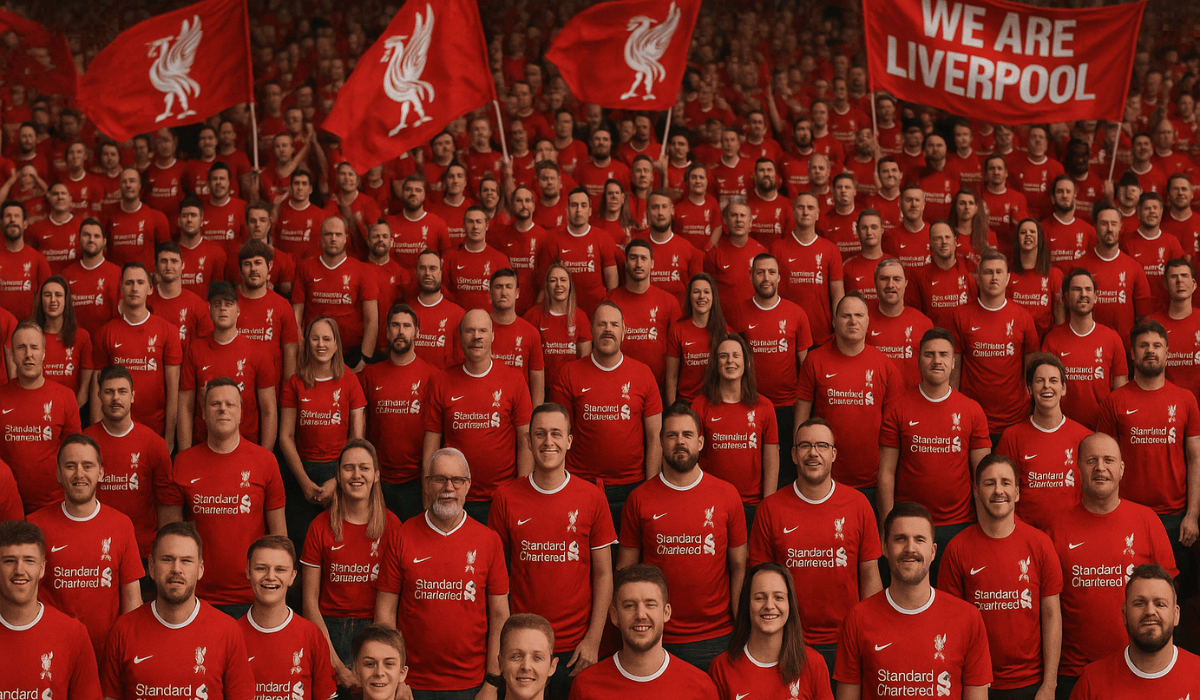
- Unity in Stadiums: Matching colors create a sense of belonging and collective strength.
- Community Connection: Shirts extend identity beyond matches, linking neighborhoods and cities.
- Generational Bond: Parents pass shirts to children, keeping traditions alive.
- Global Reach: Supporters worldwide wear the same shirts, spreading identity across borders.
Role of Sponsors and Branding
Sponsorship transformed club shirts into commercial platforms. Logos became part of the design and influenced identity.
This shift balanced financial growth with preserving tradition.
- First Shirt Sponsors: Clubs began adding commercial names in the 1970s. It marked a turning point in shirt culture.
- Revenue Generation: Sponsorship deals brought vital income. This funding supported player signings and club development.
- Design Influence: Logos often changed shirt aesthetics. Fans debated whether tradition was compromised.
- Global Exposure: Sponsors gave clubs international recognition. Shirts carried brand names across the world.
- Balancing Tradition and Commerce: Clubs must respect heritage while adapting to financial realities. This remains a constant challenge.
Iconic Shirts and Club Legacy
Some shirts become permanent parts of football history. They represent victories, famous players, or unforgettable seasons.
These shirts carry meaning that defines a club’s legacy.
- Historic Matches: Shirts worn in finals or decisive games gain legendary status.
- Association with Heroes: When iconic players wear certain shirts, they become unforgettable.
- Symbol of Eras: Designs often represent golden periods in a club’s history.
- Cultural Recognition: Iconic shirts are recognized even outside football.
- Collector’s Value: These shirts hold high importance in memorabilia markets.
Shirts in Modern Fan Culture
In today’s football world, shirts are more than match-day gear. They are lifestyle items that fans collect, trade, and wear daily.
Modern fan culture keeps shirts at the center of identity and expression.
- Replica Boom: Affordable replicas let millions of fans wear official designs.
- Limited Editions: Special releases create excitement and exclusivity.
- Collecting as a Hobby: Many fans build collections of classic and rare shirts.
- Streetwear Influence: Shirts are worn casually as fashion, not just for games.
- Global Accessibility: Online stores make club shirts available to supporters worldwide.
Shirts Beyond the Pitch
Club shirts are no longer limited to stadiums. They have entered fashion, daily life, and global culture. Their influence reaches far beyond football.
- Streetwear Integration: Shirts are used in casual outfits and urban fashion.
- Celebrity Influence: Musicians and actors wear club shirts, boosting popularity.
- Cultural Symbolism: Shirts represent cities and regions outside of sport.
- Merchandising Expansion: Clubs market shirts as lifestyle products, not just kits.
- Global Identity: Fans abroad wear shirts to show cultural connection, not only sporting loyalty.
Influence of Player Legacy
Certain players make shirts unforgettable. Their performances and careers elevate simple designs into symbols of greatness.
Fans associate numbers and kits with legends who wore them.
- Iconic Numbers: Famous players make shirt numbers legendary, like 7 or 10.
- Memorable Performances: Historic games connect specific shirts to unforgettable moments.
- Global Recognition: Player success spreads shirt popularity worldwide.
- Merchandising Power: Sales rise sharply when stars wear a particular kit.
- Enduring Symbolism: Even after retirement, shirts linked to legends remain cultural icons.
Impact of Rivalries
Rivalries give extra meaning to club shirts. Colors and designs become tools of distinction between competing sides.
Shirts symbolize pride and separation in these intense matchups.
- Clear Distinction: Rival clubs often choose contrasting colors to stand apart.
- Derby Identity: Shirts in local derbies become symbols of territorial pride.
- Emotional Value: Fans wear shirts during rival matches to show defiance and loyalty.
- Historic Clashes: Certain shirt matchups are remembered as part of football history.
- Merchandising Effect: Rivalry games drive higher shirt sales before and after matches.
Technological Innovation in Shirts
Technology has transformed how shirts are made and worn. From heavy cotton to advanced synthetic fabrics, each change improved performance and comfort.
Modern innovation also connects identity with function.
- Material Evolution: Transition from cotton to lightweight polyester enhanced durability.
- Moisture Control: Modern shirts use sweat-wicking technology to keep players dry.
- Breathability: Mesh panels and ventilation systems increase comfort during games.
- Eco-Friendly Fabrics: Recycled materials are now common in shirt production.
- Smart Features: Some designs include tracking sensors for performance analysis.
Preservation and Collecting
Preserving and collecting shirts keeps football history alive. Fans, museums, and clubs safeguard them as cultural artifacts.
These efforts ensure future generations can value their legacy.
- Archiving by Clubs: Teams store historic shirts in museums and halls of fame.
- Private Collections: Fans and collectors build personal archives of rare kits.
- Condition Care: Proper storage methods protect shirts from wear and fading.
- Cultural Heritage: Historic shirts are treated as part of football’s global heritage.
- Market Value: Rare shirts gain financial and sentimental worth over time.
The Bottomline
Football shirts carry deep cultural weight, representing tradition, pride, and belonging. They stand as reminders of great moments and lasting legacies.
Continue honoring their importance by supporting your club, preserving its history, and proudly wearing its colors.