World Cup shirts are more than just jerseys; they represent culture and history. Fans value them for their design, symbolism, and connection to football memories.
Building a collection requires knowledge, planning, and an eye for detail. It blends passion with discipline and offers long-term rewards.
Why Collect World Cup Shirts?
World Cup shirts are treasured items for both fans and collectors. They reflect unforgettable moments that define football history.
Historical Significance of World Cup Jerseys
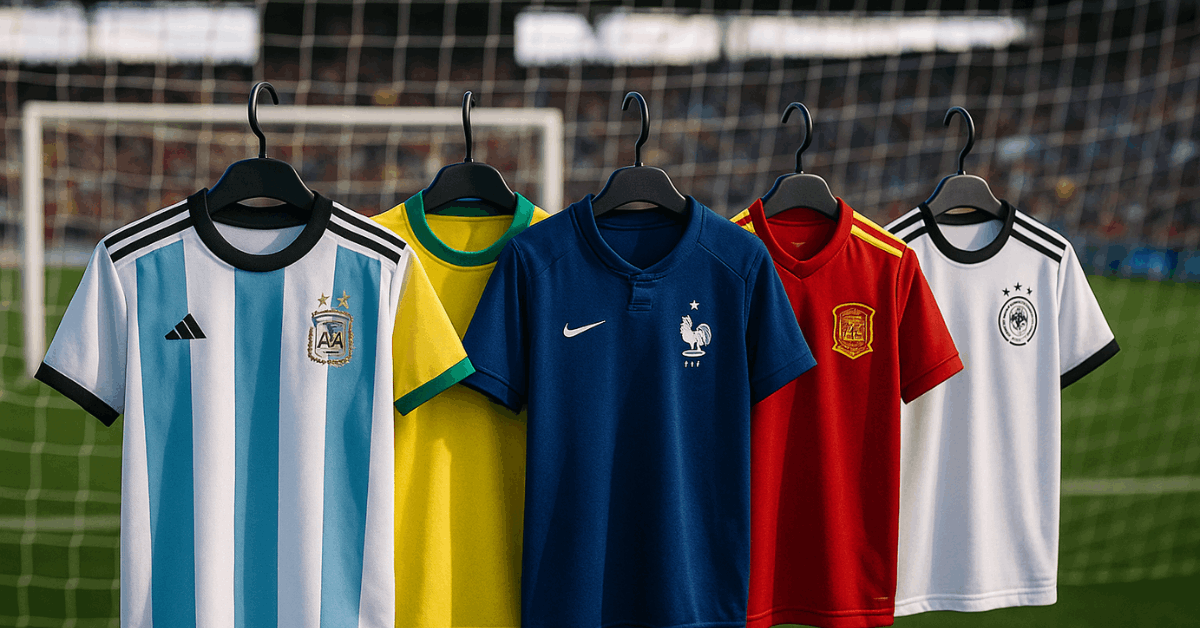
Every World Cup shirt carries a unique story. They reflect the colors and spirit of a tournament.
Collectors value them as physical pieces of sporting history. Each design symbolizes a chapter in football’s global journey.
Emotional and Cultural Value
World Cup shirts often stir strong emotions. Wearing one reminds fans of national pride and unity.
They are symbols of culture that transcend the sport itself. This emotional power fuels their demand worldwide.
Popularity Among Fans and Collectors
Shirts are popular among ordinary fans and serious collectors alike. Many start by buying replicas to wear casually.
Others focus on vintage or limited editions with long-term value. This broad appeal keeps the market active.
Rising Market Value of Vintage Jerseys
Vintage shirts often appreciate in price over time. Rare pieces from older tournaments command high values at auctions.
Collectors see them as both passion and investment. The rising market shows no signs of slowing down.
Deciding the Focus of Your Collection
Defining a theme makes your collection clear and consistent. It helps avoid scattered purchases and wasted money.
Collecting by National Teams
Some collectors focus on a single national team. This approach allows depth and detail in one area.
A full set of a country’s World Cup shirts holds strong appeal. It also highlights the evolution of design across decades.
Focusing on Specific Eras or Decades
Another approach is to collect by era. Shirts from the 70s, 80s, or 90s carry unique cultural styles.
This focus highlights the evolution of fabric and logos. Collectors enjoy seeing historical changes in design side by side.
Highlighting Iconic Matches and Finals
Collectors may choose shirts linked to famous matches. Final games or historic upsets make these pieces valuable.
They connect directly with moments etched in history. Such collections tell powerful stories of football drama.
Player-Specific Shirt Collections
Focusing on shirts tied to star players is another route. Jerseys worn by legends carry strong sentimental and financial weight.
Fans admire shirts linked to goals and victories. This focus appeals to those inspired by individual greatness.
Identifying Authentic World Cup Shirts
Authenticity is the foundation of a strong collection. Genuine shirts preserve both cultural and financial value.
Spotting Official Logos and Tags
Real shirts always include official licensing marks. FIFA logos, manufacturer tags, and holograms signal authenticity.
Fakes often miss these details or print them poorly. Collectors must check labels carefully before buying.
Fabric and Design Details
Fabric texture and stitching reveal much about authenticity. Originals use high-quality materials with accurate cuts.
Counterfeits often feel lighter and look cheaper. Small design errors expose fake products quickly.
Difference Between Match-Worn, Replica, and Fan Versions
World Cup shirts come in multiple versions. Match-worn pieces are the rarest and most valuable.
Replicas offer accurate designs but are mass-produced. Fan versions are cheaper and lack certain details.
Trusted Sources and Certifications
Buying from trusted sellers ensures peace of mind. Certification from reliable companies adds extra security.
Online forums also help collectors identify safe vendors. Documentation is essential for long-term value.
Where to Find World Cup Shirts?
Finding shirts requires exploring different sources. Each option has unique pros and cons for collectors.
Official FIFA Stores and Releases
Official stores sell new World Cup releases. These shirts guarantee authenticity and fresh designs.
They are easy entry points for beginners. Collectors also benefit from official limited editions.
Online Marketplaces and Auctions
Websites like eBay and auction houses host rare shirts. Prices vary depending on rarity and demand.
Careful research is needed to avoid counterfeits. Verified sellers are essential for safe purchases.
Specialty Sports Collectors’ Shops
Physical shops often focus on rare merchandise. They offer authentication and expert advice. Prices may be higher but reduce risks. Collectors enjoy professional guidance.
Local Markets and Thrift Stores
Occasionally, hidden gems appear in thrift shops. Local sellers may not realize the shirt’s value. These finds require patience and luck. Some collectors enjoy the thrill of discovery.
Building and Organizing Your Collection
Strong collections require planning and organization. This ensures long-term enjoyment and value.
Creating a Collection Plan and Budget
Planning avoids impulse buying. Set clear goals and a reasonable budget. Decide whether to focus on teams or decades. Discipline makes collections sustainable.
Cataloging and Record-Keeping
Proper cataloging is important for serious collectors. Records should include purchase details, prices, and condition.
Digital tools or spreadsheets make this easy. Organized records increase resale value.
Display Ideas for Your Shirts
Collectors often display shirts proudly. Frames, mannequins, or shadow boxes preserve them well. Displaying adds enjoyment and pride. Protection should always come first.
Protecting Shirts from Damage
Shirts must be kept in proper conditions. Avoid direct sunlight, moisture, and rough handling. Use garment bags for storage. Preservation keeps value intact.
Value Appreciation and Investment Potential
World Cup shirts are not only cultural items but also assets. Their market continues to grow steadily.
Limited Editions and Tournament-Specific Releases
Limited runs hold higher resale potential. Tournament-specific designs often sell out fast. Scarcity pushes demand and prices upward. Collectors prioritize these pieces.
Influence of Famous Players
Shirts tied to iconic players gain value. Legends like Pelé and Maradona boost demand. Match-worn shirts are often priceless. Their legacy drives appreciation.
Historic Matches and Iconic Goals
Events like finals or famous goals add context. Shirts linked to these moments are highly collectible. Fans pay premium prices for such items. Historic relevance drives their worth.
Long-Term Market Trends
The market shows steady upward movement. Football’s global popularity fuels demand. Collectors treat shirts like art or memorabilia. Long-term growth remains likely.
Risks and Challenges in Collecting
Collectors must face real risks in the market. Awareness prevents costly mistakes.
Counterfeits and Imitations
Fake shirts flood online platforms. They damage both collections and reputations. Collectors must learn to spot signs early. Vigilance ensures authenticity.
Overpaying for Common Shirts
Not all shirts are rare. Some are widely available and affordable. Overpaying reduces return on investment. Research avoids such mistakes.
Condition and Storage Problems
Shirts lose value if stored badly. Fading, stains, or damage cut prices. Proper preservation is essential. Condition is always critical.
Market Saturation and Changing Trends
Trends shift over time. Popular shirts may lose demand tomorrow. Markets can become saturated with reissues. Flexibility helps collectors adjust.
Tips for Beginners in World Cup Shirt Collecting
Starting small is the best approach. These tips guide new collectors with practical advice.
Start Small with Affordable Shirts
Begin with cheaper replicas or recent releases. This builds confidence before tackling rare pieces. Early success creates motivation to expand. Growth becomes natural over time.
Learn from Other Collectors and Forums
Communities share knowledge freely. Forums and social groups provide insights. Learning from others avoids rookie errors. Networking makes collecting enjoyable.
Balance Passion with Budget
Excitement can lead to overspending. Setting limits keeps collecting healthy. Discipline ensures financial balance. Passion must align with reality.
Patience and Long-Term Strategy
Great collections grow slowly. Rushing leads to poor decisions. Patience builds quality and value. Long-term strategies bring the best results.
World Cup Shirts as Cultural Heritage
World Cup shirts carry meaning beyond fashion. They serve as cultural artifacts across generations.
National Identity and Unity
Shirts symbolize national pride. Fans wear them to show unity during tournaments. They become shared symbols of belonging. Culture shines through colors and crests.
Passing Shirts Between Generations
Shirts often pass from parent to child. They create bonds rooted in shared memories. This makes them family treasures. They become more than fabric items.
World Cup Shirts in Museums and Exhibits
Some shirts are displayed in museums. They showcase global sports history. Exhibits highlight their importance. Preservation ensures stories live on.
Global Symbol of Football Culture
World Cup shirts embody football’s worldwide reach. They unite fans from different backgrounds.
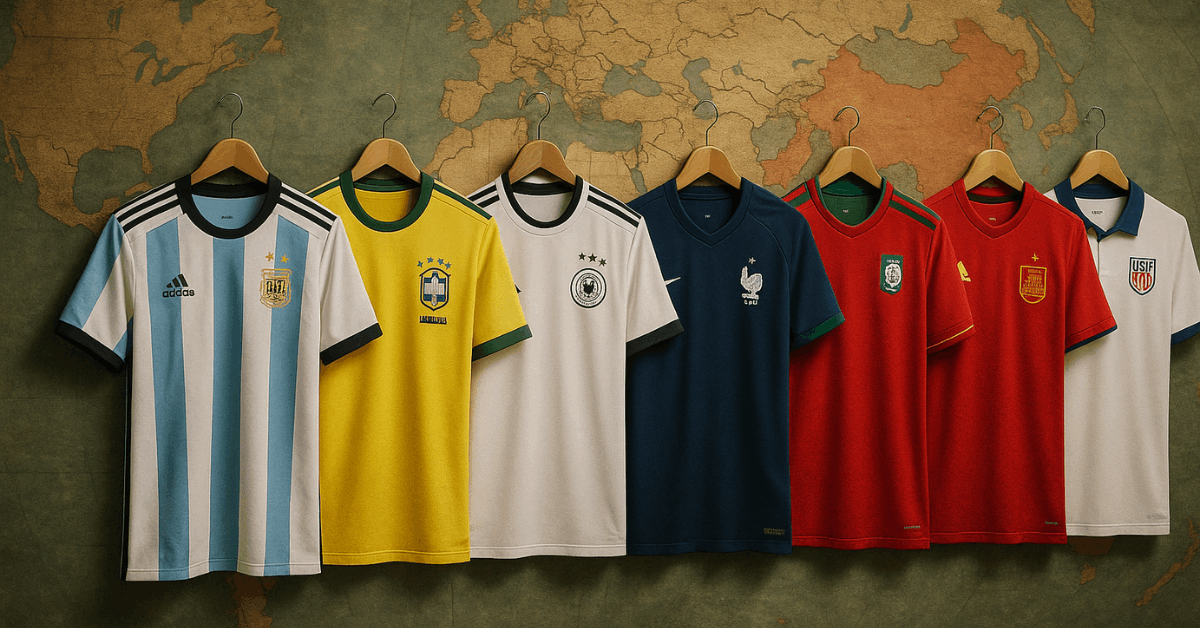
Every nation shares in this cultural symbol. The shirts tell a story beyond the game.
Conclusion – World Cup Shirts as a Legacy Worth Collecting
World Cup shirts combine history, passion, and investment potential. They unite fans across countries and generations.
Building a collection requires patience and discipline. Each shirt becomes part of a legacy that grows in both value and meaning.