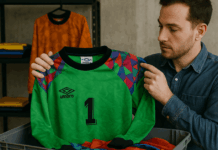
Retro shirts have made a strong return in both fashion and collecting markets. Their presence is visible in sports, music, and global pop culture.
Many ask if they are only style pieces or real investment assets. The answer often depends on how you view culture, history, and money.
The Rise of Retro Shirts in Modern Culture
Retro shirts have become a major trend across generations. They connect people with history while providing unique fashion options.
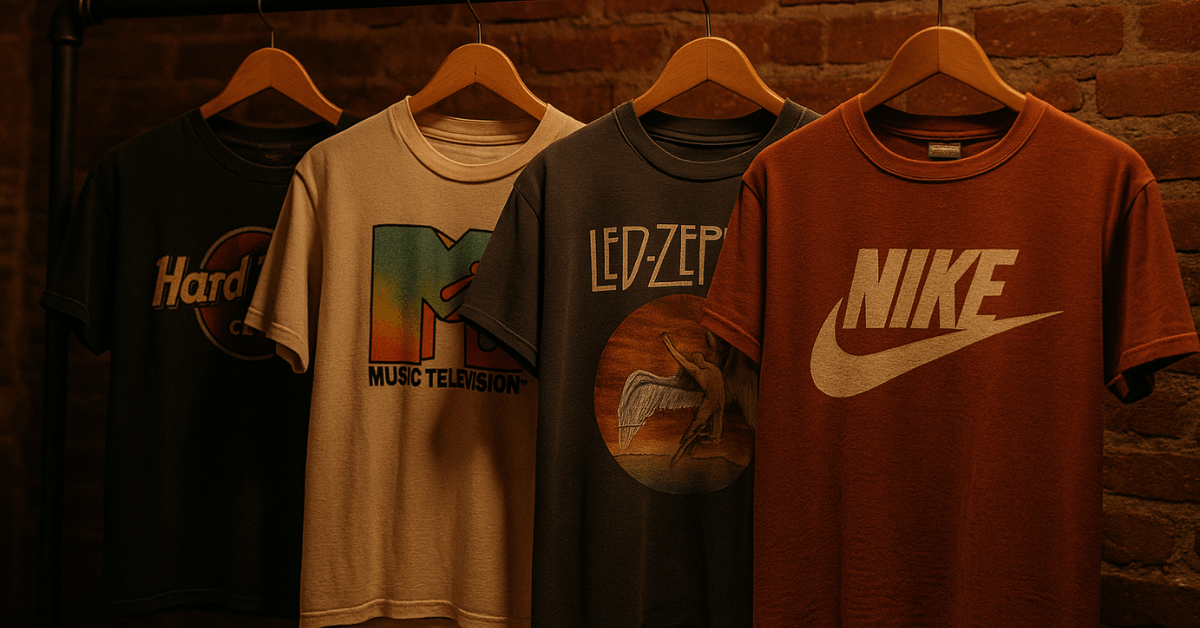
Historical Background of Retro Shirts
The origin of retro shirts comes from sports culture, particularly football and basketball. Jerseys from past decades carried the identity of players and teams.
With time, fans began valuing these designs not only for their look but also for their stories. Today, these shirts represent both memory and heritage.
Nostalgia and Emotional Value
Nostalgia drives much of the demand for retro shirts. Fans wear them to relive moments they watched or heard about.
Younger audiences see them as symbols of authenticity. This emotional pull adds depth to their popularity and makes them stand out.
Influence of Pop Culture and Media
Celebrities and media have boosted the popularity of retro shirts. Movies, documentaries, and sports coverage revive interest in past eras.
Influencers often wear retro jerseys, which then become trending items. This exposure fuels global curiosity and demand.
Social Media and Celebrity Endorsements
Social media has given retro shirts constant visibility. Stars in music, film, and sports often wear these pieces publicly.
Their influence turns simple designs into coveted fashion items. Endorsements directly impact resale values and global recognition.
Retro Shirts as a Fashion Statement
Retro shirts stand as unique items in the fashion scene. They combine nostalgia with modern style trends.
Unique Designs and Patterns
Retro shirts feature bold colors and classic logos. They are different from today’s minimal designs.
Wearing one shows an appreciation for history and individuality. The uniqueness gives them lasting appeal in fashion cycles.
Streetwear and Everyday Use
Streetwear culture embraces retro shirts. They pair easily with jeans, sneakers, or layered looks.
Younger generations enjoy mixing old with new to create fresh styles. Their versatility makes them reliable wardrobe staples.
Retro Shirts in High Fashion
Fashion houses have integrated retro shirts into collections. Designers use old logos and vintage patterns in runway shows.
This crossover makes them fashionable beyond fan circles. It also raises their credibility in luxury markets.
Youth vs. Older Generations in Styling
Younger people wear retro shirts as style statements. Older generations often wear them as memory pieces.
This dual use creates a wide consumer base. It bridges gaps between generations with one item.
The Investment Side of Retro Shirts
Collectors treat retro shirts like valuable assets. Scarcity and demand have turned some into high-priced pieces.
Limited Editions and Scarcity
Shirts released in limited numbers grow in value. Once sold out, they become rare in circulation.
Collectors pay high prices for items no longer available. Scarcity makes them function like rare art pieces.
Condition and Authenticity as Value Drivers
A retro shirt’s value depends on its condition. Items with original tags or minimal wear bring higher offers.
Authenticity is equally critical, as counterfeits lower confidence. Buyers prefer shirts with proof of origin.
Case Studies of High-Value Retro Jerseys
Certain retro football jerseys have sold for thousands of dollars. Famous player associations increase their value further.
Auction houses report strong demand for iconic pieces. These cases highlight the investment potential.
Comparison with Other Collectibles
Retro shirts share features with sneakers and trading cards. Each market values rarity and history.
Unlike sneakers, shirts are easier to wear without losing value. This makes them flexible investments.
Factors That Influence Value Appreciation
Not all retro shirts rise in price. Several market factors affect long-term growth.
Popular Teams, Clubs, or Eras
Shirts linked to legendary teams hold strong appeal. Winning seasons or special events increase demand. Fans chase pieces from iconic eras. This ensures steady interest over decades.
Player Association and Legacy
A player’s legacy affects shirt value. Jerseys from star athletes often appreciate the most.
Retirements or historic achievements boost their demand. This connection drives market trends.
Rarity and Production Numbers
The fewer produced, the more valuable the shirt becomes. Limited supply creates competition among buyers. High production lowers resale prices. Collectors always prioritize rare editions.
Market Trends and Demand Cycles
Fashion trends often guide value appreciation. Retro shirts peak when nostalgia is strong.
Global events or anniversaries revive attention. These cycles shape pricing over time.
Risks of Treating Retro Shirts as Investments
Collecting carries risks that buyers must understand. Awareness reduces costly mistakes.
Counterfeits and Reproductions
The market is full of replicas and fakes. These copies look close to originals but have no real value.
Collectors risk losses without proper authentication. Always buy from trusted sellers.
Market Volatility
Prices can rise or fall due to volatility. What is in demand today may lose popularity tomorrow. Short-term investors often face this risk. Patience is required for stability.
Storage and Preservation Issues
Retro shirts need proper storage. Poor conditions cause fading, damage, or fabric wear.
Collectors invest in preservation tools for long-term value. Careless storage can cut prices significantly.
Declining Demand Risk
Markets depend on cultural interest. If nostalgia fades, demand can slow. Collectors may struggle to sell at high prices. This is a common risk in all collectibles.
Retro Shirts Market Today
The global retro shirt market is strong and growing. It expands across online and offline spaces.
Online Marketplaces
Many collectors use platforms such as eBay and Grailed. Prices vary based on rarity and condition.
Verified sellers build trust among buyers. Online exposure ensures constant availability.
Specialized Collectors’ Shops
Physical stores focus on retro merchandise. They cater to loyal fans and collectors.
Shops provide authentication and direct selling options. This adds credibility to the market.
Global Demand
Retro shirts are popular in Europe, Asia, and South America. Football culture strongly supports demand in these regions.
Clubs themselves release official retro editions. Globalization fuels continued interest.
Future Outlook of the Market
Experts expect growth in both fashion and investment sides. More collectors join each year.
Brands may continue reissuing classic designs. The future looks steady with rising potential.
How to Start Collecting Retro Shirts?
Beginners must learn how to enter the market wisely. Knowledge helps build strong collections.
Where to Buy Safely?
You can buy retro shirts online or in stores. Always confirm the reputation of sellers. Choose platforms with buyer protection policies. This reduces the risk of fraud.
Identifying Authentic Pieces
Authenticity is key for collectors. Check fabric, tags, and design details. Learn the history of specific releases. Use experts when uncertain.
Building a Collection with Purpose
Collectors often follow themes. Some focus on teams, others on players or decades. A clear purpose adds value to a collection. It also provides direction in buying choices.
Budgeting and Long-Term Goals
Set a budget before starting. Avoid overspending on trends. Focus on long-term growth of your collection. Balance passion with financial discipline.
Retro Shirts as Cultural Heritage
Beyond money, retro shirts preserve stories. They serve as living history.
Sports History Preservation
Retro shirts connect fans with past victories. They keep memories alive across generations.
Many wear them during anniversaries or commemorations. This ensures history is not forgotten.
Cultural Identity and Community Pride
Wearing a retro shirt shows pride in identity. It links communities with shared heritage.
Fans express loyalty through these items. Culture becomes visible through clothing.
Connection Between Generations
Parents and children often share retro shirts. These items carry emotional bonds within families.
They create continuity in traditions. This intergenerational connection strengthens value.
From Sports Arenas to Museums
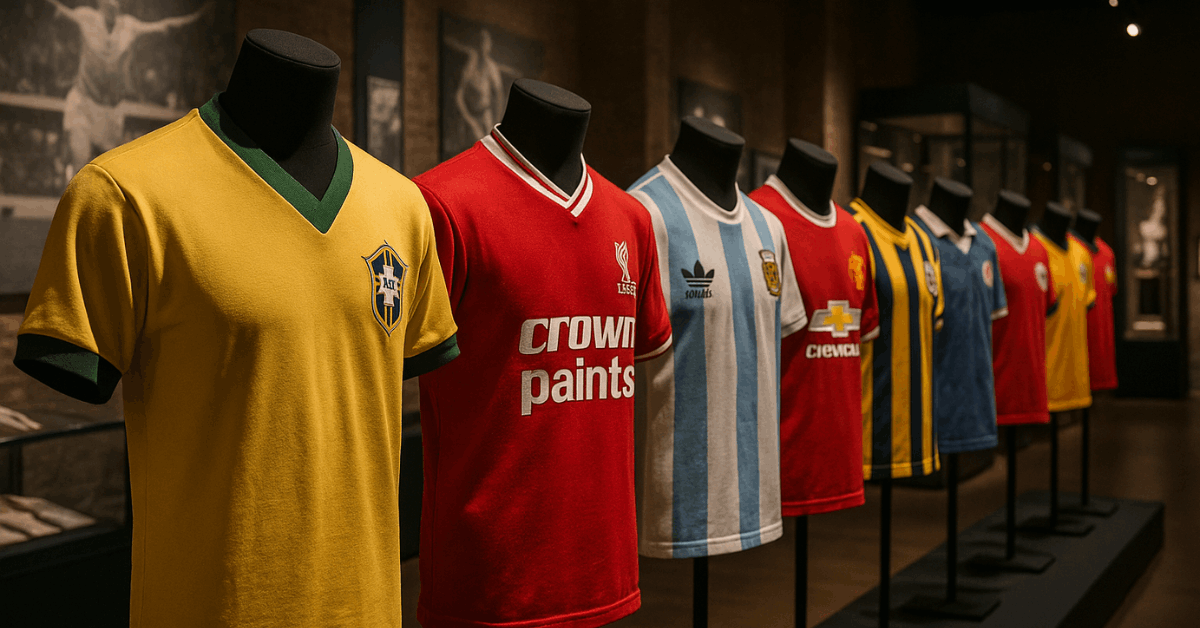
Some retro shirts are displayed in museums. They represent historical achievements in sports. Museums highlight their cultural impact. This elevates shirts to heritage status.
Conclusion – Retro Shirts: More Than Just Clothing
Retro shirts today carry both fashion and investment roles. Their appeal lies in history, design, and scarcity. Collectors see them as financial opportunities, while fans see culture and pride. Whether you wear them or save them, their value continues to grow.