Pelé’s 1970 World Cup shirt remains one of the most recognized artifacts in the history of football.
Collectors and fans continue to wonder about its present-day value. The shirt’s story is not only about money but also about culture, history, and pride.
In this article, you will learn what makes it so valuable and how experts calculate its worth today.
The Historical Importance of the 1970 Shirt
The 1970 World Cup was a turning point in global football. Pelé’s performance in Mexico sealed his legacy as the greatest of all time.
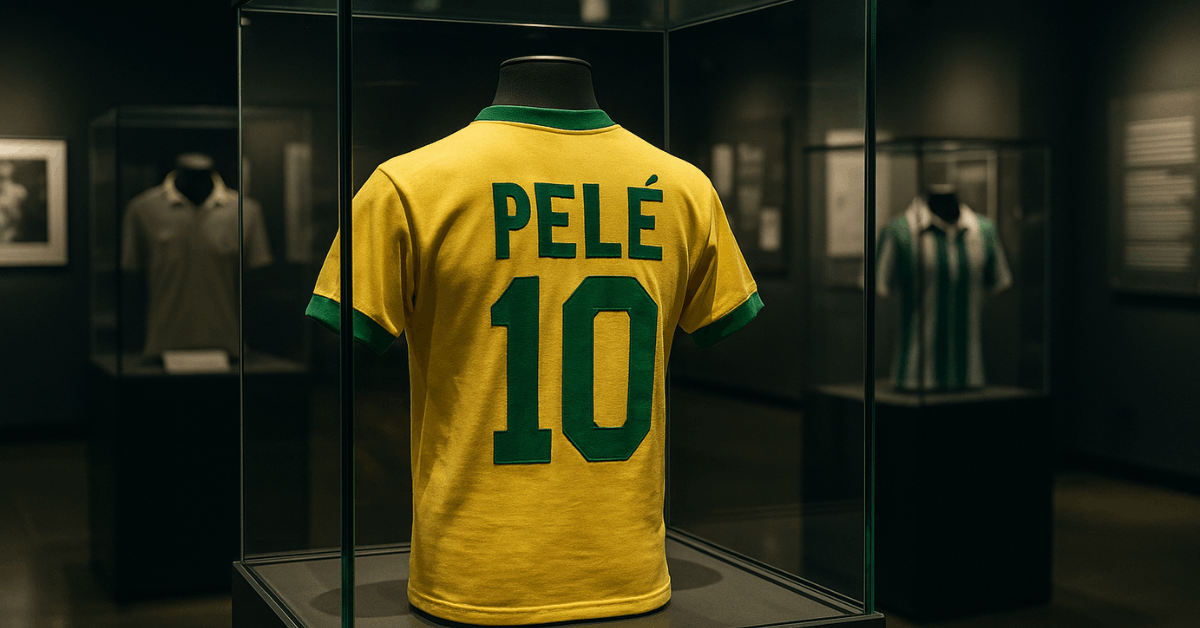
Pelé and Brazil’s 1970 Triumph
Brazil won its third World Cup in 1970, beating Italy 4-1 in the final. Pelé scored the opening goal and provided assists that secured the title.
His leadership and skills made him the centerpiece of the team. The shirt he wore in this tournament became a lasting symbol of excellence.
Why This Shirt Stands Out
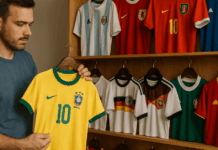
Unlike other shirts, Pelé’s 1970 number 10 became an icon for generations. It represents both a historic victory and the golden era of Brazilian football.
Collectors place unmatched value on its cultural and sporting symbolism. Owning it means holding a piece of the greatest chapter in football history.
Auction Records and Market Value
Pelé’s memorabilia has fetched record prices in major auctions. The 1970 shirt stands at the top of this list.
Famous Auctions
Past auctions of Pelé’s shirts have reached millions. In 2002, one of his shirts sold for nearly $200,000, which was a record at the time.
Since then, interest in legendary football items has grown rapidly. Today, prices for authenticated items can go far beyond initial expectations.
Estimated Current Value
Experts estimate the value of Pelé’s 1970 World Cup shirt in the range of $5 million to $10 million.
The wide variation comes from the shirt’s rarity and historical context. Auctions with strong global interest could push the price even higher.
Collectors view it as priceless, making its market value flexible and demand-driven.
Factors That Influence the Price
The worth of Pelé’s shirt is tied to several conditions. Collectors look at more than just the fabric.
Provenance and Authenticity
Provenance is key to determining price. A shirt with documents proving it was worn in the 1970 final carries unmatched value.
Certificates from recognized authorities add to its legitimacy. Without authentication, the market value drops dramatically.
Shirt Condition
The physical state of the shirt matters to collectors. A well-preserved piece can sustain its value for decades.
Signs of wear may add charm, but excessive damage can reduce price. Professional preservation methods ensure the shirt keeps its historical appeal.
The Collectors’ Market for Football Memorabilia
Football memorabilia is a booming industry. Pelé’s shirt is considered a crown jewel in this market.
Comparison with Other Jerseys
Maradona’s “Hand of God” shirt sold for over $9 million in 2022. Messi’s World Cup shirts have also reached multi-million-dollar figures.
These comparisons highlight Pelé’s shirt as one of the most valuable ever. Its price reflects both rarity and historical importance.
Why Pelé’s Shirt is Priceless
Collectors often call Pelé’s 1970 shirt “irreplaceable.” No modern player’s item carries the same weight.
Its appeal lies not only in sporting achievement but also in cultural resonance. This is why many consider it beyond ordinary financial value.
Cultural and Symbolic Value
Beyond numbers, the shirt represents unity and national pride. Its significance goes far beyond Brazil’s borders.
Brazil’s National Identity
The yellow jersey is a national symbol of Brazil. Pelé wearing it in 1970 gave the country international recognition.
The shirt became part of Brazil’s identity in sports and culture. It reflects a golden moment in the nation’s history.
Worldwide Impact
Fans across the world see Pelé’s 1970 shirt as the essence of football greatness. It represents passion and dedication, shaping global football culture.
Many collectors are motivated not by profit, but by admiration for Pelé. This emotional connection keeps the demand alive.
Preservation and Display
Maintaining Pelé’s shirt is as important as owning it. Museums and collectors take steps to ensure its survival.
- Major institutions like FIFA’s museum showcase Pelé’s memorabilia.
- Proper preservation includes controlled temperature and humidity.
- Display cases protect against dust, light, and handling damage.
- Without preservation, the shirt risks losing both integrity and value.
Replica Market and Commercial Value
Replicas bring Pelé’s 1970 shirt closer to ordinary fans. While not original, they hold their own market value.
- Licensed replicas are sold by sporting brands worldwide.
- Limited edition replicas can rise in price over time.
- Collectors often seek vintage replicas from the 1970s.
- The replica market reflects how demand extends beyond auctions.
Legal and Ownership Issues
Ownership of historic memorabilia can become controversial. Pelé’s shirt has been no exception.
Known Ownership Cases
There have been disputes over the rightful ownership of Pelé’s match-worn shirts. Some ended up in private collections after legal settlements.
Others were donated or loaned to museums. These cases show how valuable items often come with legal complexities.
Private vs Public Ownership
Private collectors may restrict access to historic items. This can limit cultural appreciation for fans worldwide.
Museums make such treasures available to the public. The debate over ownership remains an ongoing issue.
The Emotional Value for Fans
Fans attach emotions to items beyond their financial worth. Pelé’s shirt holds memories and inspiration that numbers cannot measure.
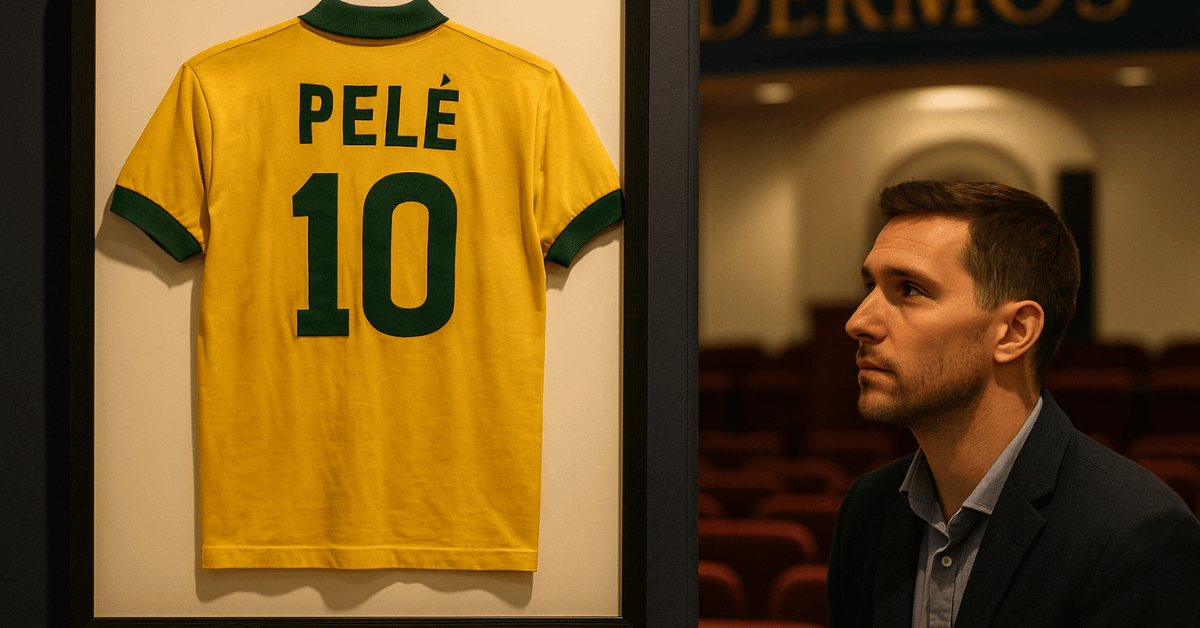
- It connects fans with their childhood memories of watching Pelé.
- It stands as a symbol of football history.
- For young players, it inspires dreams of greatness.
- Emotional value can spark competitive bidding wars.
Future Value Predictions
Experts agree the value of Pelé’s shirt will continue to grow. Its rarity and prestige ensure long-term appreciation.
- Anniversaries of Pelé’s achievements may boost demand.
- Global museums could compete for ownership.
- The growth of sports memorabilia as investment will play a role.
- Future auctions could break new world records.
Conclusion: A Priceless Icon of Football
Pelé’s 1970 World Cup shirt is more than just sports clothing. It embodies history, pride, and unmatched legacy. Experts estimate millions, but its symbolic worth cannot be measured by money alone. The shirt will remain a priceless treasure in the world of football for generations to come.