Digital Stickers and NFTs now shape how culture, identity, and ownership travel across screens. Messaging platforms popularized expressive sticker packs, while blockchain introduced verifiable titles to digital objects.
Artists, brands, and communities increasingly combine both formats to reach fans, monetize creativity, and unlock new participation models.
Careful choices around rights, distribution, and energy use help creators build durable value without falling for hype or fragmented ecosystems.
What Digital Stickers Are And How They Differ From NFTs
Digital stickers are image or animation files packaged for chat apps, often sold or shared inside closed ecosystems. Platforms curate catalogs, enable user-generated packs, and sometimes license branded sets for campaigns and fandoms.
Ownership typically means usage rights within the app, not transferable title beyond it. Non-fungible tokens, by contrast, assign on-chain identifiers to unique assets, enabling sale, transfer, and display across compatible wallets and marketplaces.
That design enables blockchain provenance, a transparent chain of creation and ownership that persists outside any single platform. The result feels similar to collectibles but travels on open rails rather than a single app’s store.
Understanding NFTs: The Basics
Clear mental models avoid confusion between files anyone can view and tokens that represent ownership.
Files remain copyable, while the token tracks scarcity and title on a public ledger. Marketplaces mediate discovery and liquidity, and wallets hold the assets.
Tokenization And Provenance
Minting binds a digital item to a token ID plus metadata, then records creator and transactions on a decentralized network, establishing verifiable digital scarcity.
That ledger becomes the reference for authorship and transfers, reducing disputes over “who owns what” when images circulate widely.
Royalties And Smart Contracts
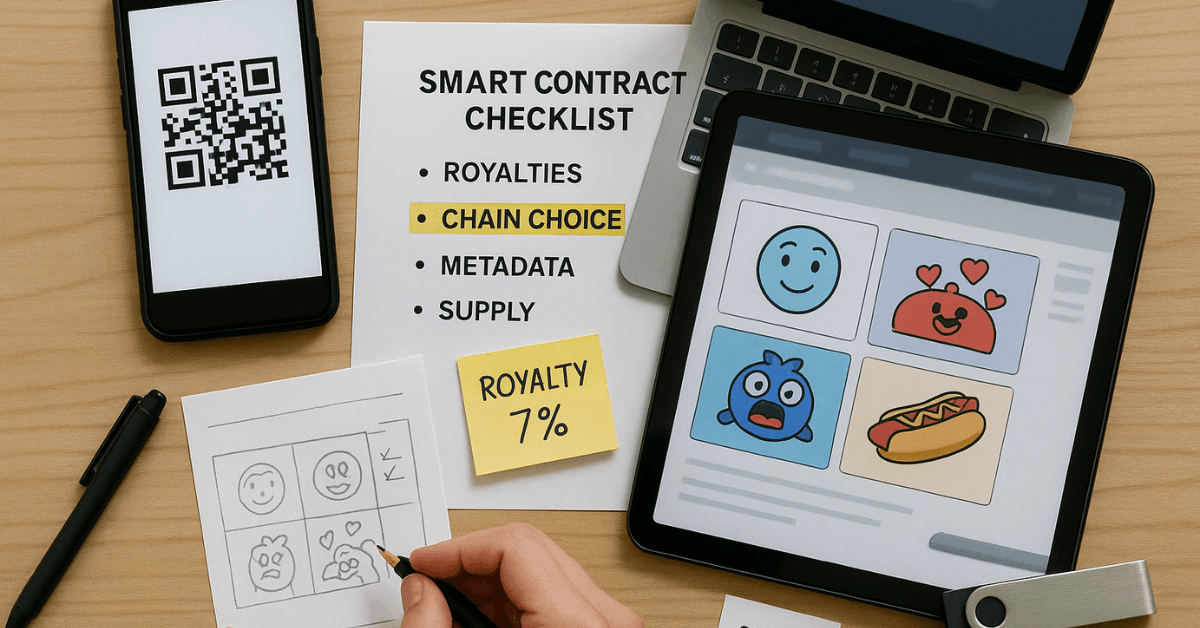
Many marketplaces implement smart contract royalties so creators receive a slice of secondary sales, often in the 5–10% range, though implementation varies by platform and can be optional.
Clear settings during minting and marketplace policy checks remain essential to avoid overestimating guaranteed payouts.
The Transformation Of Digital Art Sales
NFT rails lowered gatekeeping for digital art, letting creators sell directly while still reaching major auction houses.
Christie’s sold Beeple’s “Everydays: The First 5000 Days” for roughly $69.3 million in March 2021, signaling mainstream appetite for on-chain art.
Platforms such as OpenSea, Rarible, and Foundation continue to aggregate listings and collectors at scale. Sotheby’s also showcased early historical works including Kevin McCoy’s “Quantum,” originally minted in 2014 and later sold at auction, highlighting the archival role NFTs can play.
Challenges And Criticisms
Energy impact criticisms focused on proof-of-work networks; however, Ethereum’s 2022 transition to proof-of-stake cut estimated network energy use by about 99.9%, shifting the conversation toward chain selection and responsible tooling.
Market volatility persists, where attention waves and speculative cycles can swing prices far beyond fundamentals. Plagiarism and impersonation remain genuine risks when bad actors mint others’ files, making takedown processes, community verification, and timely watermarking worthwhile.
Policy clarity still evolves, as seen in legal tests around marketplace conduct and digital property definitions, reinforcing the need for conservative claims and strong documentation.
Digital Stickers In Messaging Apps: Adoption And Business Models
Sticker ecosystems thrive because low friction equals daily use. Telegram lets users and artists create static, video, and animated sets, including simple in-app tools and submission flows.
WhatsApp supports sticker sending across devices and recently added generative features for AI-assisted stickers, expanding creative options inside chats.
Business models range from free packs that drive engagement to paid or branded packs that support campaigns and creators.
Where Digital Stickers Meet NFTs
Convergence already shows up where collectible identity meets expressive media. Reddit’s Collectible Avatars are blockchain-based profile assets that behave like limited editions while serving social identity inside the platform.
Messaging companies also experiment with on-chain markets; LINE launched DOSI to enable global NFT trading, complementing its domestic LINE NFT efforts and hinting at future portability for creator goods beyond a single app.
As wallets integrate deeper, messaging app stickers can evolve into metaverse assets or token-gated packs, enabling cross-platform ownership and new fan experiences.
Practical Tips For Creators And Brands
As a creator, you can pair practical distribution with durable rights through measured steps.
Choose Energy-Efficient Chains Intentionally
Ethereum post-Merge, Polygon, Tezos, and Flow balance lower emissions with healthy marketplace access.
Check node requirements, wallet support, and bridge costs, then confirm secondary-market liquidity for your niche. Make sure sustainability claims match current network documentation, not outdated pre-Merge references.
Set Royalties Conservatively And Verify Enforcement
Smart-contract royalties around 5–10% keep trading friction reasonable while rewarding ongoing work.
Test enforcement on target marketplaces using a low-value pilot drop instead of assuming cross-platform honor. Document fee logic in plain language so collectors know exact splits at resale.
Audit Intellectual Property Before Minting Or Distribution
Confirm ownership of artwork, fonts, audio, and brand elements, including model and property releases.
Check trademark classes relevant to stickers and NFTs to avoid conflict with existing registrations. Keep signed licenses and provenance files organized to answer takedown notices quickly.
Align Channels For Reach And Monetization
Free or low-cost messaging-app stickers build audience scale and daily usage.
Premium NFTs can serve collectors seeking transferability, on-chain scarcity, and verifiable editions. Link both surfaces through consistent art direction, clear edition notes, and a shared drop calendar.
Add Utilities That Reward True Fans, Not Bots
Token-gated chats, redeemable perks, and limited edition airdrops can deepen loyalty when scoped carefully.
Cap supplies, set fair allowlists, and log snapshot dates to reduce farmed entries. Track redemption data and iterate benefits that fans actually use rather than inflating vanity metrics.
The Future Of NFTs And Digital Art Integration
Institutional recognition continues, with global auction houses staging on-chain sales and curators exploring hybrid exhibitions.
Research tracking technology trends placed NFTs on the 2021 Gartner Hype Cycle, and the subsequent years shifted focus from spectacle toward practical experimentation in games, loyalty, and identity.
Expect tighter bridges between social platforms, wallets, and marketplaces so assets move with fans rather than staying trapped in single apps. Rights clarity, safer marketplaces, and better consumer protections will matter more than headline prices as the sector matures.
Conclusion
Digital stickers cement daily expression, while NFTs formalize ownership and portability for digital goods.
Combining the two lets creators serve mass audiences inside chats and serious collectors on open networks at the same time.
Strong rights management, measured royalty assumptions, and chain choices that minimize energy use reduce risk and sustain momentum. A steady build toward interoperability will determine how far Digital Stickers and NFTs travel together in culture and commerce.