Disputed panini dditions often flare where money, licensing rights, and authenticity standards intersect. In fast-moving markets, rumors outpace contracts, and small details swing valuations dramatically.
Clear verification on licenses, print runs, and grading helps you buy confidently and negotiate from facts. Keeping a dispute checklist handy minimizes surprises and protects capital across physical and digital releases.
What Collectors Dispute Most
A few recurring friction points show up across forums, shows, and auction results. Keeping them front-of-mind reduces bad buys and strengthens negotiation margins.
1. Panini Licensing Disputes
Licensing shifts change what counts as fully licensed and where official logos appear across products. Verify current league and union rights prior to bidding, since rumor cycles often distort prices and perceived long-term value.
2. Digital Sticker Albums
Digital albums raise questions about transferability, platform continuity, and secondary-market depth compared with sealed wax.
Treat blockchain collectibles as speculative supplements and size positions conservatively until withdrawal and resale mechanics prove durable.
3. Misprint Error Cards
Value on misprint error cards swings widely because desirability depends on corrections, rarity, and documented sales. Confirm whether a corrected version exists, check population context, and rely on multiple comps rather than isolated spikes.
4. Authentication And Grading
Authentication and grading disputes often trace back to inconsistent labels, suspicious holders, or altered surfaces and edges. Validate certification numbers, examine corners under strong light, and compare slab features against issuer security guides.
5. Counterfeit Panini Stickers
Counterfeit Panini stickers and forged autographs trigger refunds, chargebacks, and marketplace penalties for sellers and buyers. Source items from established dealers, demand clear provenance, and use platform protections including escrow and insurance.
Licensing Flashpoints Shaping Value
High-stakes licensing changes influence what counts as “fully licensed,” which logos appear, and where rookie autos settle.
Collectors like you should separate rumor from contract facts, since wrong assumptions lead to overpaying near expirations or underpricing during release gaps.

Exclusive arrangements with leagues and players associations decide who prints official cards, while side deals with individual rookies complicate draft-class chasing. Monitoring court filings and league announcements gives the cleanest read on future supply.
NBA And NFL Licenses Changing Hands
Panini has held the exclusive NBA card license since the 2009–10 season and the NFL since 2016, with union deals noted to expire in 2025 and 2026.
Fanatics secured long-term arrangements with leagues and players associations, acquired Topps in January 2022, and is slated to become the exclusive NBA and NFL licensee as current terms roll off.
These exclusive licensing deals are central to active litigation and to short-term pricing of late-cycle releases.
Player Image Rights And Rookie Exclusives
Allegations in current cases include signing rookies to exclusives and pressuring supply chains, which collectors interpret as potential constraints on on-card autos and game-worn content.
Disputed statements from both sides underscore how quickly perception can swing on release calendars and checklists. Pricing young-star chases without verifying contract realities creates unnecessary exposure during transitions.
What To Do During License Transitions
Planning buys around confirmed timelines, not hobby rumors, matters more than ever. Track official league, union, and company releases; verify “final” seasons for brands; and document comp sales before and after announcements.
Litigation outcomes may reshape distribution, but disciplined entry points reduce regret if production mixes adjust.
Digital Platforms Versus Physical Albums
Debate over digital versus paper albums now mixes utility, ownership claims, and platform risk. Panini’s blockchain program mints licensed NFTs recorded on Hyperledger-based infrastructure, promoting verifiable ownership and non-duplication; critics remain unconvinced about long-run liquidity versus sealed wax.
Marketplace consolidation, plus moves like Fanatics’ spin-out and changes across the broader NFT field, adds noise to valuations.
Most seasoned buyers keep digital exposure measured while physical anchors the core collection, framing the conversation as SoRare vs Panini rather than either/or absolutism.
Misprints, Errors, And Variations
Print flaws, wrong backs, missing foil, or miscuts appear across modern production. Only corrected “true errors” tend to carry durable premiums; uncorrected flaws often behave like curiosities rather than blue-chip assets.
Smart bidders treat misprint error cards as case-by-case: verify whether a corrected version exists, check population data if any, and compare multiple sales rather than relying on a single spike.
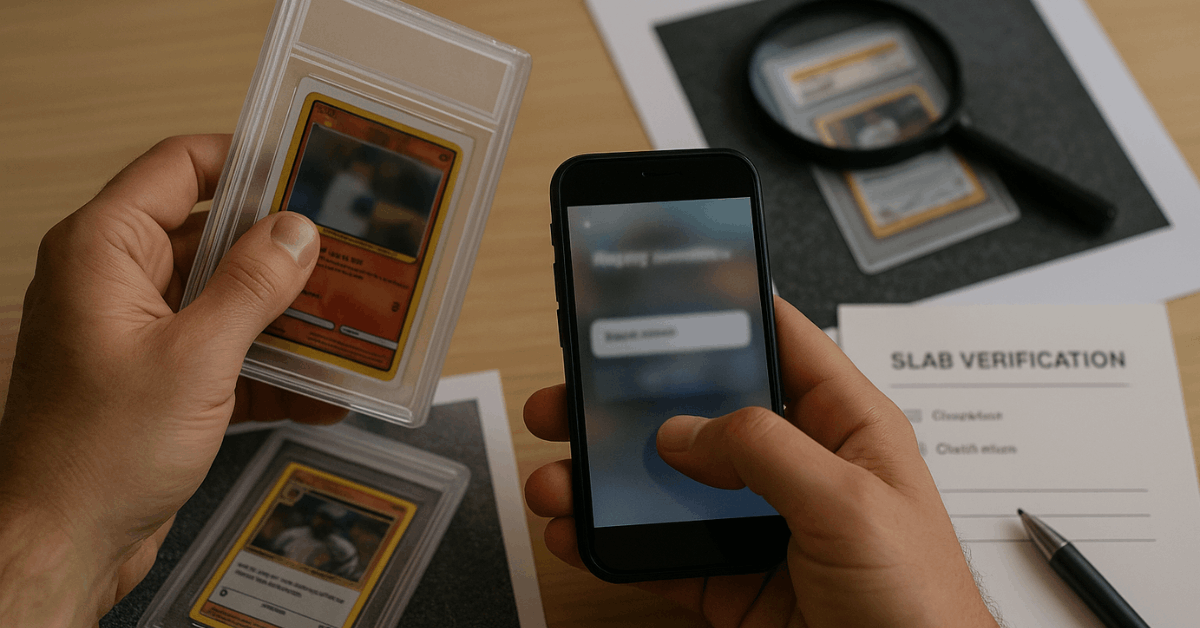
Authenticity, Forgeries, And Grading
Grading companies outline clear standards, centering, corners, surface, and emphasize tamper-evident holders and label security.
Despite safeguards, fake slabs, swapped labels, and altered cards still surface, especially around high-value rookies and vintage stars. Protecting capital demands a repeatable process: cross-checking cert numbers, scanning holder construction, and reviewing high-resolution edges for trimming.
Keeping receipts and provenance records also helps when disputes escalate. Reputable references for authentication and grading include PSA’s grading standards and security guides, alongside reporting on fake-holder schemes affecting the hobby.
A One-Page Dispute Map: Use Before Bidding
Short, pre-bid checklists cut through noise and keep negotiations grounded in facts rather than forum rumors.
- Licensing window: Confirm which company holds league and union rights for the release year; log any announced handover dates.
- Logos and likenesses: Verify official logos and player image rights for the set, especially late-cycle products.
- Printing anomalies: Distinguish corrected errors from ordinary flaws; fetch comparable sales across multiple venues.
- Digital claims: Read platform FAQs for ownership, transfers, and withdrawal mechanics before buying at premium.
- Slab security: Validate certification, holder features, and database records to avoid counterfeit Panini stickers and fake labels.
Where Legal Battles Fit In
Active suits shape supply assumptions and dealer behavior even before rulings arrive.
Panini alleges anticompetitive conduct and employee poaching tied to long-term exclusives, while Fanatics calls the Fanatics antitrust lawsuit claims baseless and says deals were won fairly.
Headlines influence sentiment around late-license products, so recorded timelines and official statements deserve more weight than speculative threads.
Conclusion
Disagreements around Panini products tend to concentrate in five zones: license transitions, digital adoption, printing quality, authenticity controls, and condition standards.
Collectors like you reduce friction by anchoring bids to verifiable licensing facts, treating most flaws as neutral unless corrected, and validating slabs with vendor databases and high-quality images.
A measured posture toward digital assets, paired with documented provenance on physical cards, keeps collections resilient when debates flare.