Sports icons often build archives that tell their stories in trophies, jerseys, and personal artifacts.
This guide explains what sits inside famous players’ private collections, why it matters, and how parts of those archives reach the public.
You will see how museums, foundations, and exhibitions convert private keepsakes into educational resources and cultural landmarks. Every example below draws on official websites and trusted institutional sources to ensure accuracy and relevance.
How Private Collections Work and Why They Matter
Private collections usually begin as locker-room keepsakes and championship mementos that grow across an athlete’s career.
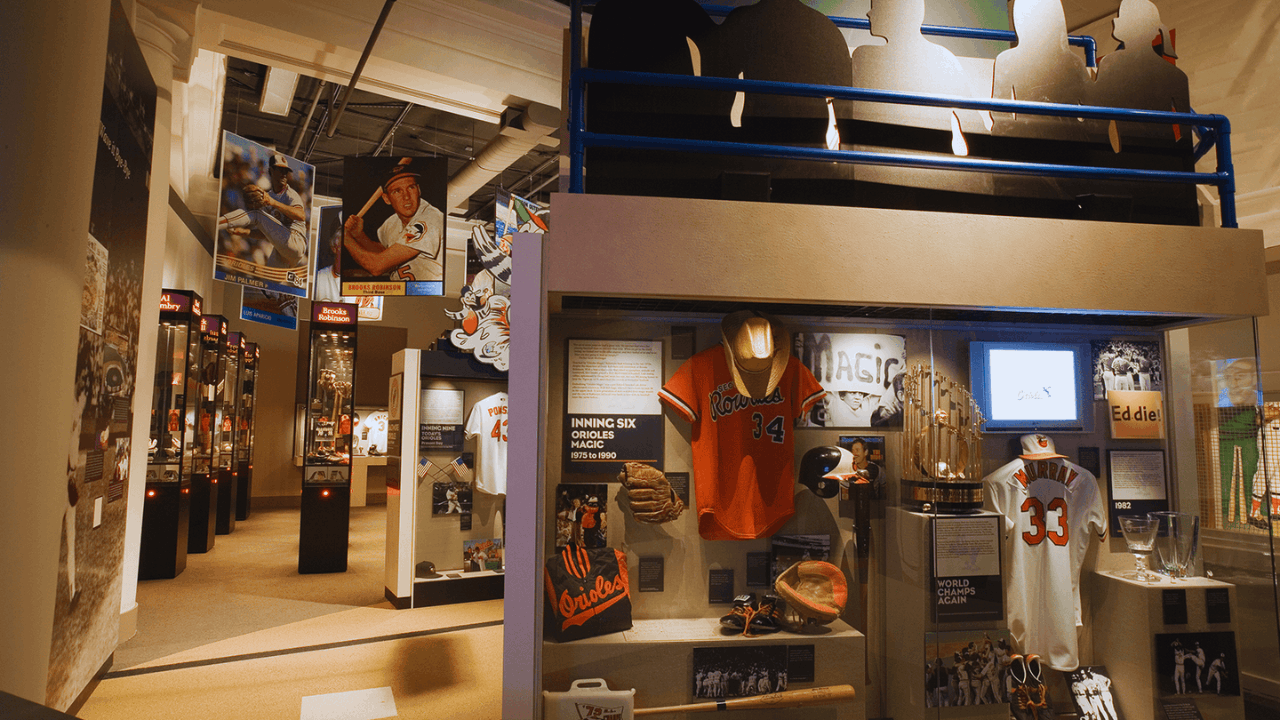
Over time, families, foundations, and partners catalog items, create climate-controlled displays, and open portions to the public.
These collections preserve context around records, rivalries, and milestones that fans otherwise only glimpse on highlight reels.
When curated well, they extend an athlete’s legacy into a living classroom for future generations.
What Counts as a “Private Collection”
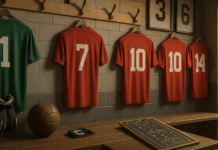
A player’s private collection typically includes trophies, match-worn apparel, equipment, medals, and personal documents.
Many athletes also save training gear, early-career items, and signed exchange jerseys from peers they faced or admired. Some archives expand with awards, commemorative gifts, and artifacts donated by teammates and opponents.
The scope reflects the athlete’s journey and the relationships formed around competition and community.
Why Athletes Keep and Share These Items
Players keep artifacts to document effort, honor mentors, and transmit values to family and fans. Displaying the items publicly helps authenticate pivotal moments and invites people to learn from real objects, not just statistics.
Museums and official venues add conservation, interpretation, and safe access for visitors and researchers.
Partnerships with cities and universities also anchor the athlete’s story in a local cultural map that benefits tourism and education.
10 Iconic Examples and What They Keep
This section profiles 10 widely documented collections across football, tennis, boxing, hockey, and Formula 1.
Each profile highlights what is preserved and the primary reason the player or estate shares it. The examples also show different models, from personal museums to university exhibitions and charity auctions.
Together, they map how private archives turn into public resources without losing their personal meaning.
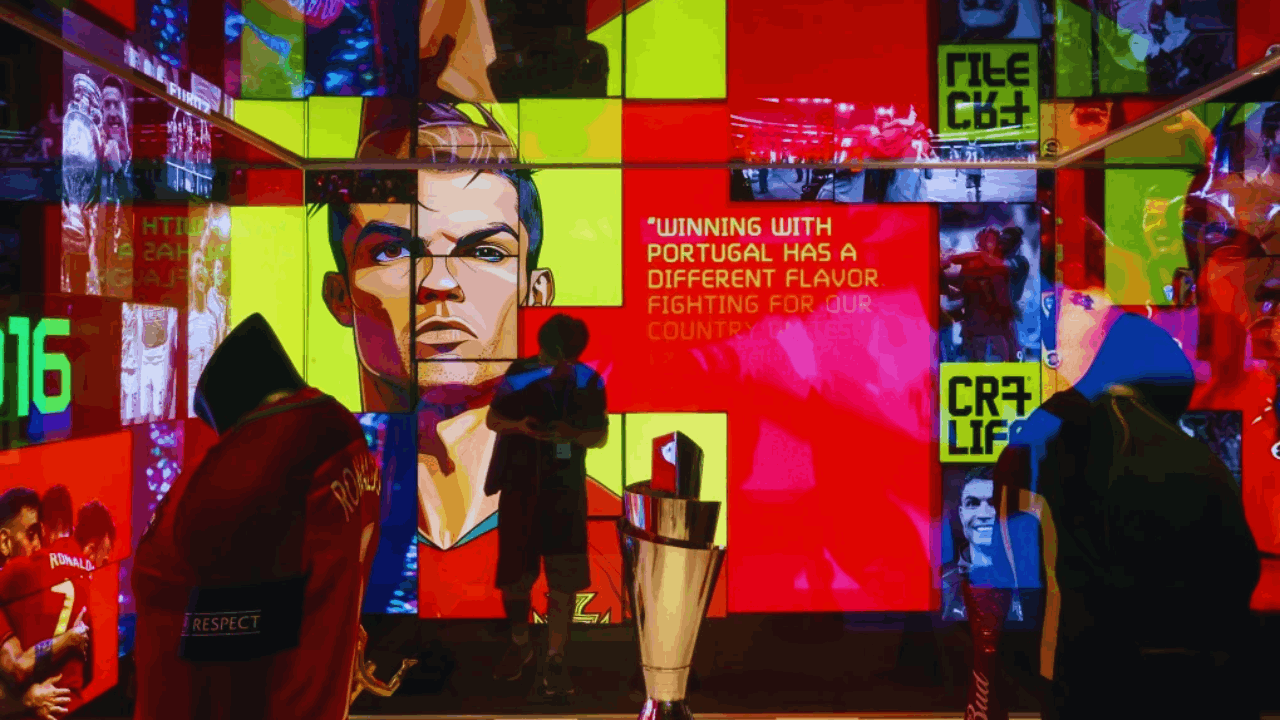
Cristiano Ronaldo: CR7 Museums and Signature Displays
Cristiano Ronaldo’s official museum experiences present trophies, career milestones, and a curated timeline of his journey. The CR7 “Signature Museum” describes highlighted club and individual trophies alongside a walk-through of his story.
These displays keep his accolades together so fans can see the progression from youth awards to major titles in one narrative.
They exist to celebrate achievement, inspire visitors, and maintain an authenticated record of his career.
Pelé: The Pelé Museum in Santos
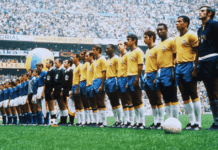
The Pelé Museum in Santos houses artifacts that chart Pelé’s life and impact on football from youth to global legend.
The official tourism and city portals describe a dedicated complex where the “King of Football” is remembered through exhibits and memorabilia.
This institutional home preserves fragile items linked to Brazil’s football heritage and Pelé’s community roots. It exists so future generations can study original objects rather than rely on reproductions or anecdotes.
Rafael Nadal: Trophy and Equipment at Rafa Nadal Museum Xperience
The Rafa Nadal Museum in Manacor exhibits Nadal’s trophies and equipment used in historic wins, alongside items donated by other great athletes.
Official pages emphasize an exhibition room that captures his career from childhood to recent triumphs.
The museum keeps gear and awards visible to explain the work behind dominance on clay and beyond. Its purpose is education, inspiration, and a precise, first-source record overseen by Nadal’s organization.
Novak Djokovic: Trophy Room at Novak Tennis Center
Belgrade’s official tourism sites describe a trophy room at the Novak Tennis Center that contains most of Djokovic’s career trophies.
This space offers a concentrated view of his titles inside the complex he and his family established for training and community programs.
Keeping the silverware together documents progression from junior success to major championships in his home city. The display’s intent is local pride, public access, and a reliable, centralized archive.
Michael Schumacher: Private Collection at Motorworld Cologne
The Michael Schumacher Private Collection is a permanent exhibition featuring his Formula 1 cars, karts, trophies, and rare memorabilia.
The official Motorworld site details a free-entry display that revives historic racing moments through original objects from Schumacher’s own holdings.
The collection preserves the technical and human narrative of a seven-time world champion in one curated environment. It exists to inform, inspire, and authentically memorialize record-setting excellence in motorsport.
Roger Federer: Personal Archive Auctioned for Charity
Christie’s documents “The Roger Federer Collection,” an official sale of 300 lots that charted his career from the early 2000s to 2021.
Auction materials describe match-worn apparel, rackets, and other items released to benefit the RF Foundation’s education projects. The event showed how a private archive can be mobilized for philanthropy without losing provenance and context.
Federer’s approach demonstrates transparency and purpose while allowing fans to steward pieces of history.
Muhammad Ali: Artifacts and Legacy at the Ali Center
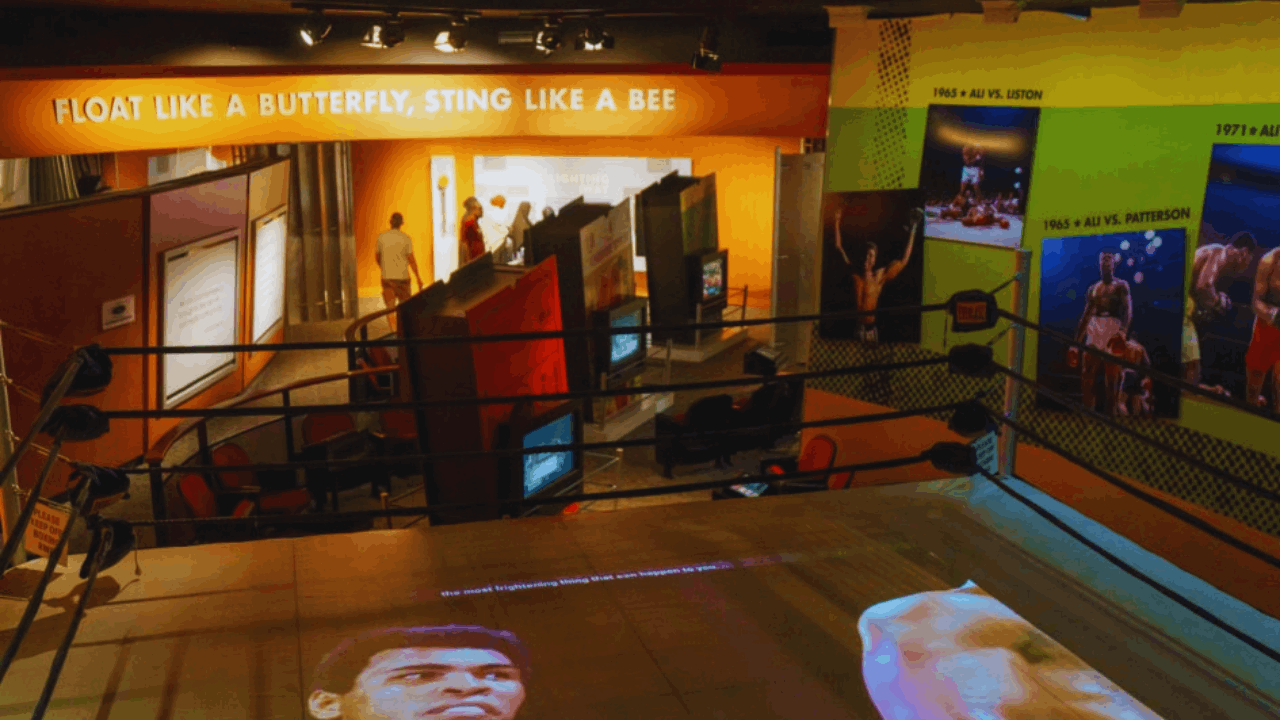
The Muhammad Ali Center in Louisville presents permanent exhibits and rotating features that mobilize Ali’s life and humanitarian legacy.
Official pages outline immersive galleries and artifacts that anchor pivotal moments of his boxing career and public service. New exhibits continue to integrate personal items and contextual storytelling as the institution reaches milestone anniversaries.
The Center preserves objects to teach values, document history, and engage communities in civic dialogue.
Wayne Gretzky: Tribute Area and Hall Inside His Hometown Complex
Brantford’s city and sports-hall sites confirm a museum-style space inside the Wayne Gretzky Sports Centre that recognizes local heroes, including a Gretzky tribute area.
The hall displays artifacts and memorabilia spanning careers, providing free public access within the arena complex.
Housing items on site keeps Gretzky’s story tied to place and community identity where his journey began. The rationale is education, inspiration, and easy access for residents and visiting fans alike.
Ayrton Senna: Family Stewardship and Major Exhibitions
The Ayrton Senna legacy includes a curated body of cars, racing suits, helmets, and documents that appear in official exhibitions with family backing.
In 2024, the “Ayrton Senna Forever” show at Italy’s MAUTO presented significant cars from his career alongside the most complete sets of his suits and helmets, reinforcing the scope of preserved originals.
Senna’s official site also documents initiatives that display personal items in curated settings, connecting artifacts to education and community programs.
Babe Ruth: Birthplace Museum and Interpreted Legacy
The Babe Ruth Birthplace and Museum in Baltimore preserves artifacts and tells Ruth’s story through exhibits developed with direct family involvement and ongoing institutional stewardship.
Its official materials describe how the museum interprets Ruth’s life and maintains collections for research, education, and public access in the city where he was born.
Housing items in a dedicated venue keeps fragile memorabilia protected while anchoring the narrative in local history. The motivation is to conserve originals responsibly, teach baseball heritage, and keep the player’s cultural impact accessible to visitors.
Why They Keep It: Motivations, Meaning, and Education
Athletes cite legacy, family history, and civic responsibility as reasons to maintain and share their collections.
Some spaces are built near where a career began, linking personal milestones to local identity and youth programs.
Others integrate philanthropy by using objects to fund education or social projects through ticketing or auctions. Across models, the common thread is turning personal achievement into shared cultural capital.
Legacy and Place
Locating collections in a birthplace or training center roots the story where it started and invites community ownership. City-run venues and tourism bodies help maintain access and embed exhibits in regional cultural routes.
This approach strengthens authenticity by pairing personal artifacts with local narratives people recognize. Visitors gain more than nostalgia; they gain a documented sense of why a career mattered to a city.
Philanthropy and Learning
Some collections directly support foundations or educational missions through admissions, programming, or benefit auctions. This model channels public interest into measurable outcomes for youth and community development.
Transparent governance and clear beneficiary reporting help fans see how history funds the next generation. Documentation from official portals and auction houses underpins credibility for donors and buyers alike.
Conclusion
The best famous players’ private collections are more than rooms of trophies because they teach, commemorate, and serve communities. Museums and official venues protect fragile objects while framing them within values that outlast careers.
By using official sources and visiting responsibly, you can experience sports history as the athletes chose to preserve it, with context that turns memories into enduring knowledge.