The FIFA World Cup is the biggest sporting stage, watched by millions across the globe. At the heart of every tournament lies the official ball, a tool that carries history and innovation.
Each design represents the culture of the host nation and the technological standards of its time.
This article explores how official World Cup balls evolved, highlighting their impact on both the game and its fans.
The Early Years – Foundations of the Official Ball
The first decades of the World Cup featured basic designs with limited technology. These early experiments laid the groundwork for modern standards.
1930 Tiento and T-Model
The inaugural World Cup in Uruguay used two different balls in the final. Argentina preferred the Tiento, while Uruguay brought the heavier T-Model.
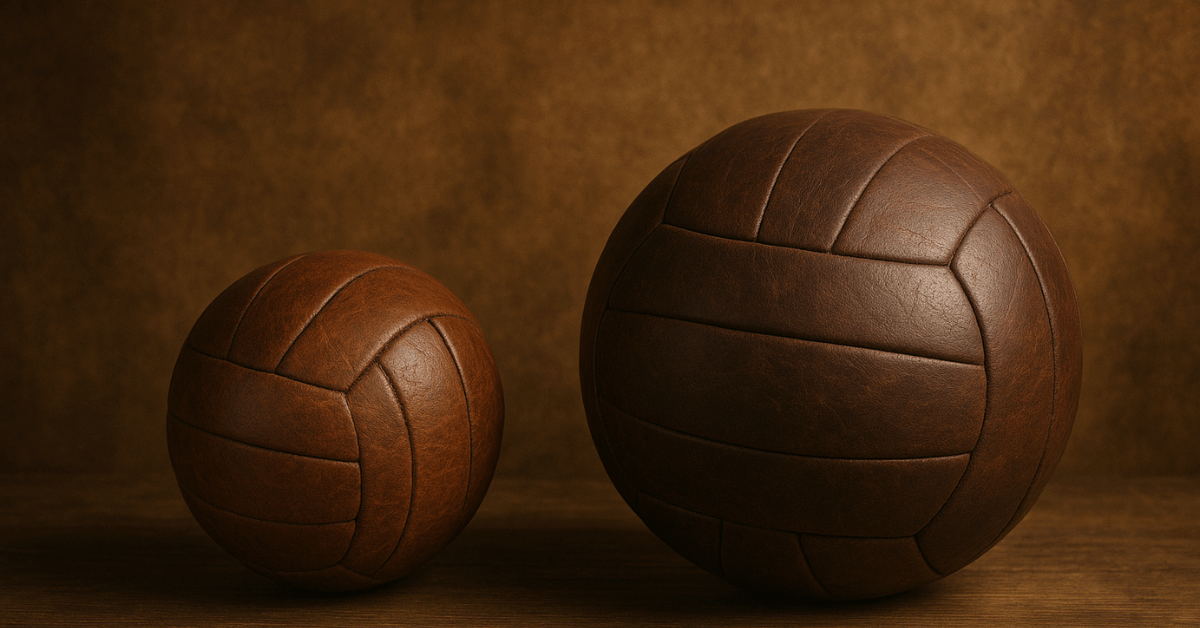
After halftime, Uruguay switched the ball and eventually won the match. This lack of standardization showed the need for an official supplier.
1934 and 1938 Leather Constructions
The next tournaments relied on hand-sewn leather balls. These became heavy when wet, making control difficult for players.
Performance was inconsistent, and injuries were more likely due to the weight. FIFA recognized the need for improvement to ensure fairness and safety.
Adidas Era – Standardization and Global Branding
From 1970, Adidas became the exclusive supplier of World Cup balls. This partnership introduced consistency and global marketing power.
1970 Telstar – The First Icon
The Adidas Telstar changed football forever. Its 32 black-and-white panels improved visibility on black-and-white televisions.
The design became the most recognized pattern in football history. Telstar set the tone for all future World Cup balls.
1974 Telstar Durlast
The next edition introduced water-resistant coating. This helped maintain performance even in wet conditions.
Durability increased, and the ball became suitable for mass production. It was the first step toward modern synthetic improvements.
Expansion of Branding
Adidas used the World Cup to expand its global presence. The ball was no longer just equipment but a marketing icon.
Replicas were sold to fans worldwide, strengthening brand loyalty. From this point, the official ball became both a sporting tool and a cultural product.
Technological Innovations Across the Decades
Ball design shifted rapidly during the 1980s and 1990s. Synthetics replaced leather, and cultural themes defined designs.
1982 Tango España
The Tango España used bold geometric graphics. It carried symbolic meaning, reflecting passion and unity.
The ball also improved water resistance and roundness. Fans and players praised its balanced performance.
1986 Azteca
The Mexico tournament introduced the Azteca. It was the first fully synthetic ball, eliminating leather completely.
The design honored Mexican culture with Aztec-inspired artwork. This blend of culture and technology became a defining trend.
1990 Etrusco Unico
Italy’s World Cup showcased the Etrusco Unico. It featured motifs from ancient Italian art.
Technical improvements focused on waterproofing and durability. The ball also influenced future designs in both aesthetics and performance.
Modern Era – High-Tech and Controversies
By the 2000s, balls became aerodynamic experiments. Some were celebrated, while others sparked controversy.
2002 Fevernova
The Fevernova stood out for its triangular golden design. It symbolized Asia’s modernization during the Korea-Japan World Cup.
Adidas introduced new materials for better accuracy and rebound. Players noted it was lighter than past balls.
2006 Teamgeist
The Teamgeist reduced panels from 32 to 14. This made the ball rounder and more predictable.
Its clean design matched the sleek image of Germany’s World Cup. Players praised its stable performance.
2010 Jabulani
The Jabulani became infamous for its unpredictability. Goalkeepers complained about its flight path, calling it “a nightmare.”
Scientists later confirmed its unique panel structure caused instability. Despite criticism, it remains one of the most memorable designs.
Recent Developments and Smart Technology
Newer tournaments introduced advanced technology. Balls became part of data-driven football and sustainability efforts.
2014 Brazuca
Brazil’s Brazuca won praise for stability and design. Its six-panel construction gave consistent flight and control.
The colorful look reflected Brazil’s culture and energy. Players and fans considered it one of the best modern balls.
2018 Telstar 18
Russia’s World Cup revived the classic Telstar name. It included an NFC chip, allowing fans to interact via smartphones.
The design honored the 1970 original while adding modern features. This mix of tradition and technology defined the tournament.
2022 Al Rihla
Qatar’s Al Rihla introduced semi-automated offside technology. A sensor inside tracked ball movements in real time.
Sustainability was also emphasized, with eco-friendly materials. It represented football’s future: digital, sustainable, and precise.
Cultural and Commercial Impact of World Cup Balls
The official ball is more than a piece of equipment. It is a global icon that represents history, culture, and commerce.
Global Marketing and Collectibles
Each World Cup ball becomes a collectible item. Fans worldwide purchase replicas as souvenirs.
Limited editions and match-used balls reach high values. The ball creates a bond between the game and its supporters.
Sponsorship and Identity
Adidas built its identity around the World Cup ball. Every design reflects the host country’s heritage.
From Aztec art to Brazilian patterns, culture plays a central role. This identity strengthens both the brand and the tournament’s image.
Memorabilia Market
The memorabilia market values official balls highly. Auction houses sell match-used versions for large sums.
Collectors see them as pieces of football history. Their cultural and financial worth grows with every tournament.
Criticisms and Controversies
Not all designs have been universally accepted. Some created debates about performance and priorities.
- Aerodynamics: Balls like the Jabulani were heavily criticized by players.
- Durability: Some designs struggled in extreme conditions.
- Marketing vs. Function: Critics argued that visual design sometimes outweighed performance.
- Player Adaptation: Short preparation periods often led to frustration.
Future of Official World Cup Balls
Looking ahead, innovation will focus on sustainability and digital integration. Fans and players can expect major advancements.

- Recycled Materials: Greater use of eco-friendly components.
- Data Integration: More advanced sensors linked with VAR and tracking.
- AI-Driven Design: Computational tools shaping aerodynamics.
- Fan Engagement: Digital features connecting fans directly to the ball.
These innovations will shape how future tournaments are played and experienced.
Conclusion – A Legacy Kicked Forward
The evolution of World Cup balls shows how sport and culture move together. Each design reflects its time, combining technology with identity.
For fans, the ball is more than an object; it is part of football’s shared memory. As future tournaments arrive, the official ball will continue to unite tradition and progress.