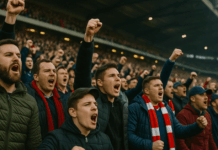
South American football fandom is living folklore. Songs, drums, banners, and rituals knit neighborhoods to clubs and nations.
From Buenos Aires to Bogotá, hinchadas and torcidas create a shared code. It blends music, choreography, local history, and sometimes politics.
Roots and names: barras, torcidas, hinchadas
The labels vary by country. Argentina uses barras bravas, Brazil torcidas organizadas, and Chile or Colombia speak of barras or hinchadas.
A key idea is aguante: steadfast presence and honor. It defines who leads chants, carries drums, and organizes away trips.
Brazil saw early formal groups in the mid-20th century. Bands, uniforms, and flags gave birth to a musicalized model of support.
The soundscape: drums, contrafacta, street traditions
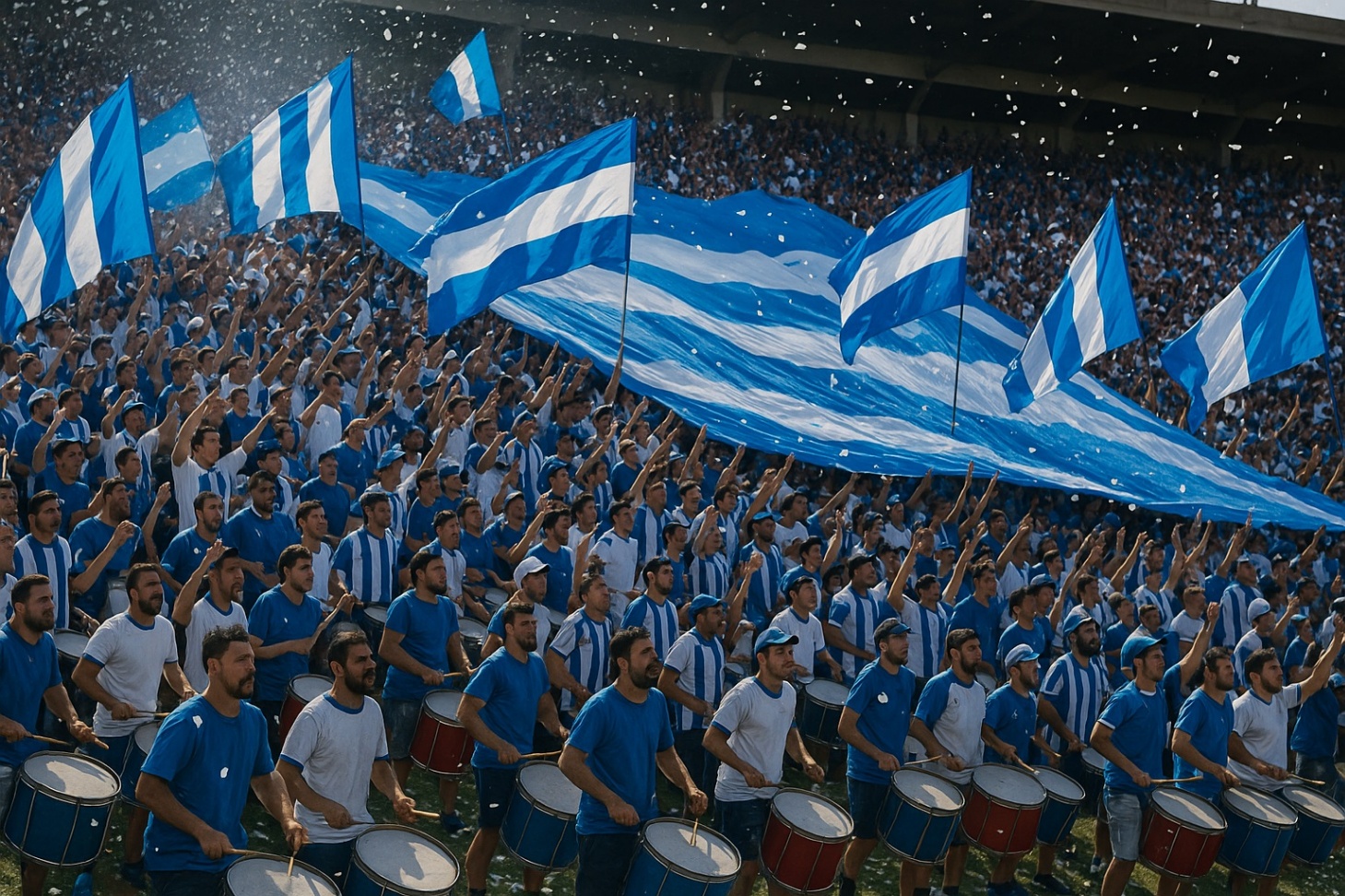
Percussion drives the stands. Bombos, redoblantes, and bass drums hold the pulse while thousands sing.
Chants often use contrafacta—new lyrics on familiar tunes. Tribute songs, travel lore, and taunts spread fast once a melody sticks.
Digital messaging accelerates composition and diffusion. Voice notes, lyrics, and arrangements jump across barrios in hours.
Uruguay adds carnival roots to the mix. Murga and candombe rhythms shape pre-match parades and terrace cadences.
These sounds carry neighborhood memory into stadiums. The result is a distinct regional soundscape recognized well beyond match days.
Colors, cloth, and choreography
Visual display is its own language. Tifo, trapos, and telones cover terraces with histories and claims.
Making them is community work. Fans paint, sew, repair, and store clothes in clubhouses and garages.
Brazil’s early torcidas codified organized pageantry. Flags, drumlines, and coordinated entrances became derby signatures.
In Chile, major barras link stadium art to civic life. Post-dictatorship youth cultures turned banners and marches into identity tools.
Creativity and conflict can coexist. The same groups that choreograph breathtaking displays may draw sanctions when lines are crossed.
Rituals and devotion
Supporter folklore often borrows sacred forms. The Iglesia Maradoniana in Rosario formalized playful “commandments” and anniversaries.
These practices show devotion spilling beyond stadium walls. Memory and gratitude become public rites tied to football heroes.
Women’s groups and family peñas expand the repertoire. New voices reshape song choices, banner themes, and safety agendas.
Their presence pressures institutions to adapt. Clubs and authorities face demands for accessibility and protection without dulling expression.
Borders of folklore: rules, security, and sanctions
Spectacle now lives under stricter rules. Tournament regulations restrict pyrotechnics, address discrimination, and define club responsibility.
High-profile incidents keep enforcement in view. When large traveling contingents arrive, security plans must meet distinct fan customs.
National approaches differ. Brazil’s Estatuto do Torcedor sets rights, obligations, and transparency standards.
Argentina limited visiting fans for years after violence. Authorities have tested phased returns under strict conditions.
The policy dilemma is constant. How do you preserve color and sound while reducing risk?
Country sketches
Argentina & Uruguay. The aguante ethos structures roles, songs, and loyalty. Uruguay’s murga/candombe imprint gives Montevideo terraces a unique swing.
Brazil. Torcidas grew from carnival-style bands to formal associations. Bylaws, logistics, and the Estatuto framework shape today’s matchday.
Chile. Barras like Los de Abajo and Garra Blanca act as social actors. Their stadium practices intersect with street mobilizations.
Colombia. Large associations run community wings and youth projects. Sanctions still arise when crowd dynamics turn volatile.
Folklore as living archive
The repertoire is an archive in motion. Old melodies gain new verses as squads change and legends rise.
Banners store itineraries and memories. Each city leaves a mark stitched into fabric.
Municipal culture programs sometimes embrace this heritage. They frame terrace arts as local patrimony, not mere stadium “noise.”
Legal texts curate the archive from another angle. They decide which instruments, cloth sizes, and materials can enter the grounds.
What endures
Despite surveillance and rules, the core survives. Collective singing and layered percussion still define South American stands.
Cloth and color still choreograph identity. Fans time drumlines to kickoffs and patch flags before dawn.
Belonging is learned weekly. Buses become rehearsal rooms; garages turn into workshops; plazas host pre-match rites.
The folklore adapts, but its function holds. It names a “we” that stretches from the street to the terrace and back again.
Here’s a balanced view of the folklore around South American supporters.
Pros and Cons
Pros
- Community identity and belonging. Shared chants, banners, and rituals create strong ties among fans, neighborhoods, and clubs, reinforcing social cohesion.
- Cultural preservation and creativity. Local rhythms (e.g., murga, candombe), colors, and choreographies keep regional traditions alive and encourage constant musical and visual innovation.
- Matchday atmosphere and spectacle. Percussion and coordinated displays heighten drama, enhance the player experience, and differentiate South American football worldwide.
- Intergenerational transmission. Skills like drumline leadership, banner-making, and chant-writing are taught informally, passing craft and memory from older fans to younger ones.
- Tourism and economic spillovers. Big games and vibrant terraces attract visitors, boost hospitality revenue, and amplify club brands internationally.
- Social projects and outreach. Many groups run food drives, youth initiatives, or community events that channel fan energy toward local needs.
- Collective discipline and resilience. The code of aguante (endurance/steadfastness) can promote commitment, punctual organization, and sustained support in difficult seasons.
- Democratization of authorship. New chants and displays often emerge from the crowd, letting ordinary fans shape the club’s live narrative.
Cons
- Risk of violence and disorder. Rival encounters, away travel, or leadership disputes can escalate into confrontations, drawing sanctions and straining public security resources.
- Exclusionary dynamics. Strict informal hierarchies may marginalize newcomers, women, or families, limiting broader participation if clubs and authorities don’t intervene.
- Pressure on public space. Large pre-match gatherings and parades can disrupt transport, policing capacity, and neighborhood life.
- Regulatory conflicts. Pyrotechnics, overcrowding, and prohibited materials clash with safety codes, leading to fines, closures, or stadium capacity reductions.
- Politicization and co-optation. Some groups can be drawn into political patronage or club power struggles, blurring lines between support, influence, and intimidation.
- Financial burdens. Constant production, storage, and transport of flags and instruments cost money; fundraising pressures can create internal disputes.
- Online amplification of extremes. Messaging groups and social media can spread aggressive lyrics or misinformation faster than leaders can moderate.
- Brand and broadcast risk. Incidents tied to fan behavior may harm club reputation, jeopardize sponsorships, or trigger tournament sanctions.
Conclusion
South American supporter folklore blends music, color, ritual, and law. It links streets, neighborhoods, and clubs through weekly practice.
The repertoire evolves with new chants, banners, and roles. Regulations shape the stage but do not erase core expressions.
What endures is collective authorship. Fans keep writing this tradition—one drumline, one verse, one away trip at a time.