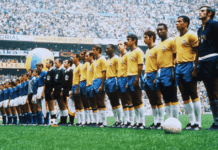
Football began as a local passion before screens became an integral part of daily life. The impact of television on football’s popularity made the game accessible to millions outside stadiums.
Broadcasting turned football from regional entertainment into a global force. This article explores how television shaped football’s reach, culture, and future.
Early Days of Football on Television
The earliest broadcasts of football were limited and experimental. Television struggled with technology, poor picture quality, and short reach.
Clubs doubted its effect, fearing empty stadiums. Still, the curiosity of fans grew steadily with each televised match.
First Broadcast Experiments
The first live broadcasts were short, focusing on finals or national matches. These events marked the beginning of televised football.
Audiences quickly grew curious, wanting more regular access. Television proved it could connect fans who were far from the stadiums.

Challenges and Resistance
At first, federations resisted, fearing ticket revenue loss. Technical barriers made broadcasts unreliable.
Fans, however, demanded access and pushed networks to expand coverage. Gradually, television overcame these early hurdles.
Television as a Driver of Growth
It made football more than a stadium-based event. By bringing the game into homes, it expanded fandom far beyond local areas.
Families began gathering around TV sets, turning matches into shared rituals. Football became part of everyday life for millions.
Expanding Fan Bases
Television coverage grew fan communities across regions. Local clubs became nationally known, and national teams became symbols of pride.
Accessibility removed geographic limits. Stadium size no longer defined popularity.
The Match-Day Experience at Home
Fans experienced games with replays, commentary, and multiple camera angles. This brought new perspectives that stadium viewers lacked.
Commentary added context and drama. Football became both visual entertainment and education for fans.
The Role of Live Broadcasting
Live coverage was a turning point for the sport. The immediacy created stronger excitement and deeper emotional bonds.
Major events like the World Cup drew record-breaking audiences. Television became the primary way people engaged with football.
Landmark Events on Screen
Television created historic football moments that reached global audiences. These broadcasts shaped how fans remember the sport and connected millions in real time.
- World Cup 1970 introduced color TV to football audiences.
- Champions League finals showed the power of global broadcasts.
- Domestic leagues built reputations through weekly live coverage.
Each broadcast created new records of viewership and engagement.
Sponsorship and Advertising
Television gave companies direct access to millions of fans. Football clubs gained massive new revenue streams through sponsorships.
Advertising during matches reshaped the financial system of the sport. Money from TV fueled player wages and global campaigns.
New Revenue Systems
Sponsorship logos appeared on shirts and stadium banners. Broadcasters sold ad slots at premium prices.
Clubs gained international partners for long-term growth. Television built the foundation for modern football’s business model.
Television and Football Icons
Television turned players into celebrities. Frequent broadcasts gave fans repeated exposure to their favorite stars.
Interviews, highlights, and replays amplified their reputations. Footballers became global brands as well as athletes.
The Rise of Star Culture
Pele, Maradona, and later Ronaldo and Messi reached billions through TV. Their skill was replayed, analyzed, and celebrated worldwide.
Fans began identifying with players, not just clubs. The game became centered around individual icons.
Major Tournaments on TV
Tournaments thrived on television coverage. They transformed into national and global events.
Families and communities planned around broadcast schedules. These tournaments created unforgettable shared experiences.
World Cup as a Spectacle
The World Cup was the biggest stage for televised football. Each edition set new audience records.
Matches became global celebrations. Television made the World Cup the most watched sporting event in the world.

Cultural Shifts Through Television
Television reshaped football culture in homes and public spaces. Fans gathered in bars, cafes, and squares to watch together.
Commentators and pundits influenced how people understood the game. Watching football became a global social ritual.
Economic Impact of Broadcasting
Television rights transformed football’s economy. Broadcasters paid billions to secure contracts.
Clubs grew richer, but financial gaps between teams widened. Broadcasting money became both a benefit and a source of inequality.
Scheduling and Rules
Television shaped when and how football was played. Kickoff times adjusted to fit TV audiences across regions.
Tournament structures changed for maximum exposure. Even refereeing tools like instant replays and VAR came directly from television influence.
Global Expansion Through TV
Television introduced football to countries without long traditions in the sport. Satellite and cable broadcasts expanded their reach in Asia, Africa, and North America.
Clubs gained global fan bases. Football turned into a universal language through television.
From Free-to-Air to Digital Platforms
The transition to pay-TV limited accessibility for some fans. Dedicated sports channels emerged, offering full coverage.
Digital platforms and streaming brought football to new generations. Today, viewing habits are shifting toward personalized, on-demand content.
Challenges Created by Television
Television expanded football, but it also created challenges. These problems changed how fans and players experienced the game. Below is a list showing the main issues caused by television’s influence.
- Over-commercialization pushed away some loyal fans.
- Broadcast-driven schedules created pressure on player welfare.
- Ticket and merchandise prices rose with the flow of TV money.
- Critics argued the sport risked losing its grassroots identity.
Future Perspectives
Television’s role is evolving with technology. Augmented reality and interactive features will redefine viewing.
Fans expect personalized content and global access. Traditional broadcasters must adapt to survive in a digital-first world.
Final Reflections: Television’s Lasting Power
Television reshaped football from a local pastime into a global industry. The impact of television on football’s popularity remains one of the most important shifts in sports history.
It brought benefits, challenges, and cultural changes that continue today. As the game evolves with digital platforms, television’s legacy remains unmatched in its influence on football.