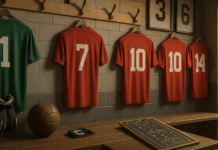
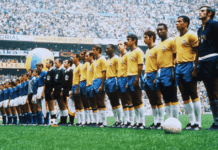
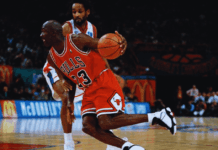
Football shirts were designed for identification and pride. Over time, they also became tools of speech—quiet uniforms turned into loud statements.
Around the world, players and fans have used jerseys, armbands, and kit designs to challenge decisions by governing bodies and push for social change.
The rules—and their limits
Law 4 of the game bans “political, religious or personal slogans” on kits and visible underlayers.
Sanctions can follow if officials judge a message to be political. In practice, interpretation shifts with context and timing.
The 2022 World Cup in Qatar made this visible.
European teams planned a multicolored “OneLove” armband. After threats of yellow cards, they backed down.
Denmark’s colour-of-mourning kit (Qatar 2022)
Denmark’s supplier released muted shirts before Qatar 2022. Logos were toned down, and a black third strip signaled mourning for migrant workers.
The design carried meaning without a printed slogan.
FIFA did not ban the kit, but debate was instant. The move also aligned with purpose-driven branding.
Message and marketing meet on the same fabric.
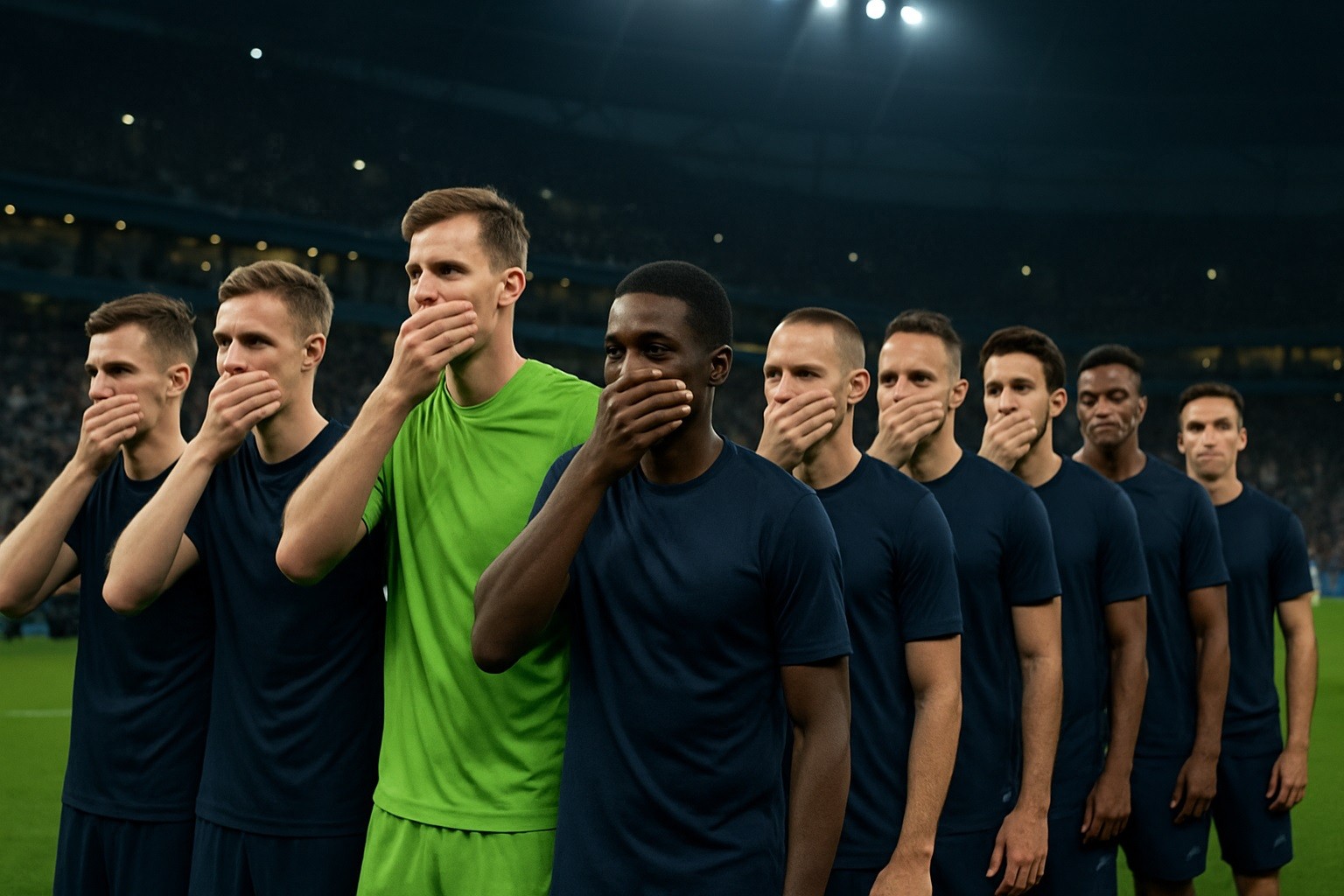
Germany’s hand-over-mouth gesture (Qatar 2022)
Germany’s starters covered their mouths in the pre-match photo against Japan. The team framed it as a response to restrictions on the armband.
The image defined the day more than the match.
No kit was altered, yet the shirts anchored the frame. A synchronized act by all eleven players amplified the point. Collective clarity carried the message.
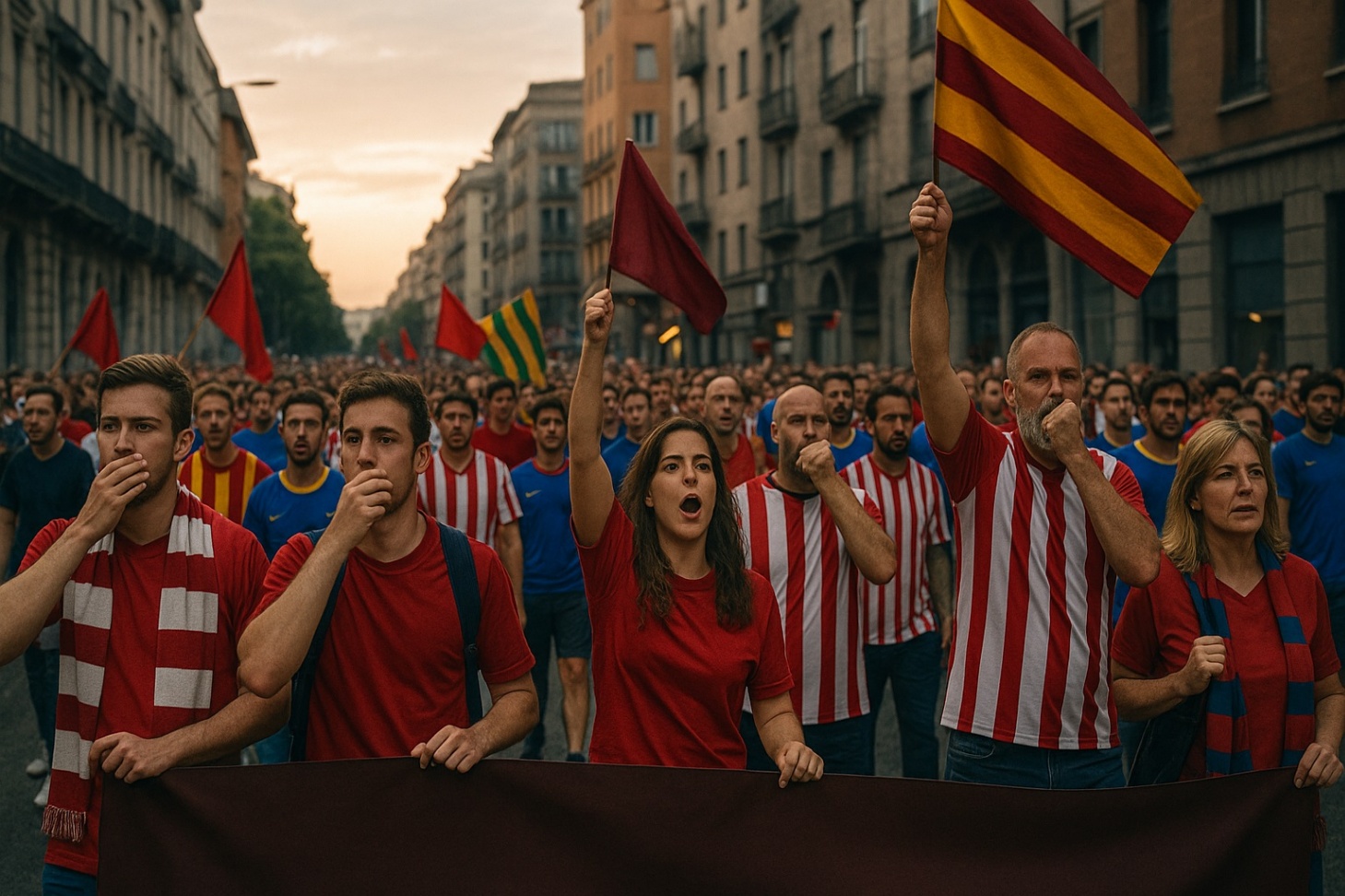
Iran’s national team amid protest (2022)
Protests in Iran after Mahsa Amini’s death spilled into football. Players had covered emblems in a friendly.
At their World Cup opener, they stood silent during the anthem.
By the next game, they sang under pressure. Fans’ shirts and scarves with protest messages were contested at stadium gates.
Kits became a battleground over national symbols and meaning.
USWNT’s inside-out jersey protest (2020)
The U.S. women’s team warmed up with jerseys turned inside out. The crest disappeared; four stars faintly showed.
The gesture answered a legal filing that minimized pay equity claims.
No sanctions followed. The image became iconic merchandise and a fundraising tool. It foreshadowed the 2022 settlement on equal pay.
When club colours move to the streets
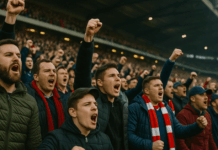
Shirts gain power when crowds wear them beyond stadiums. Supporter identities can become street identities.
- Turkey, Gezi Park (2013). Beşiktaş group Çarşı mobilized fast and visibly. Black-and-white shirts and Çarşı insignia turned club culture into dissent signals.
- Egypt, Arab Spring (2011). Ultras from rival clubs brought choreography, discipline, and courage to protests. Al Ahly’s red and Zamalek’s white kits marked the presence and resolve.
In both cases, kits worked as instant identifiers.
They fostered trust and recruitment. The same choreography of the terraces moved into public squares.
National colours as civic shorthand
Football designs sometimes merge with civic movements. In Catalonia, independence marches use the estelada and senyera colours.
Barça’s change strips echo the palette, creating visual continuity even outside match days.
Nigeria shows a different arc. The 2018 Super Eagles shirt became a global hit.
During #EndSARS, it resurfaced as a proud, visible symbol—repurposed by fans for protest.
What makes shirt protests land?
Collective clarity. Messages resonate when a full team acts together. Solo gestures rarely dominate headlines.
Visual simplicity. Black for mourning, covered crests, muted logos. Simple cues cut through noise and skirt outright bans.
Context and timing. World Cups and major friendlies multiply reach. Gestures tied to wider crises gain force.
Risk and enforcement. Threats of cards or fines shape choices. Teams seek workarounds that speak without breaking rules outright.
Message, market, and meaning
Modern shirts sit where conscience meets commerce. Denmark’s kit mixed remembrance and brand stance.
The USWNT’s warm-ups became products. Nigeria’s design earned a political afterlife it never planned.
These cases are not necessarily cynical. Shirts are media objects by design. Brands make them, federations police them, and the publics reinterpret them.
Greatest Impacts Shirts Have Made
Here are the biggest, most documented impacts football shirts have had when used for protest or resistance.
- Forcing rule clarifications and sanctions debates: Shirt-based gestures have pushed FIFA and leagues to restate or reinterpret Law 4 on “political” messages. The OneLove armband standoff at Qatar 2022 moved refereeing bodies to threaten immediate sporting sanctions, making equipment rules a headline issue rather than a footnote.
- Global awareness at peak moments: Minimal visual cues—black “mourning” kits, covered crests, or synchronized hand-over-mouth poses—turned pre-match images into worldwide news. Because World Cups and major finals draw massive audiences, a single team photo can frame the day’s narrative far beyond the match itself.
- Concrete wins in labor and equality campaigns: Kit gestures have reinforced wider campaigns that later delivered material outcomes. The USWNT’s inside-out crest protest became a durable symbol in the equal-pay fight and helped sustain sponsor, media, and public pressure that preceded a landmark pay agreement.
- Commercial and sponsorship pressure: When shirts carry dissent, sponsors react—public statements, conditional support, or quiet leverage behind the scenes. Brands have also used design choices (muted logos, black third strips) to signal values, showing that kit suppliers can amplify or legitimize the message.
- Mass mobilization beyond stadiums: Club colours turned up in street protests—most famously with Turkish and Egyptian supporter groups—providing instant identifiers, trust signals, and organizational cohesion. Shirts helped translate terrace choreography and solidarity into effective crowd action.
- Identity politics and civic symbolism: National or regional palettes (senyera tones in Catalonia; Nigeria’s beloved 2018 design) became shorthand for broader civic pride or grievance. Shirts served as portable flags—recognizable, photogenic, and hard to police without escalating tensions.
- Agenda-setting for media and institutions: Because kits are visually central, even subtle modifications force broadcasters, federations, and commentators to address the underlying issue on air. The result is agenda-setting: human rights, policing, or pay equity get discussed where they otherwise might not.
- Fan empowerment and participatory narratives: Supporters adopted and reinterpreted designs—printing their own versions, coordinating colours for marches, or buying protest-linked merch. This bottom-up energy gave movements staying power after the initial matchday gesture faded.
- Diplomatic ripples: National-team kit gestures have triggered official complaints, social-media flag controversies, and statements from governments. Shirts became proxies for broader disputes, raising the stakes far beyond sport.
Conclusion: Politics in the seams
Authorities can police slogans, not meanings.
Cover a crest, change a colour, or wear a jersey en masse, and a shirt becomes a billboard of resistance.
As long as football remains a global stage, the fabric on a player’s back will carry more than a number—it will carry an argument.