Football shirts are more than kits; they are cultural artifacts that reflect sport, business, and identity.
Sponsorships transformed shirts into global billboards, influencing both fans and brands.
Over decades, iconic logos became inseparable from legendary teams. This article explores sponsors that marked football shirt history and shaped its legacy.
The Birth of Shirt Sponsorship in Football
The introduction of sponsorship changed the way football operated financially. Early deals faced resistance but eventually became the norm.
The First Sponsorship Deals in the 1970s
In 1973, Eintracht Braunschweig signed a deal with Jägermeister. This marked the first logo to appear on a professional football shirt.
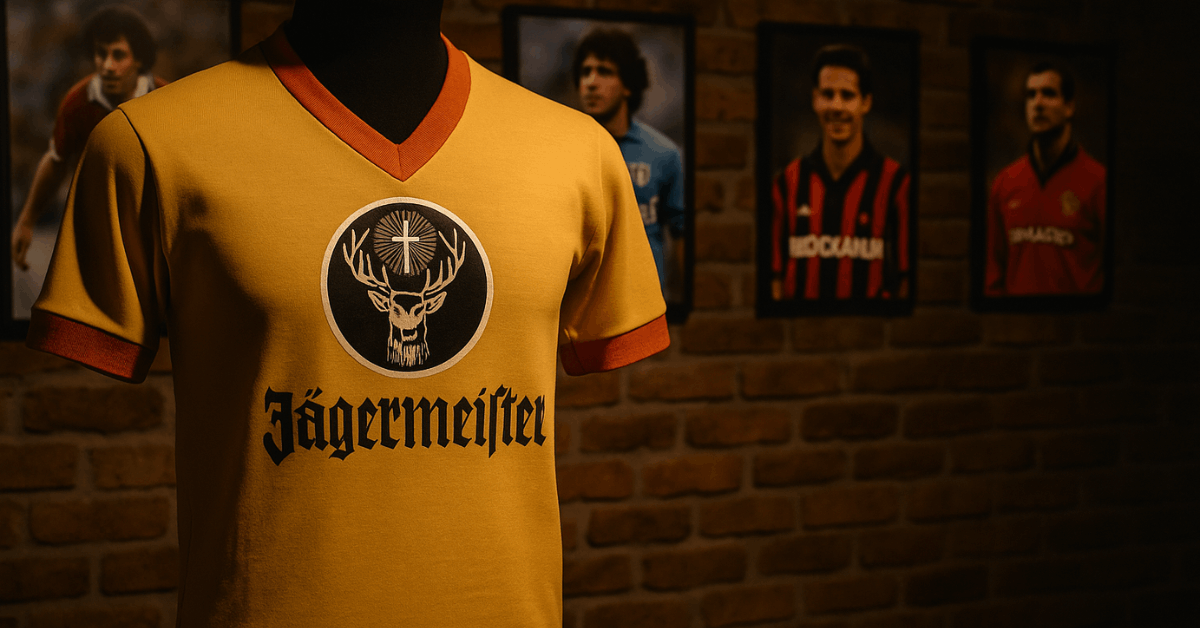
Traditionalists criticized the move, fearing it undermined sporting values. Still, it paved the way for football’s commercial era.
Early English Sponsorships
England embraced shirt sponsorship slightly later. Coventry City partnered with Talbot in 1974, opening the door for other clubs.
Sponsorships became linked to team identity and financial survival. The English game soon adopted sponsorship as an essential practice.
Iconic Sponsors of the 1980s and 1990s
By the 1980s and 1990s, shirt sponsorships were mainstream. Certain logos became legendary due to their long-term visibility.
Sharp and Manchester United
Sharp Electronics appeared on Manchester United’s shirts in 1982. For nearly two decades, the partnership created a strong visual identity.
The Sharp logo coincided with United’s global rise under Sir Alex Ferguson. Fans still view this shirt as a symbol of the club’s dominance.
Opel and AC Milan
Opel sponsored AC Milan during their golden era in the late 1980s and 1990s. The car manufacturer’s logo was seen across Europe as Milan dominated.
This partnership highlighted the connection between football and automotive brands. Opel’s image became synonymous with Milan’s European success.
Carlsberg and Liverpool
Carlsberg partnered with Liverpool starting in 1992. The logo stayed on the shirt for more than a decade, becoming a core part of the club’s identity.
Fans remember the Carlsberg era with nostalgia for iconic matches. Even today, retro shirts with this sponsor remain popular.
Sponsors That Created Global Recognition
Some sponsors elevated clubs to worldwide fame. Their logos became instantly recognizable symbols of modern football.
Fly Emirates
Fly Emirates became one of the most visible global football sponsors. The airline’s logo appeared on shirts of Real Madrid, Arsenal, and Paris Saint-Germain.
Its partnerships emphasized luxury, travel, and international reach. Fly Emirates is now one of the most recognized shirt sponsors worldwide.
Qatar Airways and Barcelona
Qatar Airways was Barcelona’s first major commercial sponsor. The deal signaled the globalization of shirt sponsorship.
Fans debated the move, as Barcelona had previously avoided shirt sponsors. It reflected how even historic clubs embraced commercial opportunities.
Global Sponsors with Lasting Impact
Certain companies shaped football history by appearing on iconic shirts. Their global campaigns elevated both brand and club:
- Chevrolet – Manchester United: Expanded global reach through the Premier League’s most popular team.
- Samsung – Chelsea: Represented technology’s growing presence in football.
- Siemens – Real Madrid: Became part of the Galácticos era of star players.
- Rakuten – Barcelona: Showcased the rise of Asian companies in European football.
Controversial Sponsorships
Not all shirt deals were celebrated. Some sparked criticism and ethical debates.
Gambling Companies
Betting companies increasingly appeared on shirts in the 2000s and 2010s. Critics argued these logos promoted gambling to young audiences.
Regulators in some countries introduced restrictions on such deals. The debate continues over the long-term impact of gambling sponsors.
Alcohol and Tobacco Brands
Brands like Carlsberg and Marlboro once dominated shirt sponsorship. Over time, health campaigns restricted these partnerships.
Clubs adapted by seeking sponsors with more socially responsible images. The shift reflected evolving public expectations.
Political and State-Owned Sponsors
State-backed companies also entered football sponsorship. Critics labeled these deals as examples of sportswashing.
Fans and analysts remain divided on whether political sponsorships damage club reputation. These partnerships highlight the tension between finance and ethics.
Cultural and Emotional Impact on Fans
Sponsors do more than fund clubs; they create lasting emotional connections. Logos often remind fans of victories and legendary players.
Nostalgic Value of Classic Shirts
Fans link sponsors to iconic memories. Sharp, Carlsberg, and Opel logos are tied to legendary goals and trophies.
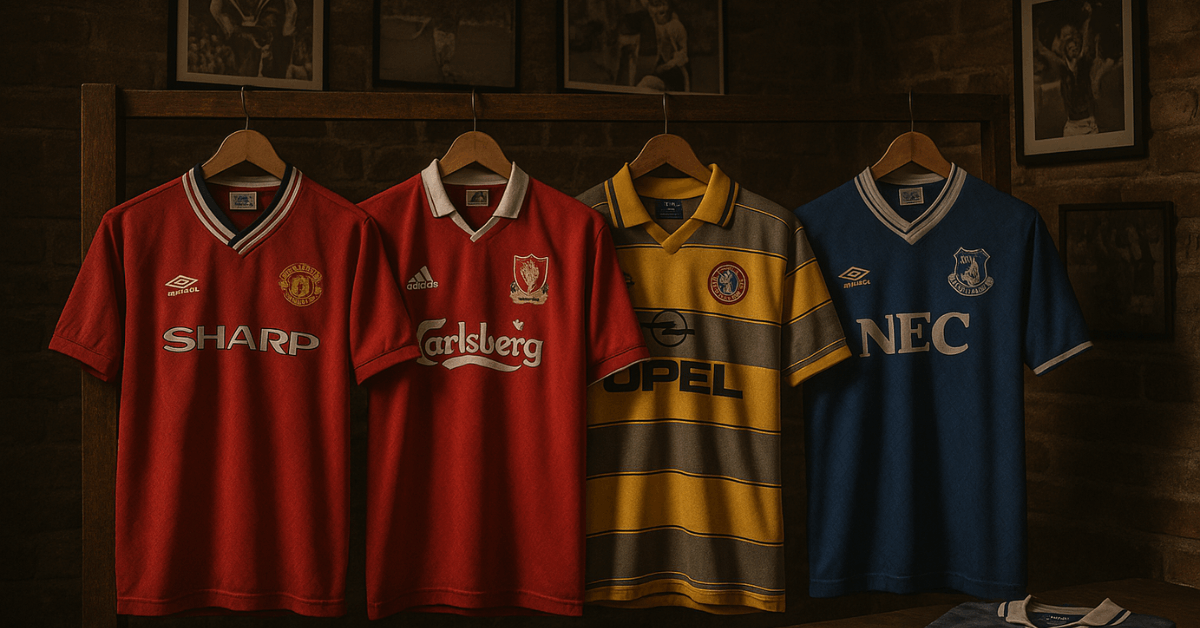
Retro shirts featuring old sponsors are popular fashion items. Nostalgia increases both emotional and financial value.
Identity and Belonging
Sponsors often become part of a club’s identity. Fans view logos as extensions of the badge itself.
Wearing these shirts connects supporters to club history. Sponsors, in this way, become part of collective belonging.
The Financial Power of Sponsorship Deals
Sponsorship is one of football’s biggest income streams. Clubs depend on shirt deals to remain competitive.
Record-Breaking Deals
Recent decades produced record-breaking contracts. Manchester United’s deal with Chevrolet reached hundreds of millions.
Barcelona’s partnership with Rakuten set new commercial standards. These contracts reflect how sponsorships reshape football economics.
Impact on Smaller Clubs
Not only big clubs benefit from shirt sponsorship. Smaller clubs also gain essential financial support.
For some, a high-profile sponsor brings unexpected global recognition. Sponsorship revenue often ensures the survival of less wealthy teams.
The Future of Football Shirt Sponsorship
The sponsorship landscape continues to evolve. New industries and technologies are reshaping football’s commercial future.
Digital and Tech Companies
Blockchain and cryptocurrency firms are entering sponsorship markets. Tech brands see football as a way to reach mass audiences.
These deals bring innovation but also volatility. Questions remain about long-term stability.
Sustainable and Socially Responsible Sponsors
Brands focusing on sustainability and social responsibility are gaining attention. Clubs seek to align with positive causes to improve reputation.
Fans increasingly value ethical sponsors over purely financial deals. This shift may redefine partnerships in coming years.
Future Trends to Watch
The sponsorship market is expanding into new areas. These trends indicate the future direction of shirt deals:
- E-sports companies partnering with football clubs.
- Streaming platforms using football exposure to grow.
- Green technology firms promoting eco-friendly initiatives.
- AI and fintech companies tapping into global fan bases.
Conclusion – Sponsors as Part of Football’s Legacy
Sponsors have become integral to football shirt history. They shaped not only finances but also culture and identity.
Some are remembered with fondness, while others stirred controversy. As the game evolves, shirt sponsors will continue leaving their mark on football’s global legacy.